

Angkor Wat
Angkor Wat, located near Siem Reap in Cambodia, is a mesmerizing testament to the grandeur of the Khmer Empire and one of the world's most remarkable archaeological sites. Built in the early 12th century by King Suryavarman II, Angkor Wat was originally dedicated to the Hindu god Vishnu but later became a Buddhist temple.
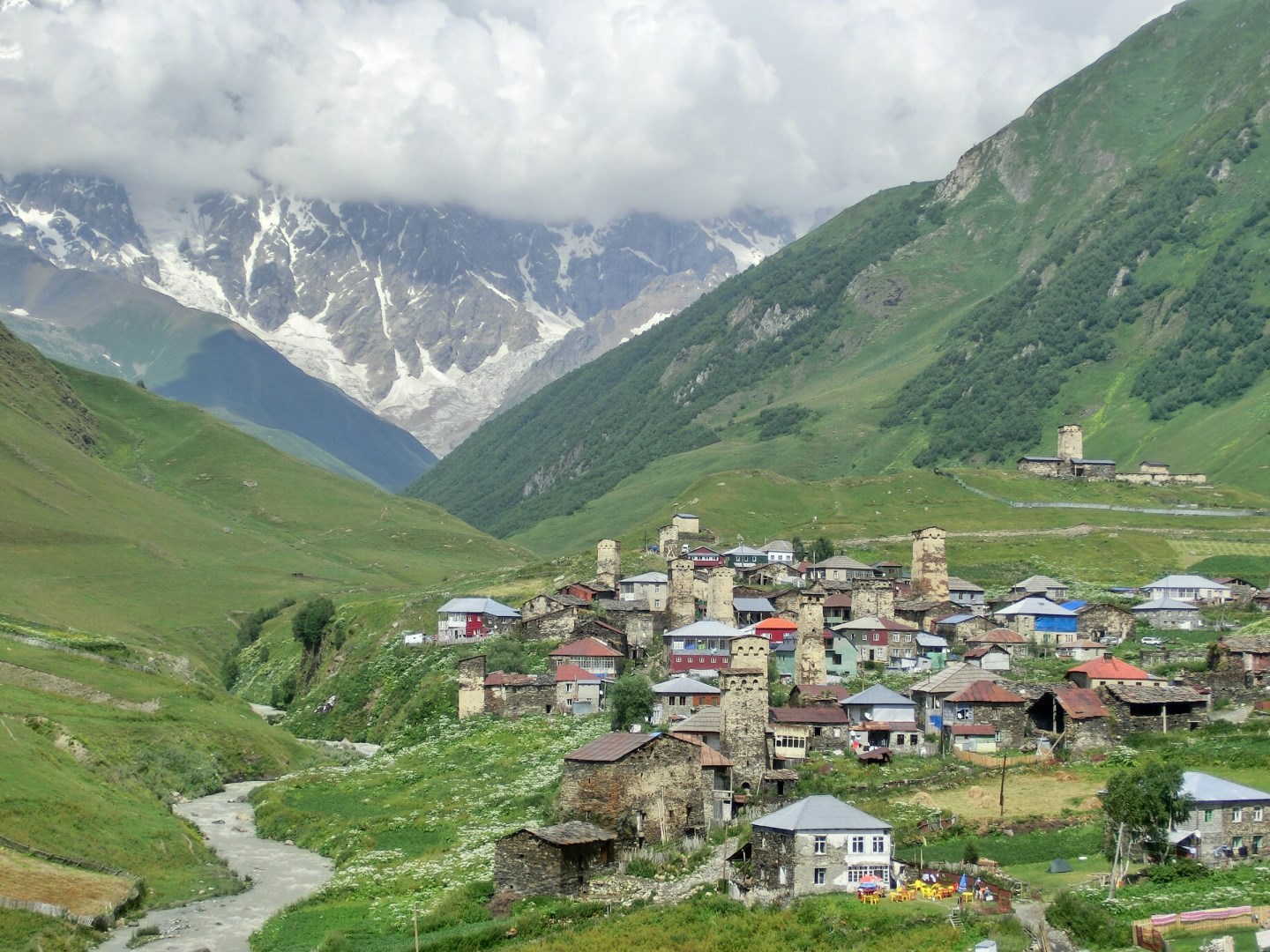
Ushguli
Ushguli is a group of high mountain villages in Upper Svaneti, northwestern Georgia, set in the Enguri valley beneath the Greater Caucasus. The settlement is widely known for its traditional stone houses and defensive towers, with Mount Shkhara rising above the surrounding landscape.
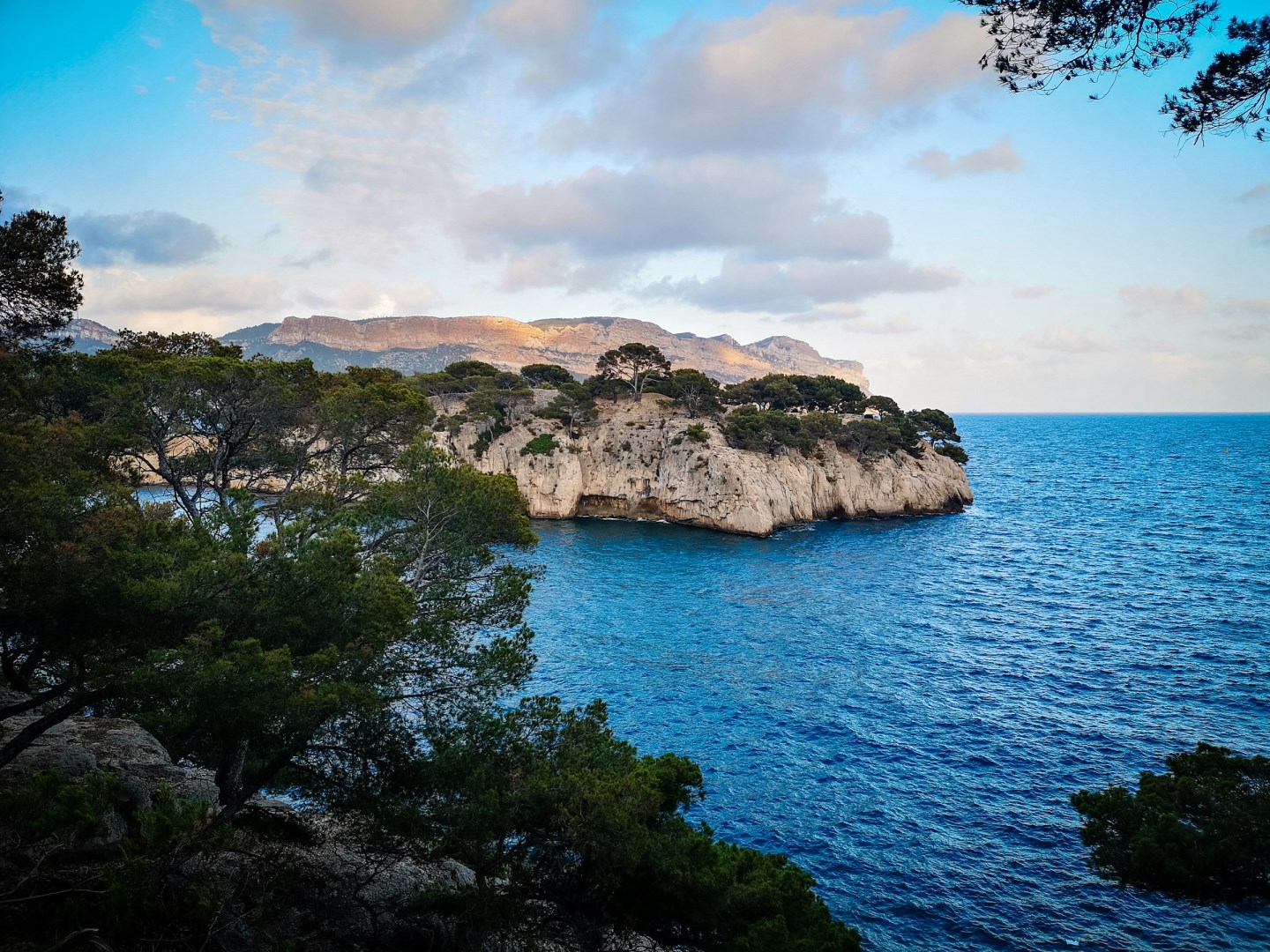
Calanques National Park
This stunning National Park is located on the Mediterranean coast in southern France. Calanques National Park should definitely be on your wish list!
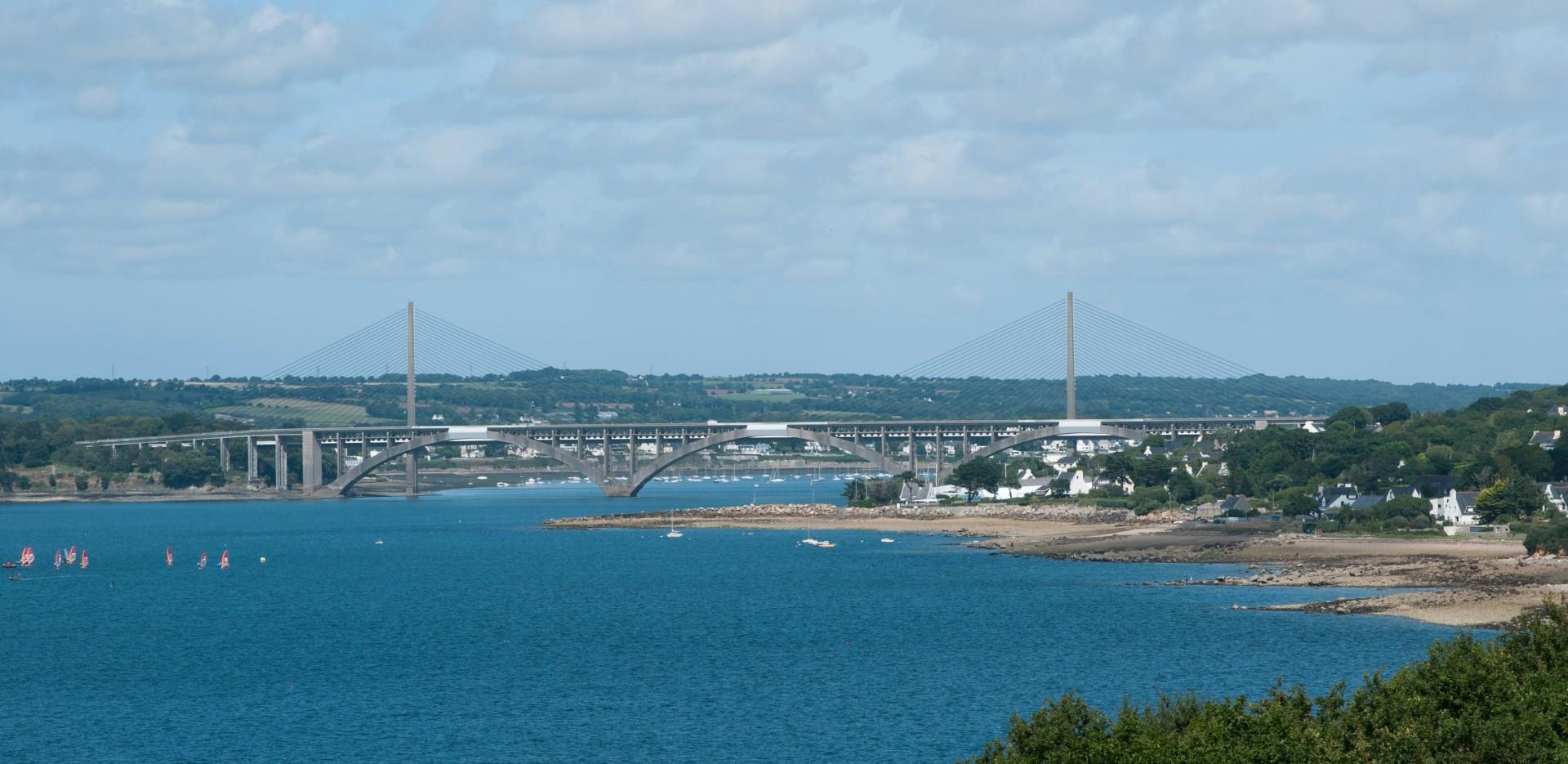
Brest
Brest sits at the western edge of Brittany, facing the Atlantic and shaped by its role as a strategic naval port. Much of the city was rebuilt after World War II, giving it a modern layout that contrasts with older Breton towns, yet its history remains closely tied to the sea.
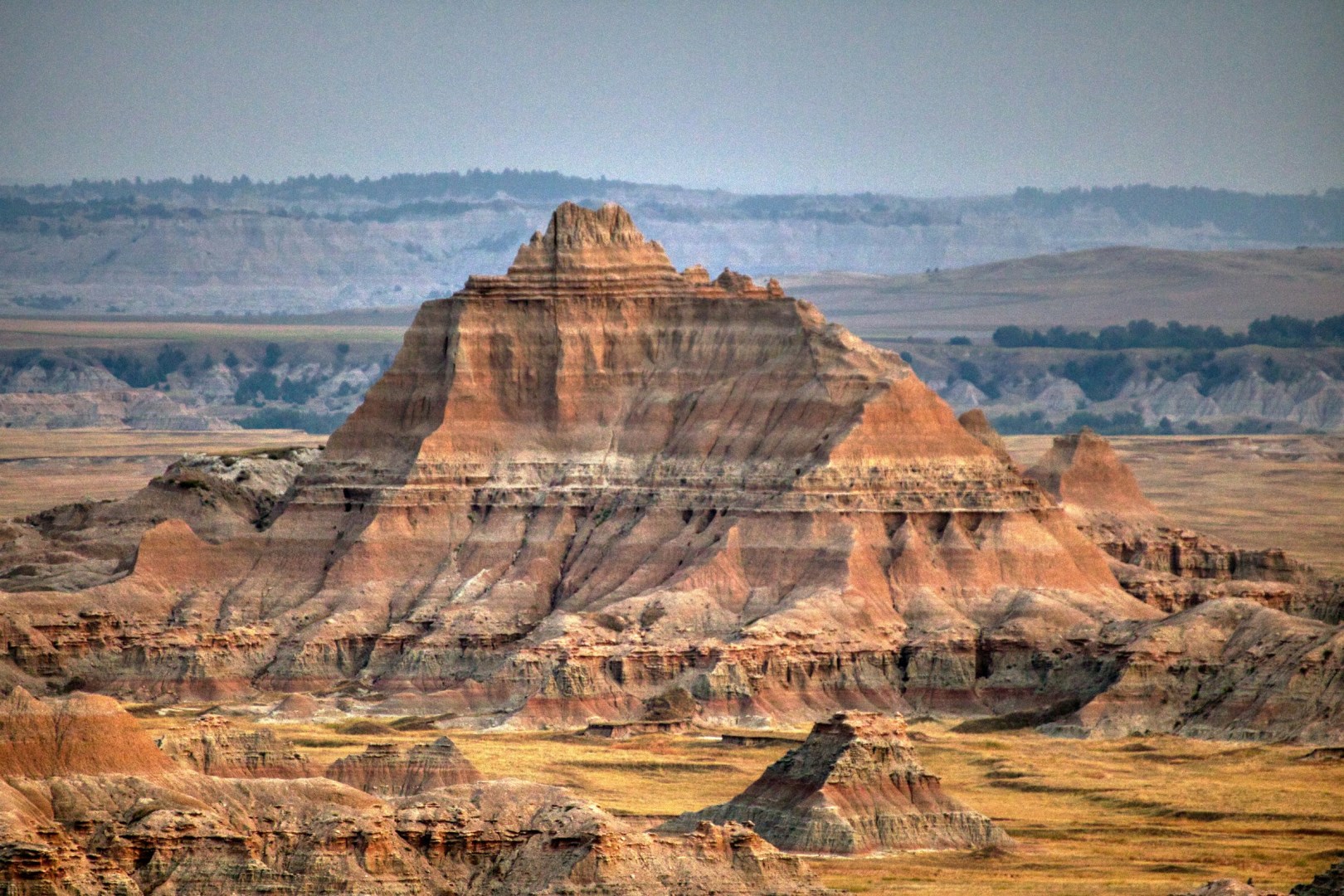
Badlands National Park
Badlands National Park stretches across southwestern South Dakota, where layered rock formations and sharply eroded spires reveal nearly 75 million years of geological history. The park’s banded cliffs and pinnacles were shaped by wind and water, exposing ancient seabeds and fossil-rich layers that have made the area one of North America’s most important paleontological sites.
