
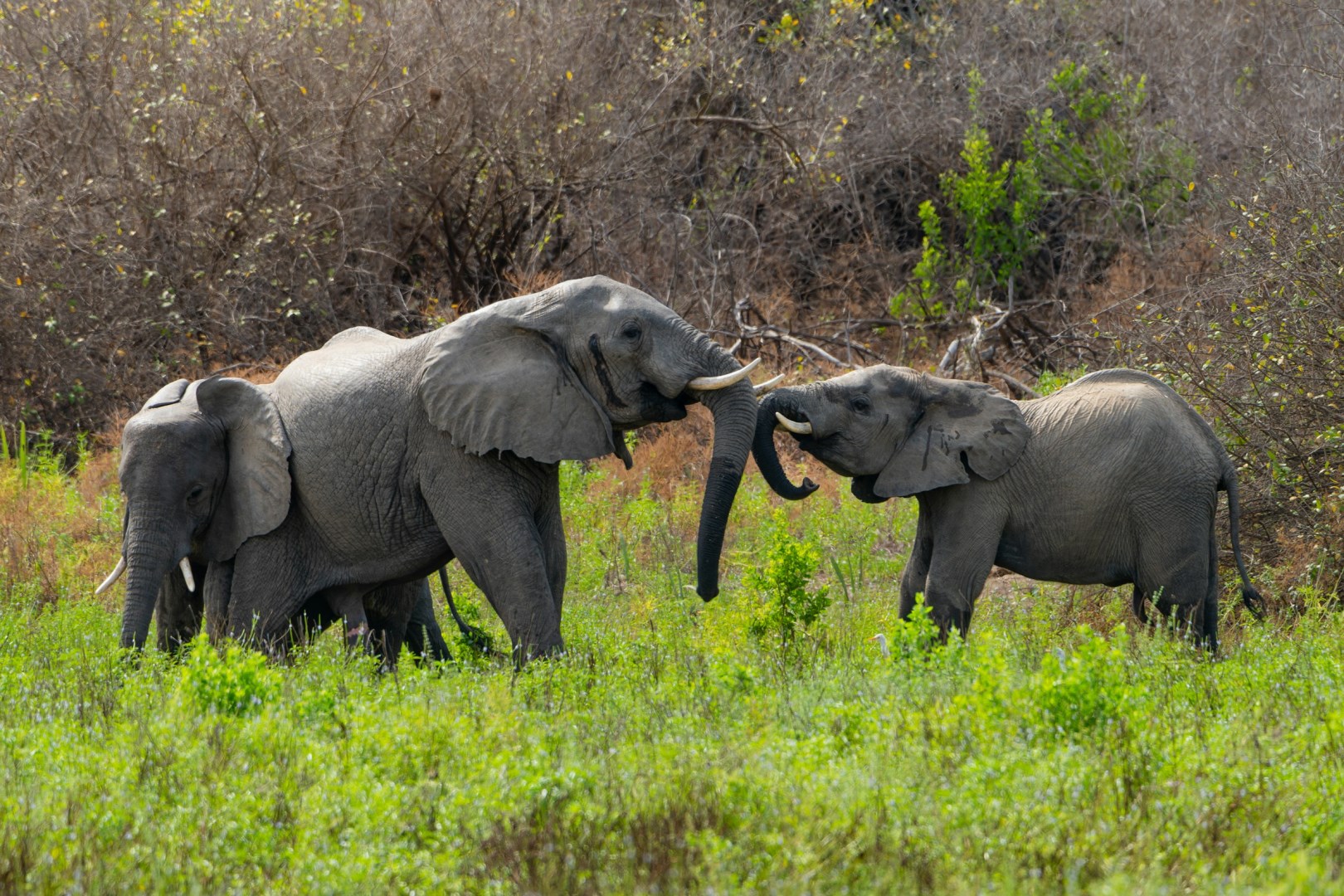
Nyerere National Park
Nyerere National Park is a vast protected area in southern Tanzania, centered on the Rufiji River and the surrounding miombo woodlands, floodplains, grasslands, and wetlands. It forms part of the wider Selous ecosystem and is one of Tanzania’s largest national parks, covering more than 30,000 square kilometres.
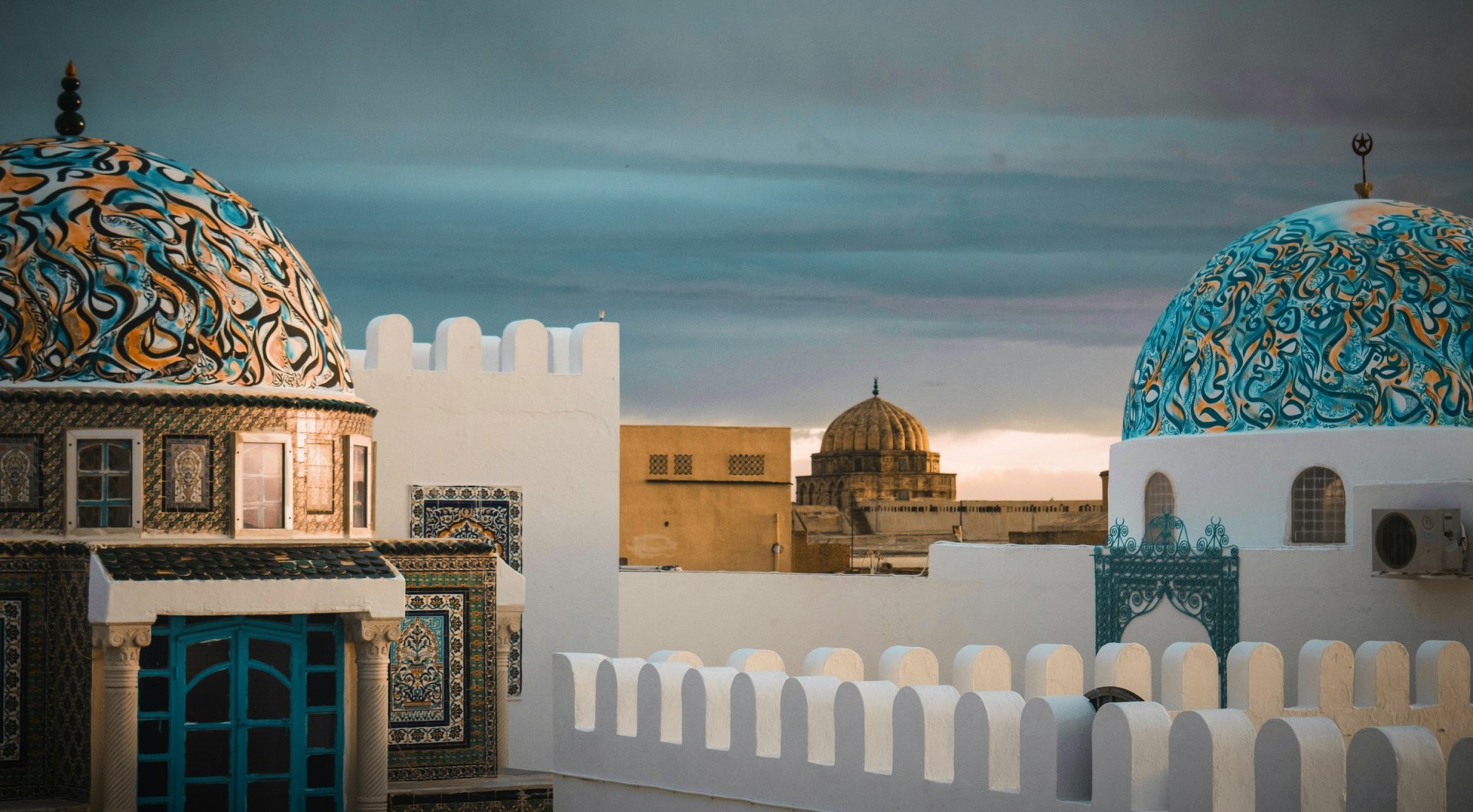
Kairouan
Kairouan is a historic city in central Tunisia, set on a broad plain away from the Mediterranean coast. It is one of the principal holy cities of the Islamic world and is recognized for its exceptionally preserved medina, religious monuments, and traditional urban design. The city’s whitewashed buildings, domes, narrow lanes, and surrounding walls create a distinctive landscape.
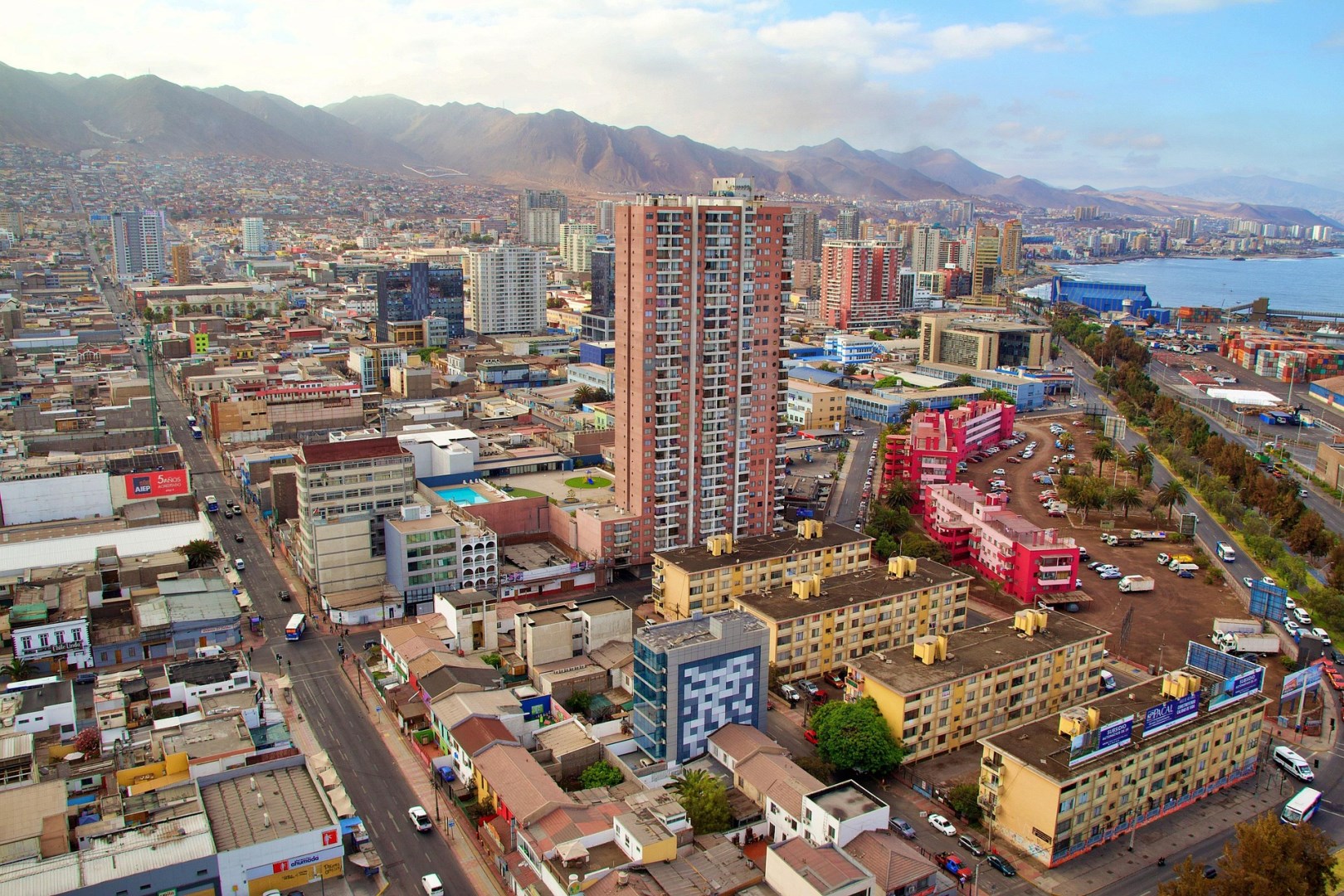
Antofagasta
In Chile's arid Norte Grande, only one river in 700 miles of coastline makes it to the sea. Many towns have never experienced rainfall and depend on "Fogcatchers" to collect the morning dew for drinking water.
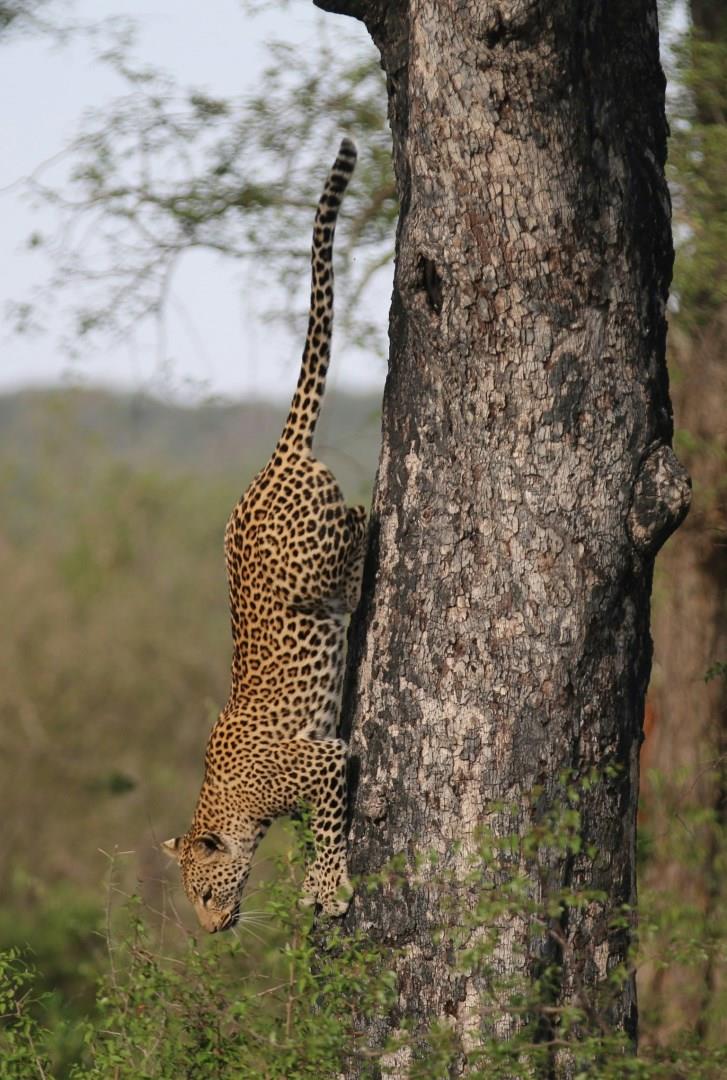
Sabi Sand Nature Reserve
Sabi Sands Nature Reserve, located in South Africa’s Mpumalanga province, is one of the country’s most renowned private game reserves. Sharing an unfenced boundary with the Kruger National Park, it offers visitors a chance to see Africa’s iconic wildlife in an environment that feels both wild and exclusive. The reserve is particularly famous for its sightings of the Big Five (lion, leopard, elephant, buffalo, and rhino) often spotted during guided game drives at dawn and dusk.
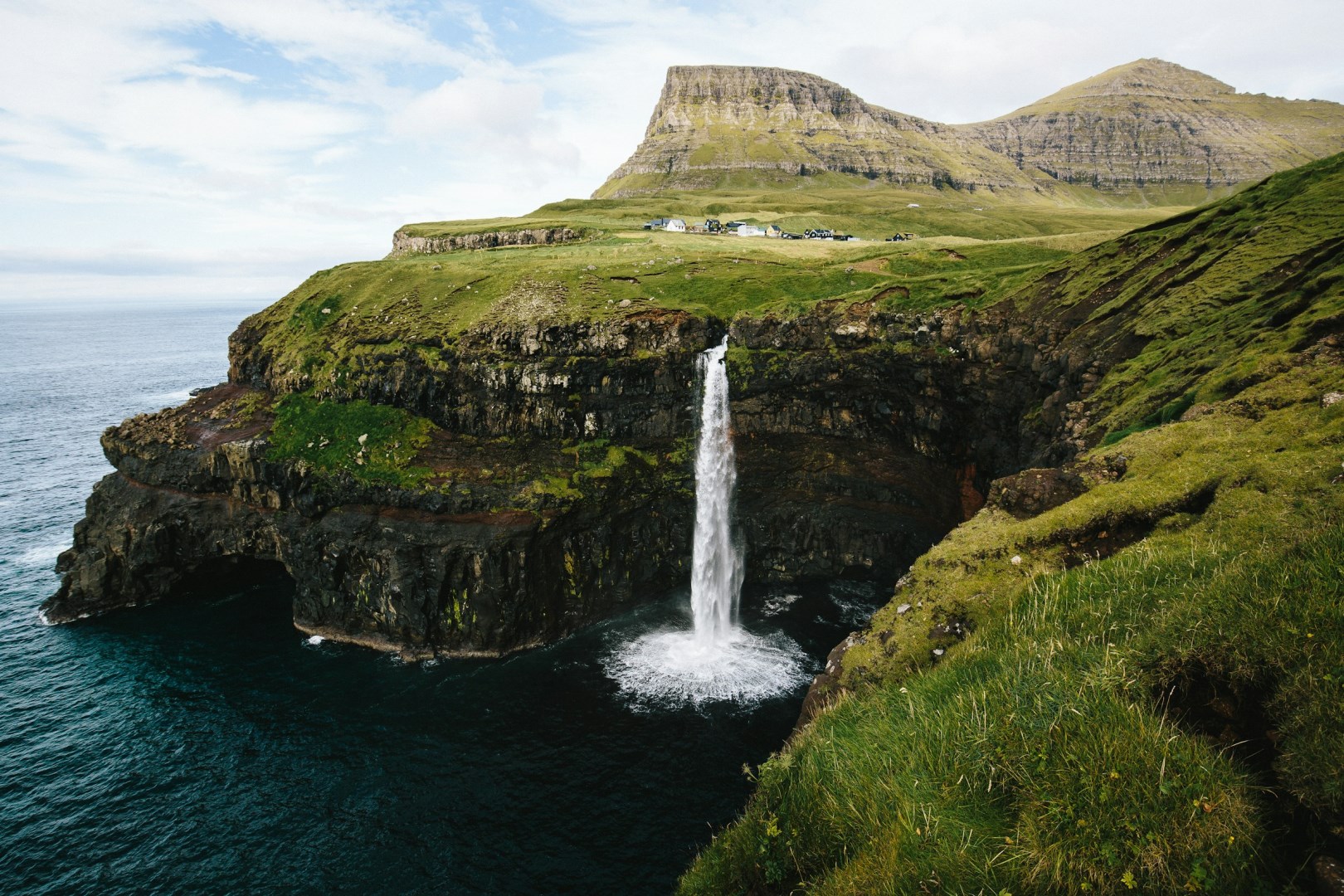
Gásadalur
Gásadalur is a small village on the western side of Vágar in the Faroe Islands, set in a narrow valley between steep mountains and the North Atlantic. The settlement overlooks the sea toward the island of Mykines and is surrounded by high slopes, green pasture, and rugged cliffs. Its remote position shaped village life for generations, when access required crossing the mountains on foot.
