

Punakha
Punakha sits in one of Bhutan’s most fertile valleys, cradled where the Mo Chhu and Pho Chhu rivers meet. For centuries it served as the kingdom’s capital and remains a place rich with stories woven through its fields, temples, and riverbanks. The city’s low elevation brings warmer weather than much of Bhutan’s highland regions, and rice paddies fill the landscape with vivid green during planting and golden hues at harvest.
Milos
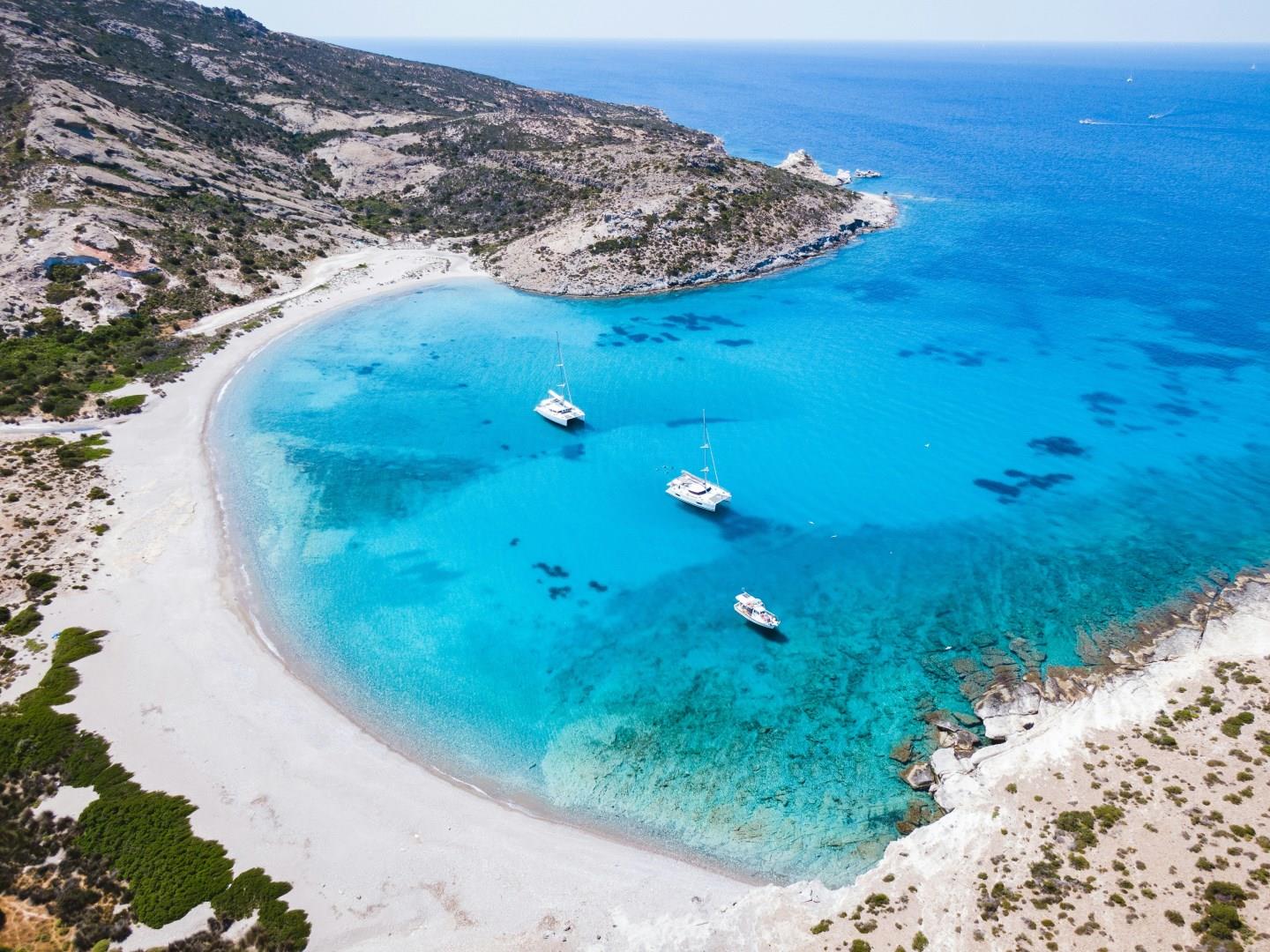
Milos is one of the most striking islands in the Aegean Sea, known for its otherworldly landscapes, turquoise coves, and centuries-old history. Shaped like a horseshoe, the island was formed by volcanic activity which left behind dramatic cliffs and hidden beaches carved from soft white rock. Visitors often find their first glimpse of Milos unforgettable, especially at Sarakiniko Beach where smooth, chalk-white formations contrast with the vivid blue water.
Auyuituq National Park
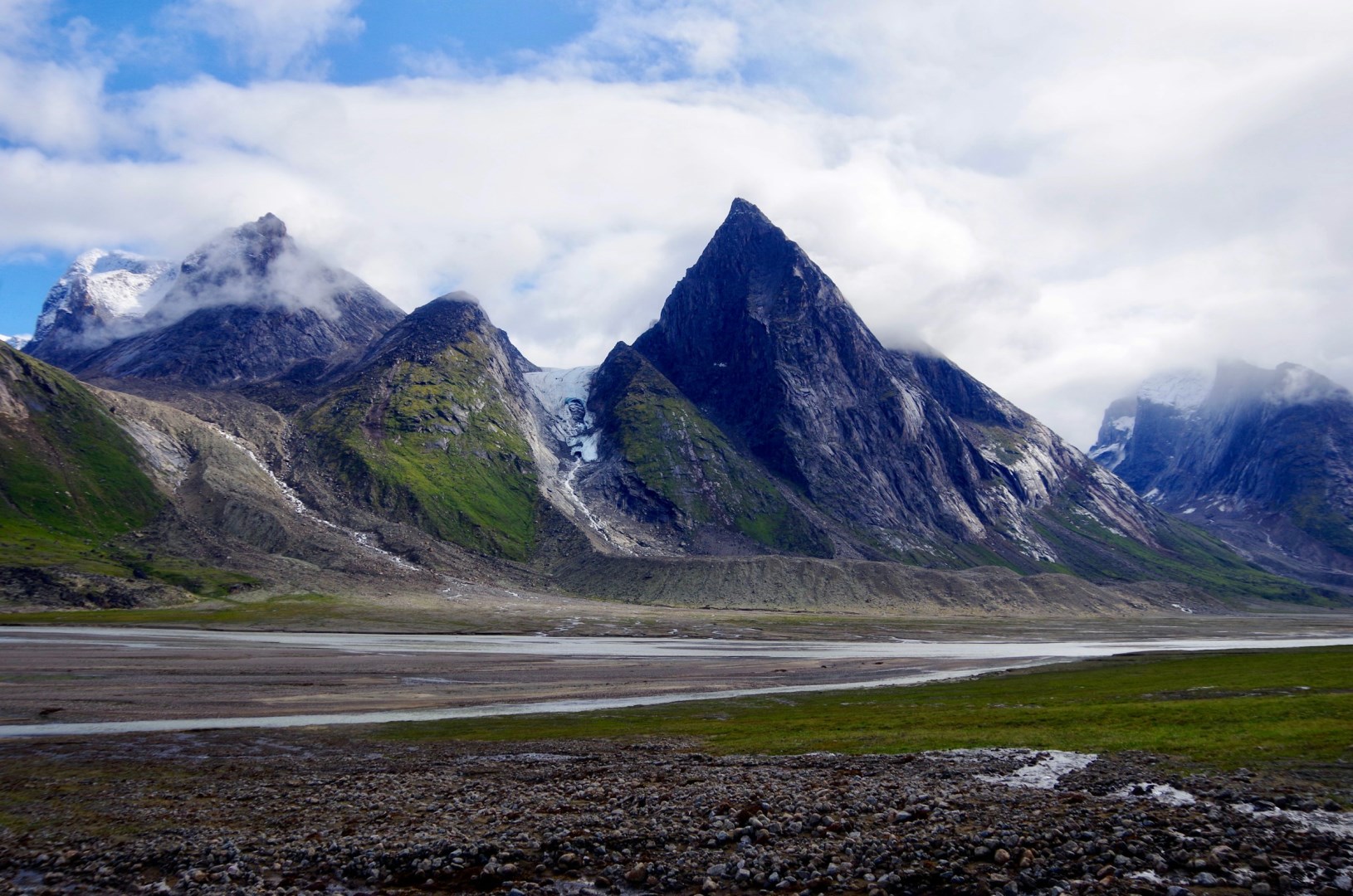
Auyuittuq National Park is a vast protected landscape on southeastern Baffin Island in Nunavut, extending between the communities of Pangnirtung and Qikiqtarjuaq. Its name means “land that never melts” in Inuktitut, reflecting the park's extensive ice and snow. Towering granite peaks, deep fjords, glaciers, rivers, and tundra dominate the landscape, while the Penny Ice Cap covers a large section of the interior.
Concord
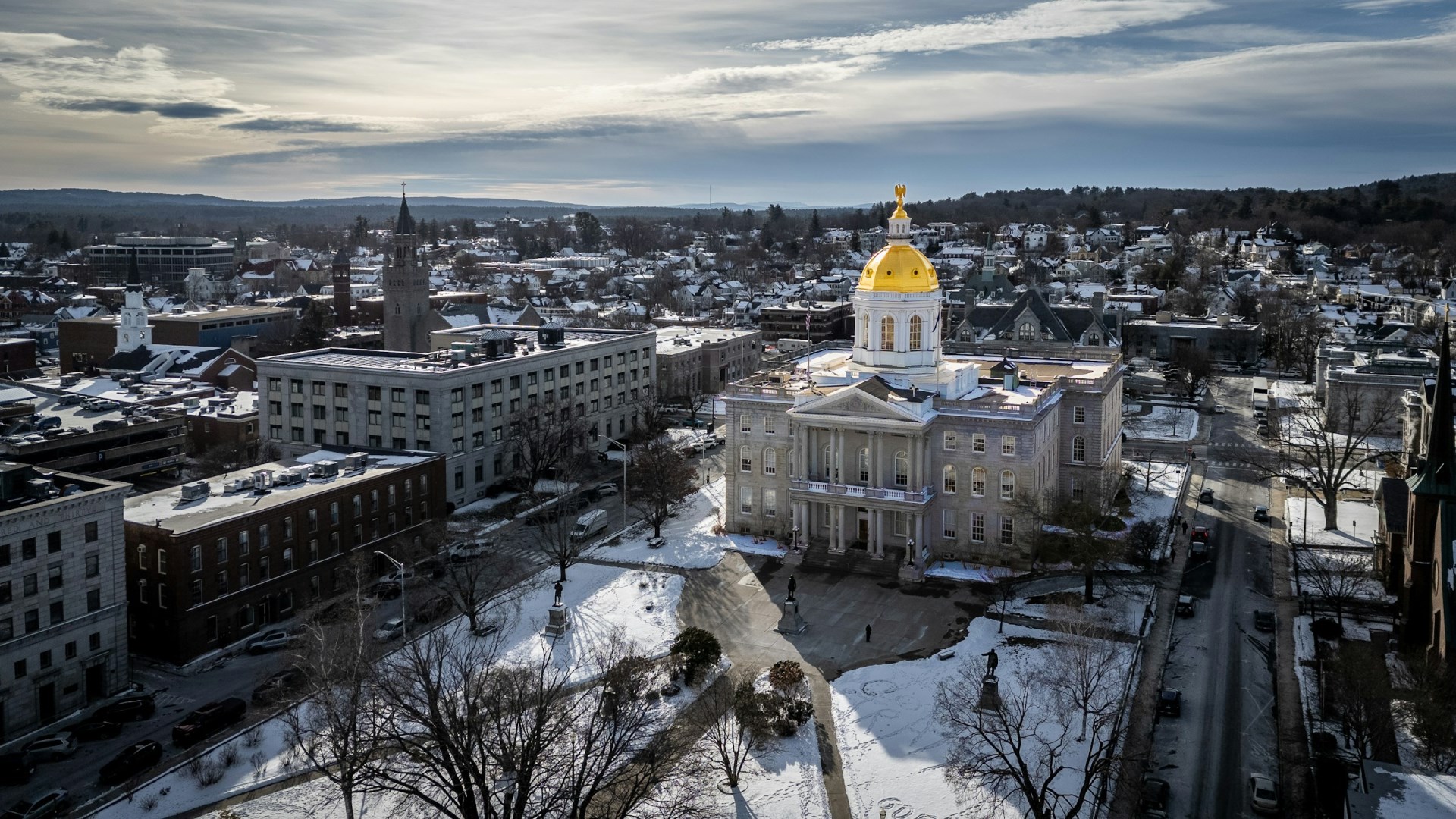
Concord is the capital of New Hampshire, situated along the Merrimack River in the central part of the state. The city combines a compact downtown with historic neighborhoods, wooded conservation areas, and a strong civic identity. Main Street serves as the heart of the centre, lined with independent shops, restaurants, galleries, and public spaces. The New Hampshire State House, with its distinctive golden dome, stands nearby and remains a major landmark.

Mackinac Island
An island in the Strait of Mackinac where Lake Huron and Lake Michigan meet at the northern tip of the State of Michigan.
