
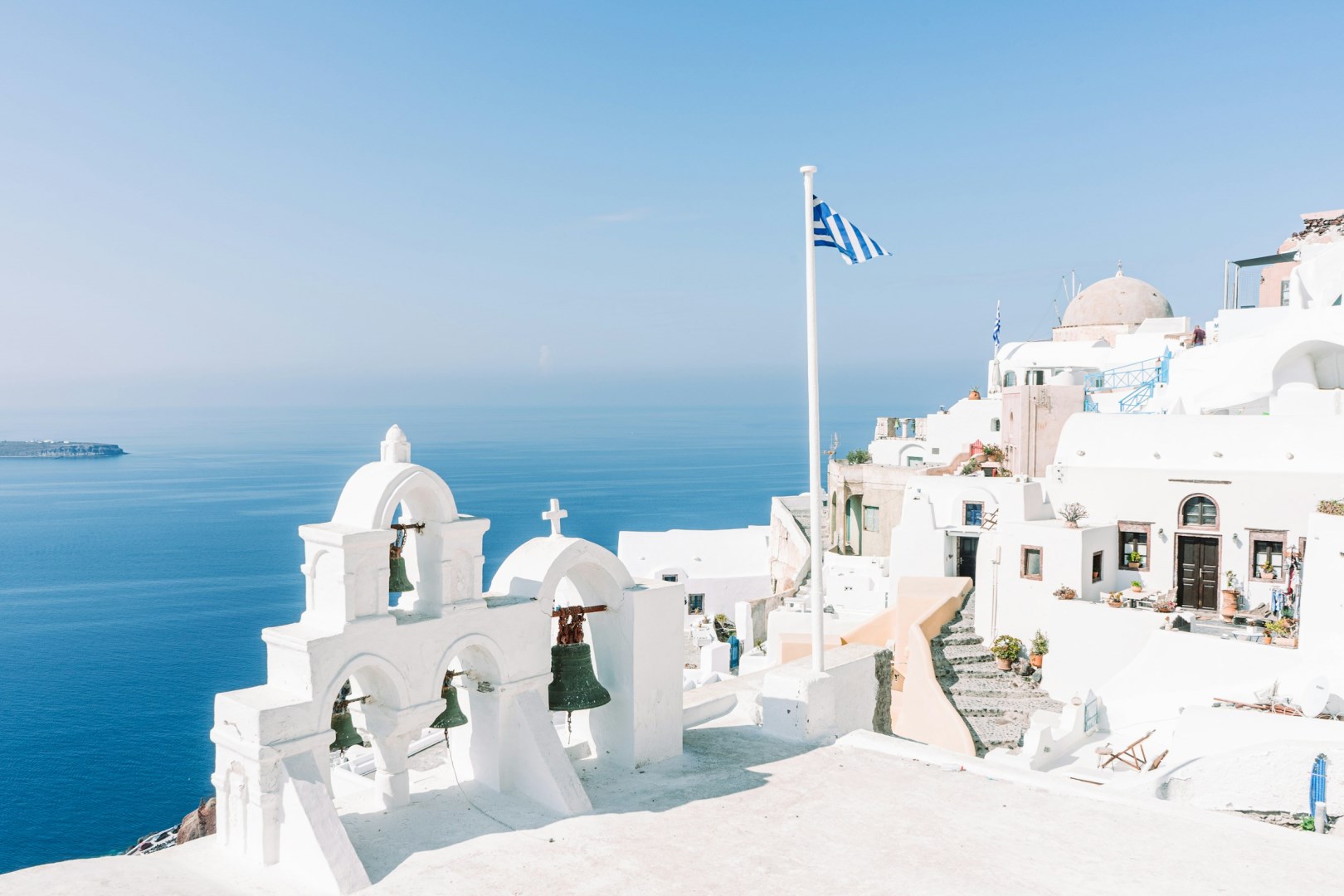
Oia
Oia is a historic village on the northern tip of Santorini, built along the steep rim of the island’s volcanic caldera. Its whitewashed houses, cave dwellings, blue-domed churches, and narrow pedestrian lanes follow the contours of the cliffs above the Aegean Sea. The village developed a strong maritime identity through its captains’ houses and seafaring families, many of which are preserved among its traditional buildings.
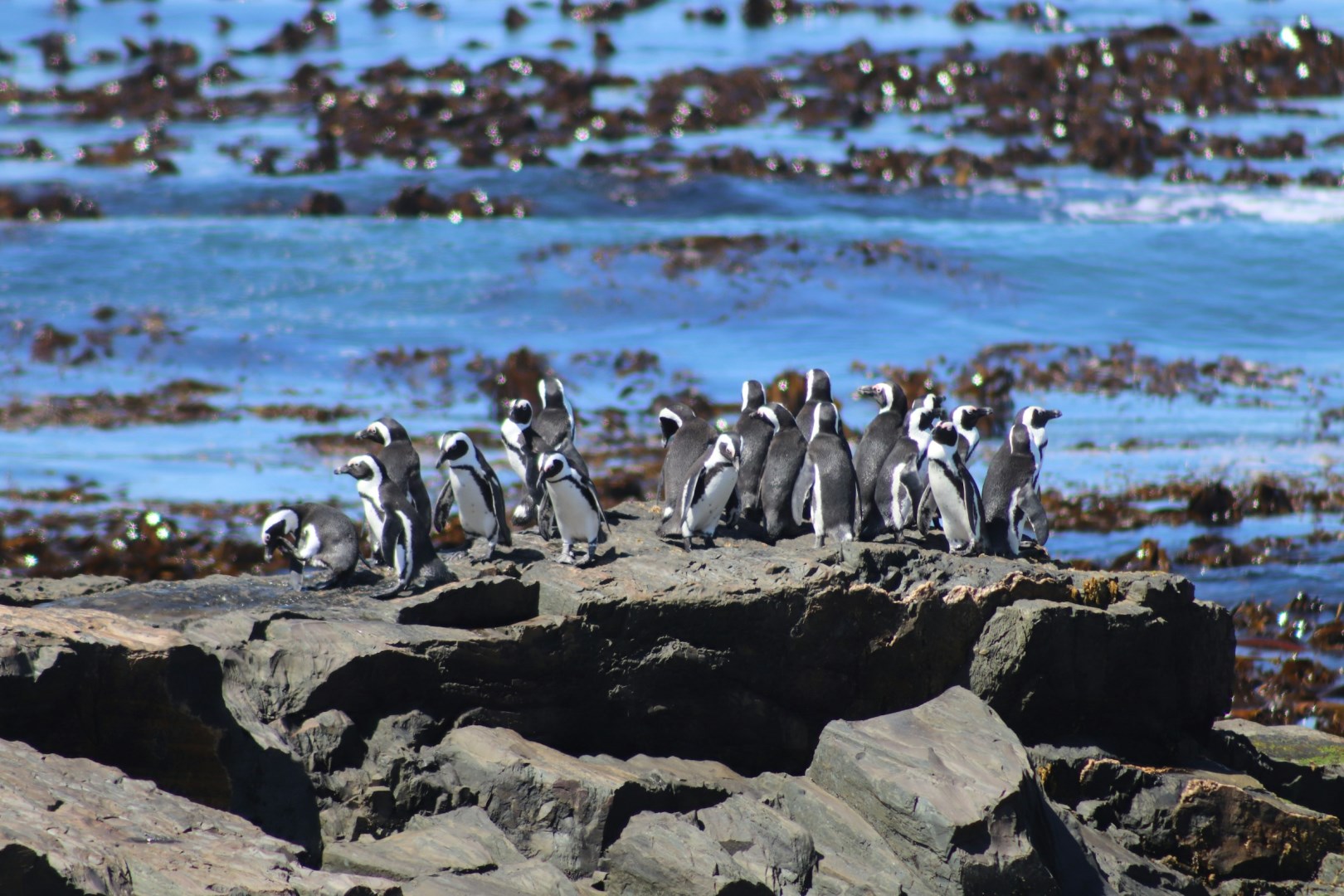
Robben Island
Robben Island lies in Table Bay off the coast of Cape Town and is one of South Africa’s most significant heritage sites. The island is best known for its former prison, where political prisoners opposed to apartheid were held, including Nelson Mandela. Its landscape also contains a lighthouse, historic buildings, military remains, quarries, and areas of natural vegetation.
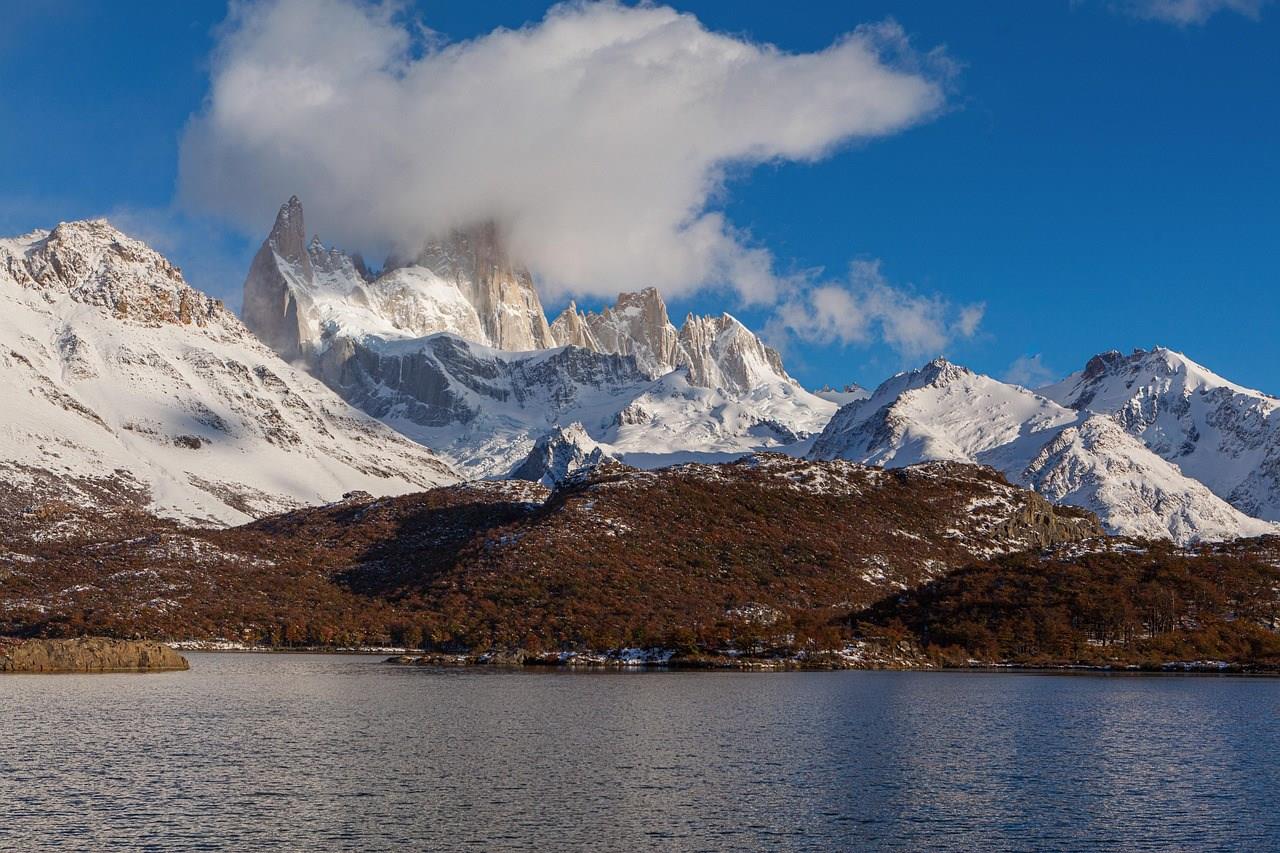
El Chaltén
El Chaltén sits at the edge of Los Glaciares National Park in Argentina’s Patagonia region, framed by the iconic peaks of Cerro Fitz Roy and Cerro Torre. Its remote location beside the Río de las Vueltas makes it a gateway to dramatic landscapes of granite spires, glacial streams and wide steppe plains.
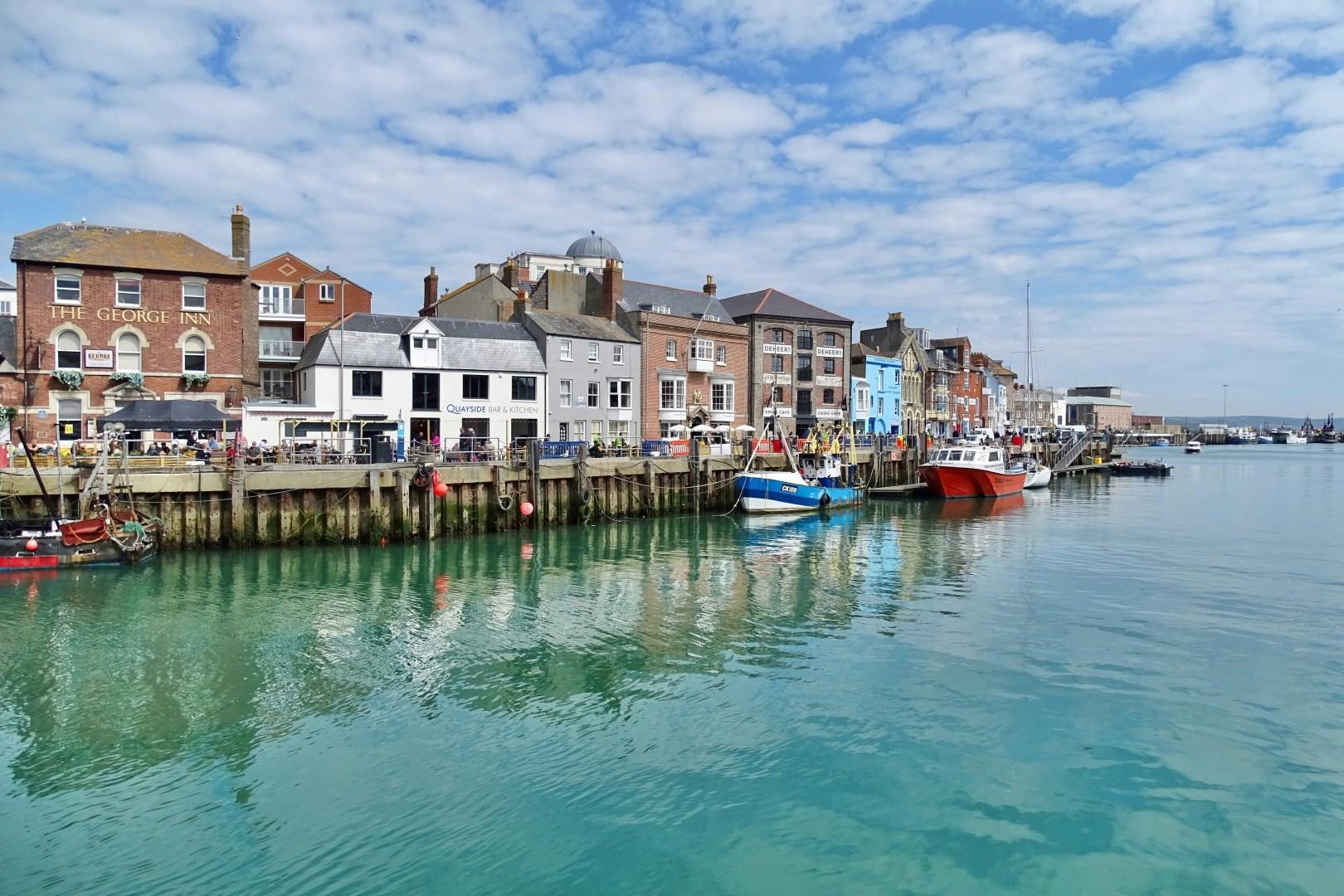
Weymouth
Weymouth is a seaside town on England’s Jurassic Coast, where a long tradition of maritime life meets a relaxed, lived-in shoreline. Its broad sandy beach curves gently around the bay, sheltered by the Isle of Portland, making it one of the south coast’s most approachable places for swimming and coastal walks.
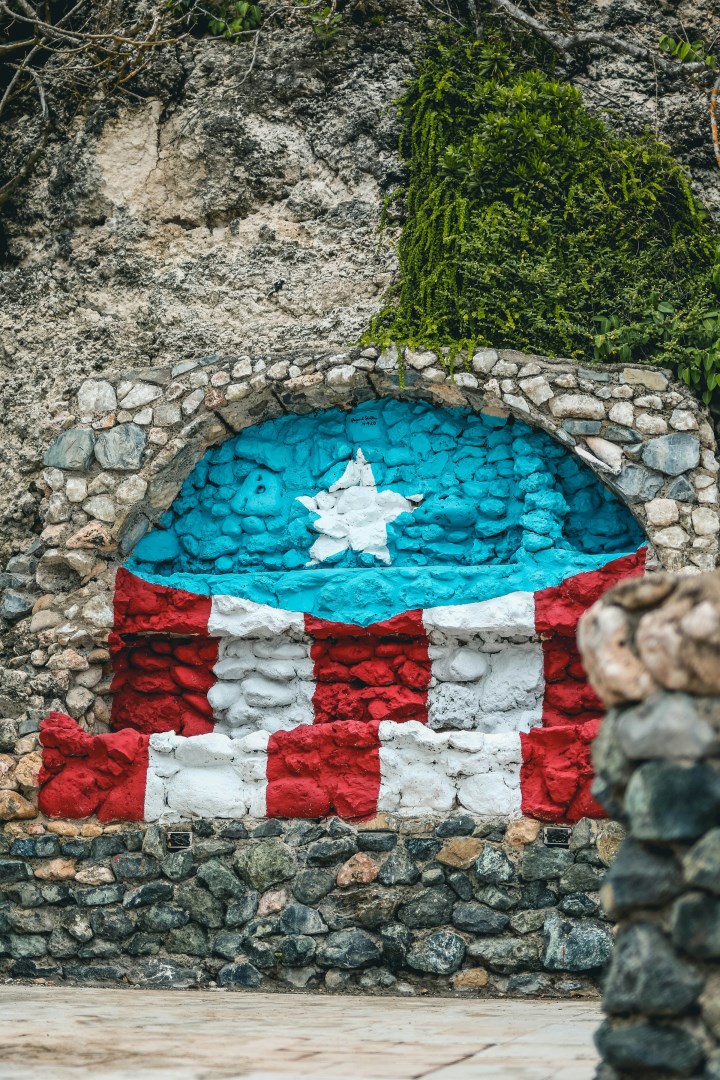
Isabela
Isabela is a coastal municipality on the northwestern side of Puerto Rico, where limestone hills meet the Atlantic Ocean. Its landscape includes long beaches, rocky shores, caves, karst formations, wetlands, and areas of tropical vegetation. Isabela is often associated with surfing and other coastal activities, while inland communities retain a strong agricultural character. The municipality is sometimes called the “Garden of the Northwest,” reflecting its fertile countryside and rural landscape
