
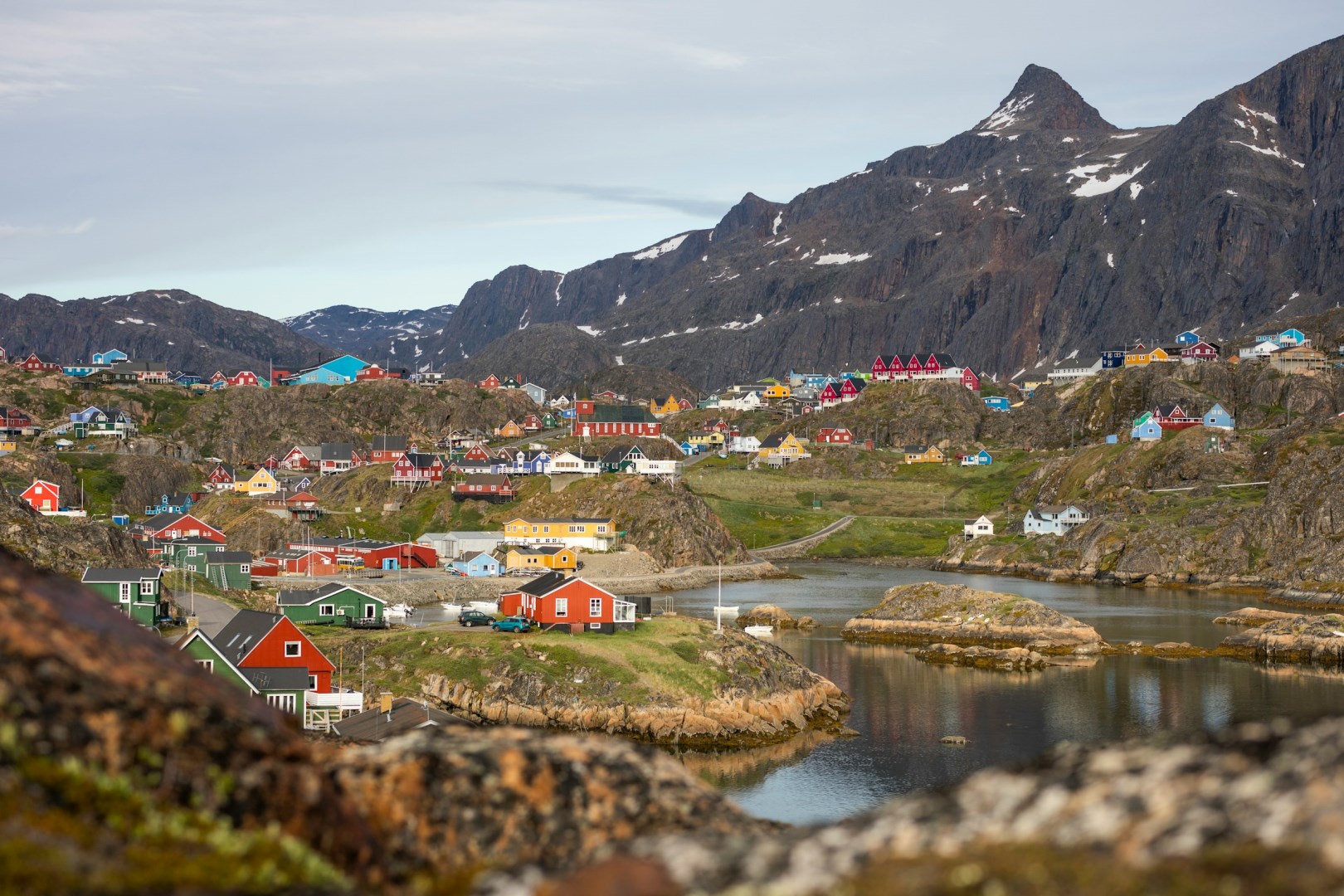
Sisimiut
Sisimiut, Greenland's second-largest city, offers a captivating glimpse into Arctic life and stunning natural beauty. Nestled on the shores of the Davis Strait, Sisimiut is renowned for its striking landscapes and rich cultural heritage.
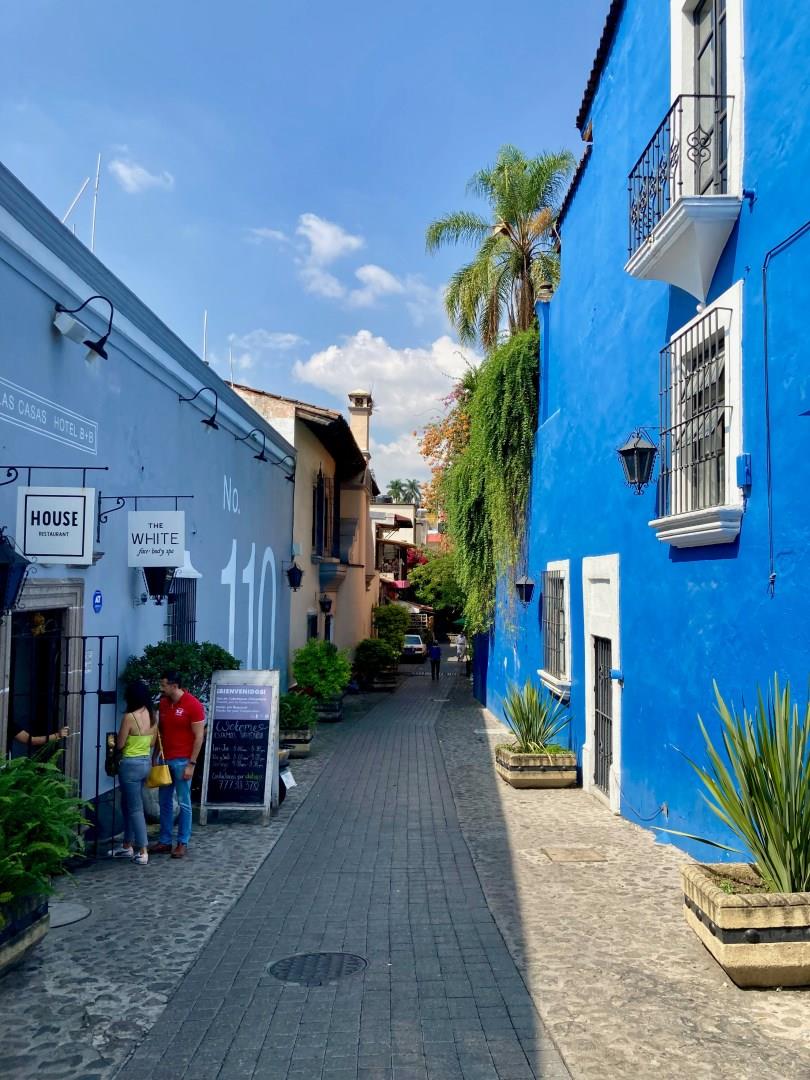
Cuernavaca
Cuernavaca, often called the “City of Eternal Spring,” has long been a retreat for those seeking warm weather and relaxing surroundings just 90 minutes from Mexico City. With a history that stretches back to the Aztec empire, the city is layered with centuries of cultural change. The historic center of Cuernavaca combines architecture from multiple eras, with narrow streets leading to quiet plazas and colonial churches.

Dominica
Dominica, known as the “Nature Island of the Caribbean,” is a haven for eco-tourists and adventure seekers. Nestled between the French islands of Guadeloupe and Martinique, this lush island boasts a remarkable landscape of volcanic mountains, dense rainforests, and stunning waterfalls. Dominica’s most iconic natural wonder is the Boiling Lake, the second-largest hot spring in the world.
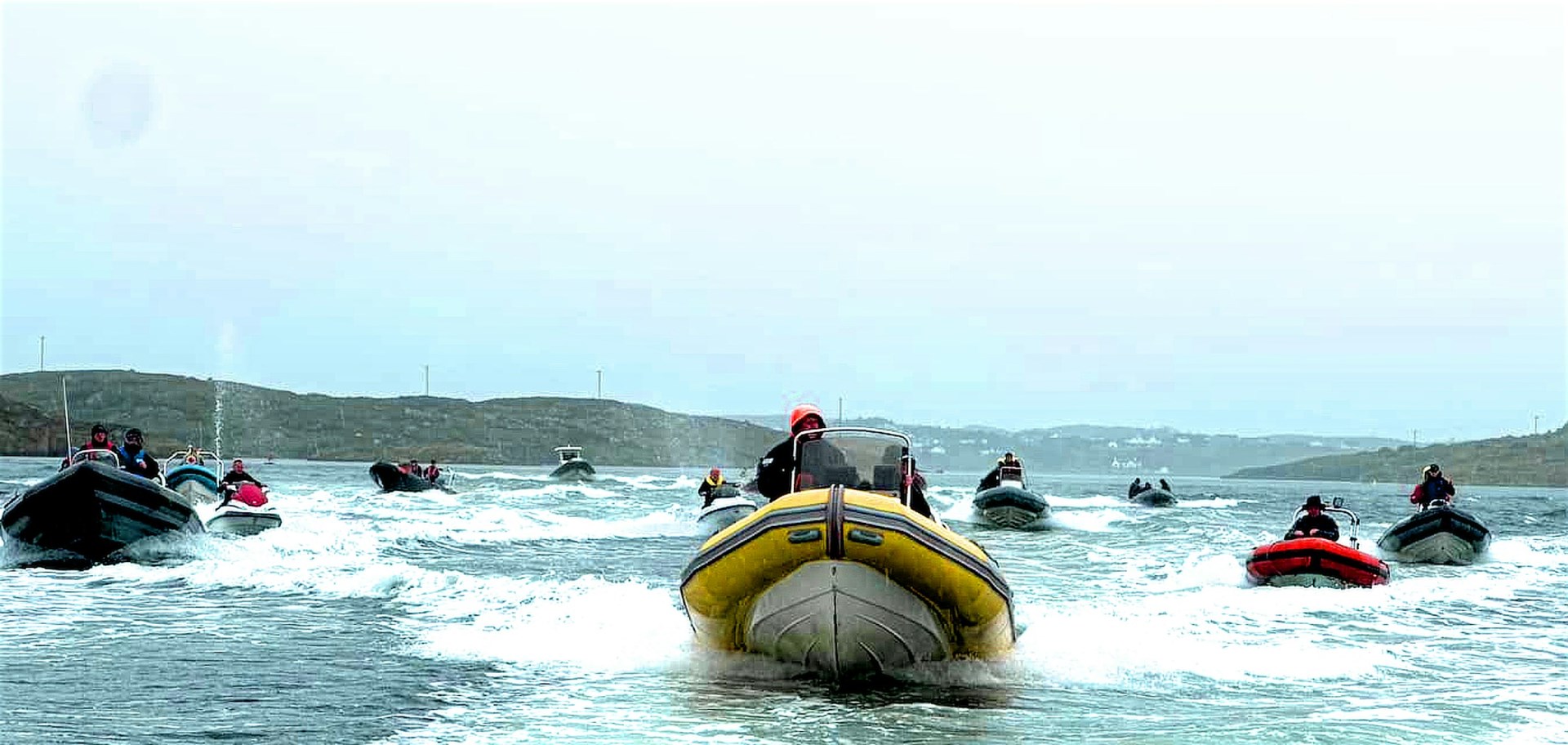
Killybegs
Killybegs is a coastal town in County Donegal, set around a deep natural harbor on the southwest coast. It is known primarily for its fishing industry and is one of Ireland’s principal fishing ports, with large vessels regularly using its sheltered waters. The harbor remains central to the town’s identity, while the surrounding Donegal coastline provides a setting of rocky headlands, coves, and open Atlantic views.
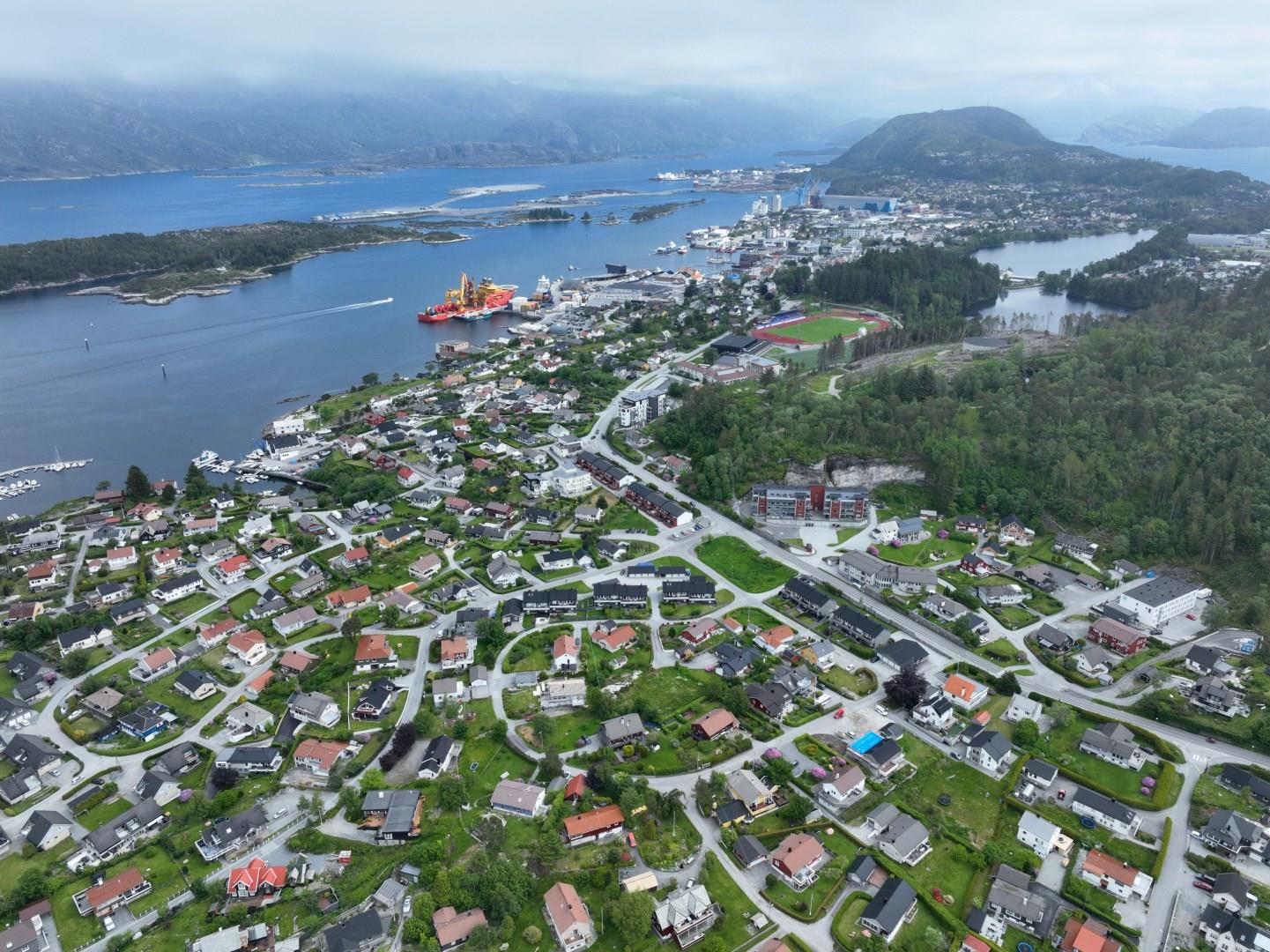
Florø
Florø, the westernmost town in Norway, sits right at the edge of the sea as a small, coastal town with deep maritime roots and front-row views of the North Atlantic. Established in 1860 as a herring fishing hub, Florø still carries the rhythm of the ocean in daily life. Though small in size, the town serves as a jumping-off point to explore the rugged coastline, scenic fjords, and a collection of islands that each have their own stories and scenery.
