

Coffee Axis
Nestled in the heart of the Andean mountains, Colombia's Coffee Region, or “Eje Cafetero,” is a lush tapestry of rolling hills, fertile valleys, and towering wax palms. This UNESCO World Heritage-listed landscape is more than just the epicenter of Colombia's coffee production—it is an invitation to explore a culture steeped in tradition, warmth, and a deep appreciation for the natural world.

Zululand
Zululand, located in South Africa's KwaZulu-Natal province, is a region steeped in history and natural beauty. Known as the heartland of the Zulu nation, Zululand offers visitors a chance to explore the rich cultural heritage of the Zulu people.
Piombino
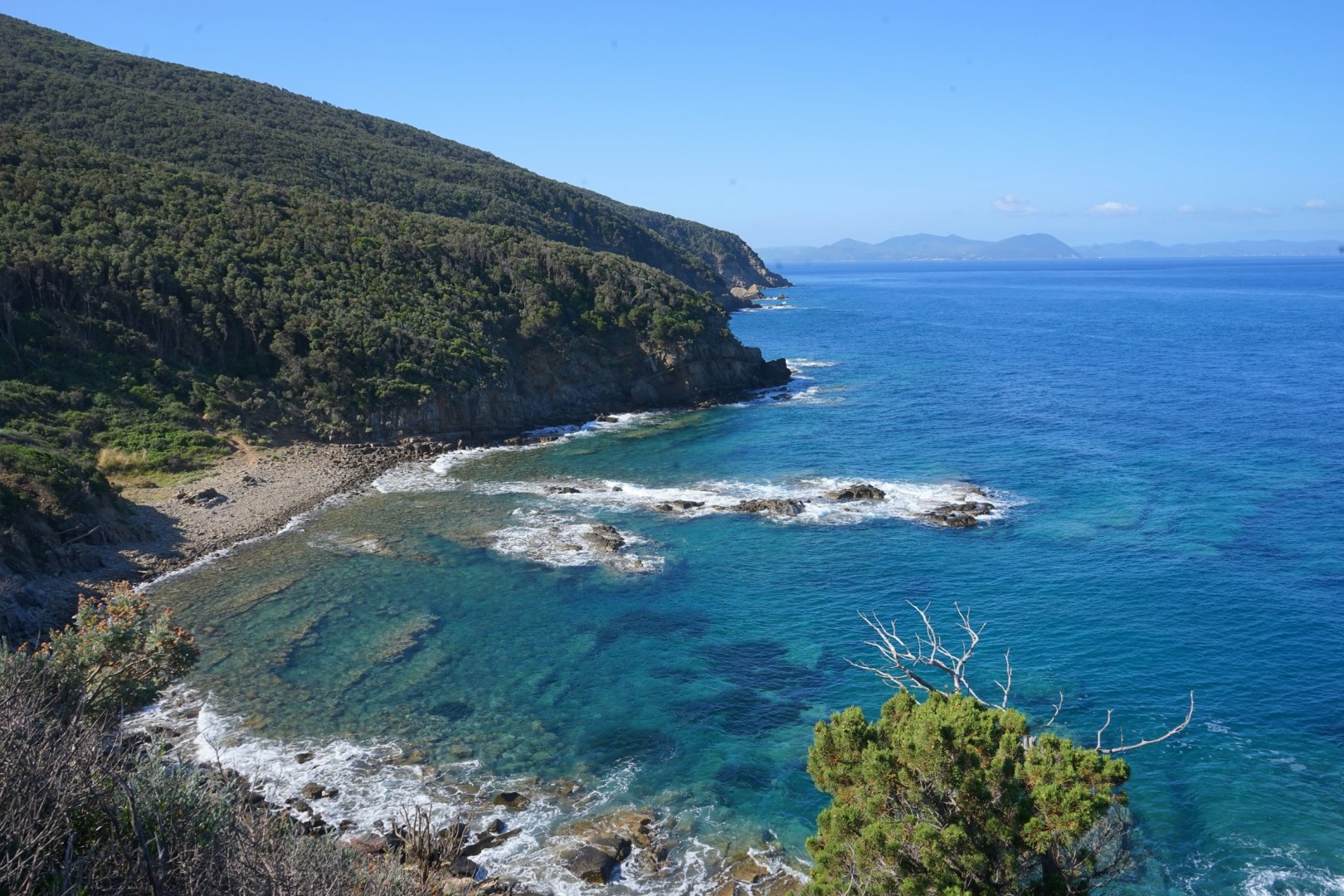
Piombino is a coastal city on a promontory in southern Tuscany, overlooking the Tyrrhenian Sea and the islands of the Tuscan Archipelago. Its position on the Etruscan Coast has shaped both its history and its modern identity, with a working port, maritime traditions, and access to beaches and protected coastal areas. The historic center occupies the older part of the promontory, where medieval and Renaissance buildings stand within sections of the former defensive walls.
Catembe
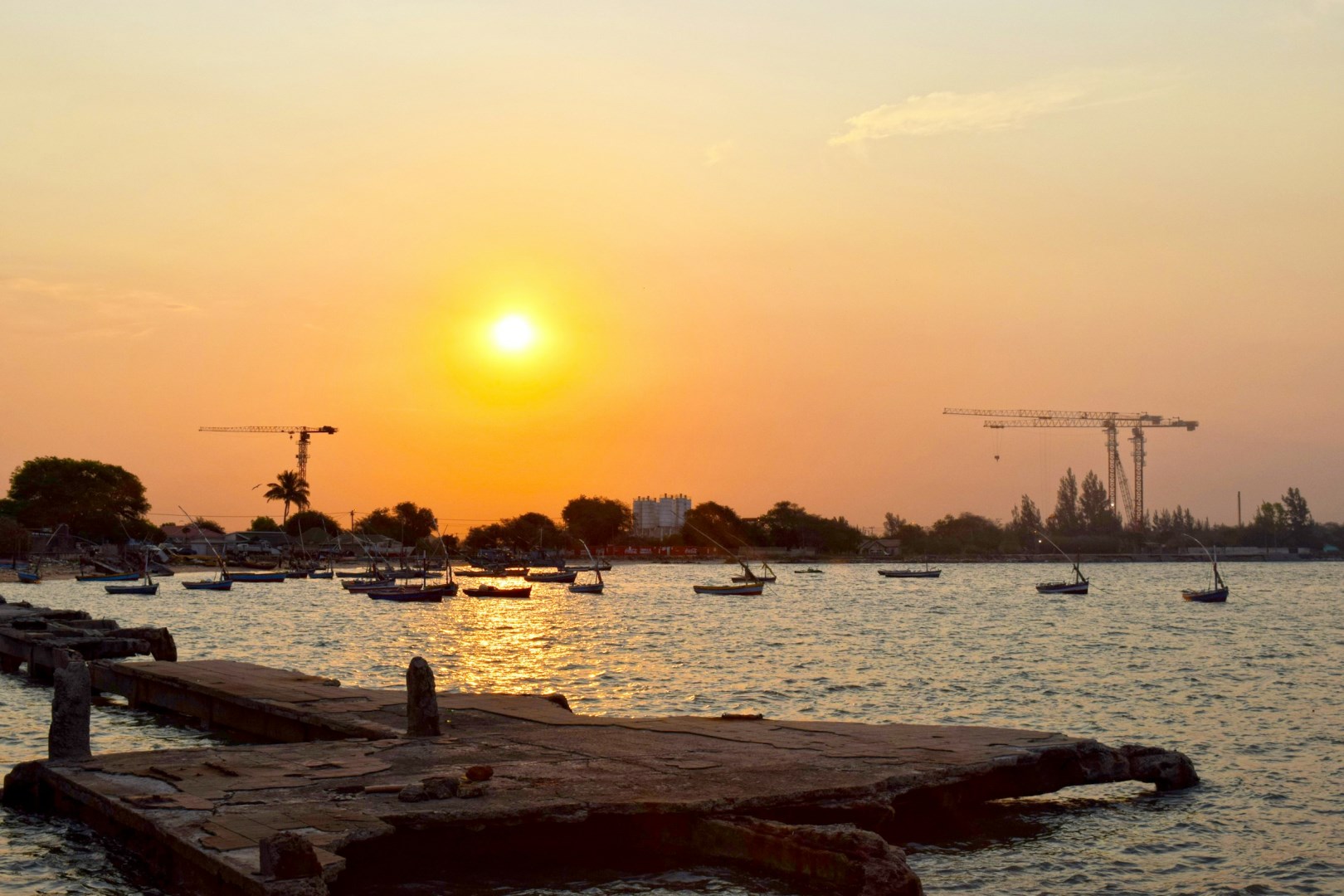
Catembe is a coastal district of Maputo, located on the southern shore of Maputo Bay directly across the water from central Maputo. Its landscape includes sandy beaches, low coastal vegetation, open land, and views across the bay toward the capital. The district has traditionally been a quieter counterpart to Maputo, with fishing, small-scale agriculture, and coastal activities forming part of local life.

Zanzibar
Zanzibar Island, off the coast of Tanzania, is a captivating destination where history and natural beauty converge. The island’s Stone Town, a UNESCO World Heritage Site, is a maze of narrow alleys, vibrant markets, and historical buildings. Wander through the bustling Darajani Market, where local spices, textiles, and crafts create a sensory feast.
