
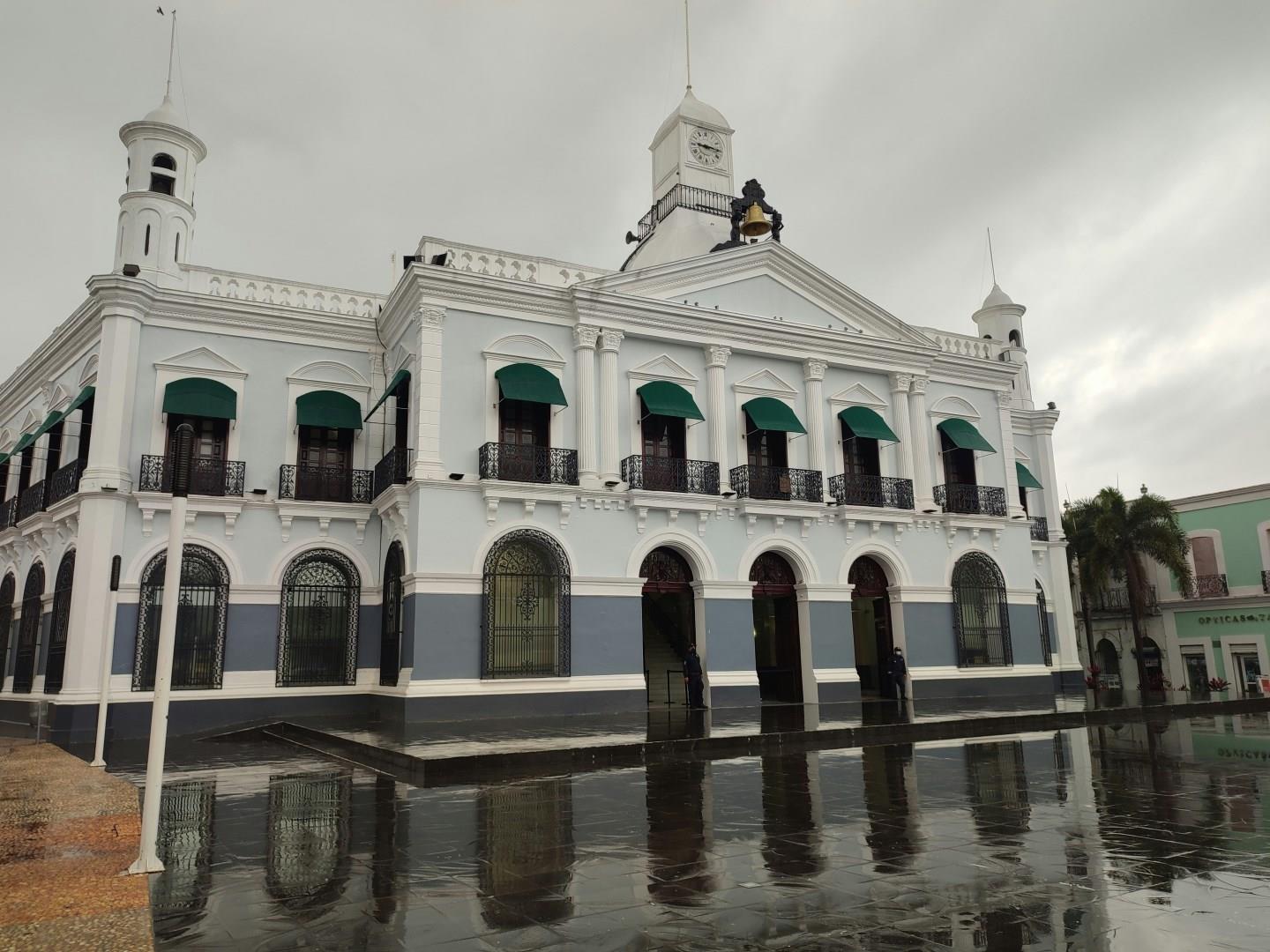
Villahermosa
Villahermosa, the capital of Tabasco, is a city where ancient civilizations, tropical landscapes, and modern life intersect. Known as the “gateway to the Mayan world,” the city sits on the banks of the Grijalva River and serves as a cultural hub for southeastern Mexico. One of its most unique attractions is Parque-Museo La Venta, an open-air museum that blends archaeology with a jungle setting.
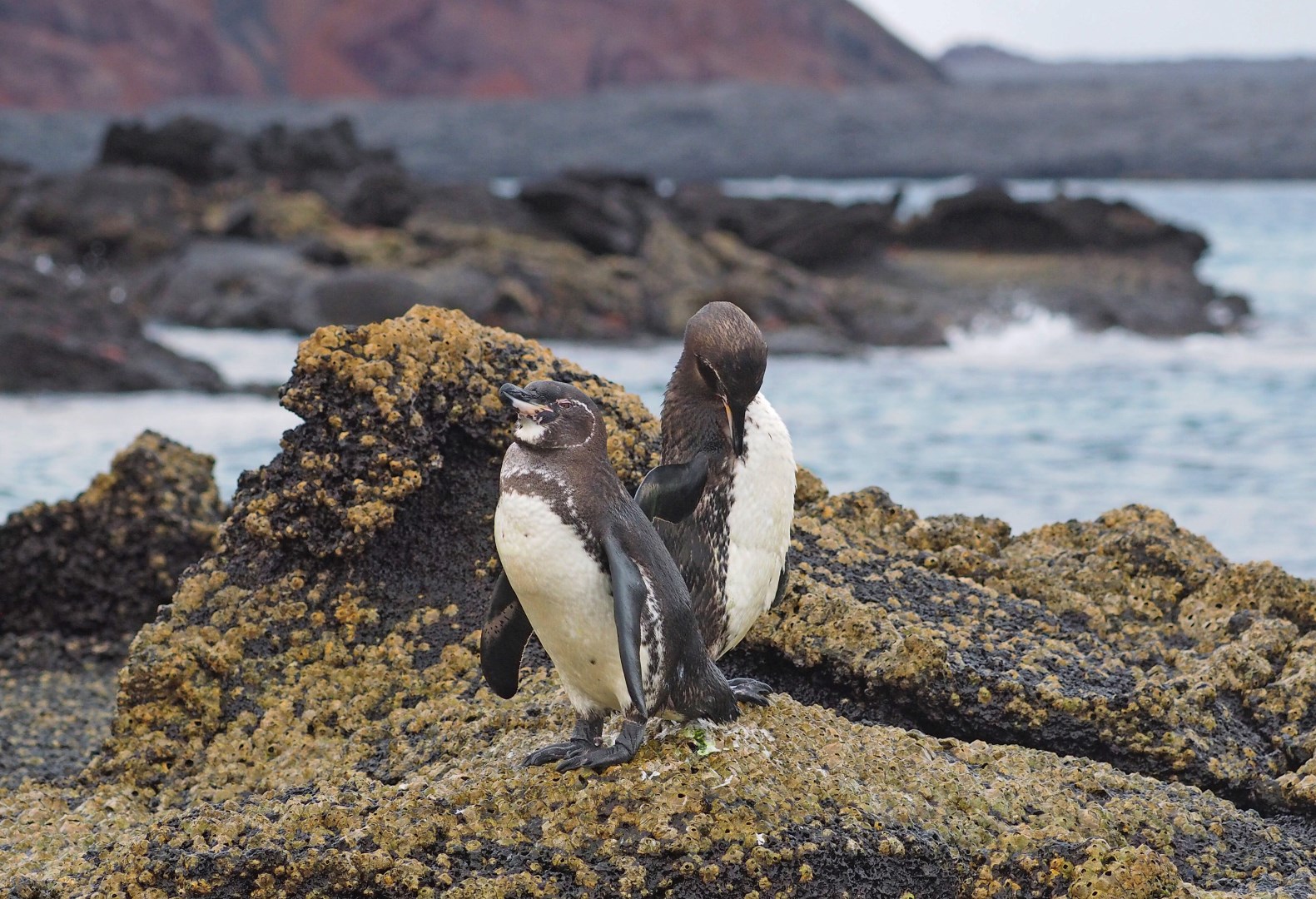
Fernandina Island
Besides being one of the largest and most remote of the Galapagos Islands, Fernandina Island is home to the area's most active volcano. It also boasts the most pristine ecosystem; unlike other islands in the Galapagos, Fernandina has thus far avoided the introduction of any non-native mammal species.
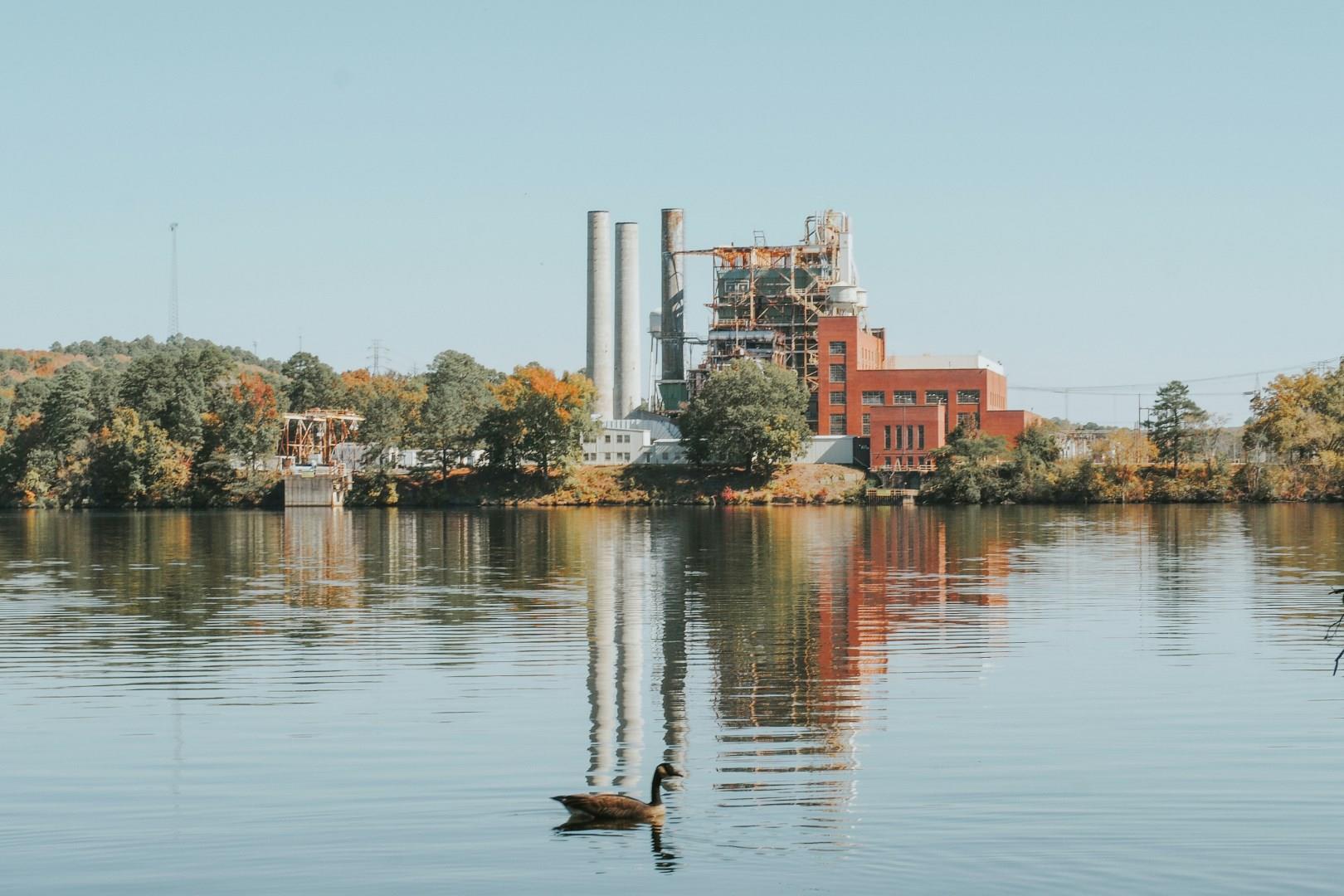
Hot Springs
Hot Springs, Arkansas has been drawing visitors for centuries, and it all starts with the water. The city sits atop a natural thermal spring system that produces nearly a million gallons of 143-degree water each day. These springs gave rise to Bathhouse Row, a stretch of eight historic bathhouses within Hot Springs National Park. Some, like the Fordyce Bathhouse, now serve as museums, while others still offer traditional thermal soaks.

Salzburg
Nestled in the foothills of the Eastern Alps, Salzburg, Austria, exudes a timeless charm that combines Baroque splendor, musical heritage, and breathtaking natural beauty. The city is famously known as the birthplace of Wolfgang Amadeus Mozart, one of the world's greatest composers. Visitors can immerse themselves in the life and works of Mozart by visiting his birthplace, now a museum, on Getreidegasse, a picturesque street lined with wrought-iron signs and colorful facades.
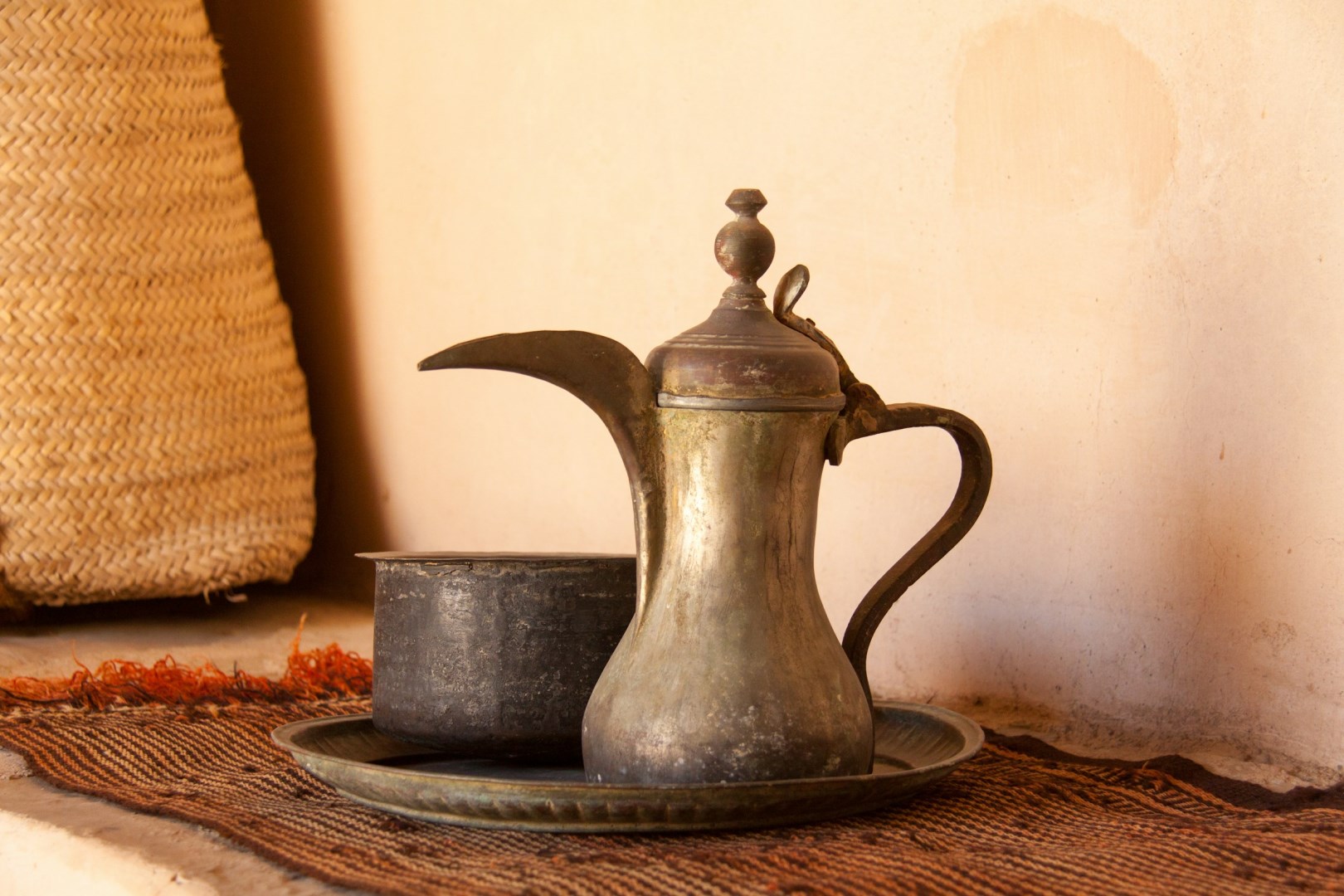
Sur
Sur is a coastal city in Oman's Al Sharqiyah South Governorate, facing the Arabian Sea along a coastline shaped by sheltered bays, rocky headlands, and fishing communities. The city is particularly known for its maritime heritage and traditional wooden dhow building, which remains an important part of its identity. Sur's harbor, whitewashed buildings, and coastal setting reflect its long connection with seafaring and trade.
