

Norwegian Sea
The Norwegian Sea, situated between Norway and the Arctic Ocean, offers a breathtaking adventure in one of Europe’s most rugged and enchanting regions. This body of water is bordered by Norway's western coastline, the Faroe Islands, and the northern reaches of Iceland, each contributing to its unique allure.
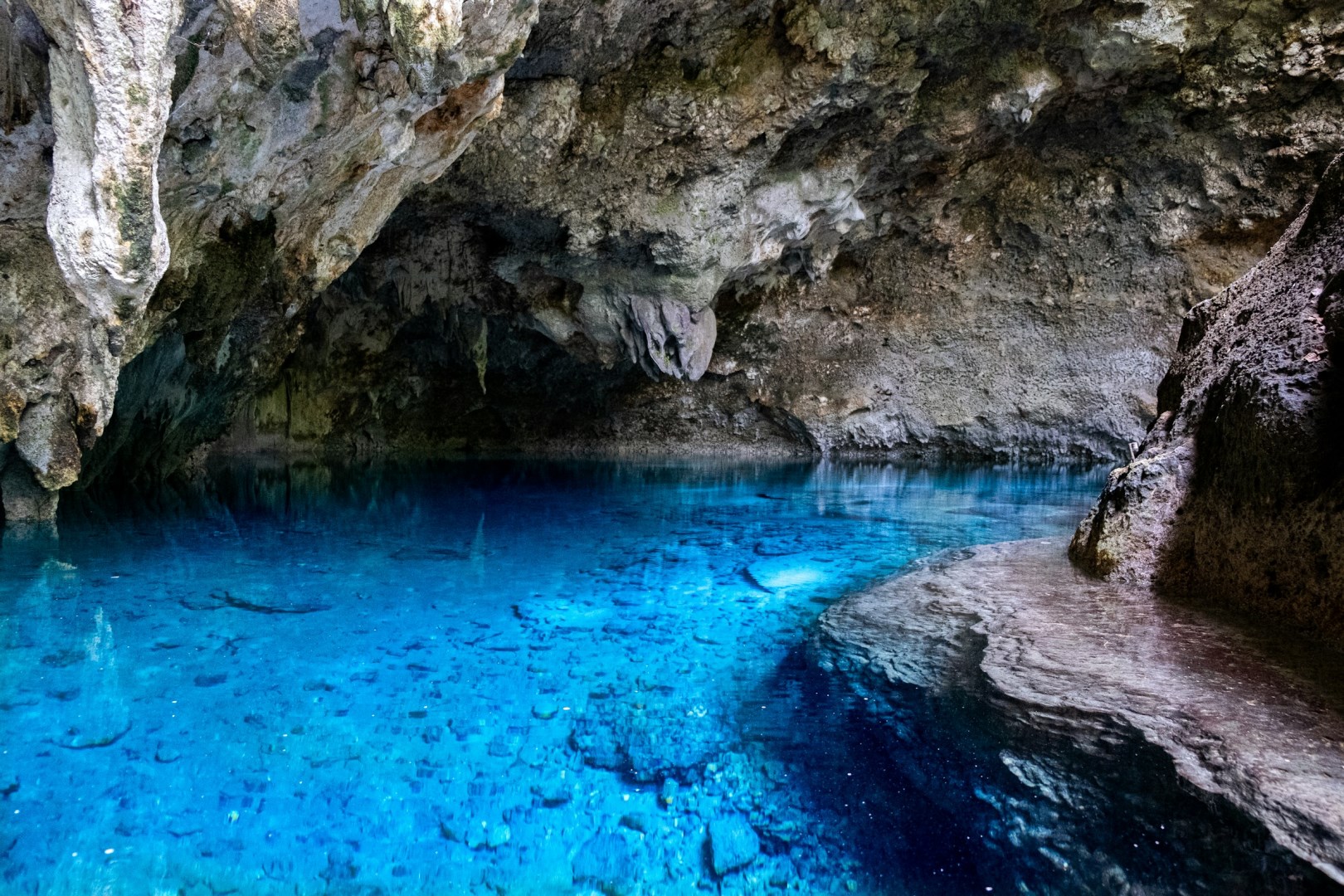
The Three Eyes
Los Tres Ojos (The Three Eyes) National Park is one of the most visited tourist attractions in the Dominican Republic. Made up of a cave system, there are four lakes within, each with their own features or traits.
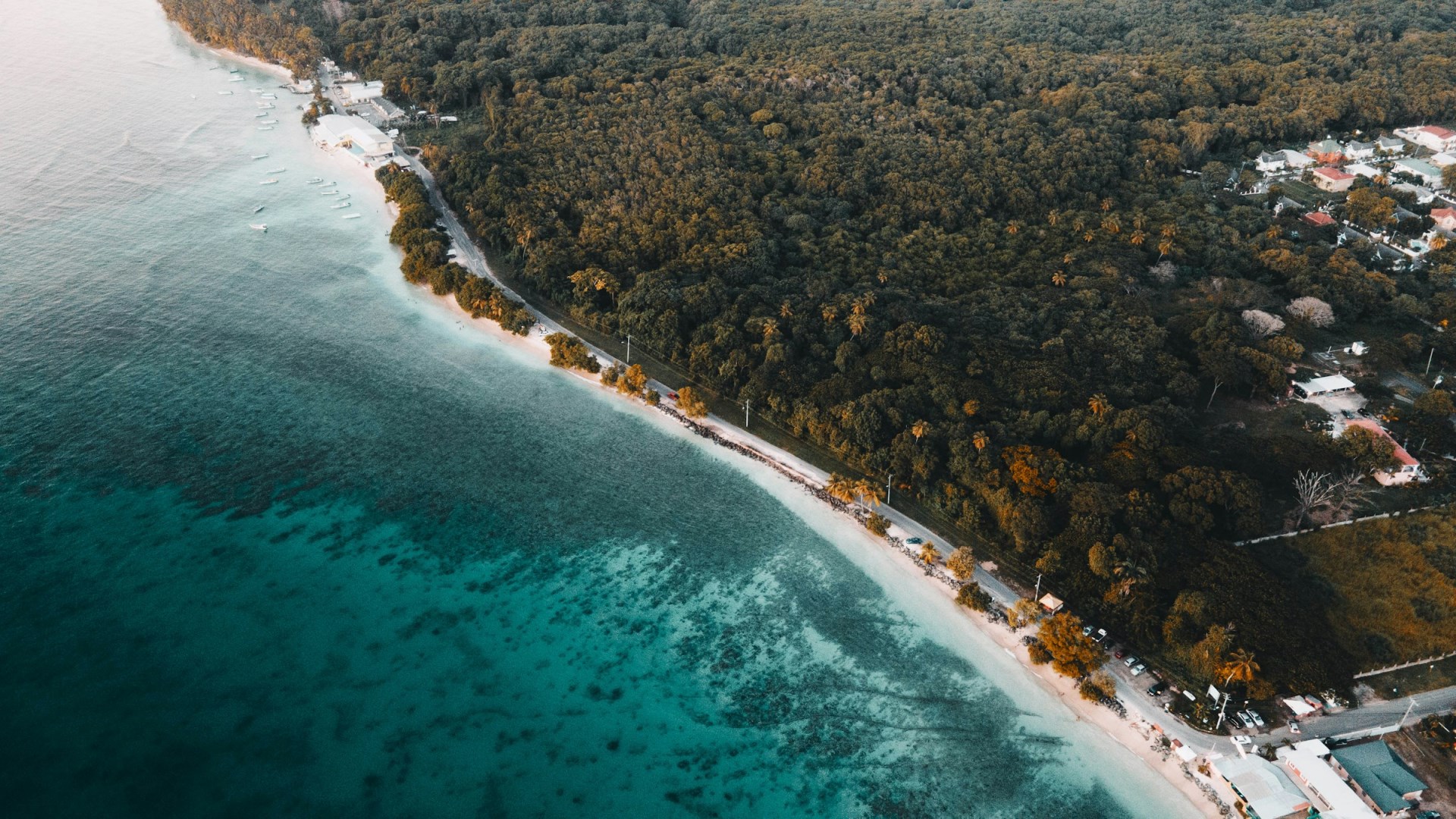
Crown Point
Crown Point is a coastal area at the southwestern tip of Tobago, known for sandy beaches, shallow Caribbean waters, and its proximity to the island’s main airport. The area sits between Store Bay and the shoreline around Pigeon Point, with low hills and tropical vegetation extending inland. Crown Point forms part of Tobago’s main visitor district, with hotels, guesthouses, restaurants, shops, and small businesses spread through the surrounding communities.
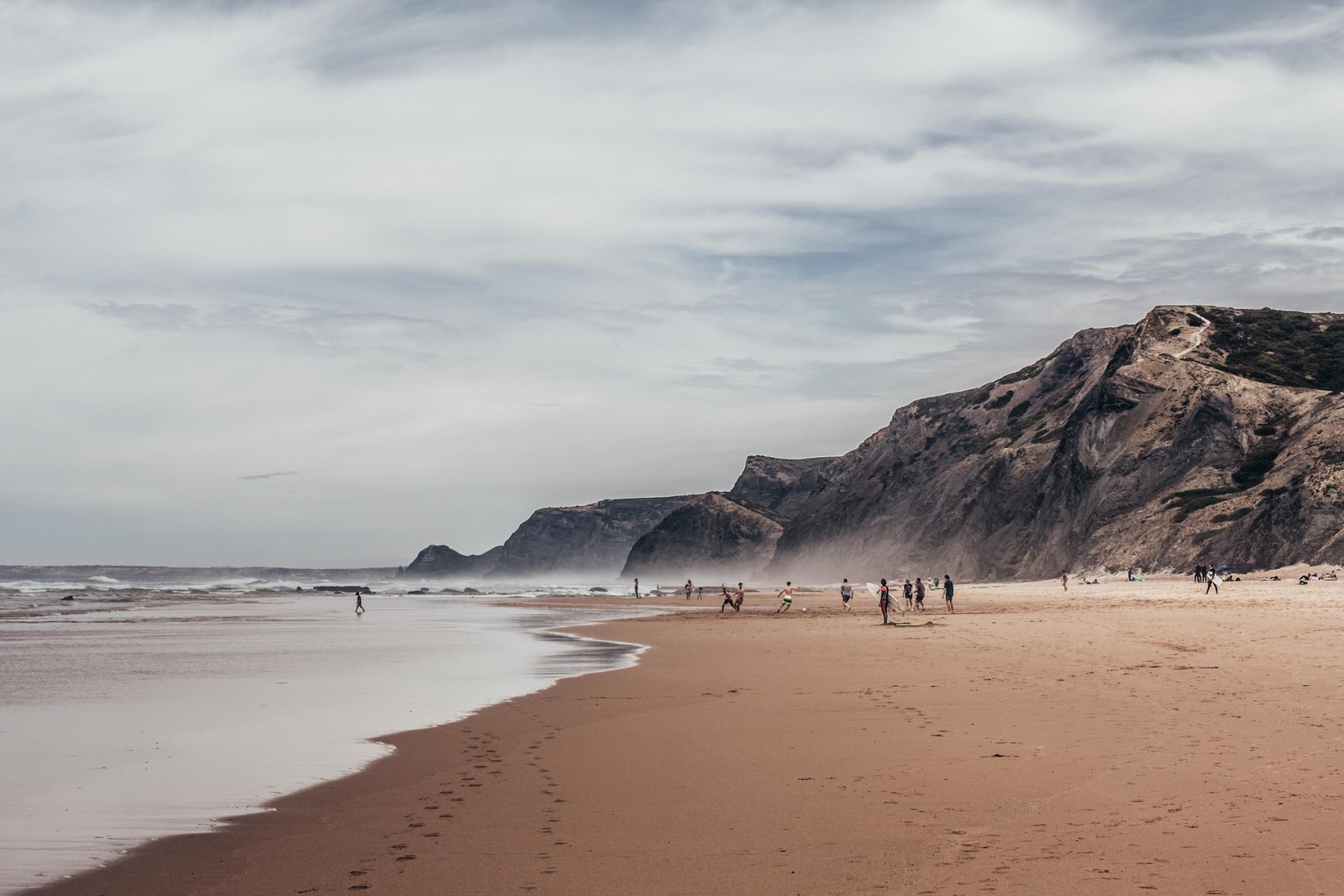
Faro
This is the most Moorish part of Portugal, the rich plain south of the Serra do Caldeirao, scalloped by the beaches and headlands of the Algarve. It is where, in early spring, blossoming almond trees carpet the still-brown hillsides with drifts of snow-like flowers, and the plain white facades of little houses are topped by intricately pierced chimneys that look like ice-cream cones.
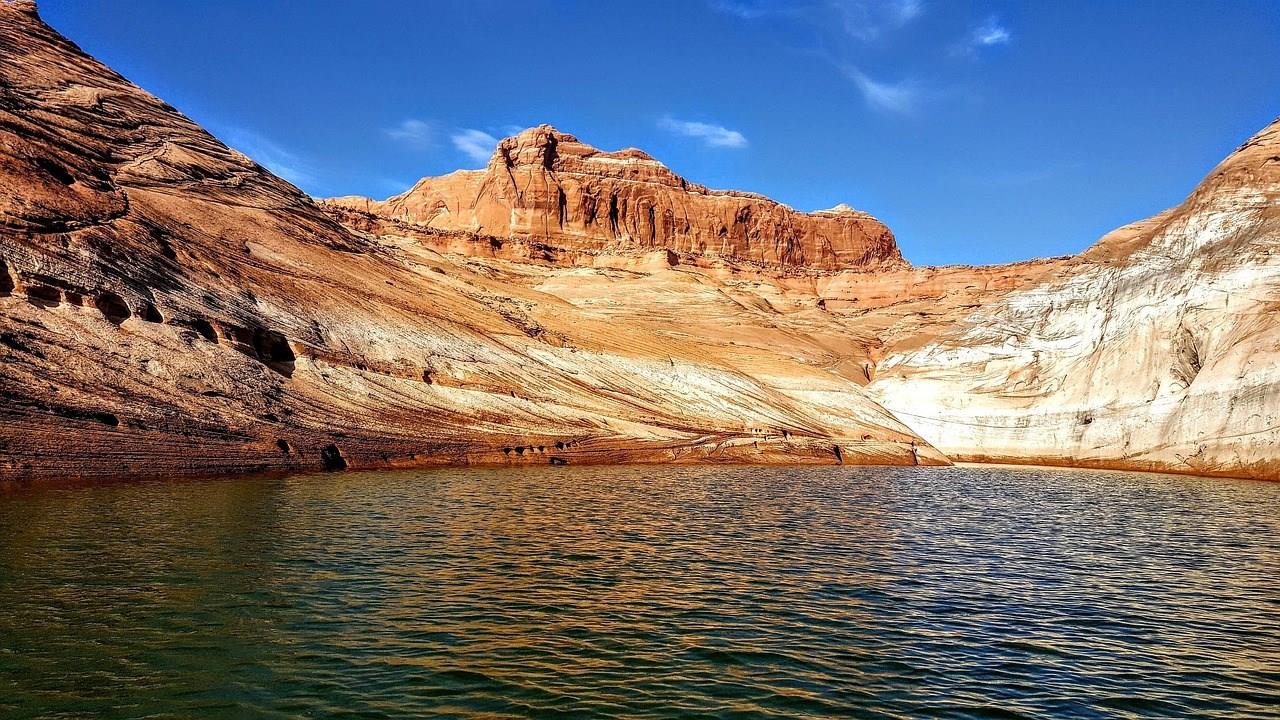
Lake Powell
Lake Powell, stretching across the Utah-Arizona border, is one of the largest manmade reservoirs in the United States. Formed by the flooding of Glen Canyon after the completion of the Glen Canyon Dam in 1963, it covers over 180 miles in length and contains nearly 2,000 miles of shoreline, more than the entire West Coast of the U.S. Despite its modern origins, the area has long been home to the Ancestral Puebloans and later Navajo communities.
