
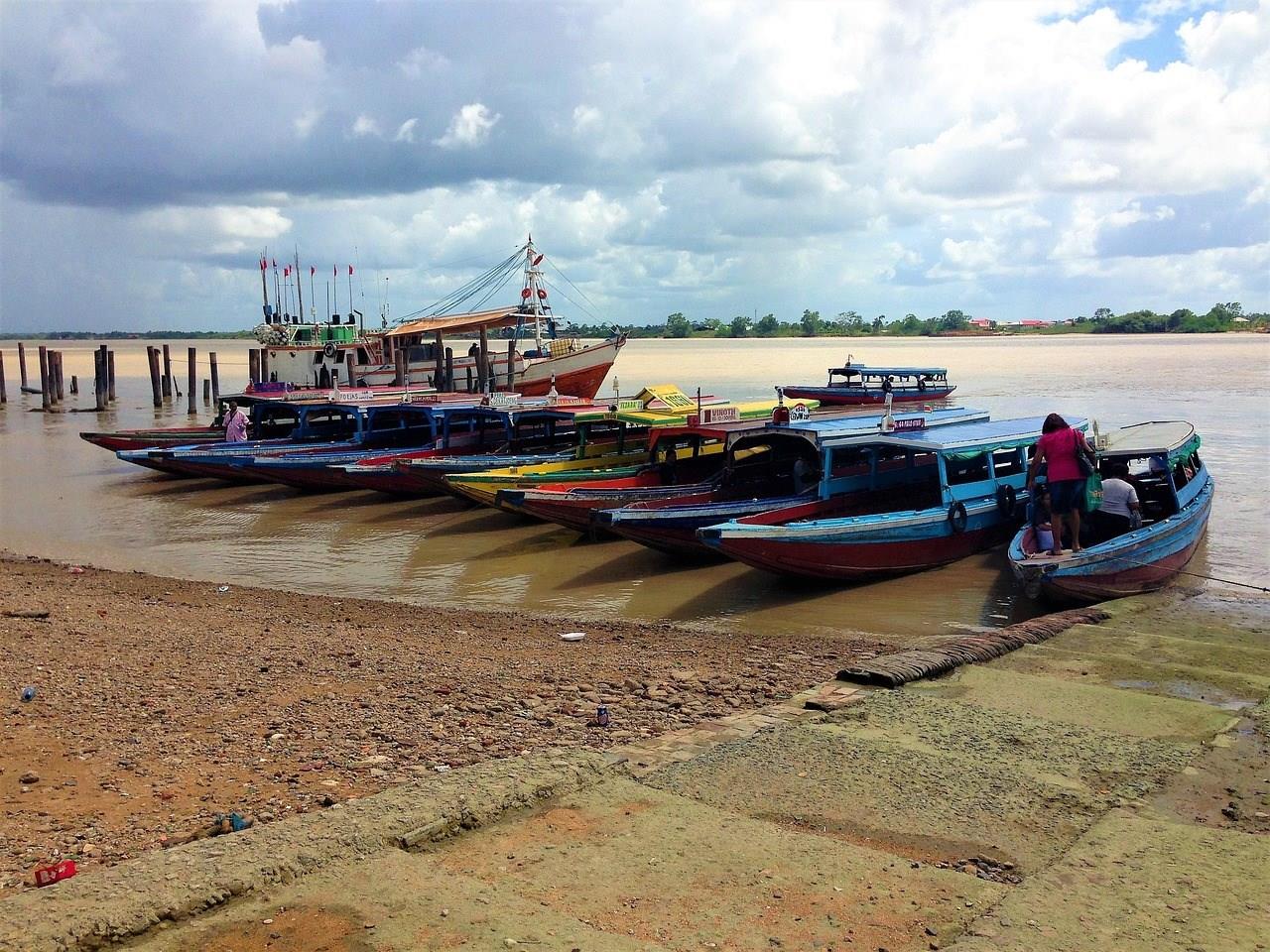
Paramaribo
Paramaribo, Suriname’s capital, unfolds like a living storybook along the Suriname River, where wooden structures from the 17th and 18th centuries still stand today. This historic heart reveals a rare fusion of Dutch design and local craftsmanship. Visitors can stroll the Waterkant, a riverside avenue, and take in landmarks such as Fort Zeelandia, the neoclassical Reformed Church, and the lofty wooden Cathedral of St. Peter and Paul.
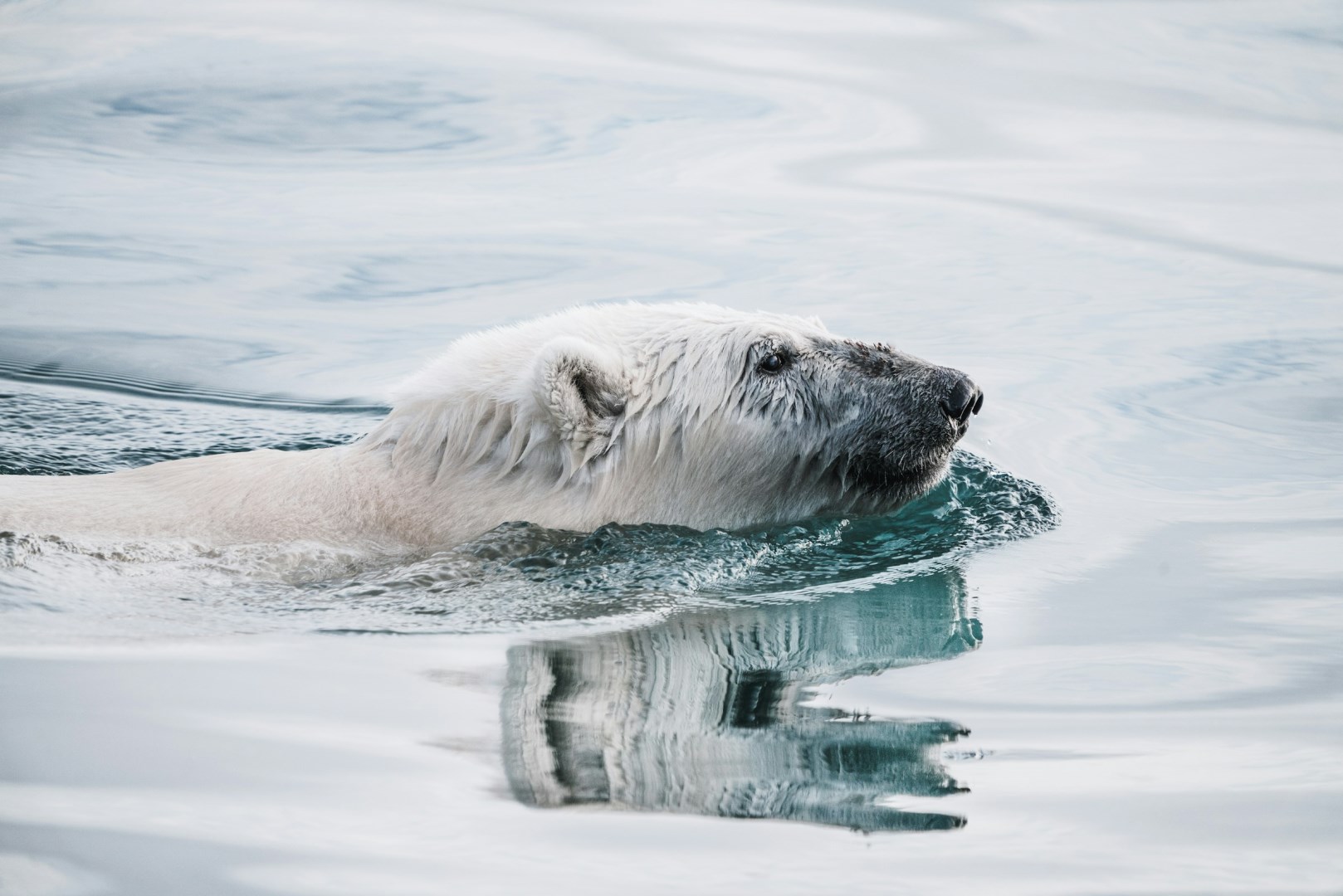
Scoresby Sund
Scoresby Sund (Kangertittivaq in Greenlandic), on the eastern coast of Greenland, is the largest and longest fjord system in the world. On the northern side of the fjord's mouth sits Ittoqqortoormiit, the only permanent settlement in the region and home to less than 500 residents. The region is well-known for its Arctic flora and fauna.
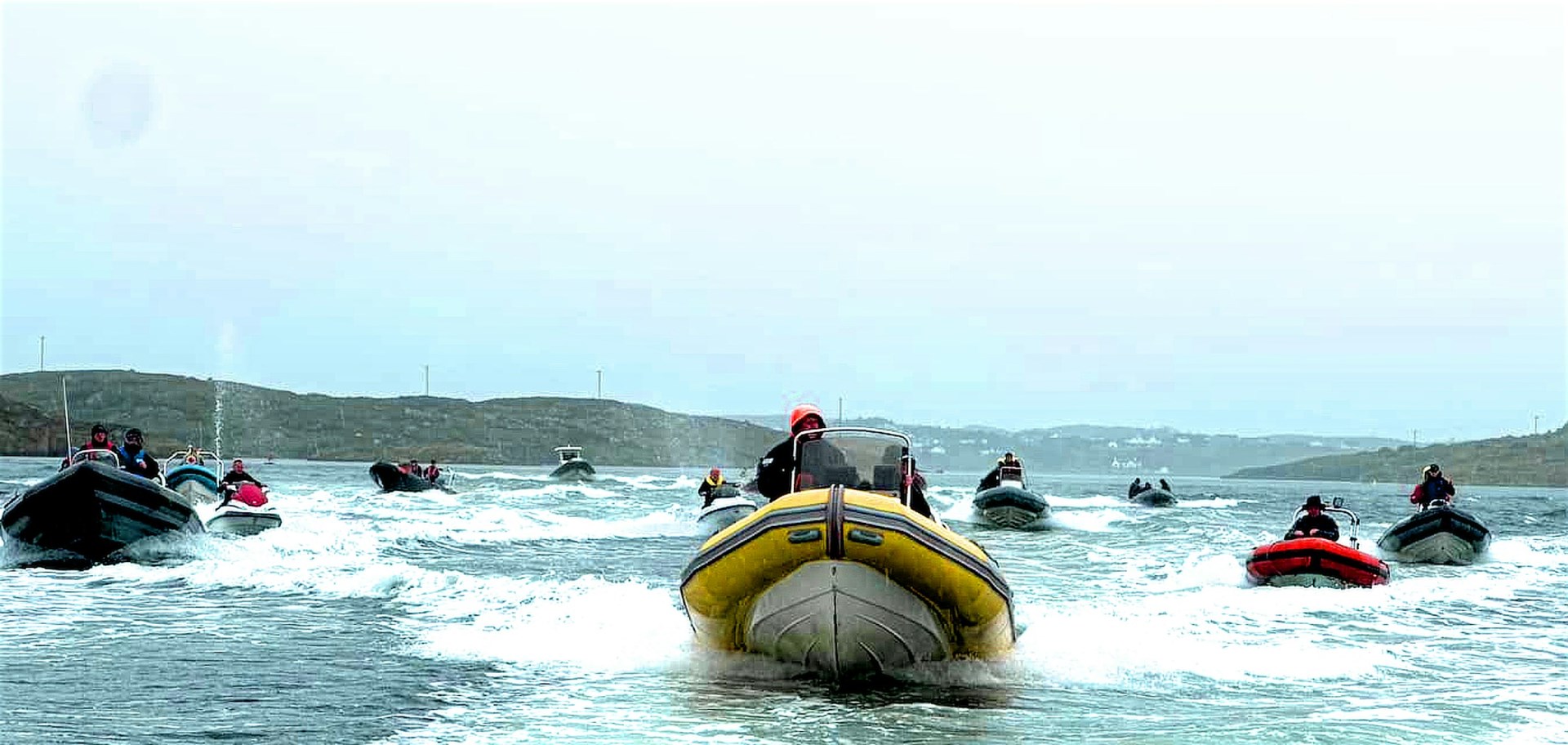
Killybegs
Killybegs is a coastal town in County Donegal, set around a deep natural harbor on the southwest coast. It is known primarily for its fishing industry and is one of Ireland’s principal fishing ports, with large vessels regularly using its sheltered waters. The harbor remains central to the town’s identity, while the surrounding Donegal coastline provides a setting of rocky headlands, coves, and open Atlantic views.
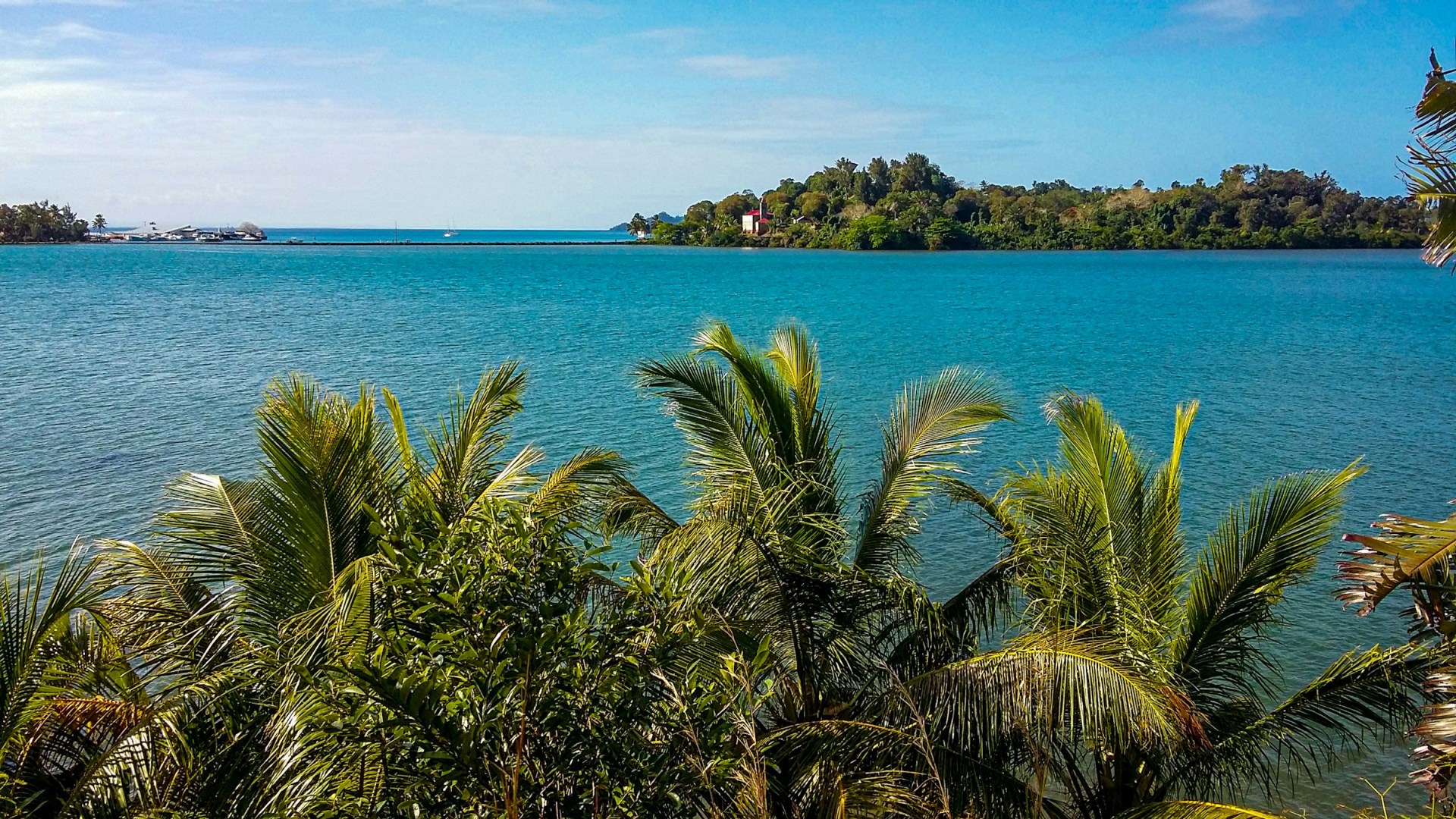
Nosy Boraha
Nosy Boraha, also known as Île Sainte-Marie, is a long, narrow island off Madagascar’s northeastern coast. Its sheltered position in the Indian Ocean gives it a landscape of sandy beaches, coconut palms, lagoons, small bays, and inland forests. The island is separated from mainland Madagascar by a channel that creates relatively calm coastal waters in many areas
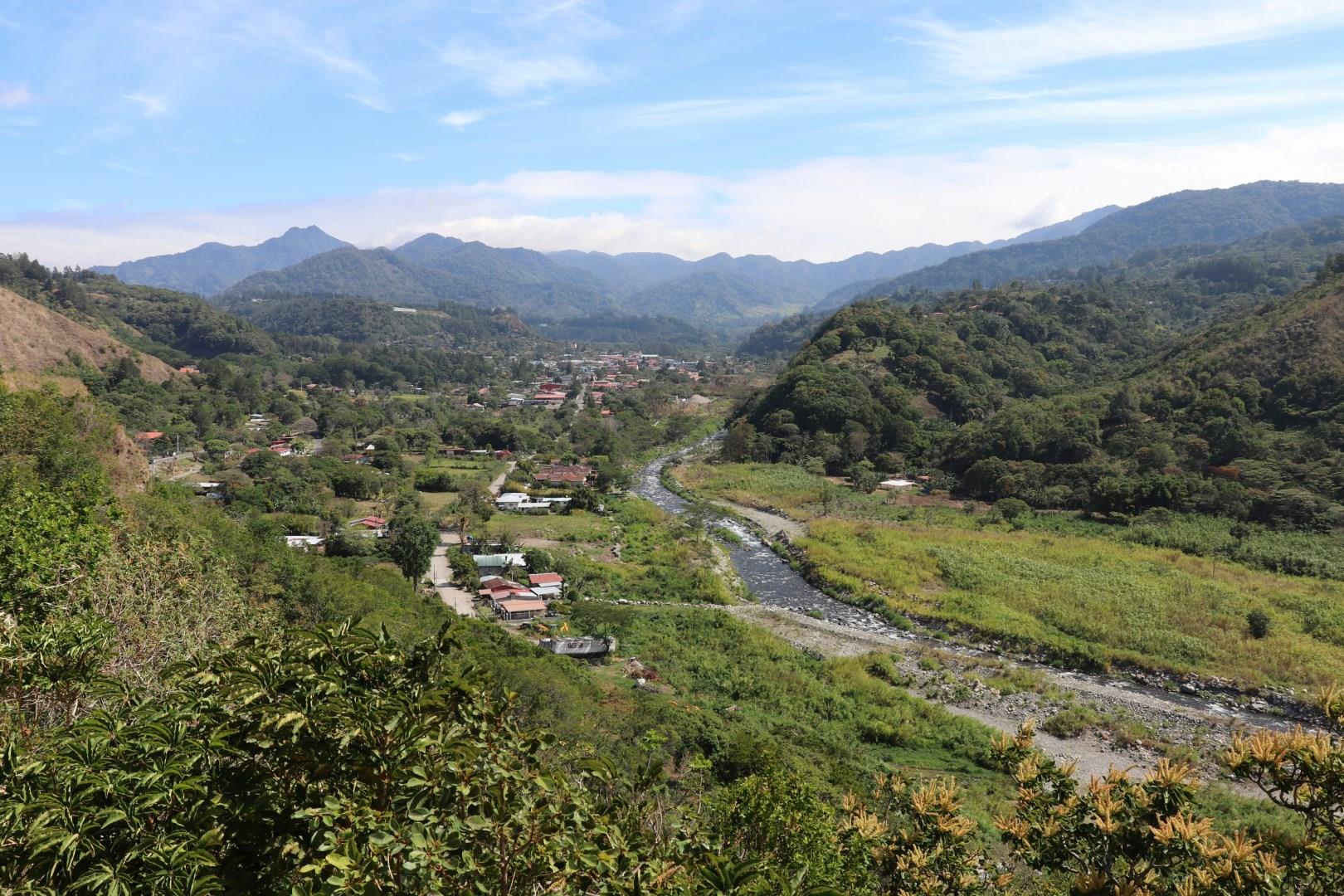
Chiriquí
Chiriquí, a province in western Panama, offers a striking variety of landscapes, from highland cloud forests to golden Pacific beaches. Bordered by Costa Rica to the west, it’s known for its rich agriculture, coffee plantations, and impressive volcano views. The capital city, David, serves as the main hub for travelers, but many of the region’s most memorable experiences are found in its rural towns, mountain valleys, and coastal areas.
