

Saudi Arabia
Saudi Arabia is revealing chapters long unseen by tourists. Al-Ula is home to Hegra, the first UNESCO World Heritage Site in the kingdom and hosts to ancient Nabatean tombs carved in sandstone cliffs. Nearby, the mirrored Maraya Concert Hall reflects the desert sky, its design both unexpected and elegant amid the sands. Visitors can wander through narrow canyons, step inside rock-hewn facades, and feel the weight of ancient civilizations still echoing across the dunes.
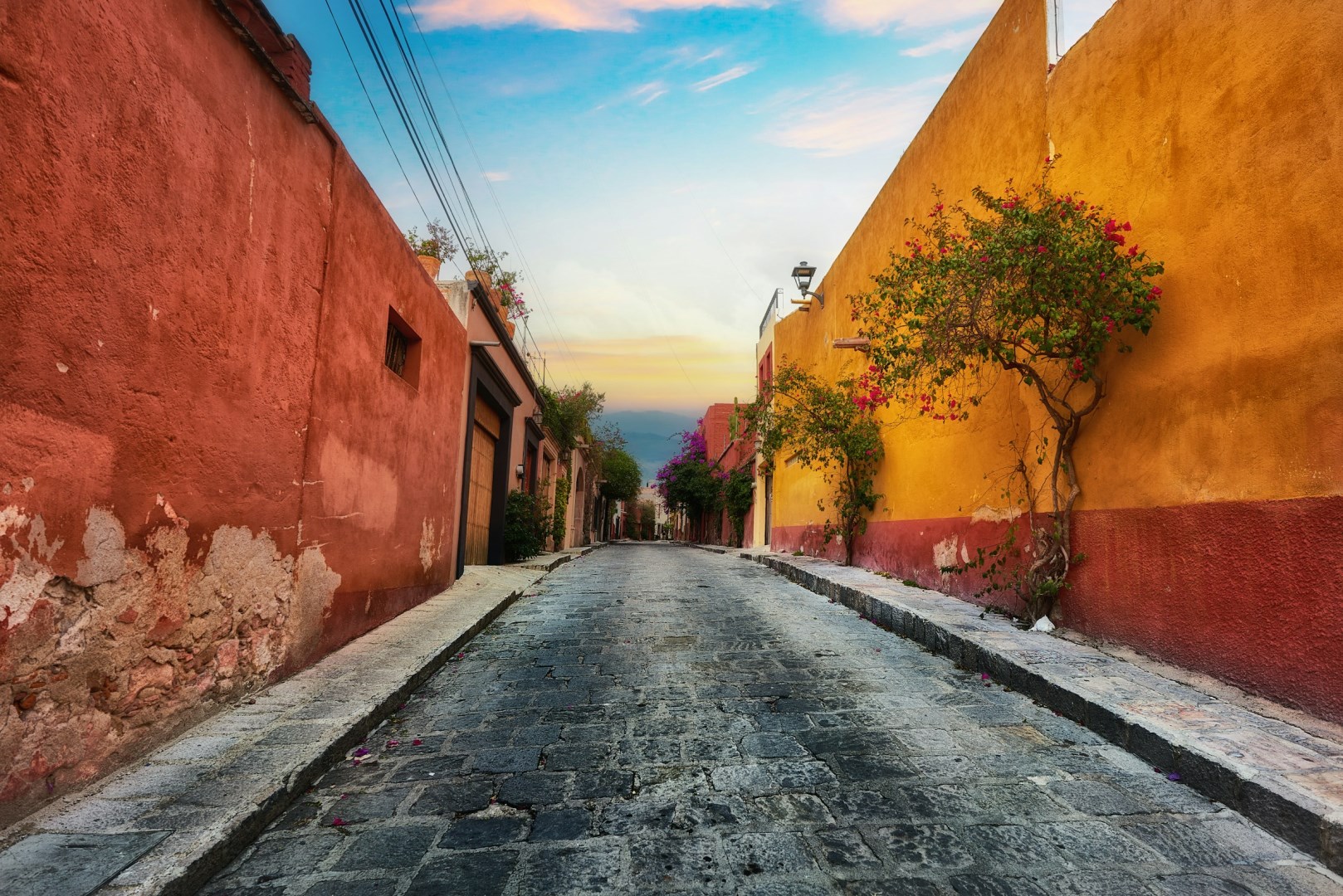
San Miguel de Allende
One of the most beautiful cities in the world, the cobblestone streets line the city center along with colonial Spanish-style architecture. San Miguel de Allende is also known for its thriving art scene, cultural festivals, and some of the most inventive cuisine in Mexico! There is so much to enjoy in this lesser-known gem of North America.

Manila
Manila is the capital of the Philippines and a densely built city on the eastern shore of Manila Bay. It serves as a major center for government, commerce, education, and the arts, while its neighborhoods reveal different layers of Filipino life. The Pasig River connects the city to the wider metropolitan area, and the waterfront remains an important part of its setting. Manila is especially known for Intramuros, the walled historic district at the heart of the city.

Malaysia
Located in Southeast Asia, Malaysia consists of two distinct regions—Peninsular Malaysia and Malaysian Borneo—each offering unique opportunities. With its stunning landscapes and world-class food scene, Malaysia offers an unforgettable travel experience.
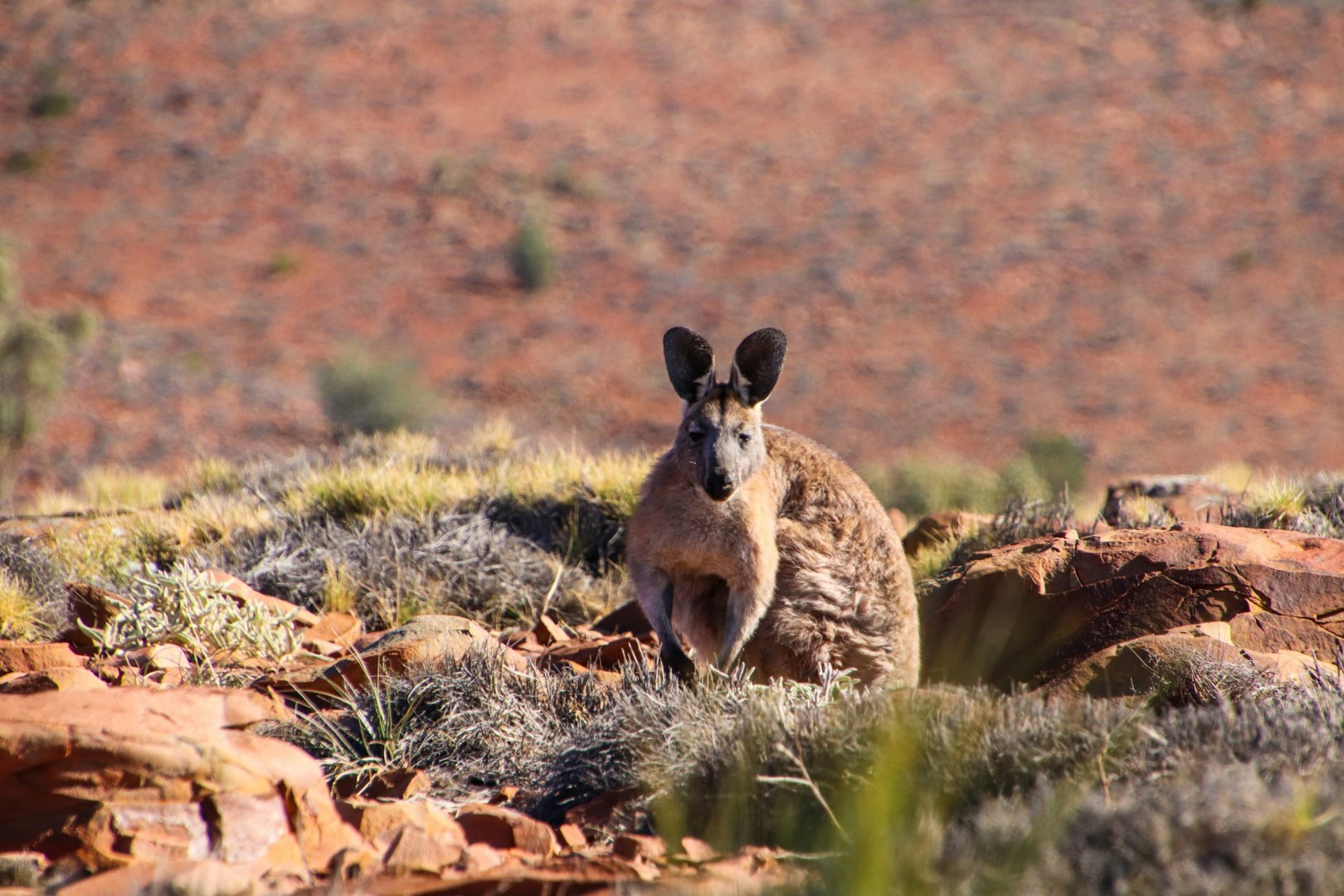
Ikara-Flinders Ranges National Park
Ikara-Flinders Ranges National Park lies in South Australia’s Flinders Ranges, covering about 95,000 hectares of rugged mountains, dry valleys, rocky gorges, and semi-arid plains. Its most recognizable feature is Ikara, also known as Wilpena Pound, a vast natural amphitheatre enclosed by quartzite ranges. The park also contains the Heysen Range and the Brachina and Bunyeroo gorges, creating a landscape shaped by erosion and exposed geological layers.
