
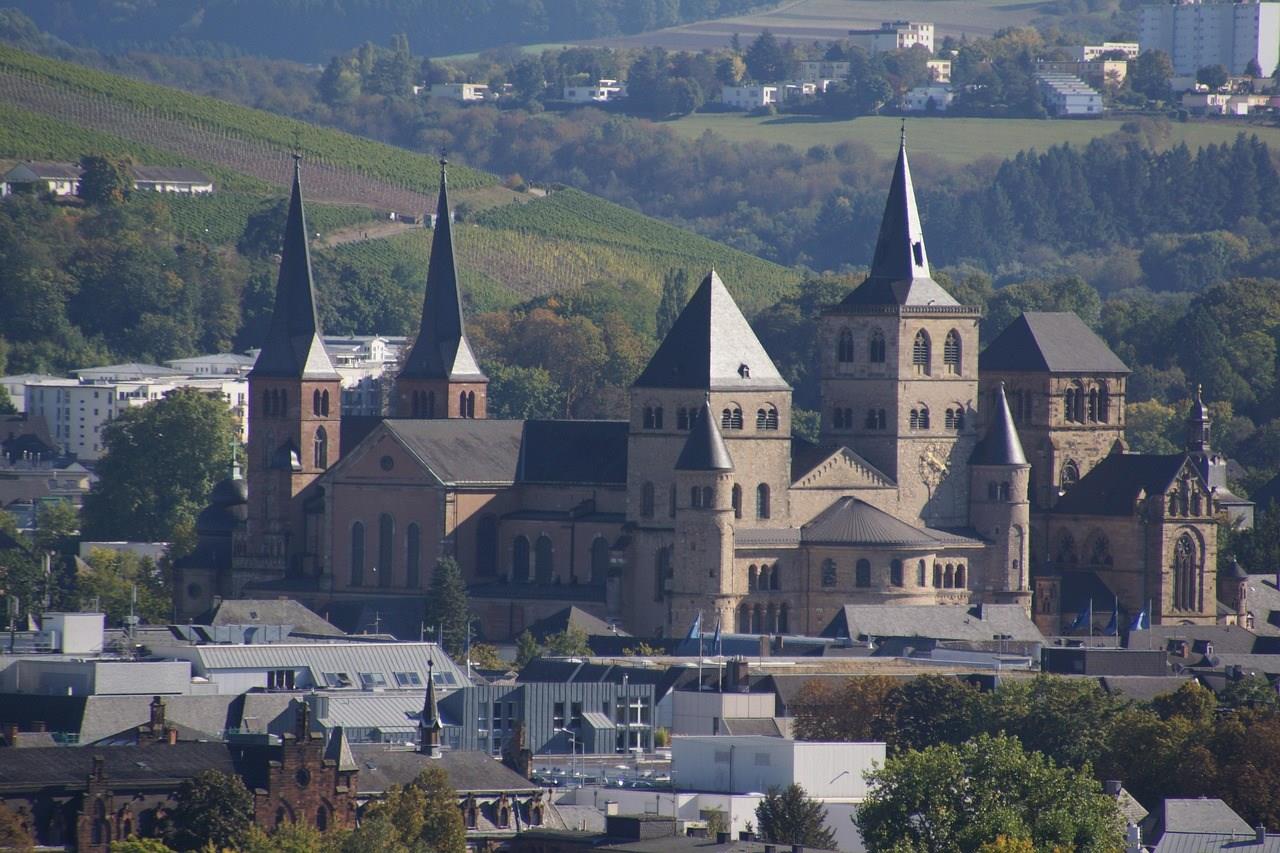
Trier
Trier, Germany’s oldest city, is a living museum nestled in the Moselle Valley, where Roman ruins rise beside medieval churches and bustling market squares. Founded by the Romans in 16 BCE, Trier was once known as “Roma Secunda,” the second Rome, and still boasts the largest collection of Roman architecture north of the Alps. The Trier Cathedral (Dom St. Peter), which is a UNESCO World Heritage Site, is the oldest church in Germany and houses a relic said to be the Holy Robe of Christ.
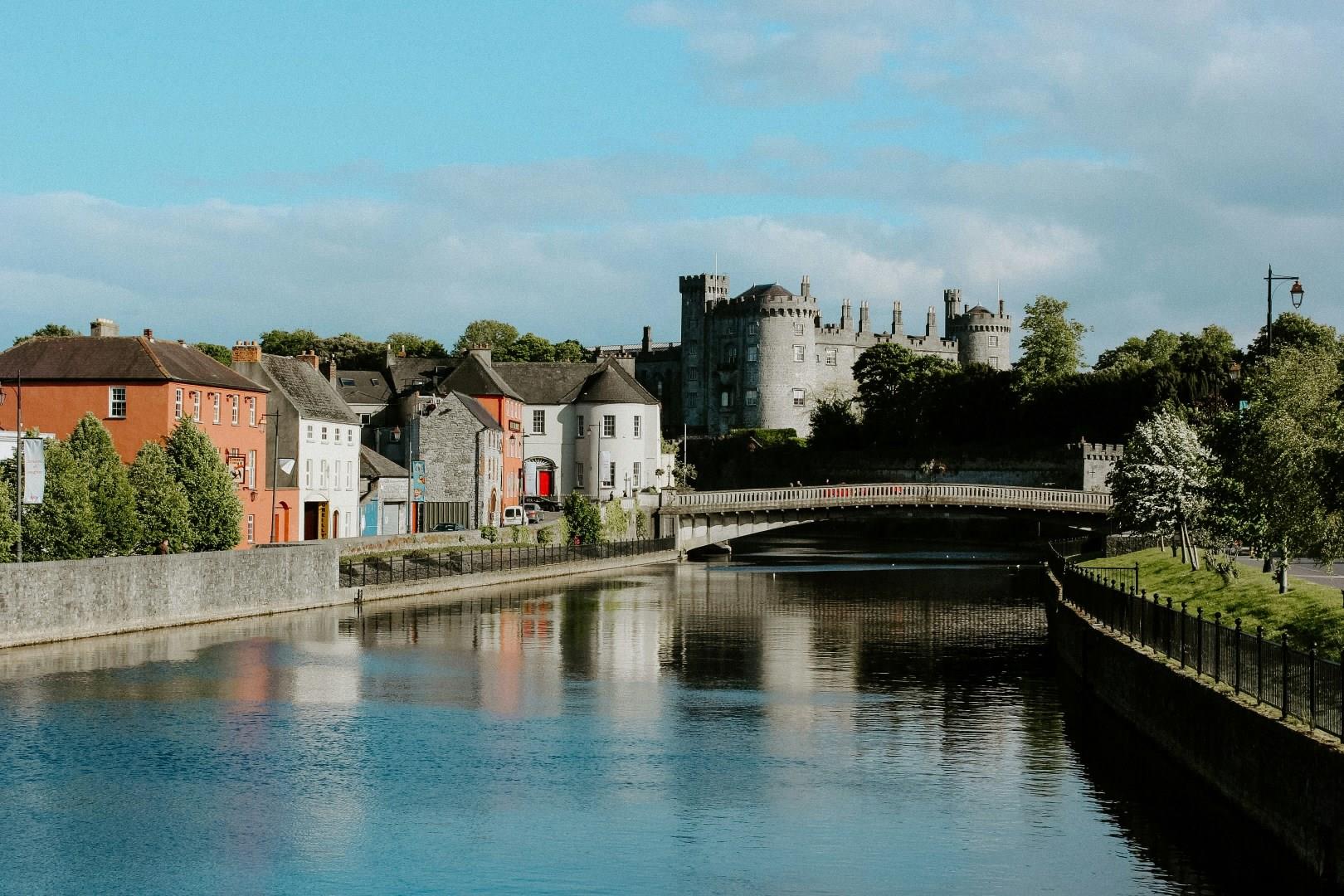
Kilkenny
Kilkenny is a city where history sits beside everyday life, and stories from centuries past shape the streets visitors walk today. At its heart stands Kilkenny Castle, first built in the 12th century and home to the Butler family for more than 600 years. From here, the Medieval Mile creates a natural path through the city, linking key sites such as St. Canice’s Cathedral. Its round tower, one of the few in Ireland still open to climb, rewards visitors with wide views across the rooftops.
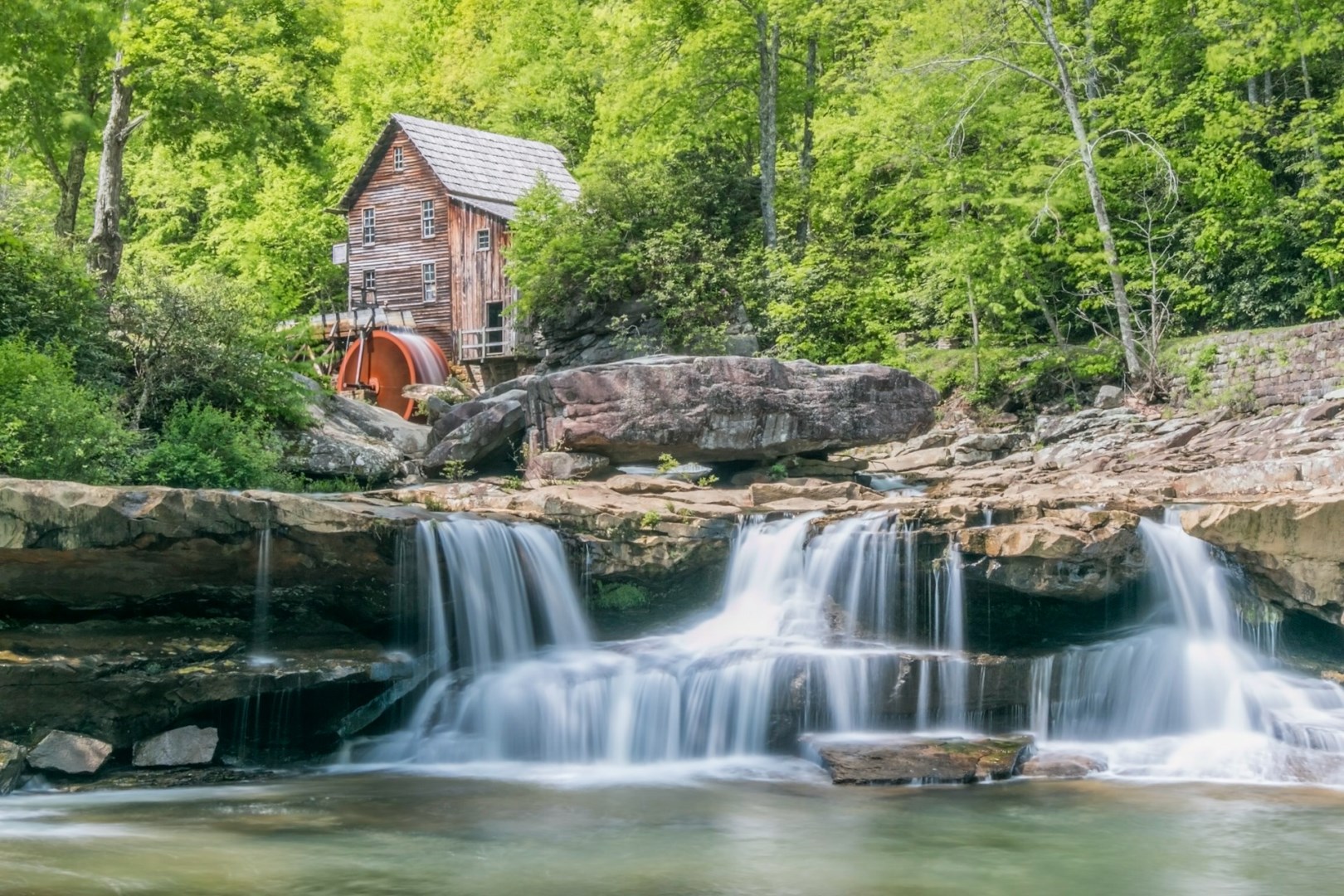
West Virginia
West Virginia offers a travel experience shaped by mountain traditions, surprising culinary finds, and deep historical roots. Today, towns like Harpers Ferry preserve that legacy. Perched at the confluence of the Potomac and Shenandoah rivers, Harpers Ferry feels like a living museum with 19th-century buildings, historical reenactments, and trails that lead directly into the Appalachian Mountains.
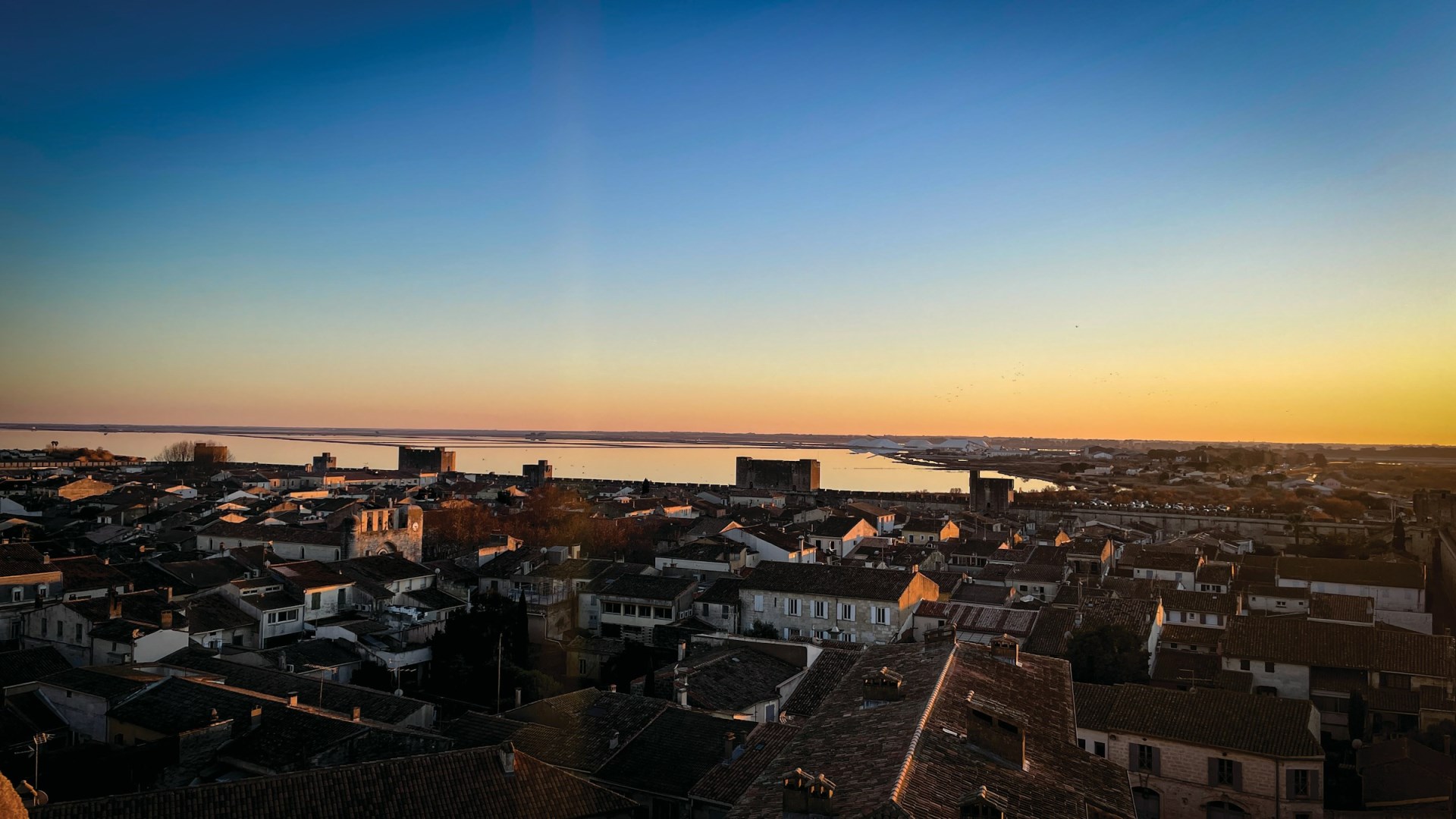
Aigues-Mortes
Aigues-Mortes is a fortified medieval town in the Camargue gardoise of southern France, surrounded by salt marshes, lagoons, and flat coastal plains. Its remarkably preserved stone walls enclose a compact historic centre of narrow streets, small squares, cafés, and historic buildings. The town's name means “dead waters,” reflecting the marshy landscape around it.
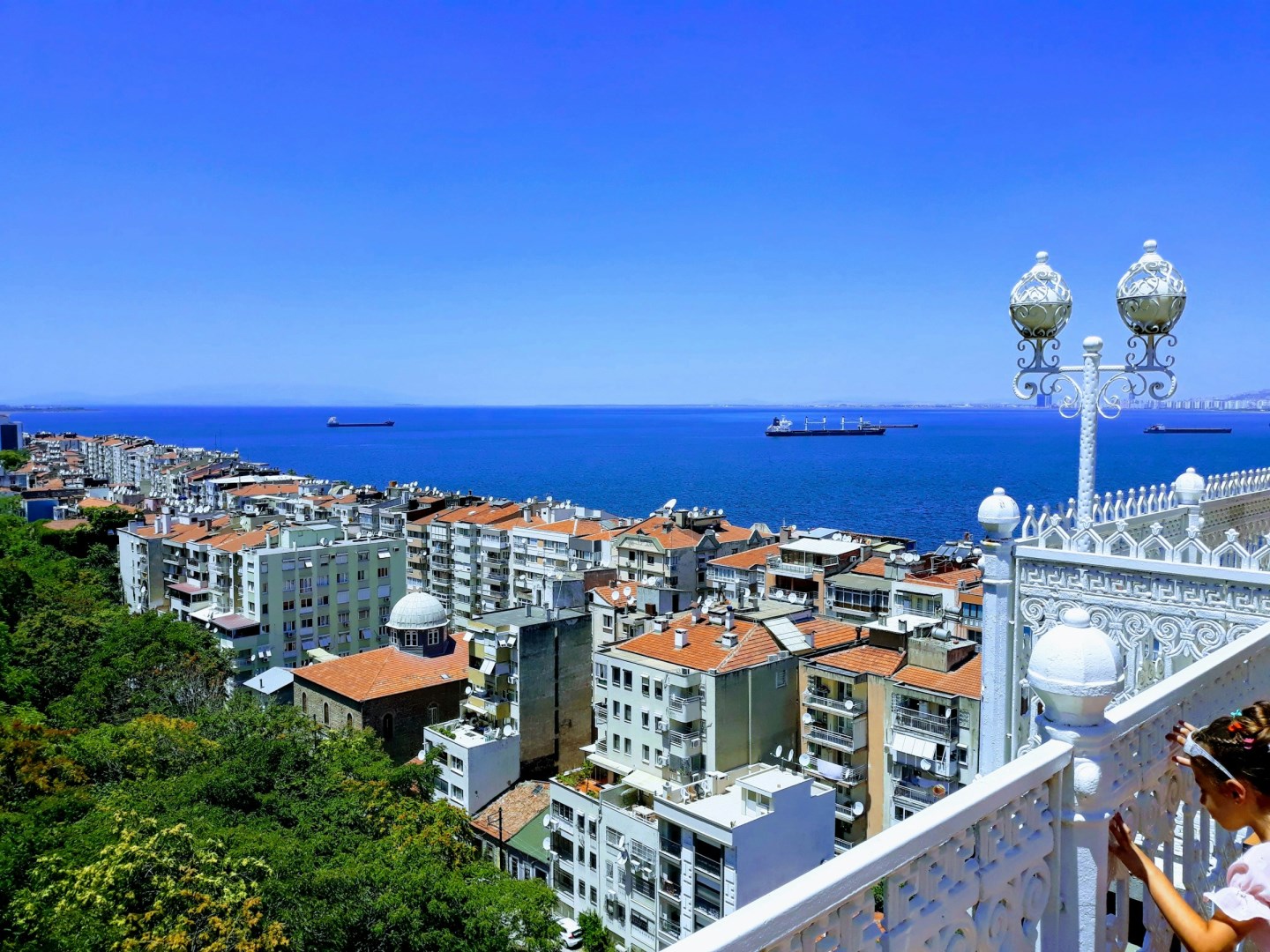
Izmir
The third largest city in Turkey, a cosmopolitan and lively city all year round, during the International Arts Festival (June/July) and the international Fair (August/September), Izmir bursts with an added vibrancy.
