

Aitutaki
Aitutaki is the second most visited of the magical Cook Islands and is recommended as a "must see" extension of any Rarotonga holiday. This is a place of great natural beauty and tranquility, where crystal clear waters and swaying palms provide a simple tonic to sooth away the pressures of the outside world.
Twyfelfontein
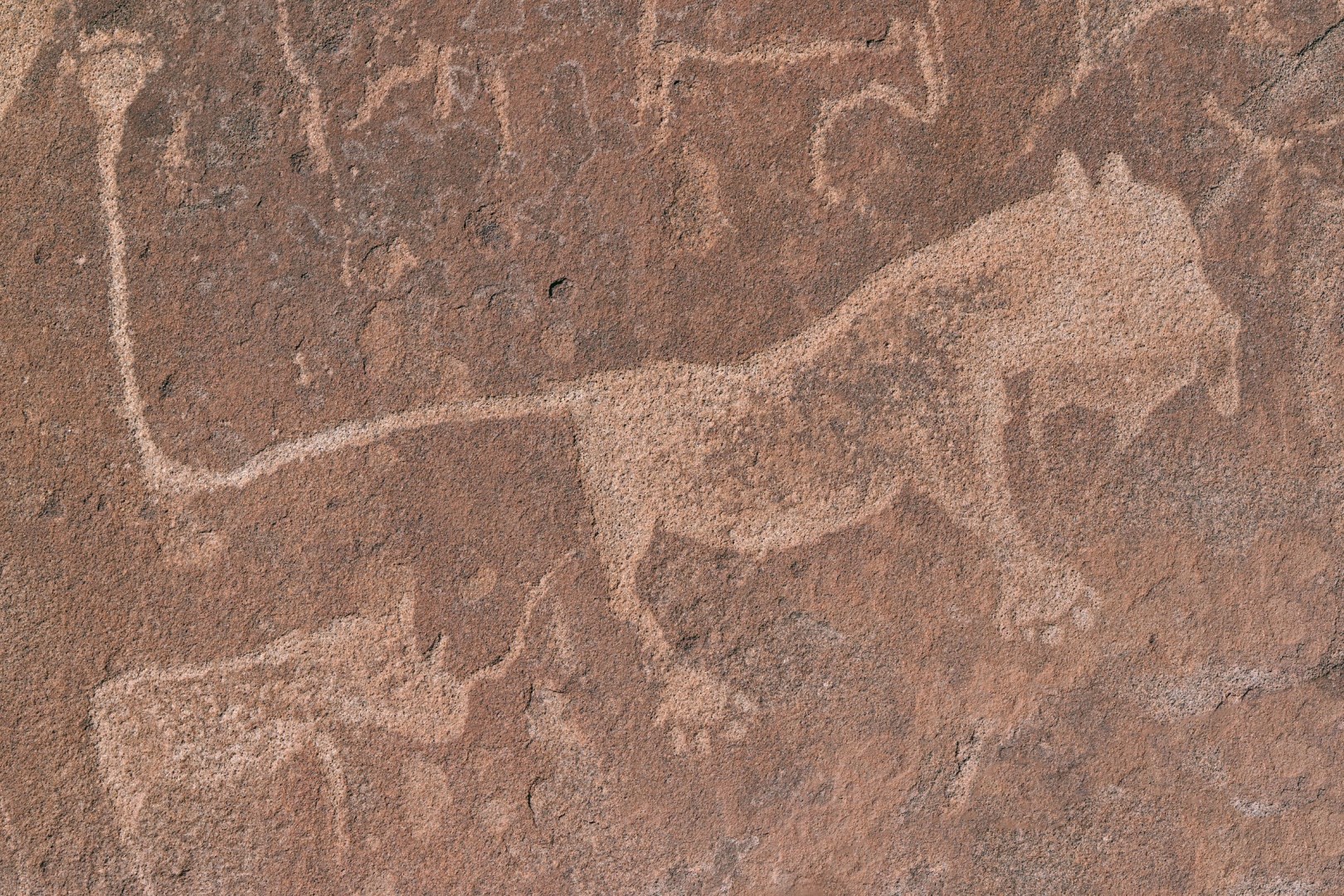
Twyfelfontein is a cultural heritage site in the rugged Damaraland region of northwestern Namibia, known for one of Africa’s largest concentrations of ancient rock engravings. The site lies among sandstone cliffs, dry valleys, and open plains where water is scarce and vegetation is adapted to arid conditions. Twyfelfontein or /Ui-//aes is recognized as a UNESCO World Heritage Site because of its extensive collection of engravings and painted rock shelters

Uluru-Kata Tjuta National Park
Uluru-Kata Tjuta National Park, national park in the Northern Territory, Australia, in the arid center of the continent, southwest of Alice Springs. The area was established as Ayers Rock/Mount Olga National Park in 1958 and renamed Uluru National Park in 1977.
Brest
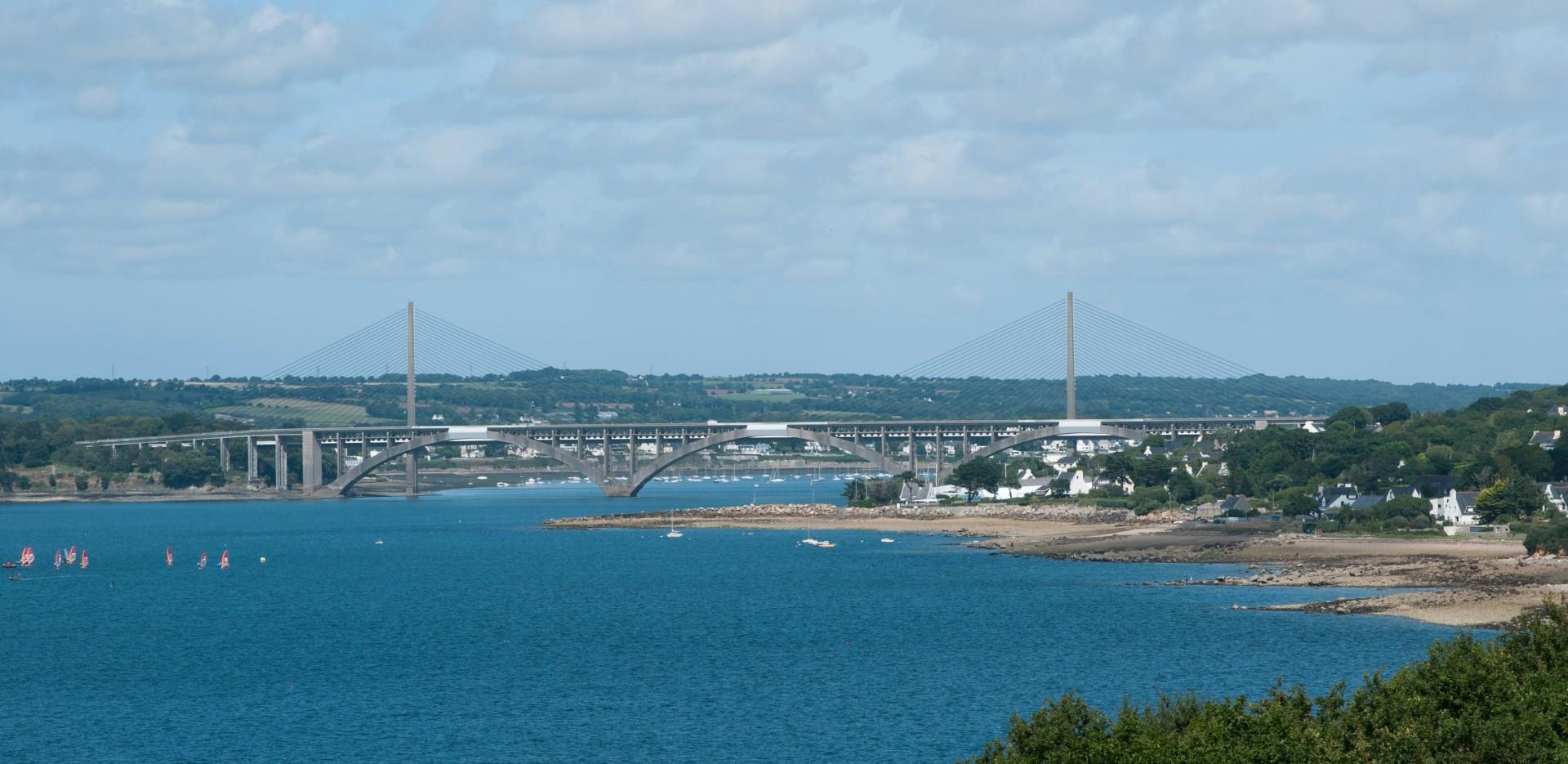
Brest sits at the western edge of Brittany, facing the Atlantic and shaped by its role as a strategic naval port. Much of the city was rebuilt after World War II, giving it a modern layout that contrasts with older Breton towns, yet its history remains closely tied to the sea.
Nakhal
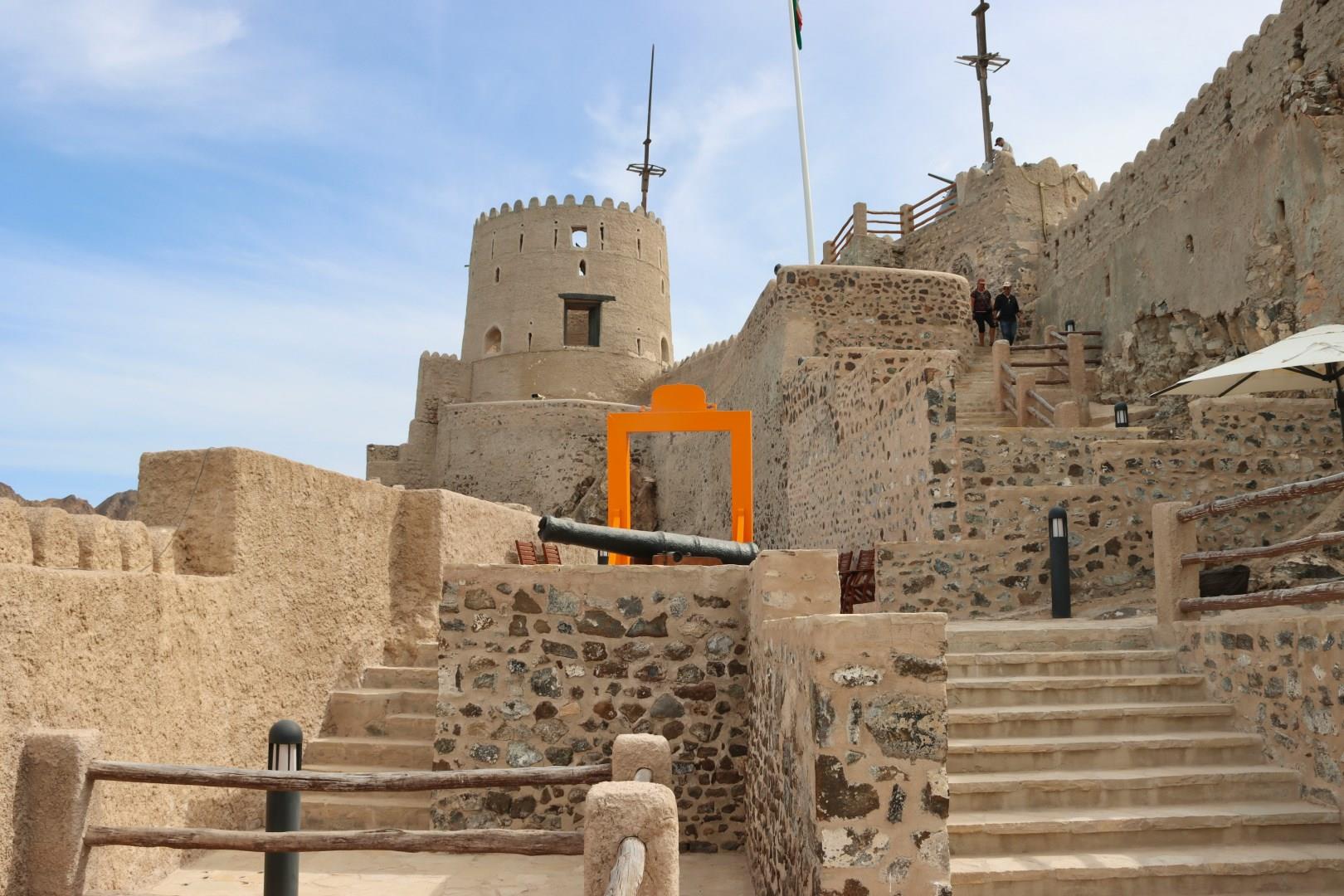
Located in northern Oman, Nakhal is best known for its impressive fort set dramatically against the backdrop of the Hajar Mountains. Originally built centuries ago and later expanded, the fort showcases traditional Omani architecture and offers sweeping views of the surrounding palm groves and rugged landscapes.
