
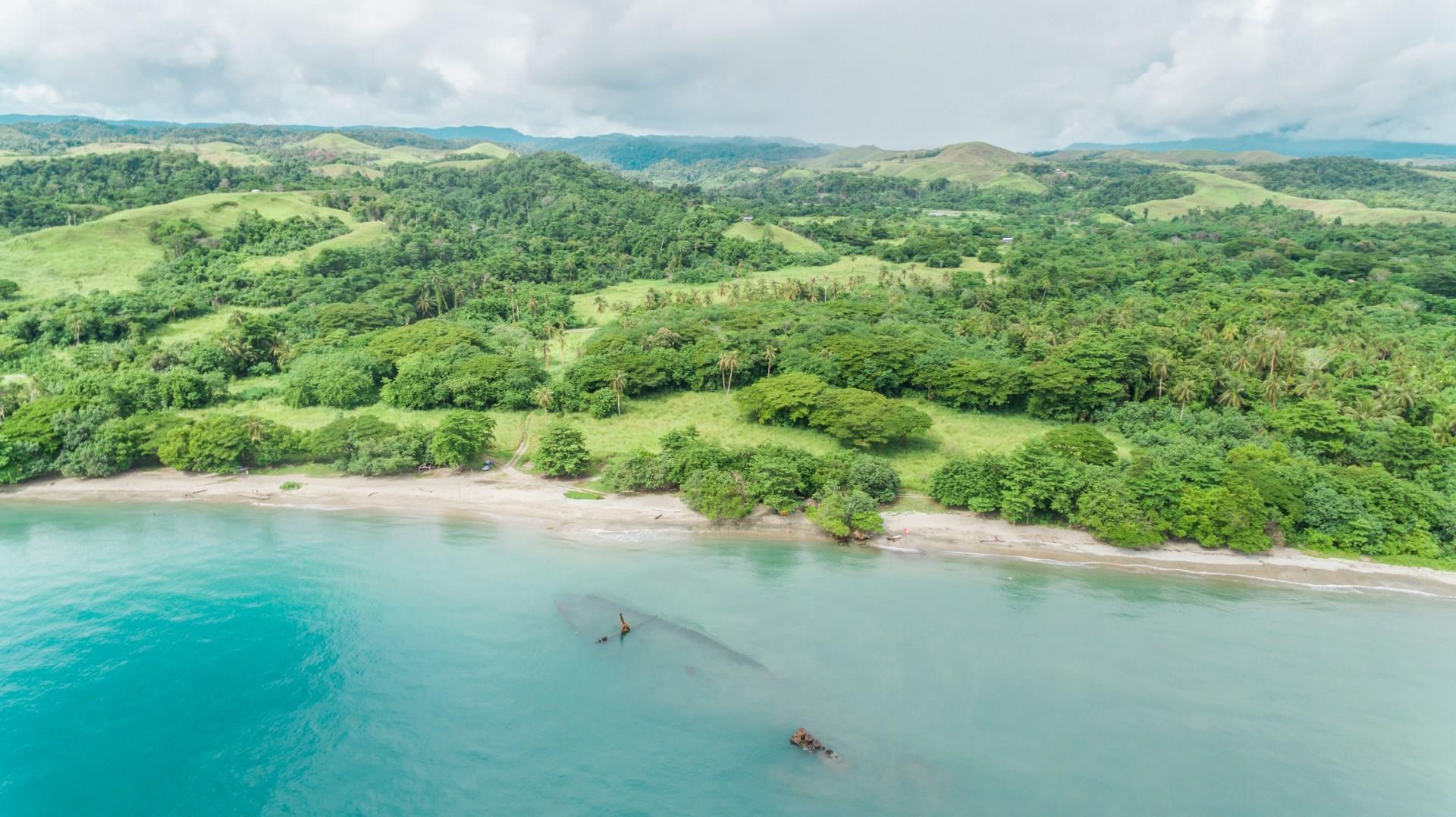
Guadalcanal Island
Guadalcanal, the largest island in the Solomon Islands, offers a captivating blend of history, natural beauty, and vibrant culture. This Pacific paradise is most famously known as the site of a pivotal World War II battle, where Allied forces fought fiercely against Japanese troops. Visitors can explore this rich history at the Vilu War Museum, which houses relics, artifacts, and memorials that bring the island's past to life.
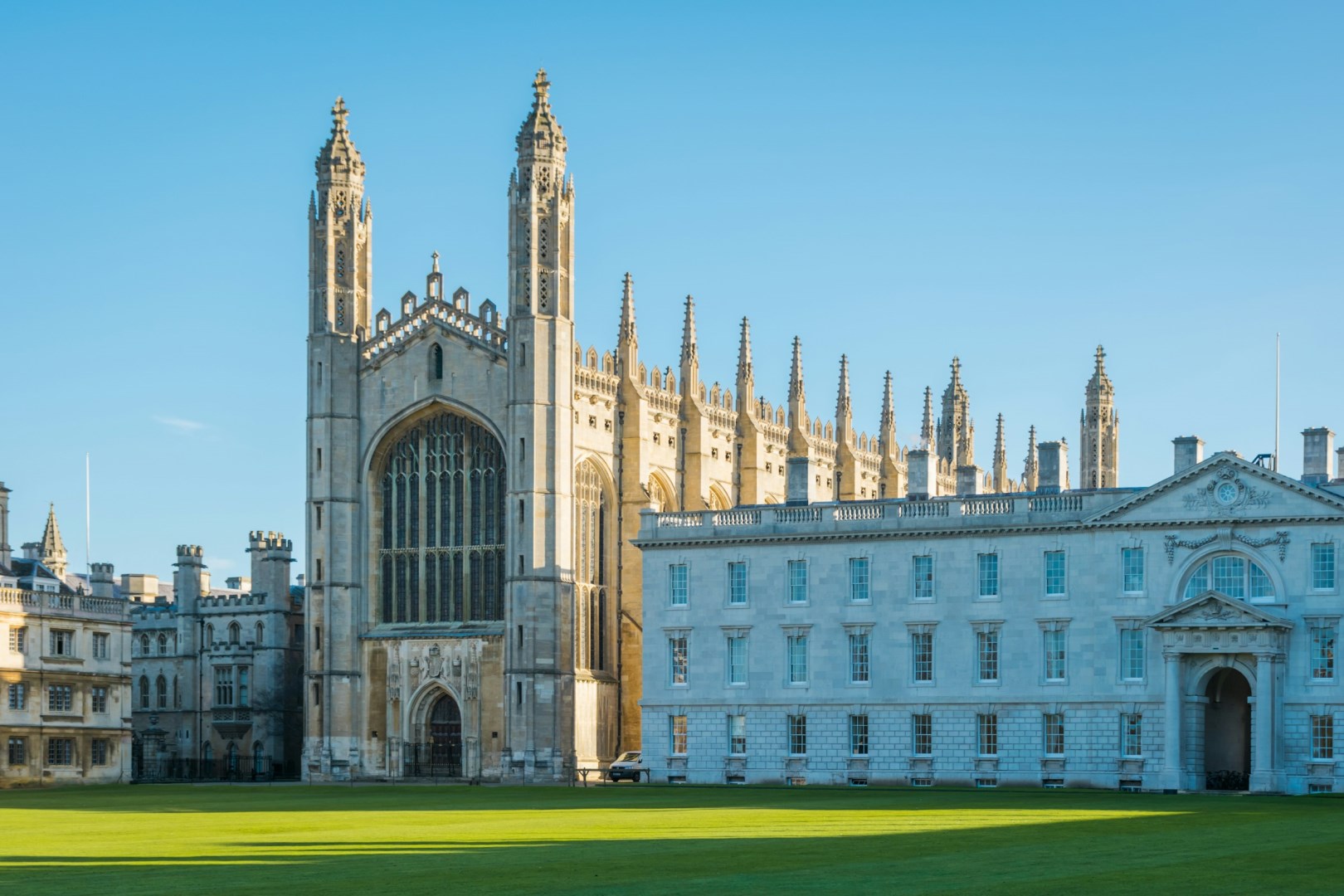
Cambridge
Cambridge, located in eastern England along the River Cam, is world-renowned for its prestigious university, historic architecture, and vibrant cultural scene. The city’s cobbled streets, centuries-old colleges, and medieval churches reflect a rich academic and architectural heritage, making it one of the most iconic university towns in the world.
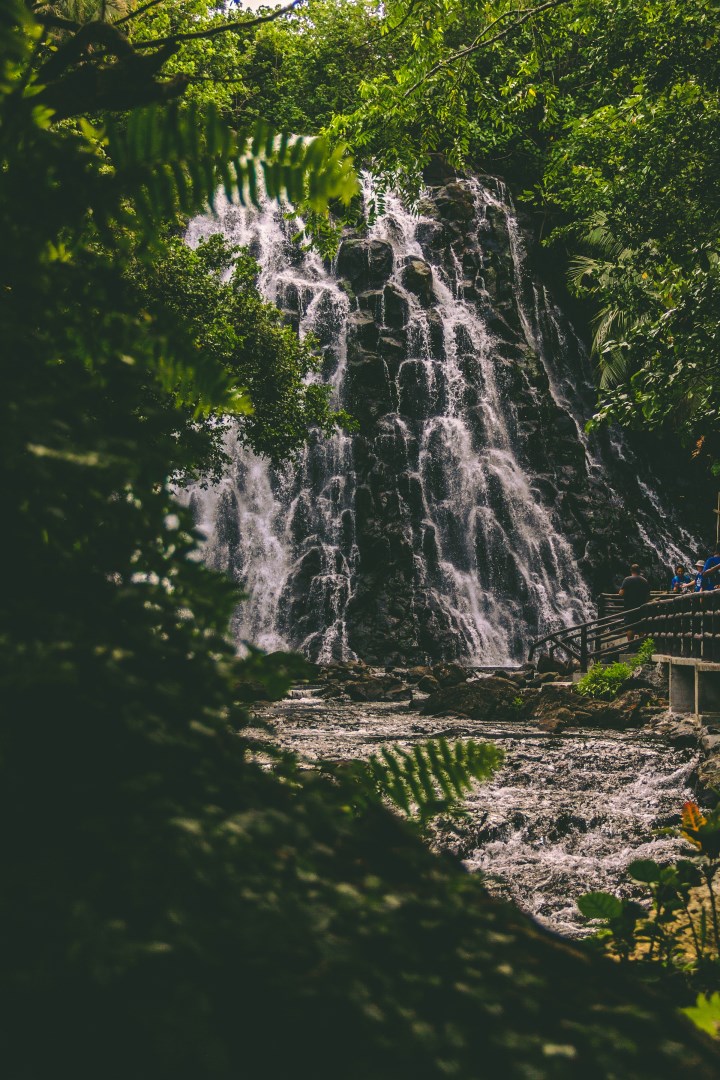
Pohnpei
Pohnpei is the largest island in the Federated States of Micronesia and the administrative center of Pohnpei State. It lies in the western Pacific and is known for its mountainous interior, dense tropical vegetation, and high rainfall. The island is surrounded by a barrier reef and numerous small islets, creating a landscape of forested slopes, mangroves, rivers, and coastal waters.
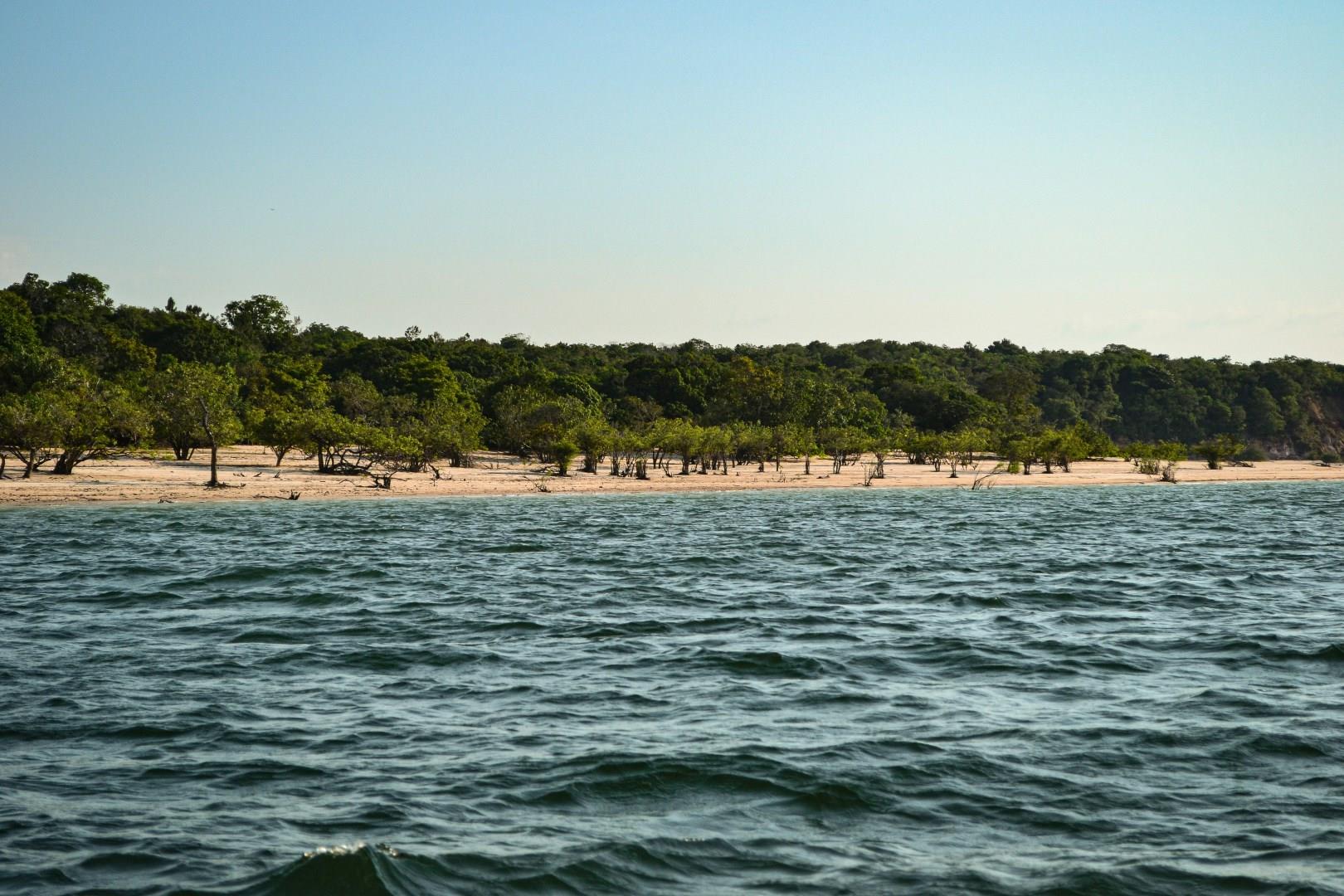
Alter do Chão
Alter do Chão is a riverside village in the Brazilian state of Pará, on the banks of the clear Tapajós River. Though part of the larger municipality of Santarém, Alter do Chão has its own rhythm and identity, known far beyond Brazil for the white-sand beaches that appear when river levels drop between July and December. One of the most famous spots is Ilha do Amor (Love Island), a sandbar just off the village shore that feels almost like a hidden world of warm water and bright sky.

Quebec
Quebec is a province where the old meets the new in the most exciting way, with each of its diverse cities offering a distinct experience for travelers. It is a melting pot of French and English heritage, and this duality can be seen in its art, music, and festivals.
