

Alice Springs
Alice Springs, located in the heart of Australia’s Red Centre, is a town deeply connected to the desert landscapes and Aboriginal culture that define the region. Long an important meeting place for the Arrernte people, it remains a center of Indigenous art and traditions, with galleries and cultural institutions showcasing some of the world’s most renowned Aboriginal artworks and stories.

Arizona
Arizona is a state where ancient landscapes and modern life meet in unexpected ways. While many come for the Grand Canyon, an awe-inspiring chasm over 277 miles long, there's far more waiting beyond the rim.
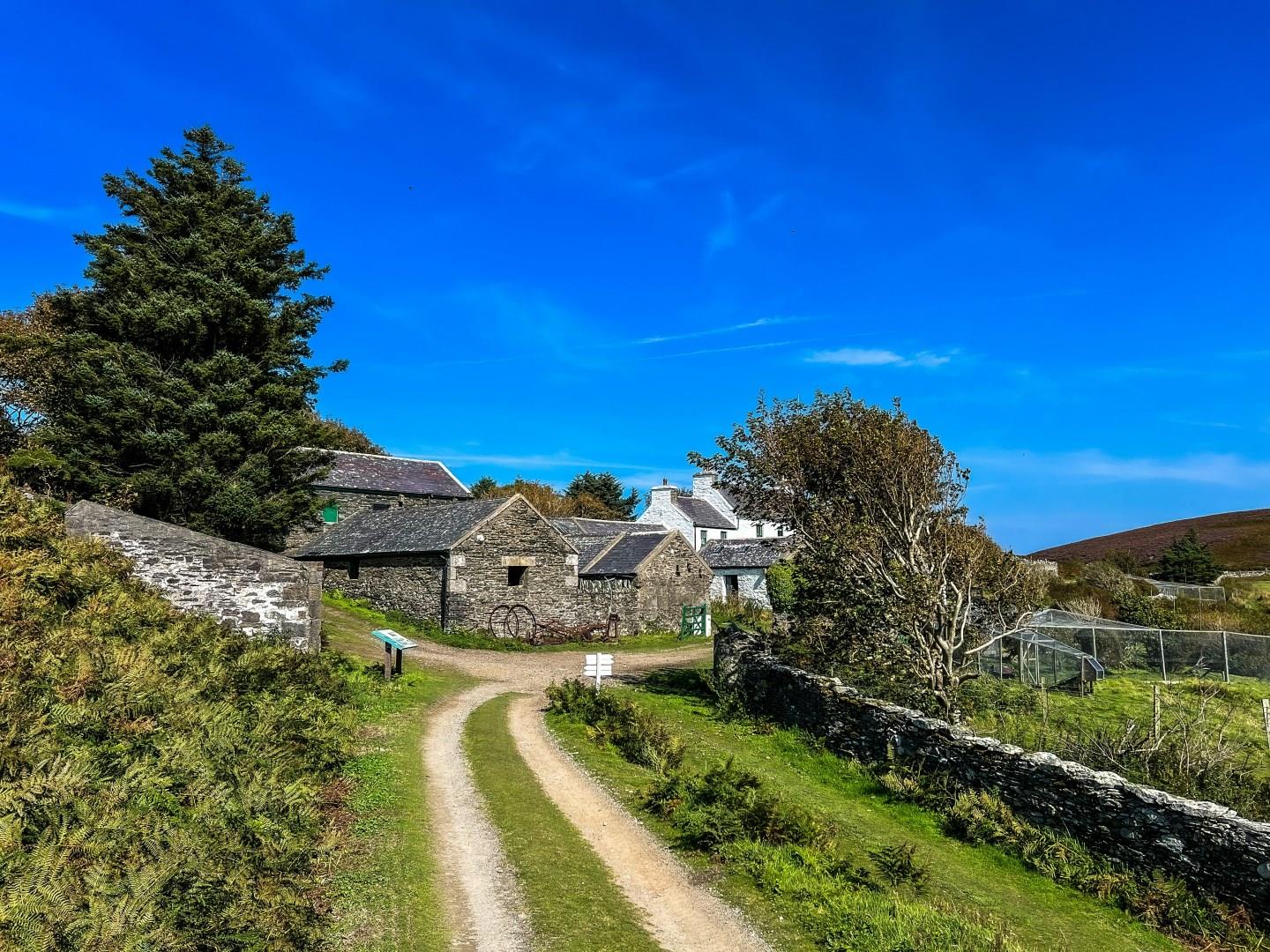
Calf of Man
The Calf of Man, a small island off the southwest coast of the Isle of Man, offers a rare glimpse into a quieter side of the Irish Sea. Covering just over 260 acres, this uninhabited island is known primarily for its rich birdlife and dramatic coastal cliffs. Visitors often arrive by boat from nearby Port Erin, embarking on guided tours that reveal the island’s importance as a bird sanctuary.

Hovden
Hovden is part of Setesdal, a region recognized for its distinctive Norwegian folk traditions and strong rural identity. Music and dance are especially important, with the Setesdal tradition of playing the hardingfele fiddle and munnharpe jaw harp included on UNESCO's Intangible Cultural Heritage list. The area also has a long connection with metalworking. The Hovden Museum of Iron Production presents a reconstructed iron-smelting facility and explains how local ore was processed using charcoal.

Phnom Penh
Phnom Penh, the capital of Cambodia, is a city where history, culture, and riverside life intersect. Situated at the confluence of the Mekong and Tonle Sap rivers, the city has a lively riverfront that serves as both a social gathering place and a hub for commerce.
