
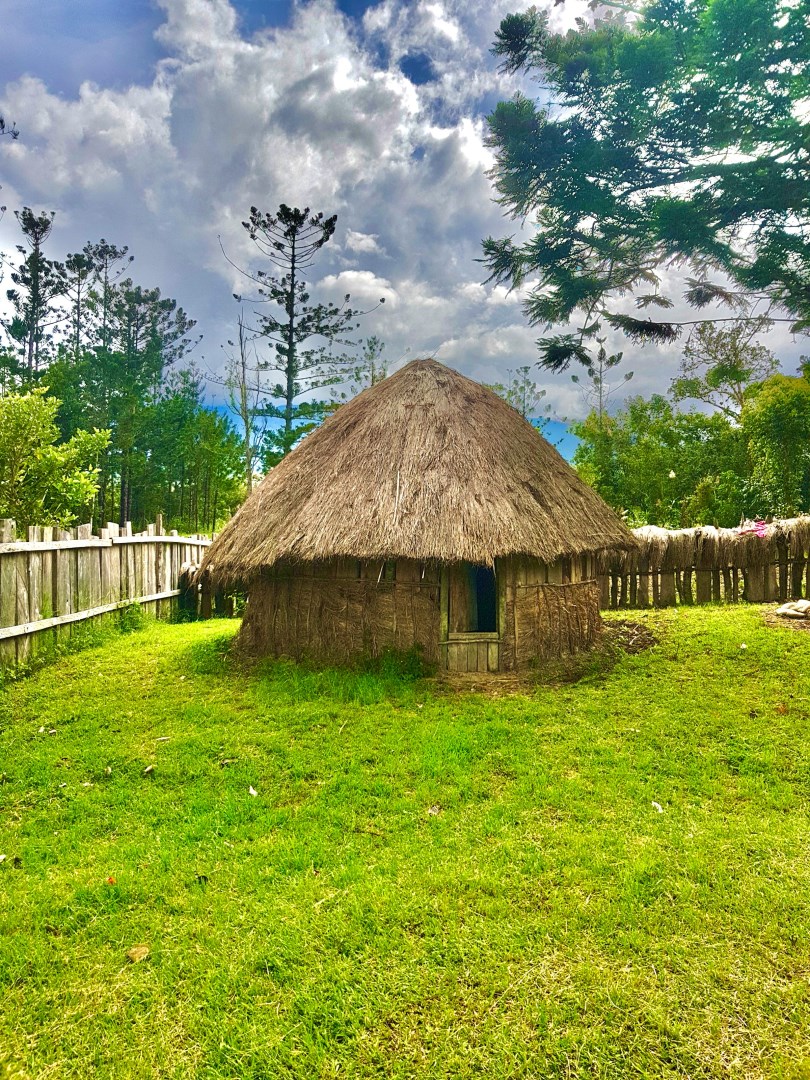
Wamena
Wamena is a part of Irian Jaya and shares a landmass with Papua New Guinea and it's peoples culture is very similar to the Papuans. From snow capped mountains to jungles, from swamps to glaciers there is much to explore in this less traveled, diverse region.

Pompeii
Pompeii, Italy, is a mesmerizing time capsule that invites travelers to step back into the world of ancient Rome. Once a thriving city, Pompeii was abruptly buried under volcanic ash and pumice following the catastrophic eruption of Mount Vesuvius in 79 AD. This tragic event preserved the city in remarkable detail, allowing visitors today to walk the cobbled streets and witness a snapshot of Roman life, from grand villas and bathhouses to bakeries and amphitheaters.
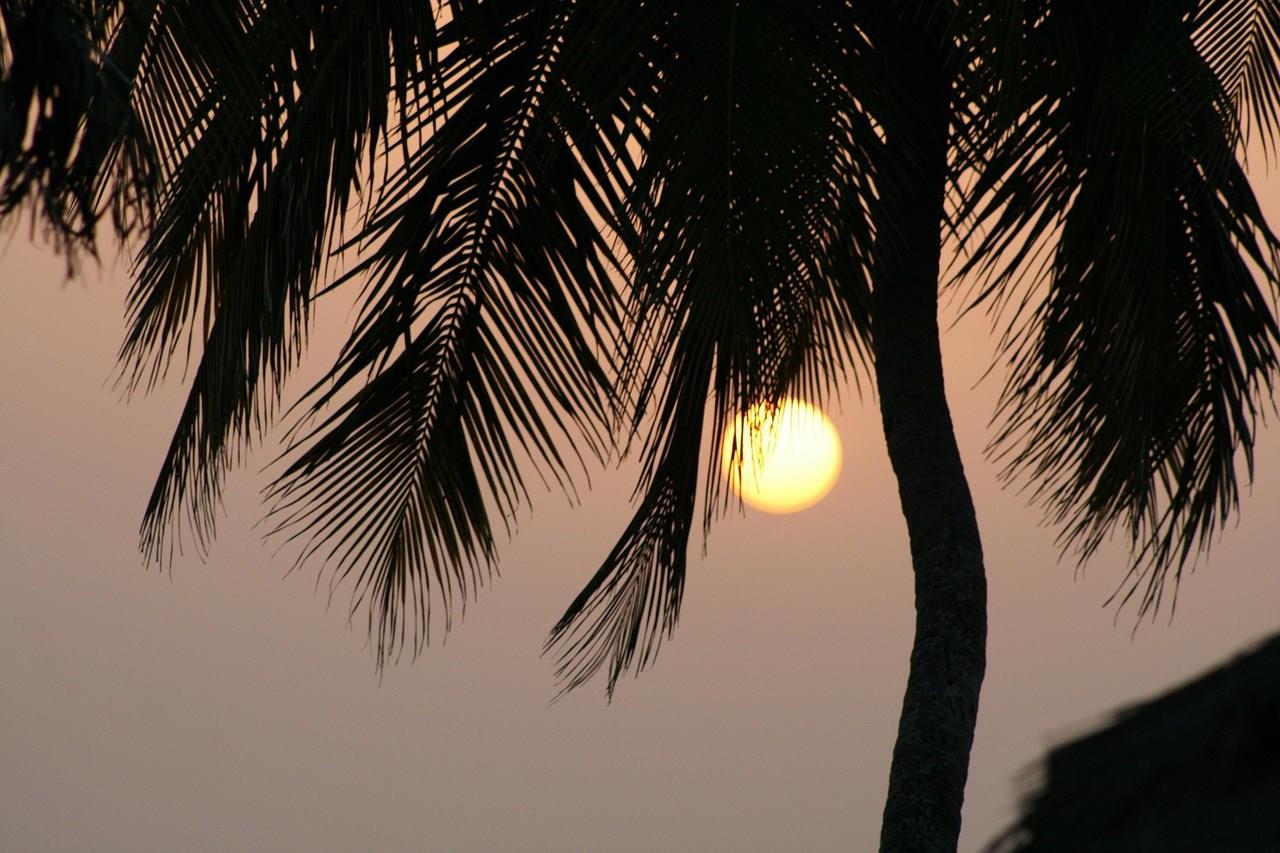
Guinea
Guinea, located on the west coast of Africa, offers a rich blend of landscapes, cultures, and traditions that remain largely untouched by mass tourism. Its Atlantic shoreline is dotted with fishing villages and sandy beaches, while inland, rolling highlands and dense rainforests give way to sweeping savannas.
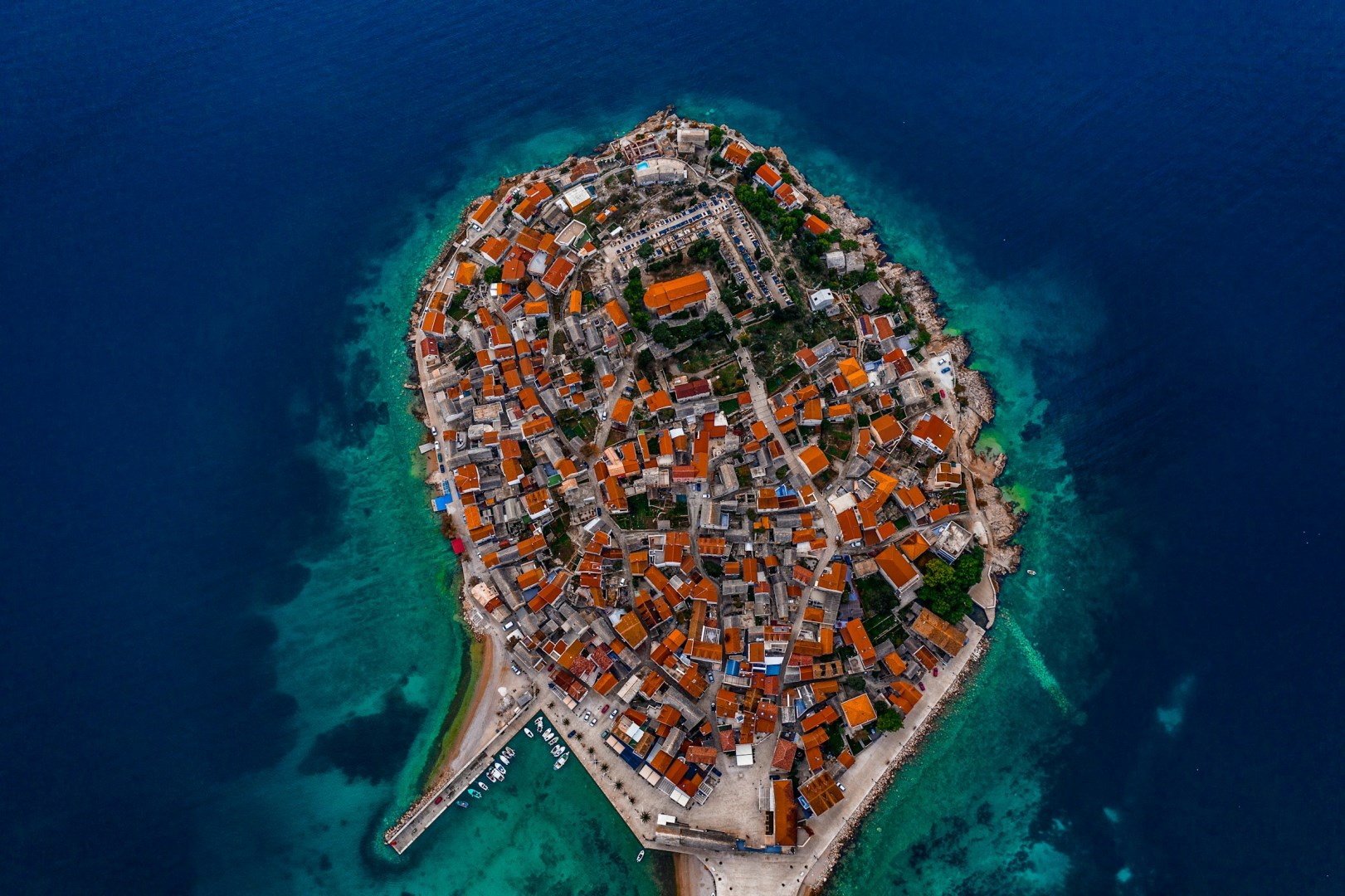
Primosten
Situated in Croatia between the cities of Sibenik and Trogir on the Adriatic coast, the small town of Primosten was once an islet connected to the mainland by a bridge, replaced by a causeway around the 17th century. Its name is derived from the Croatian verb primostiti meaning "to bridge".
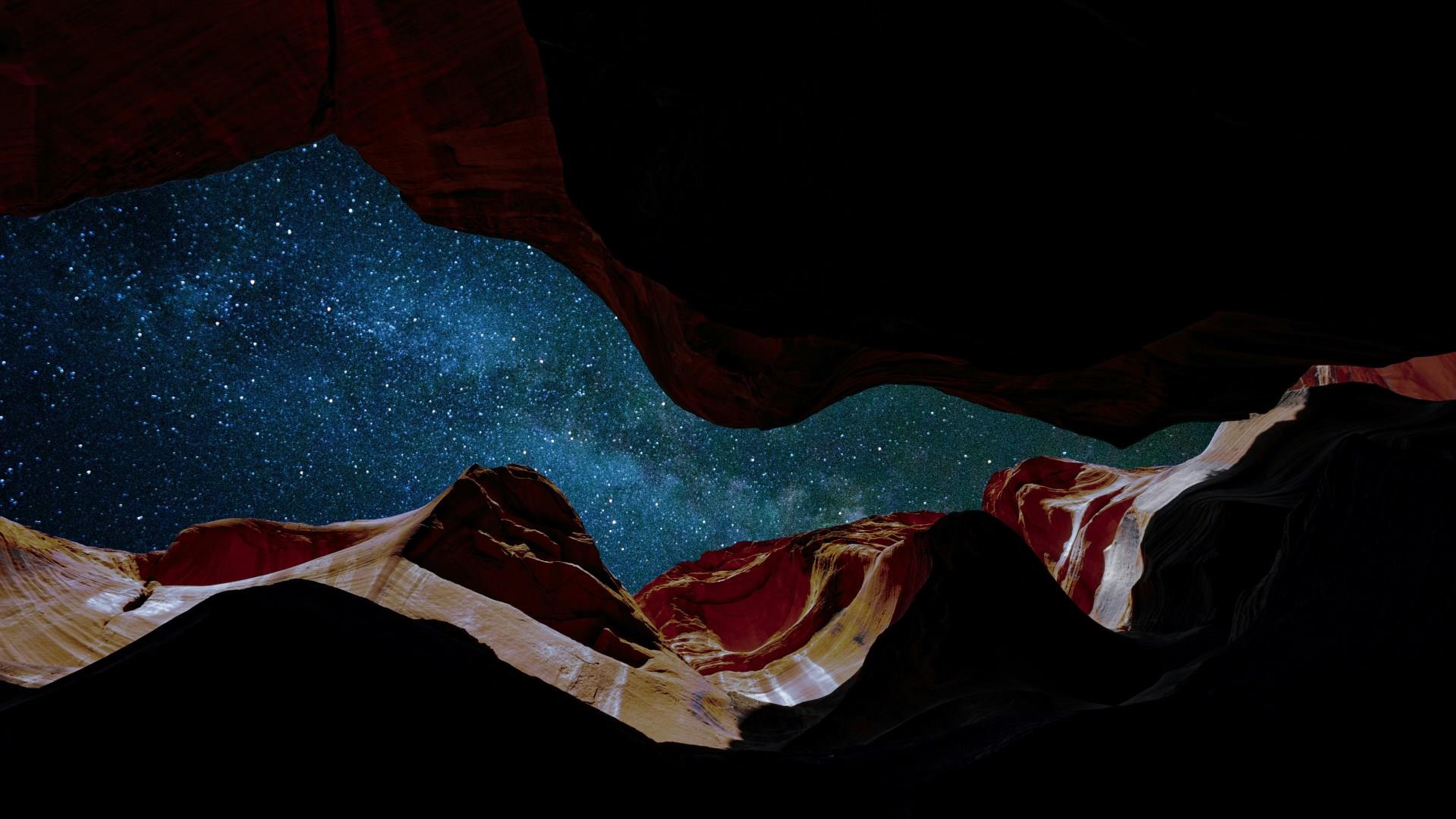
Page
Page, Arizona, offers a gateway to some of the most breathtaking landscapes in the American Southwest. Nestled near the northern border of Arizona, this city is a perfect base for exploring natural wonders such as Antelope Canyon, a slot canyon renowned for its stunning light beams and swirling sandstone formations. Visitors can take guided tours to witness the canyon’s otherworldly beauty, which has been shaped by centuries of erosion and natural forces.
