
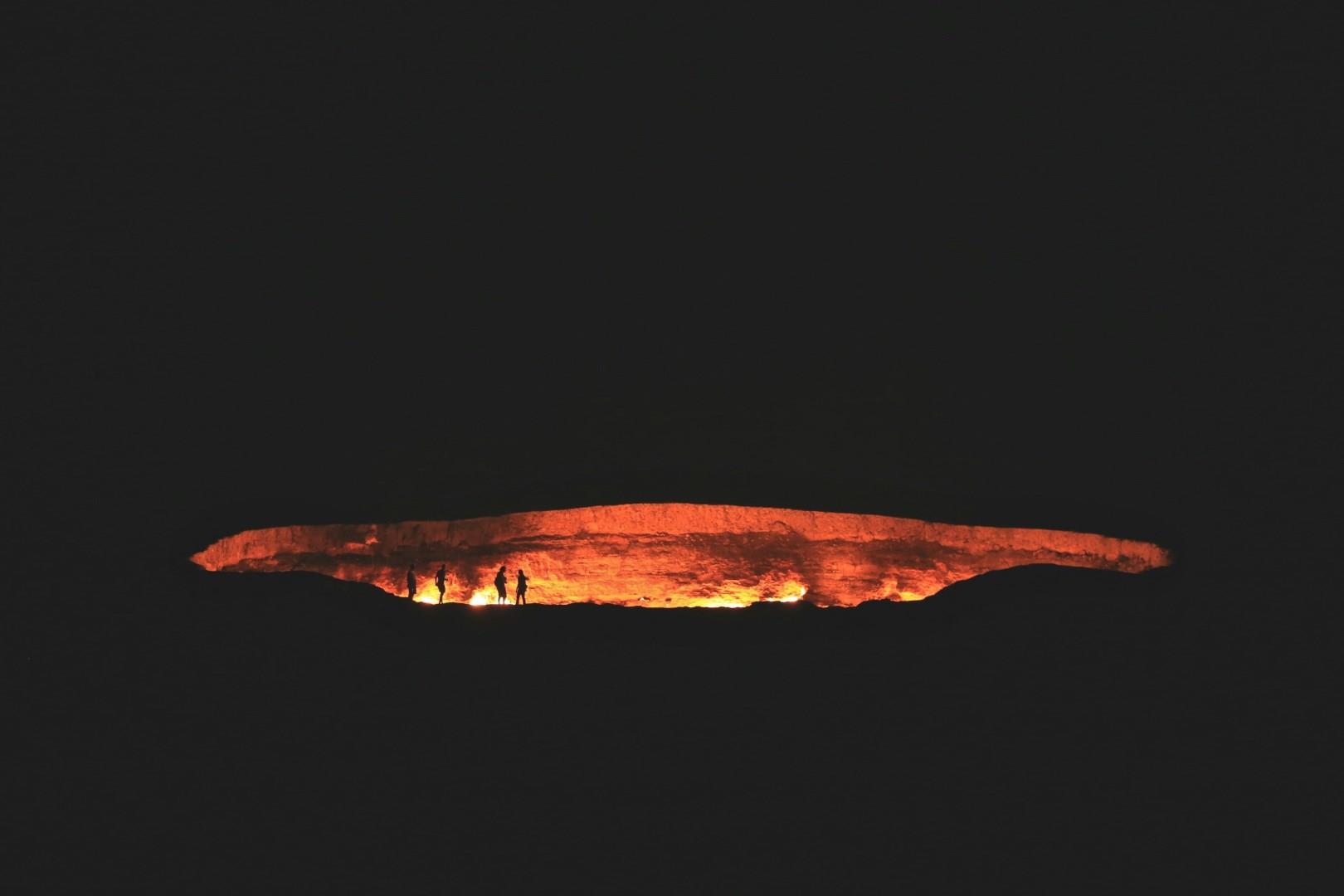
Darvaza
The Darvaza Gas Crater, famously nicknamed the “Door to Hell,” is one of Turkmenistan’s most extraordinary landmarks. Located deep in the Karakum Desert, this fiery pit has been burning continuously since the early 1970s, when Soviet engineers reportedly set fire to a collapsed natural gas field to prevent the spread of methane.
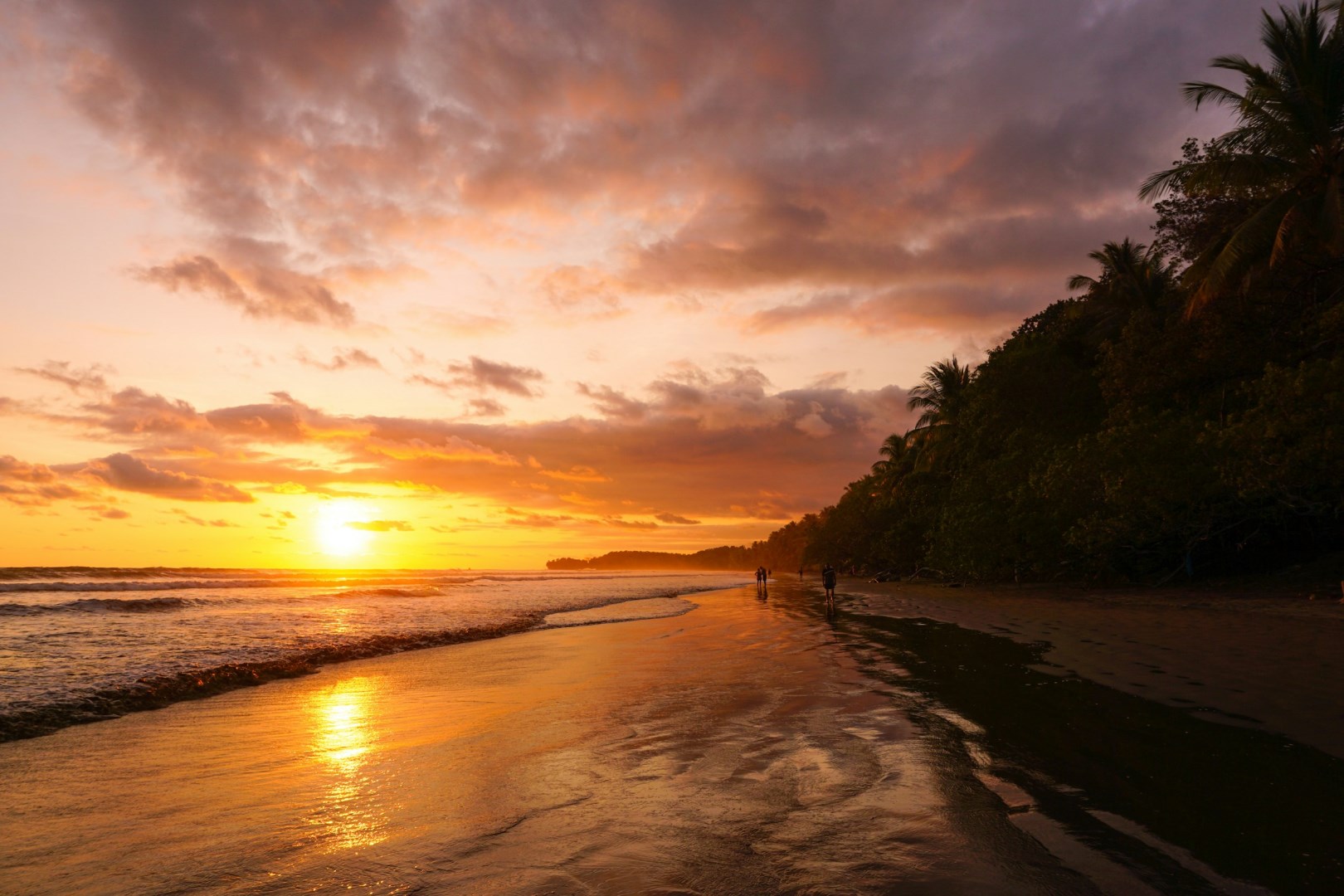
Uvita
Uvita is a small coastal community in southern Costa Rica's Puntarenas Province, located along the Pacific coast on the Osa Peninsula region. The town is surrounded by tropical forest, rivers, mangroves, farms, and beaches, with the forested mountains of the coastal range rising inland.
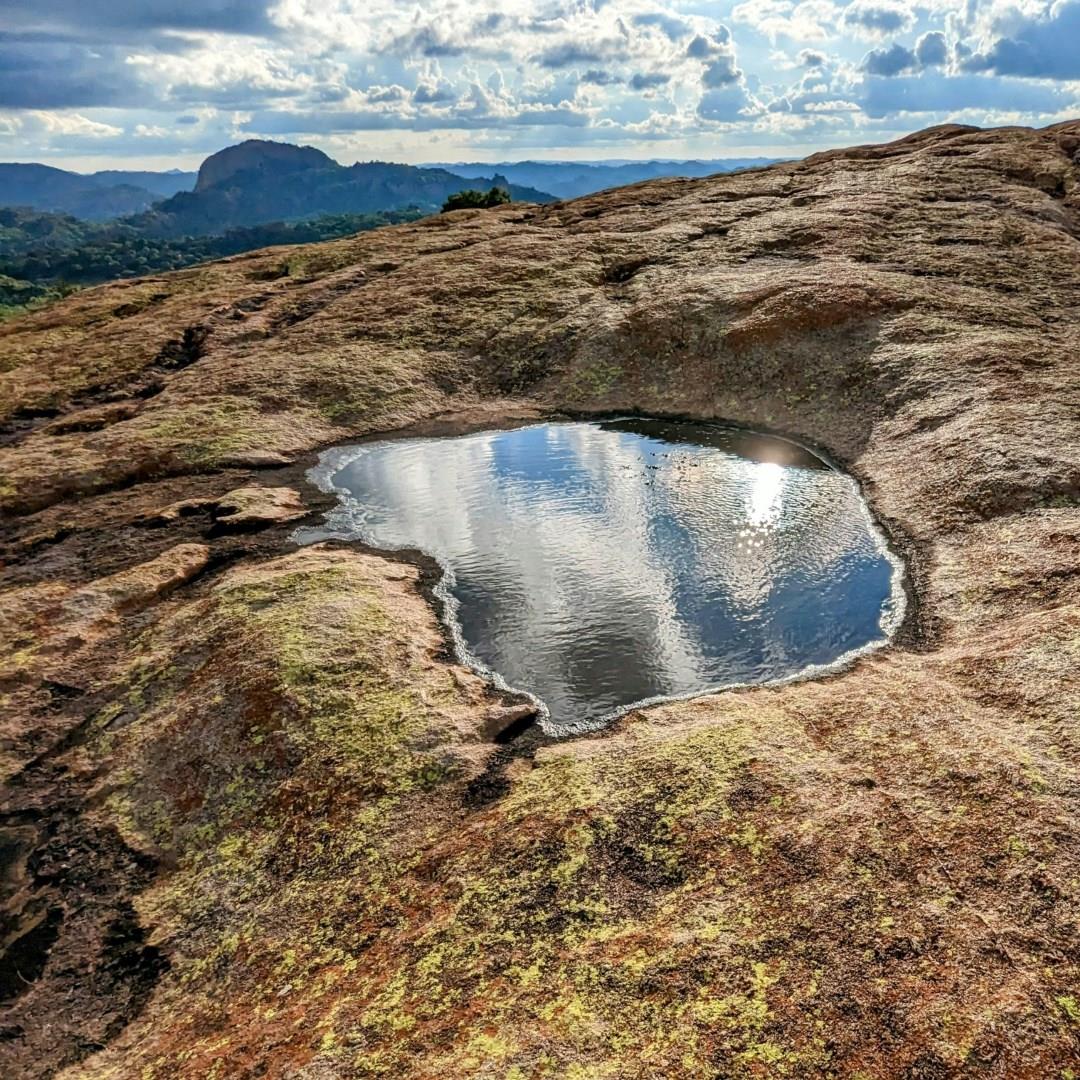
Matobo National Park
Matobo National Park sits in the rolling hills of southern Zimbabwe stands as one of the country’s most remarkable landscapes. Its granite domes, balancing rocks and wooded valleys have formed over more than two billion years, creating a setting that feels both ancient and alive. As a UNESCO World Heritage cultural site, the park preserves a landscape that has shaped human life here for millennia, drawing travelers to explore its unusual terrain and storied past.
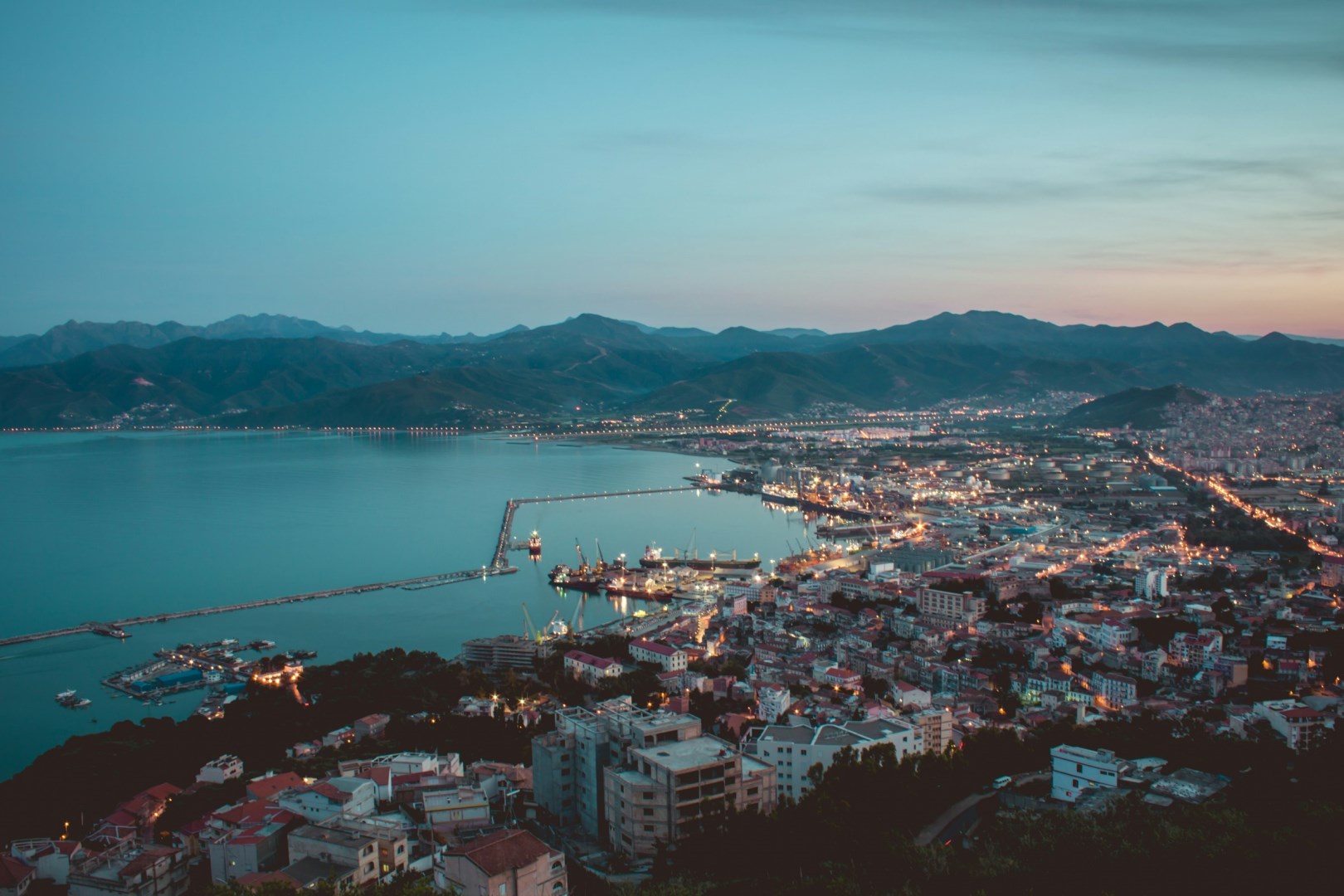
Béjaïa
Béjaïa is a Mediterranean port city on Algeria’s Kabylie coast, set between the sea and the wooded slopes of the Gouraya massif. Its setting brings together a working harbour, mountain terrain, coastal cliffs, and beaches within a compact area. The city is one of Algeria’s important historic centres and has long been connected to maritime trade and scholarship.
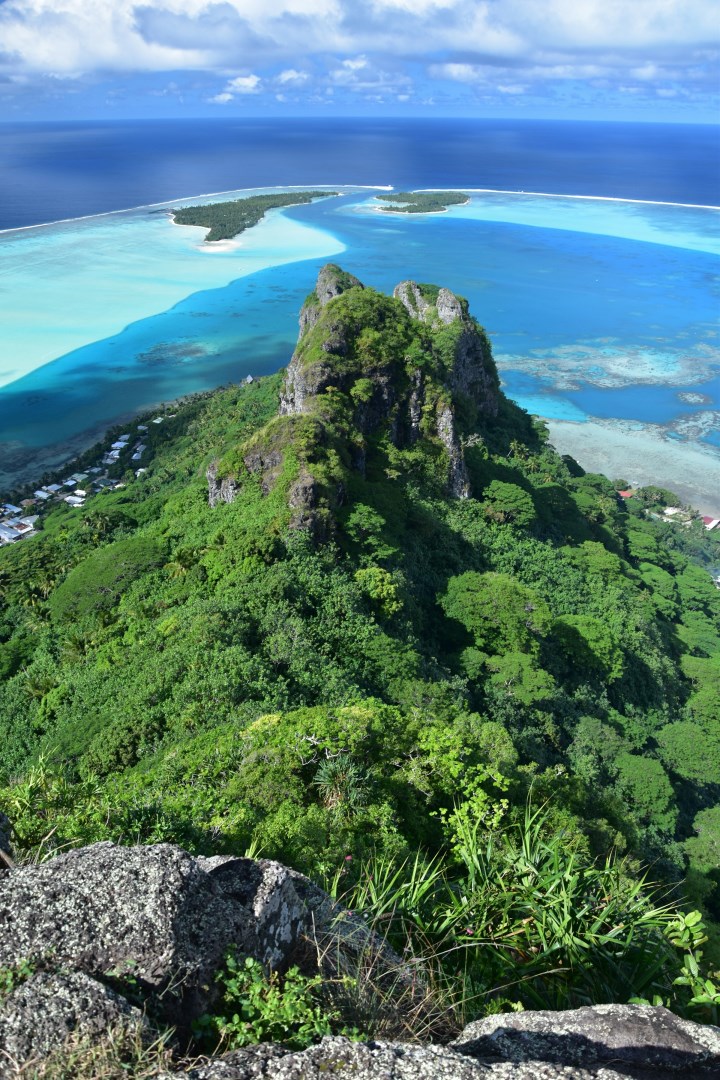
Maupiti
Maupiti is a small island in the Leeward Islands of French Polynesia, surrounded by a shallow lagoon and a barrier reef in the South Pacific. The main island is dominated by a steep central mountain ridge, while several low motu form a ring around the lagoon. Unlike larger neighboring islands, Maupiti has limited development and a predominantly rural character.
