
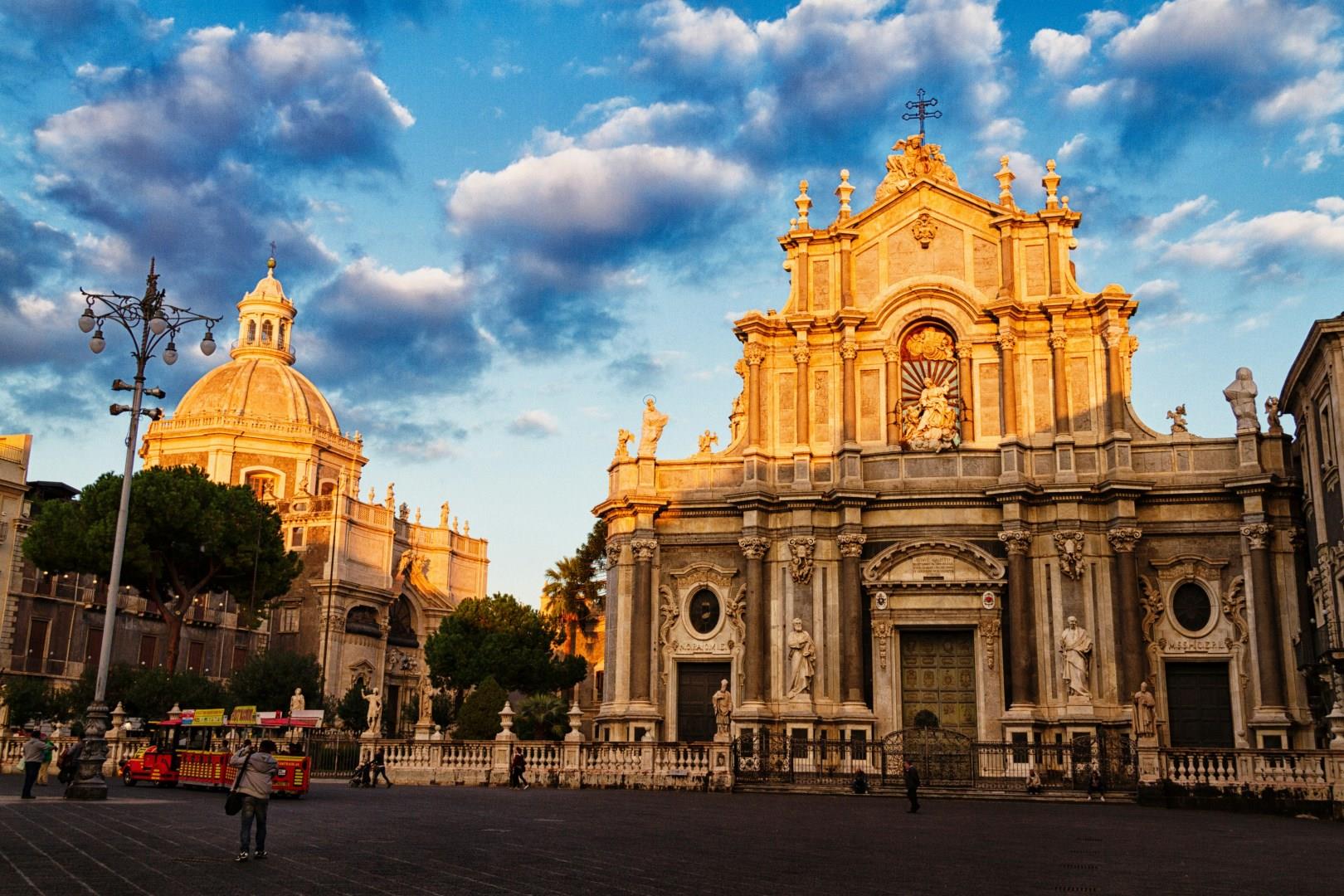
Catania
Catania, nestled on the eastern coast of Sicily, is a city shaped by fire and stone. Built from the black lava of Mount Etna, it’s a landscape filled with energy and contrasts from its Baroque palaces to its open air fish markets. At the heart of the city stands the Piazza del Duomo, where the iconic Fontana dell’Elefante, which is carved from volcanic rock, greets every visitor who passes by.
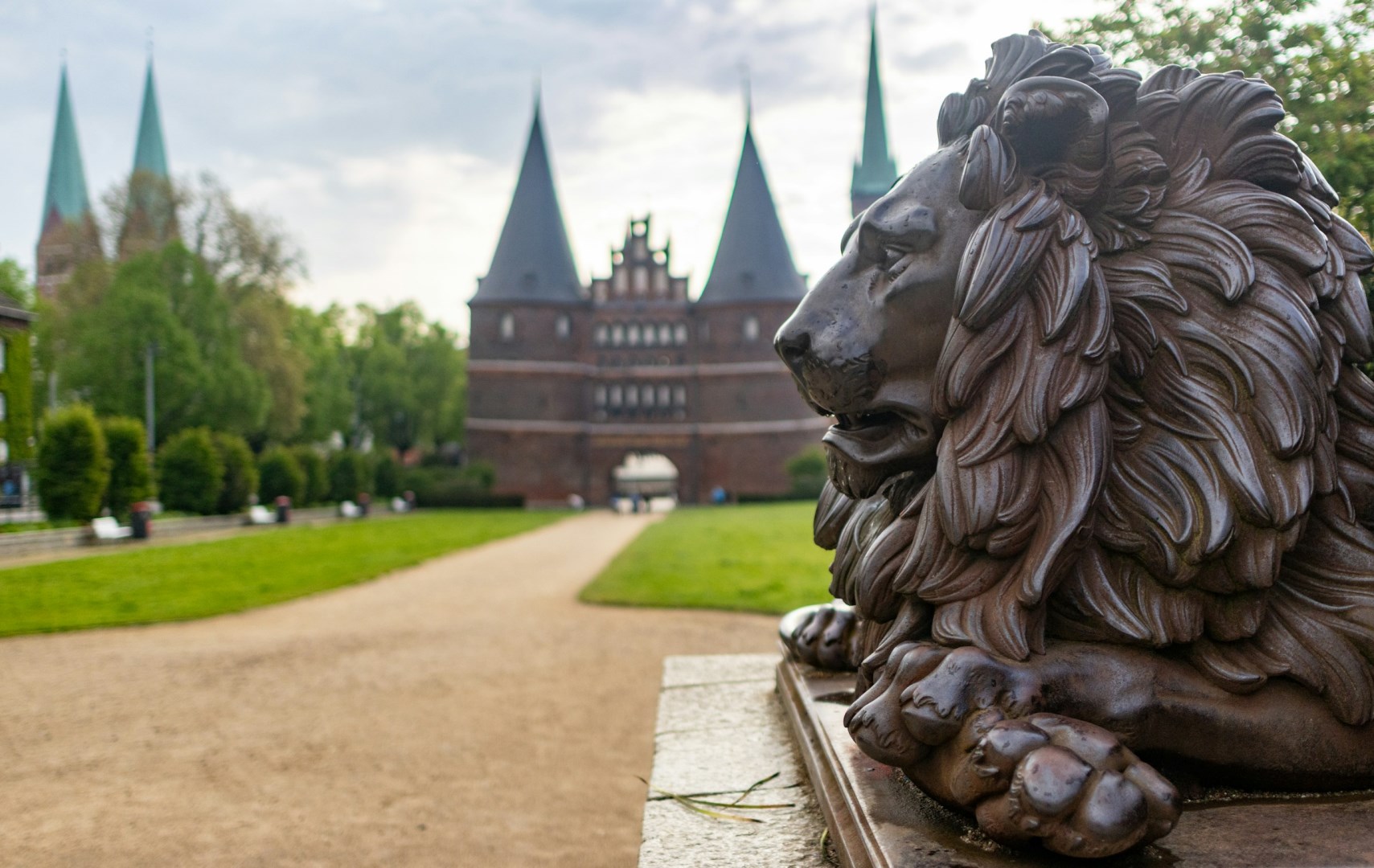
Lübeck
Behind this imposing entrance you'll find the former "Queen of the Hanseatic League", today a UNESCO cultural heritage site. In 1987 the entire Old Town was distinguished with this status: a work of art comprising over 1,000 buildings ranging from Romanesque to modern styles that have been designated as protected historic monuments. They include the City Hall, Gothic brick churches, the Buddenbrook House, magnificent merchants' houses, the medieval Holy Ghost Hospital, and looming brick gabled h
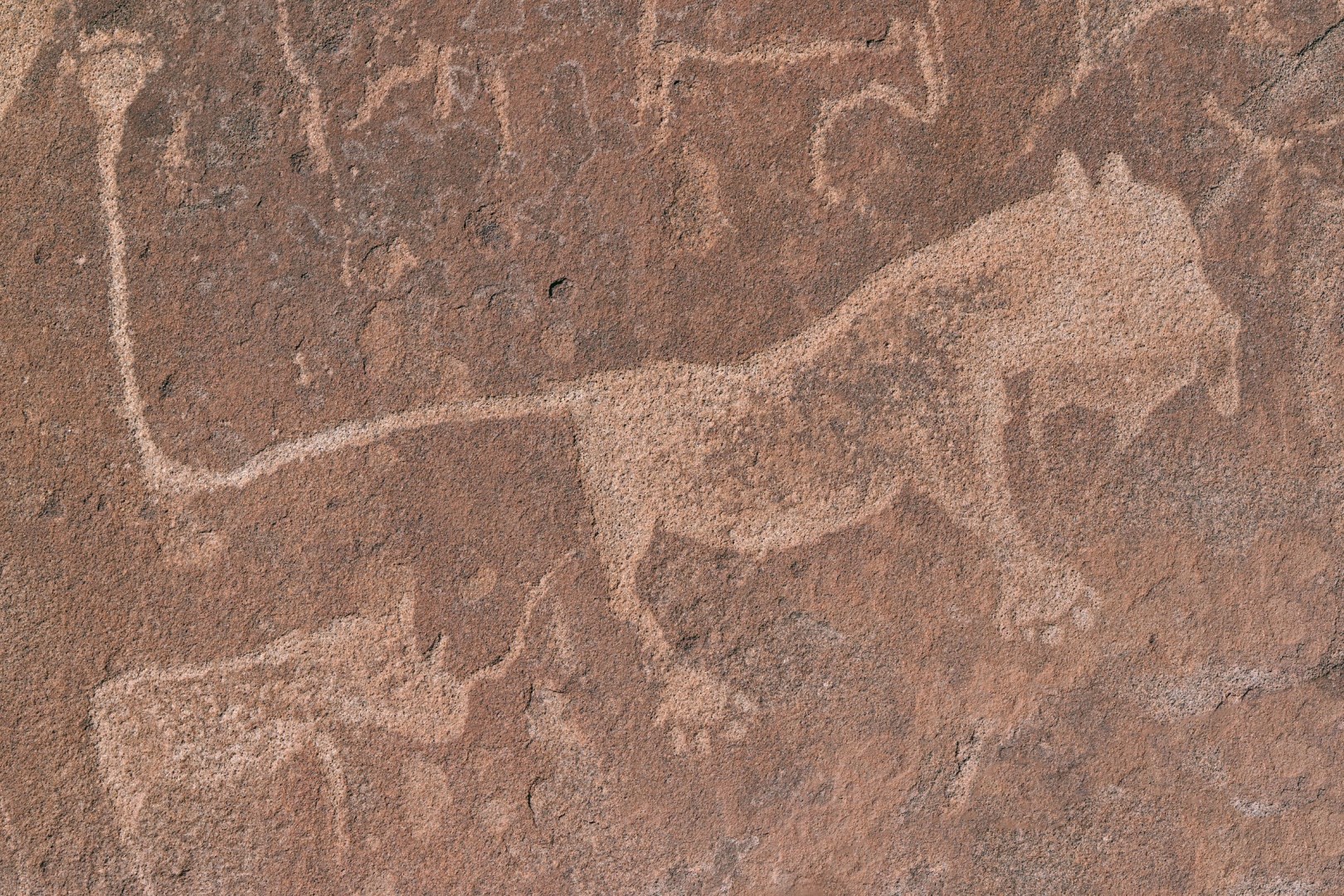
Twyfelfontein
Twyfelfontein is a cultural heritage site in the rugged Damaraland region of northwestern Namibia, known for one of Africa’s largest concentrations of ancient rock engravings. The site lies among sandstone cliffs, dry valleys, and open plains where water is scarce and vegetation is adapted to arid conditions. Twyfelfontein or /Ui-//aes is recognized as a UNESCO World Heritage Site because of its extensive collection of engravings and painted rock shelters
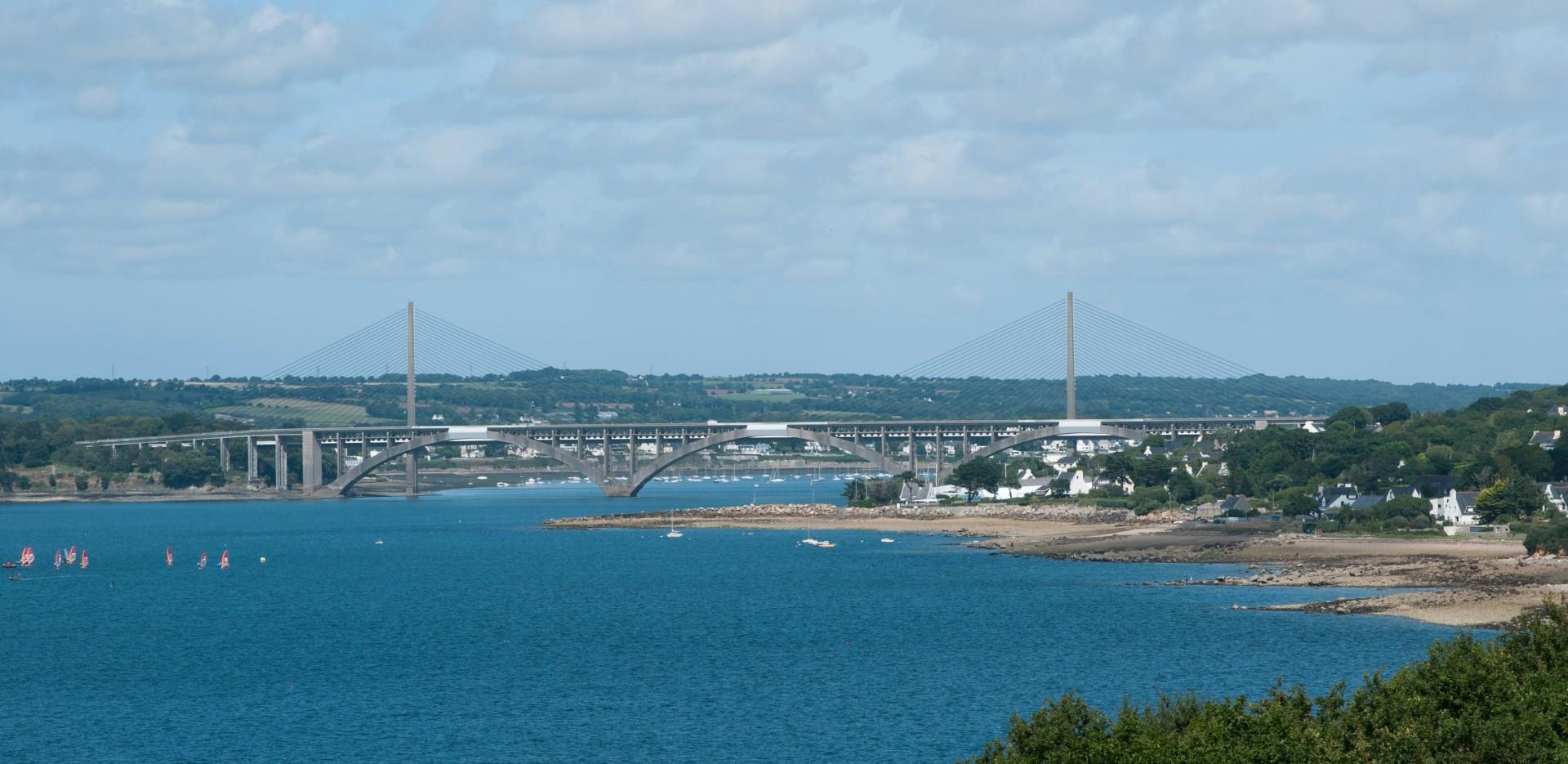
Brest
Brest sits at the western edge of Brittany, facing the Atlantic and shaped by its role as a strategic naval port. Much of the city was rebuilt after World War II, giving it a modern layout that contrasts with older Breton towns, yet its history remains closely tied to the sea.
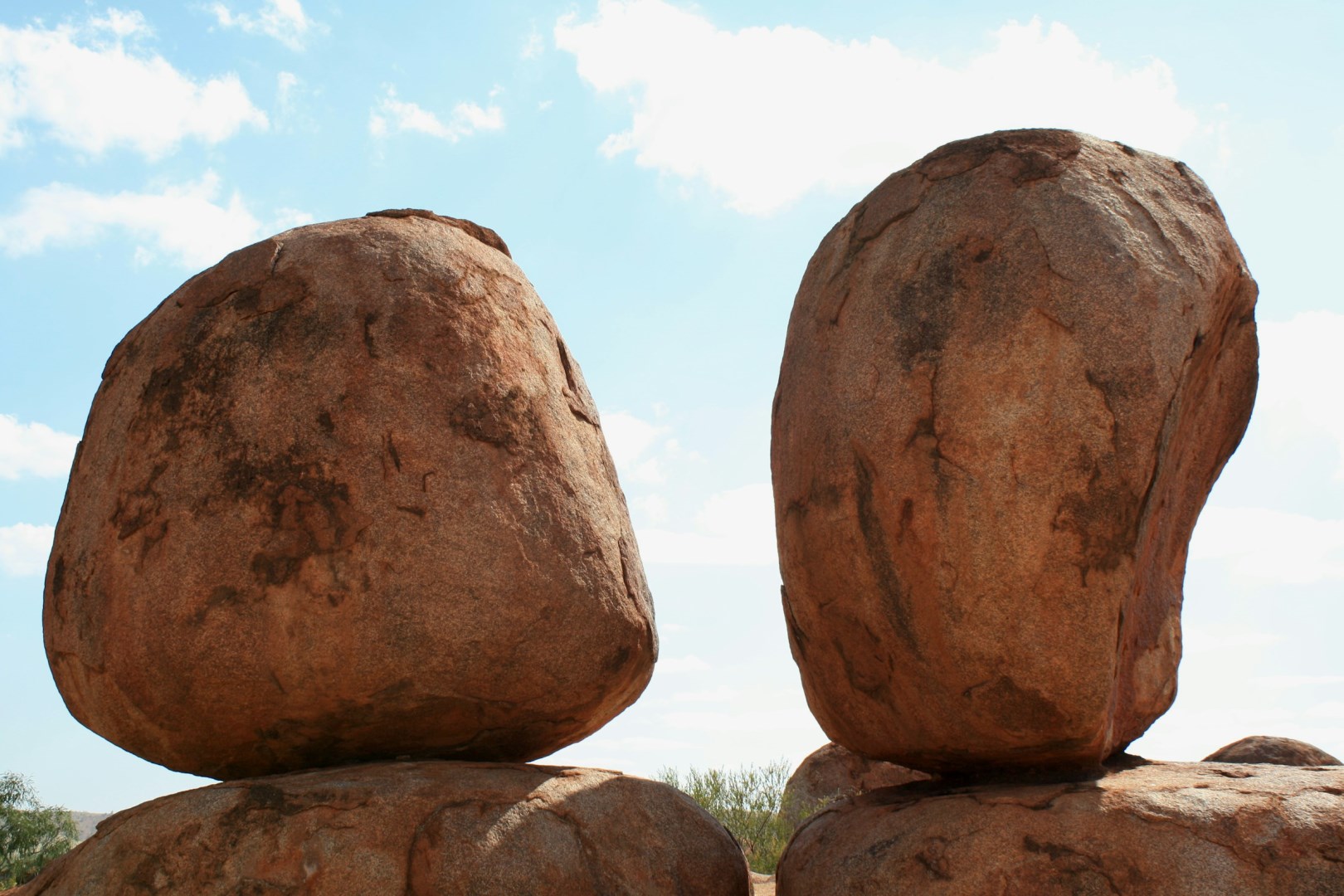
Devils Marbles
Devils Marbles are located just one hour South of Tennant Creek and present a unique sight for vistors.
