
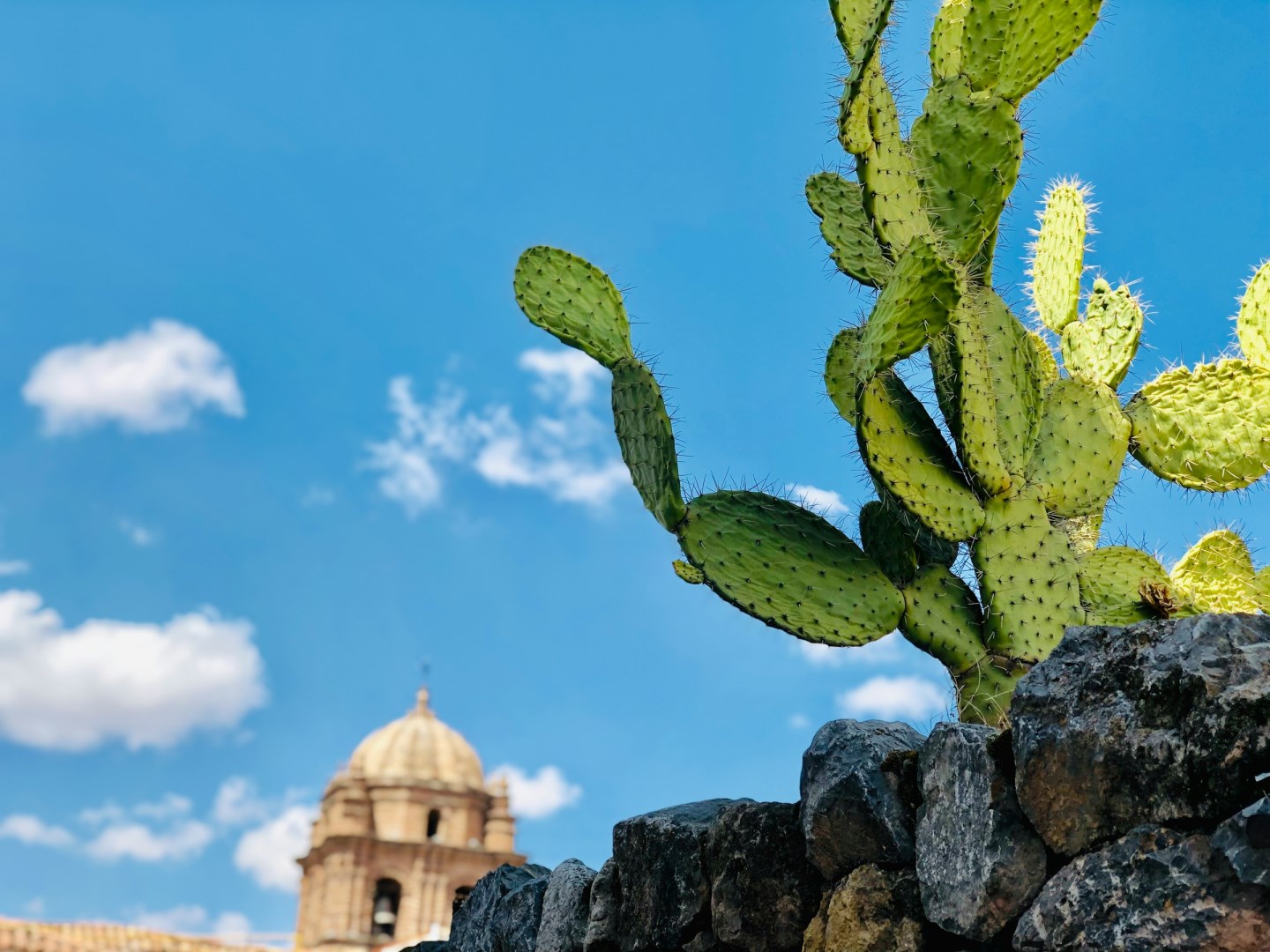
Cusco
Cusco once served as the heart of the Inca Empire, and that legacy still shapes every corner of the city even as it serves as a gateway to Machu Picchu. Outside the historic center, the ruins of Sacsayhuamán overlook the city from a nearby hilltop. This ceremonial complex is best known for its massive zigzag stone walls, some weighing over 100 tons. During the Inti Raymi festival in June, thousands gather here to reenact ancient Andean rituals.

Iguazu
Situated in the Parque Nacional Iguazú near Puerto Iguazú, these spectacular falls lie just east of the confluence of the Iguazu and Paraná rivers. At least 5000 cubic m of water per second plunge the 70m into the abyss below.
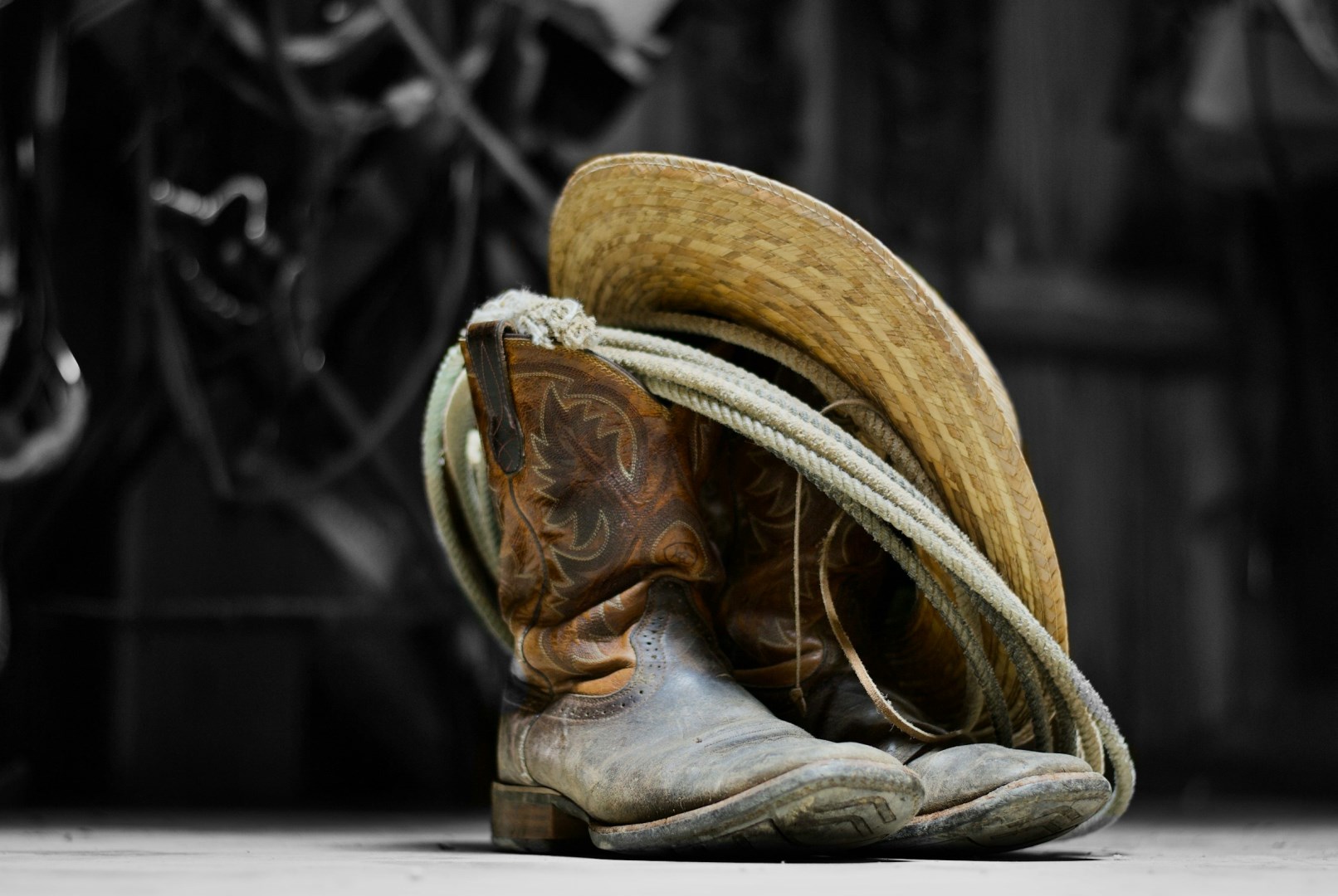
Waco
Waco is a Central Texas city positioned along the Brazos River between Dallas and Austin. Its identity is closely connected with Baylor University, the Texas Rangers, and the development of the Dr Pepper soft drink, which originated at a Waco drugstore. The city combines an established downtown with residential neighborhoods, museums, riverfront spaces, and a large network of parks.
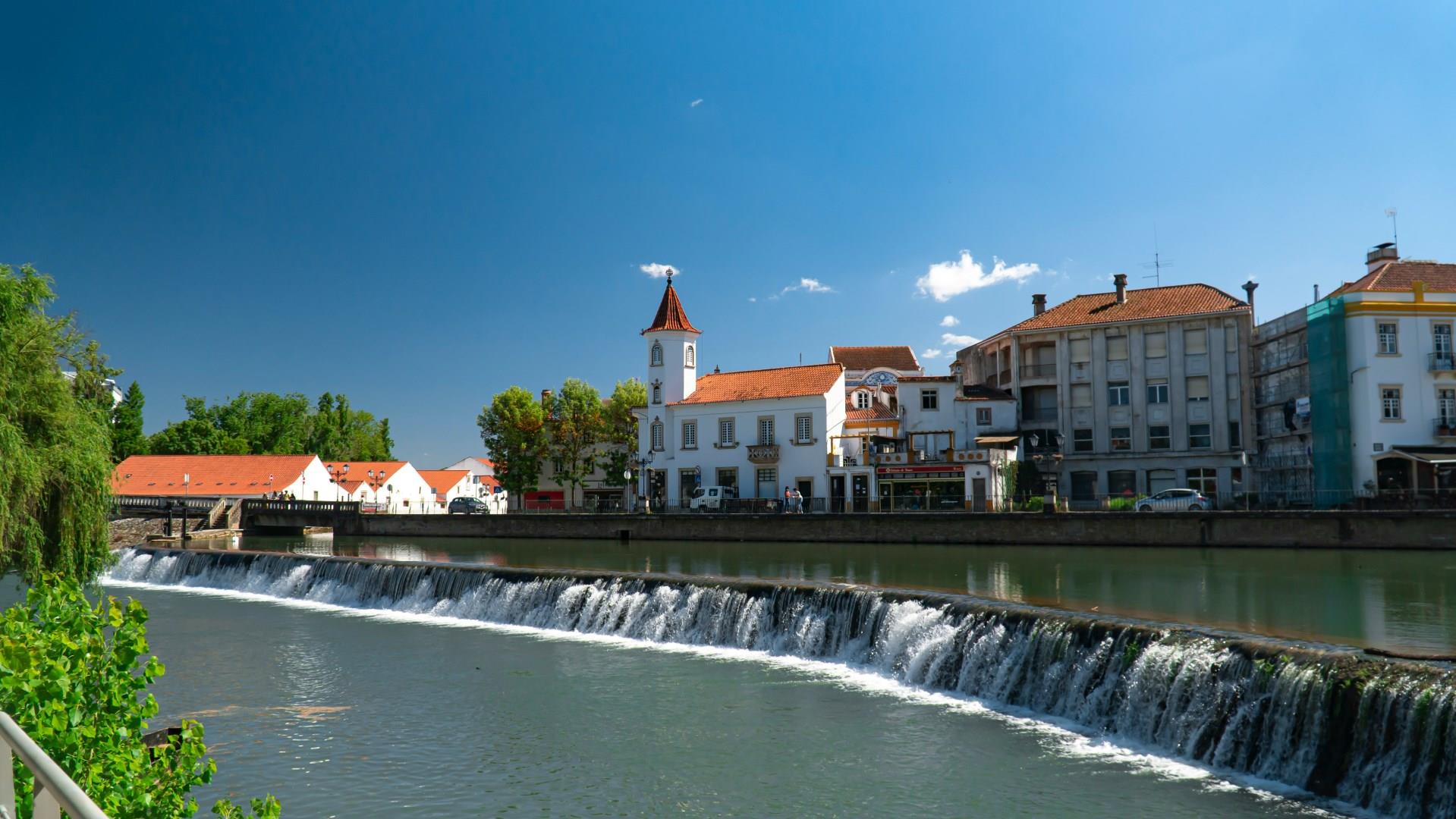
Tomar
Tomar sits on the Nabão River in central Portugal as a place where medieval history and everyday life meet in welcoming streets and grand monuments. Just outside the convent walls lies the Pegões Aqueduct, an impressive feat of engineering more than 6 kilometers long that once carried water from distant springs to the hilltop site. Some sections of its arches rise more than 30 meters above the valley floor, making it a striking backdrop for photos.
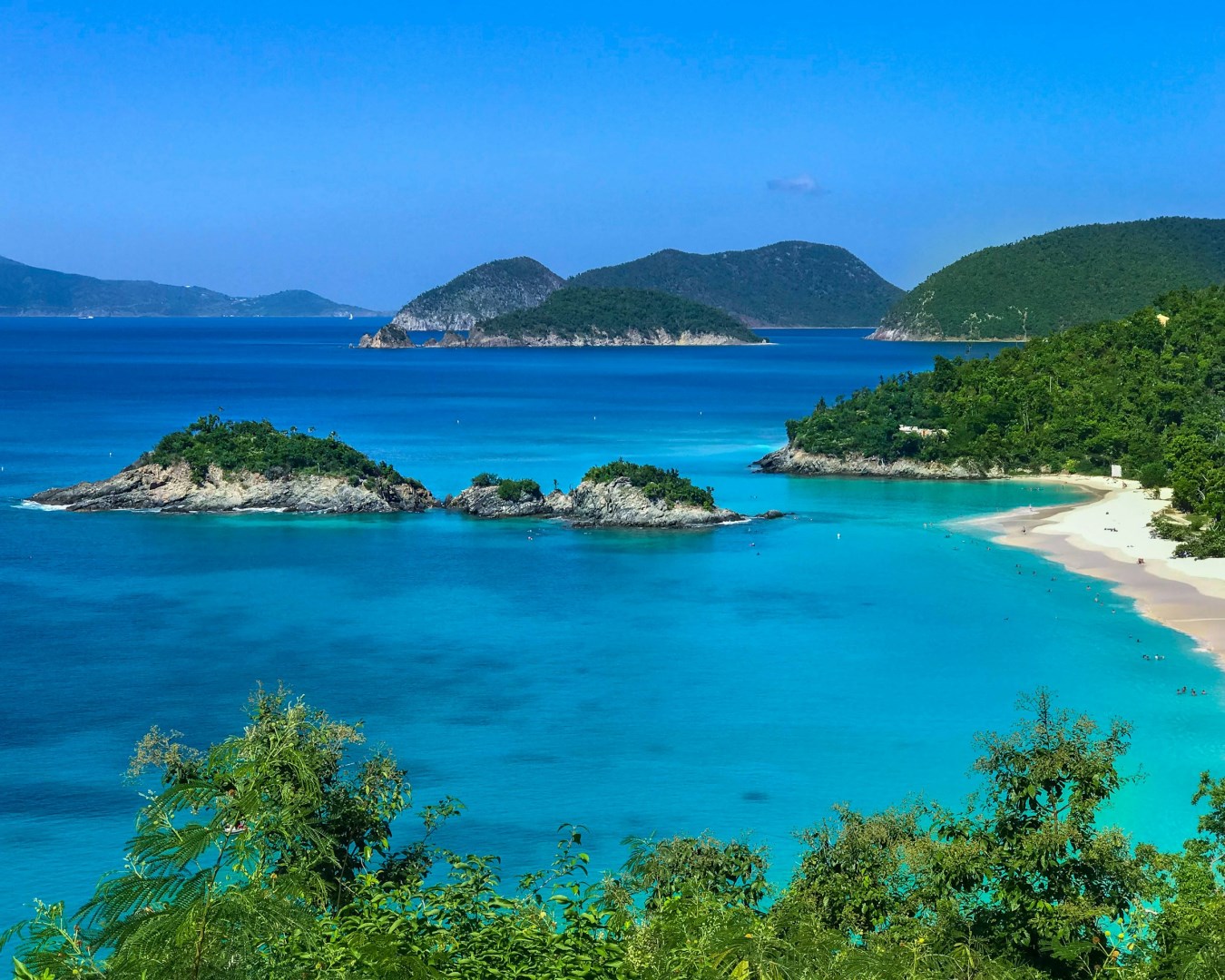
St. John Island
Think of it as a beach a day even on Leap Year. That's right, 366 beautiful beaches encircle this tropical island paradise, the focus of centuries of battles between Spain, France, Great Britain and Denmark. The Dane's influence has been the strongest.
