
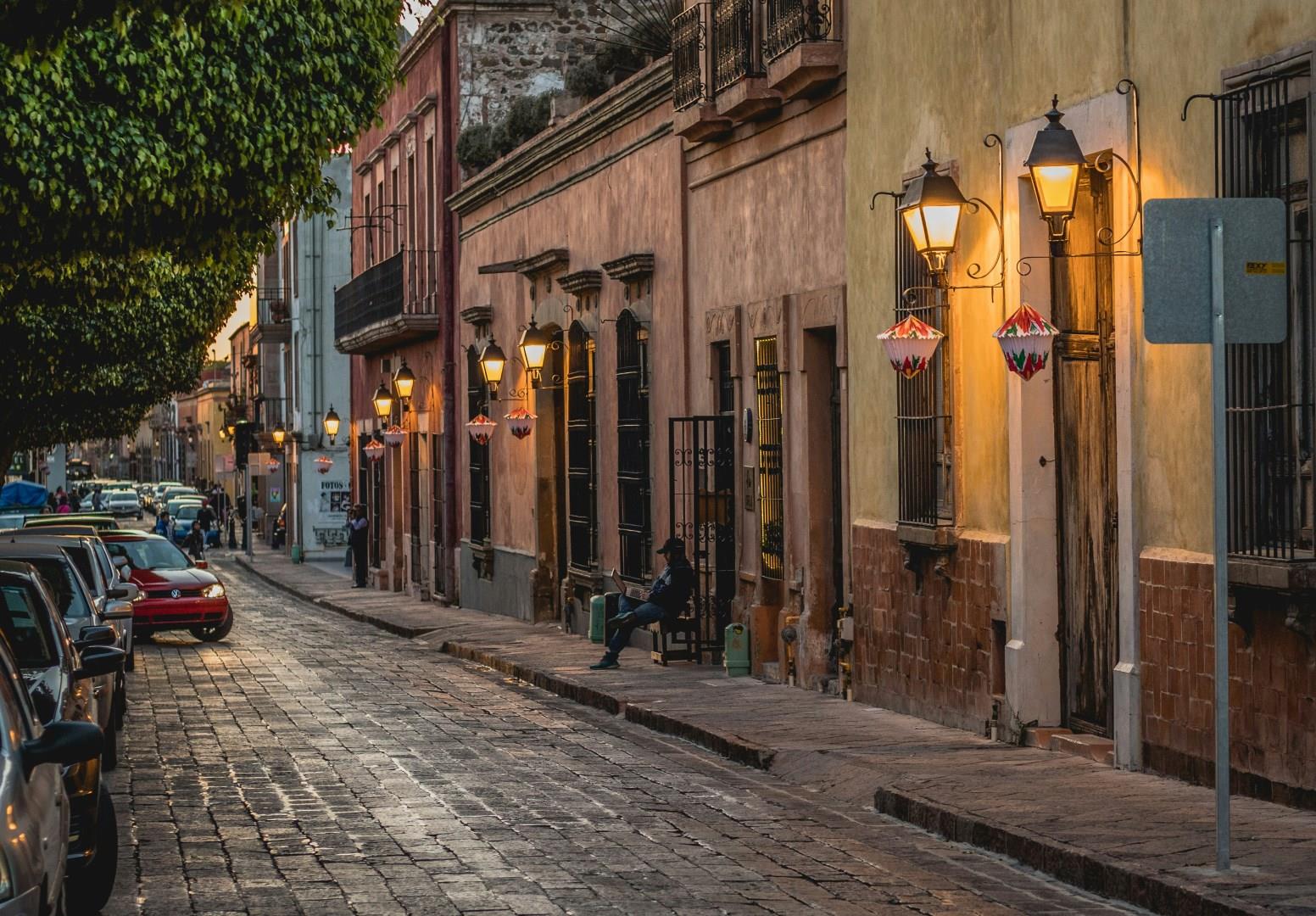
Querétaro
Querétaro, located in the heart of central Mexico, is a city where centuries of history are still visible in daily life. Its historic center, a UNESCO World Heritage Site, features narrow streets, elegant plazas, and baroque churches that reflect its colonial past. One of the city’s most iconic landmarks is the massive aqueduct, built in the 18th century with 74 stone arches stretching nearly a mile across the landscape.
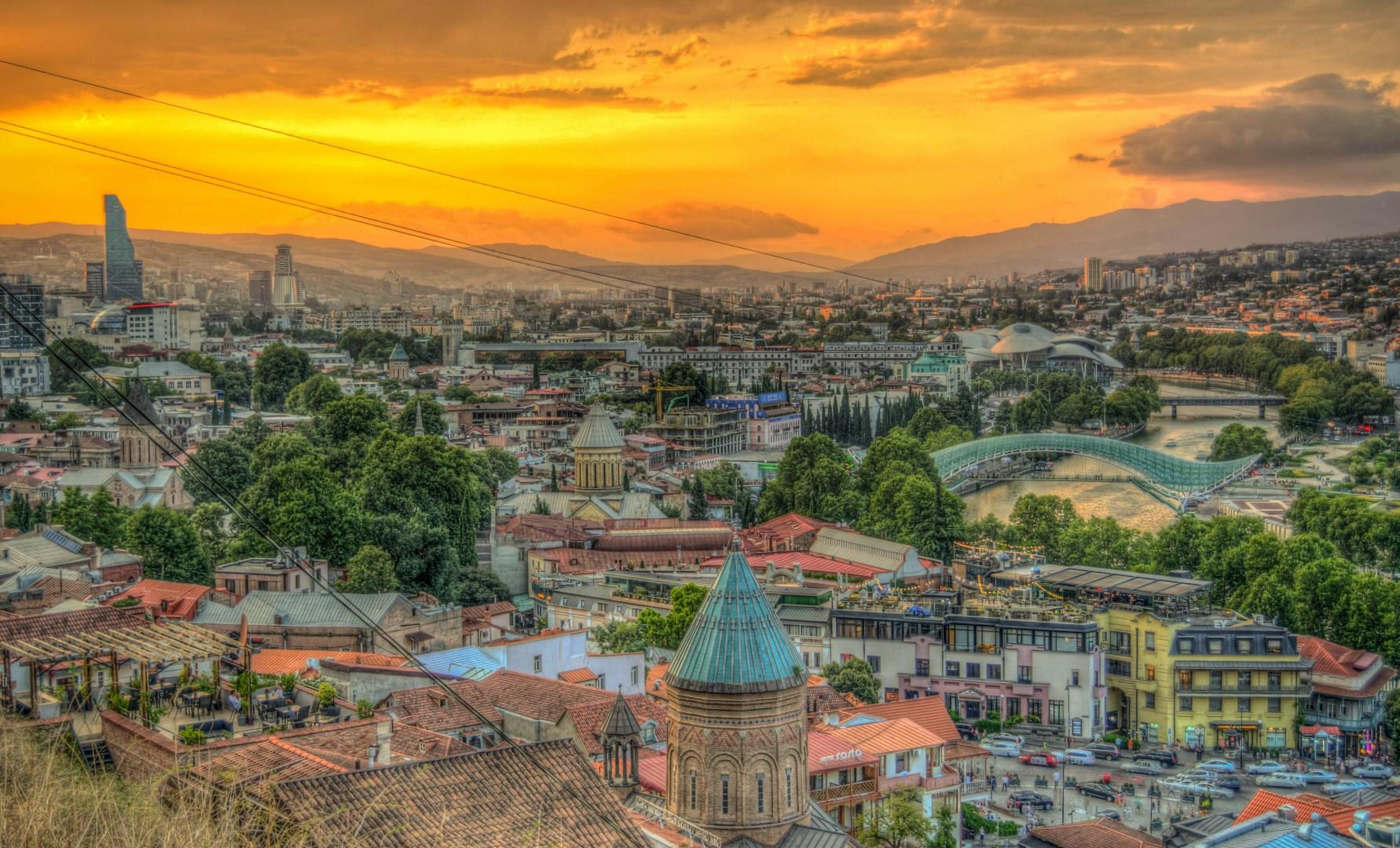
Tbilisi
Tbilisi, the capital of Georgia, is a city where tradition and modern life blend seamlessly. Set along the banks of the Kura River and surrounded by hills, its layout reflects centuries of change and cultural exchange. The Old Town, with its cobbled lanes and wooden balconies, is a living museum of architecture, showcasing influences from Persian, Ottoman, and Russian eras. Above it all, the Narikala Fortress stands watch, offering sweeping views of the city below.
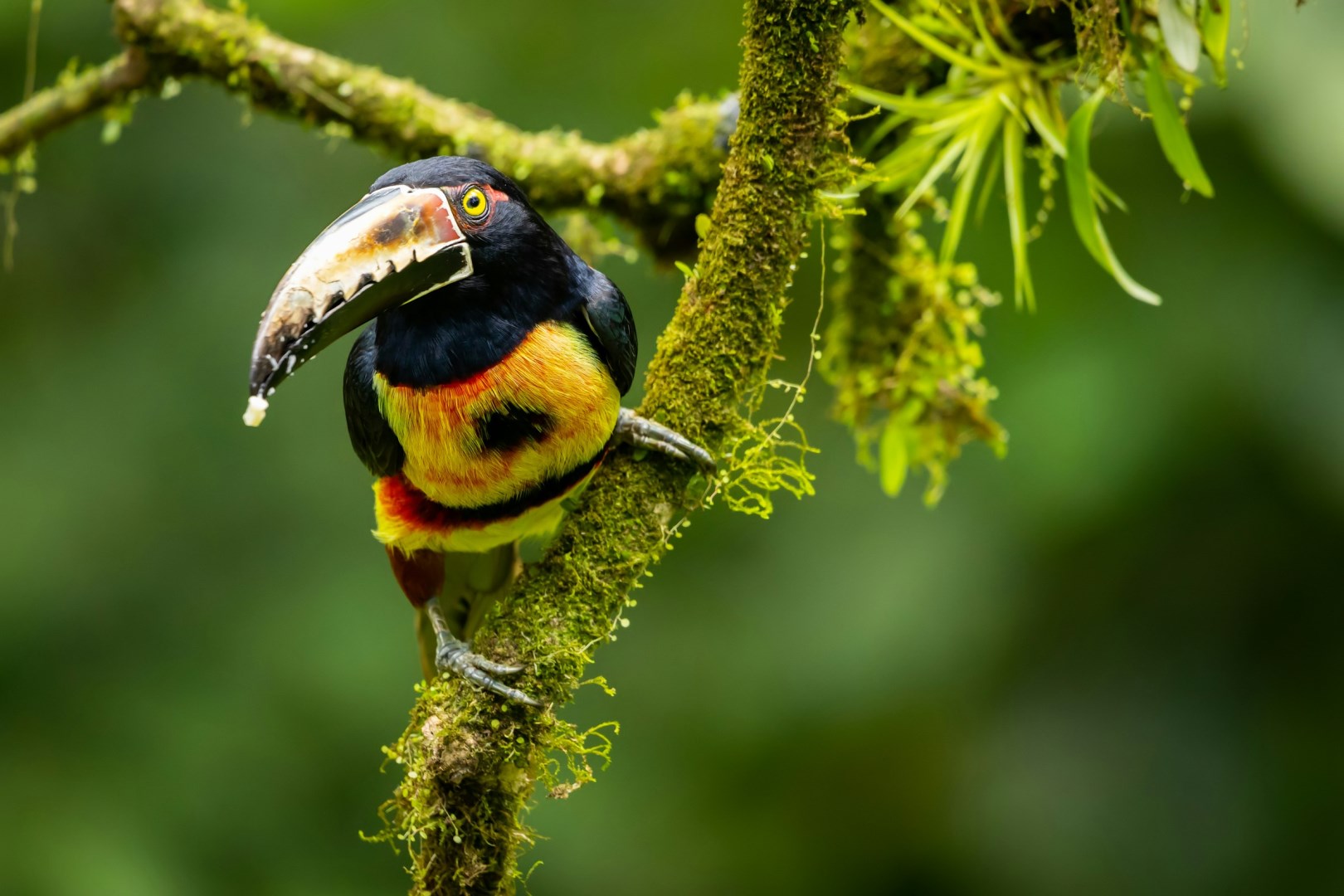
Guápiles
Guápiles is a regional city in Limón Province on Costa Rica's Caribbean slope, positioned between the Central Valley and the lowlands of the Caribbean coast. Its warm, humid climate supports lush vegetation, banana plantations, pastures, and tropical gardens, while the surrounding landscape includes rivers and forested foothills.
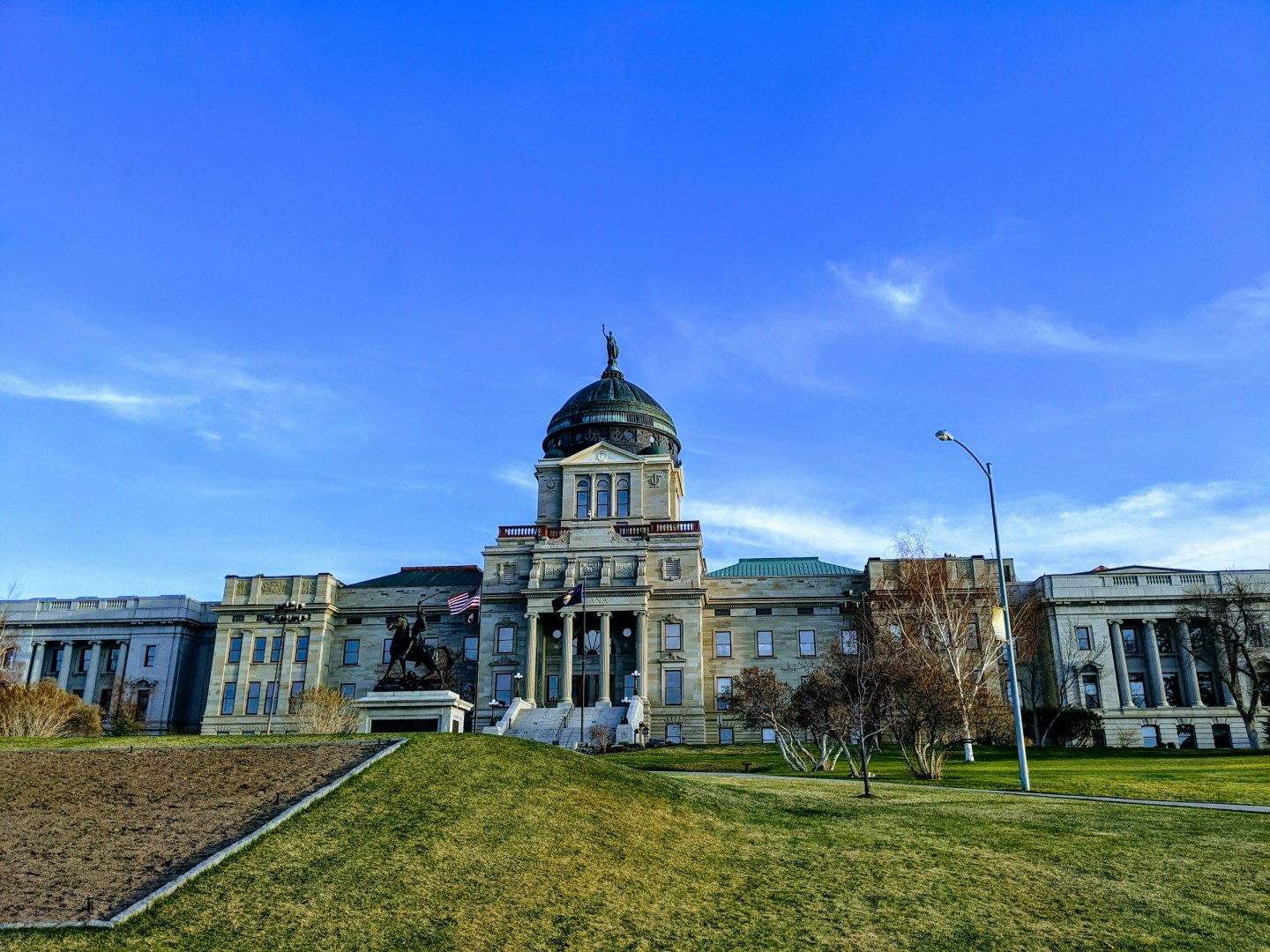
Helena
Helena is the capital of Montana, set among mountains, forests, and open valleys in the western part of the state. Its identity is closely tied to the gold mining that shaped the early settlement, while the modern city combines historic architecture with an active arts community and extensive outdoor recreation.
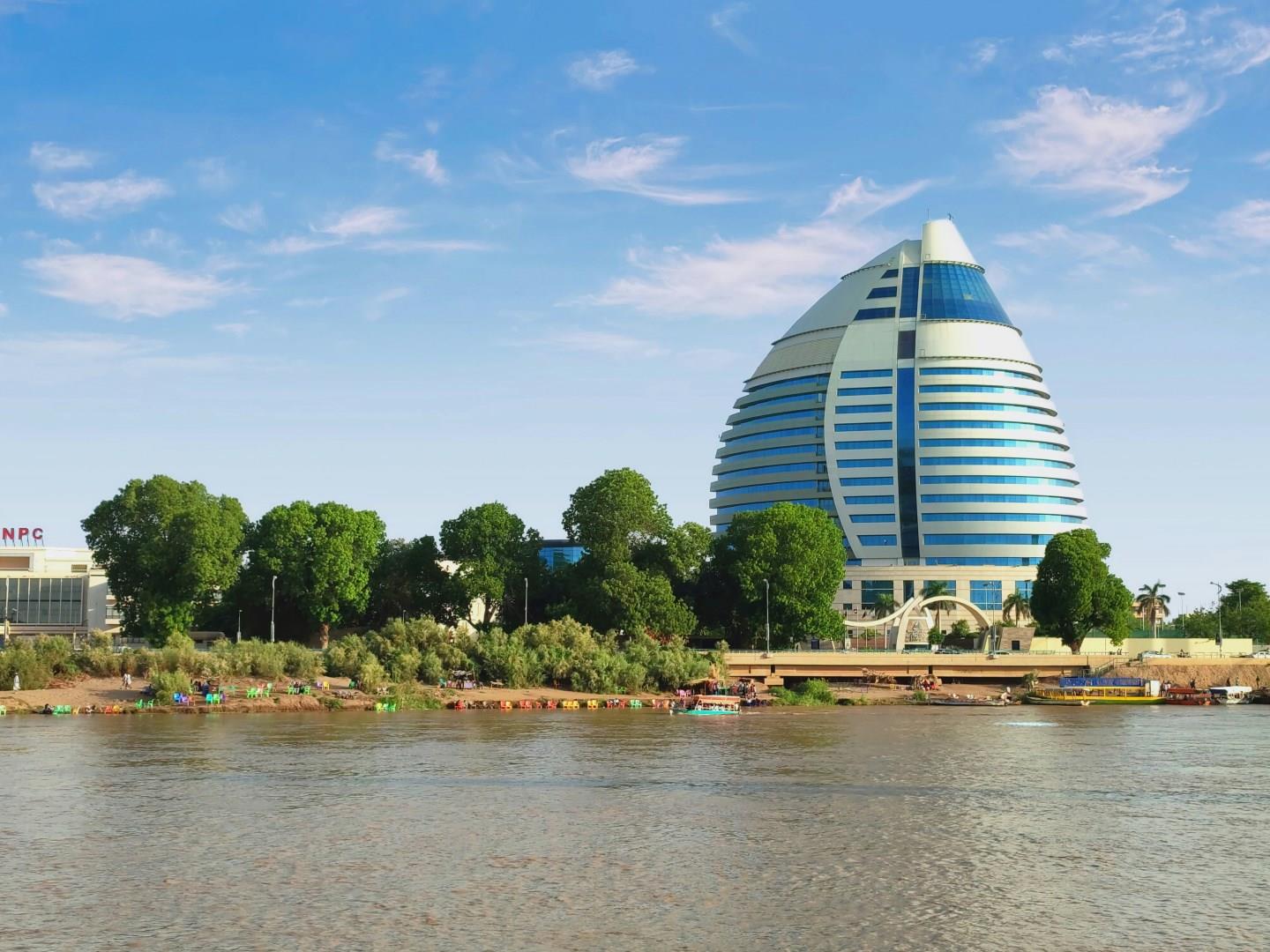
Khartoum
Khartoum, the capital of Sudan, sits where the Blue and White Nile rivers meet, creating a unique landscape of waterways, islands, and riverbanks.
