
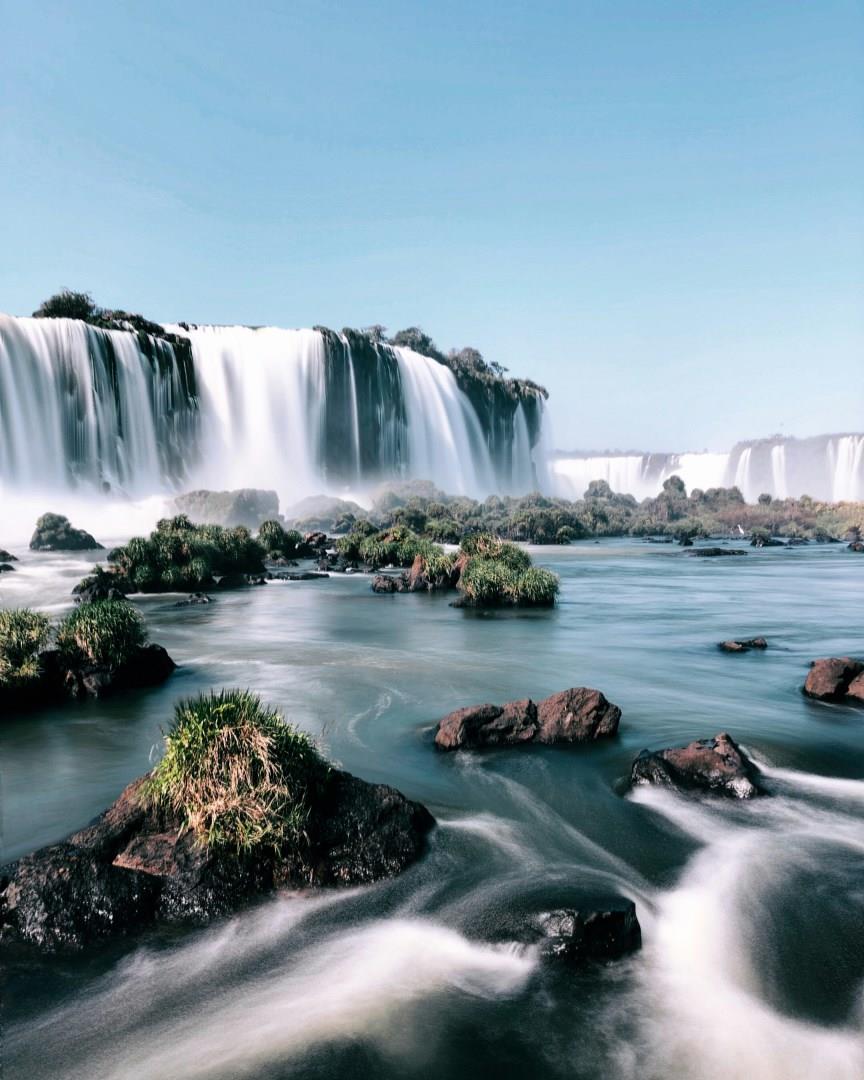
Foz do Iguaçu
Set at the meeting point of Brazil and Argentina, Foz do Iguaçu is defined by the sheer scale of the Iguaçu Falls. Nearly 275 individual waterfalls stretch across close to three kilometers, sending mist into the air and sound echoing through the surrounding forest. Visitors follow raised walkways that bring them face to face with this moving wall of water, culminating at the dramatic Devil’s Throat, a deep, curved drop where the river seems to vanish into the earth.

Dominica
Dominica, known as the “Nature Island of the Caribbean,” is a haven for eco-tourists and adventure seekers. Nestled between the French islands of Guadeloupe and Martinique, this lush island boasts a remarkable landscape of volcanic mountains, dense rainforests, and stunning waterfalls. Dominica’s most iconic natural wonder is the Boiling Lake, the second-largest hot spring in the world.

Patagonia
Patagonia, Argentina, is a land of untamed beauty, where jagged peaks, expansive glaciers, and crystal-clear lakes come together to create one of the most awe-inspiring landscapes on Earth.
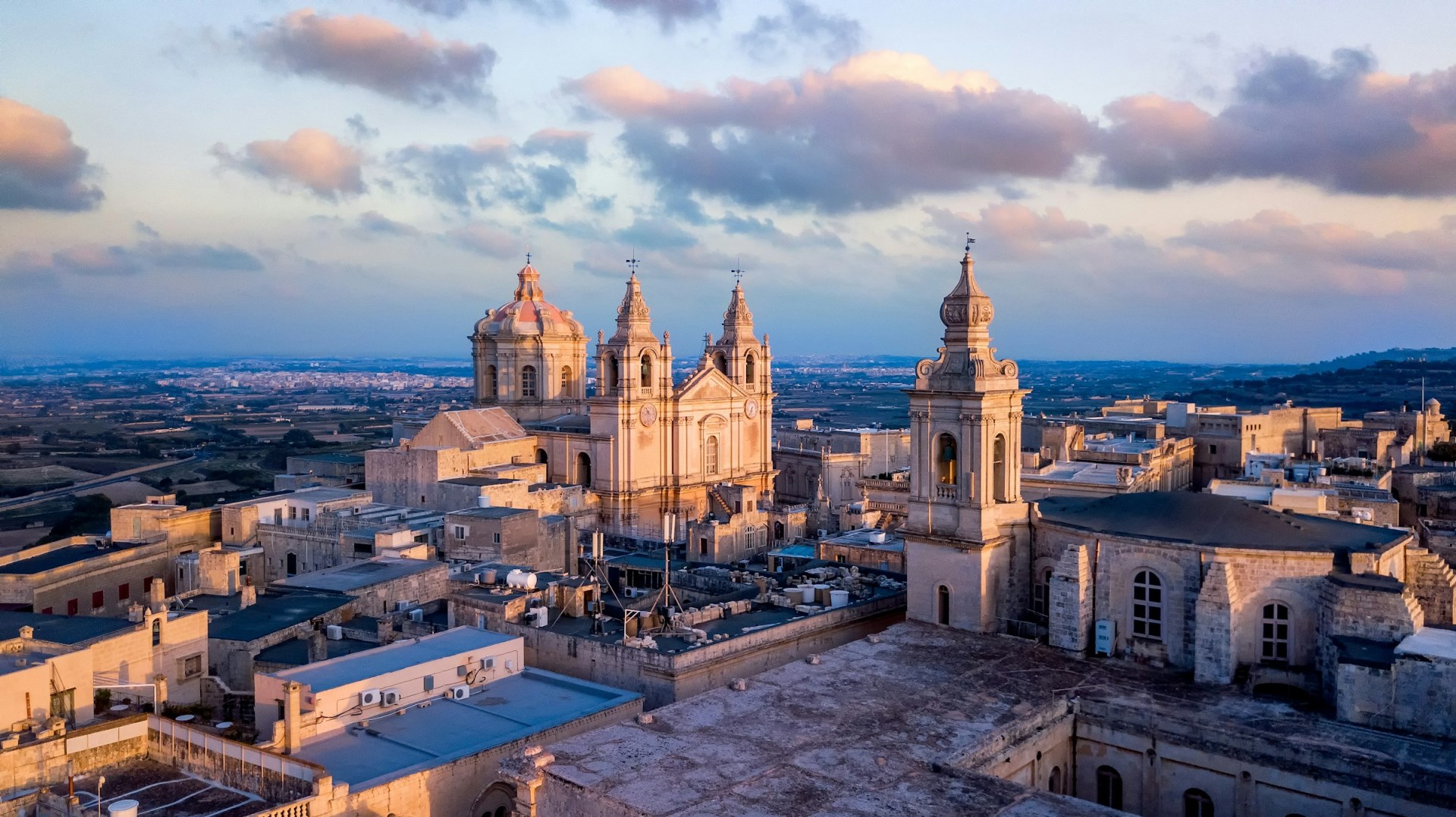
Mdina
Mdina is a fortified hilltop city in central Malta, known as the Silent City for its quiet streets and enclosed historic character. The former capital occupies a limestone plateau above the surrounding countryside, with massive walls, narrow lanes, small squares, and honey-colored buildings creating a compact urban landscape. The main entrance leads toward Villegaignon Street and the center of the old city, where St Paul’s Cathedral dominates Cathedral Square.

Savuti
Savuti, located in the northern part of Botswana, is a prime destination for those seeking an extraordinary wildlife experience. Nestled within the Chobe National Park, Savuti is renowned for its dynamic landscapes and prolific game viewing opportunities. This area is particularly famous for its seasonal changes, where the Savuti Channel, a once-dry riverbed, transforms into a vibrant waterway during periods of flooding.
