
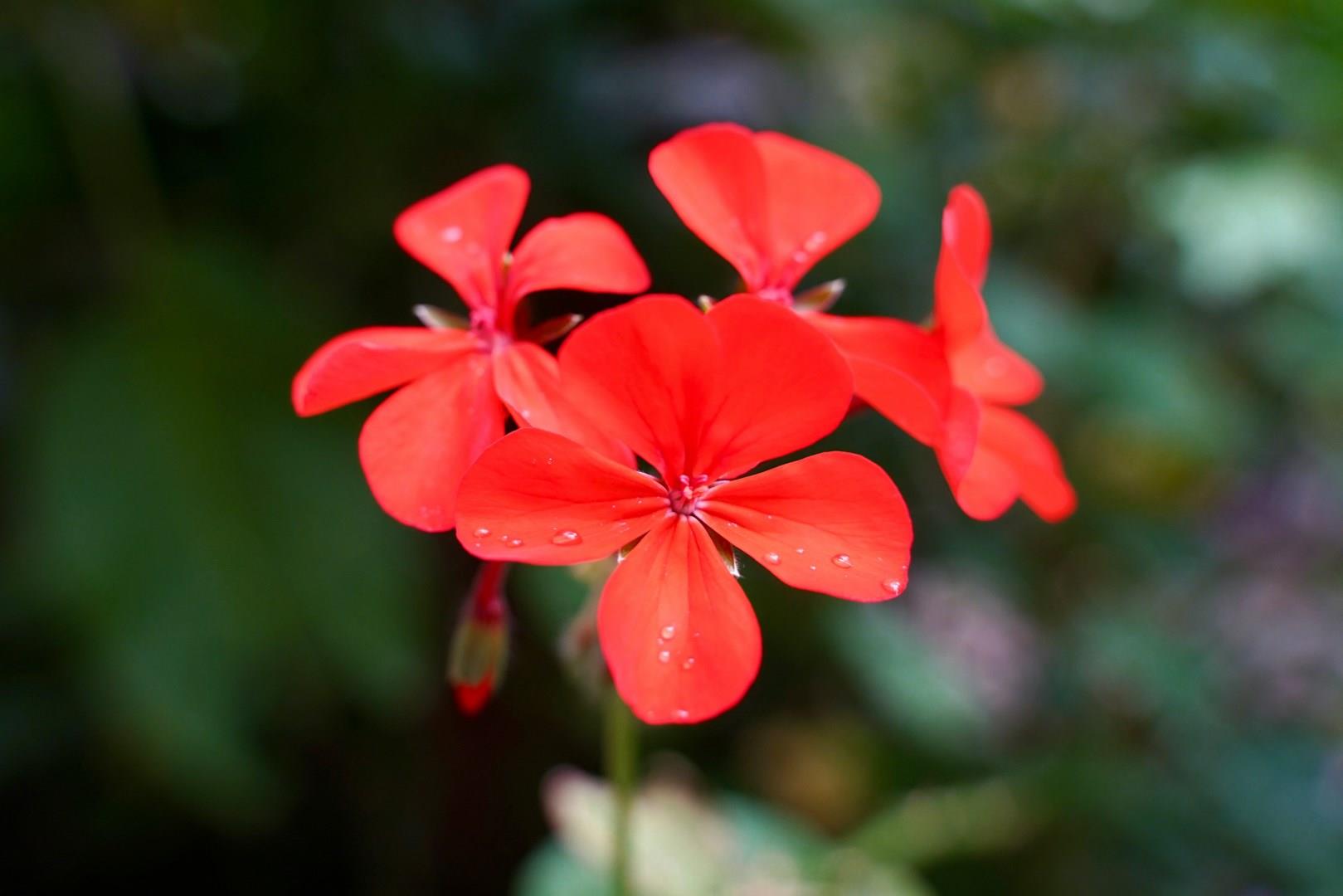
Aguas Calientes
Aguas Calientes, officially called Machupicchu Pueblo, sits in a narrow valley below the ruins of Machu Picchu, shaped almost entirely by geography and access. The town grew around the railway and hot springs that give it its name, becoming a necessary stopping point rather than a destination planned in advance. Its identity is closely tied to movement, with most people arriving on foot or by train and staying briefly before heading uphill.
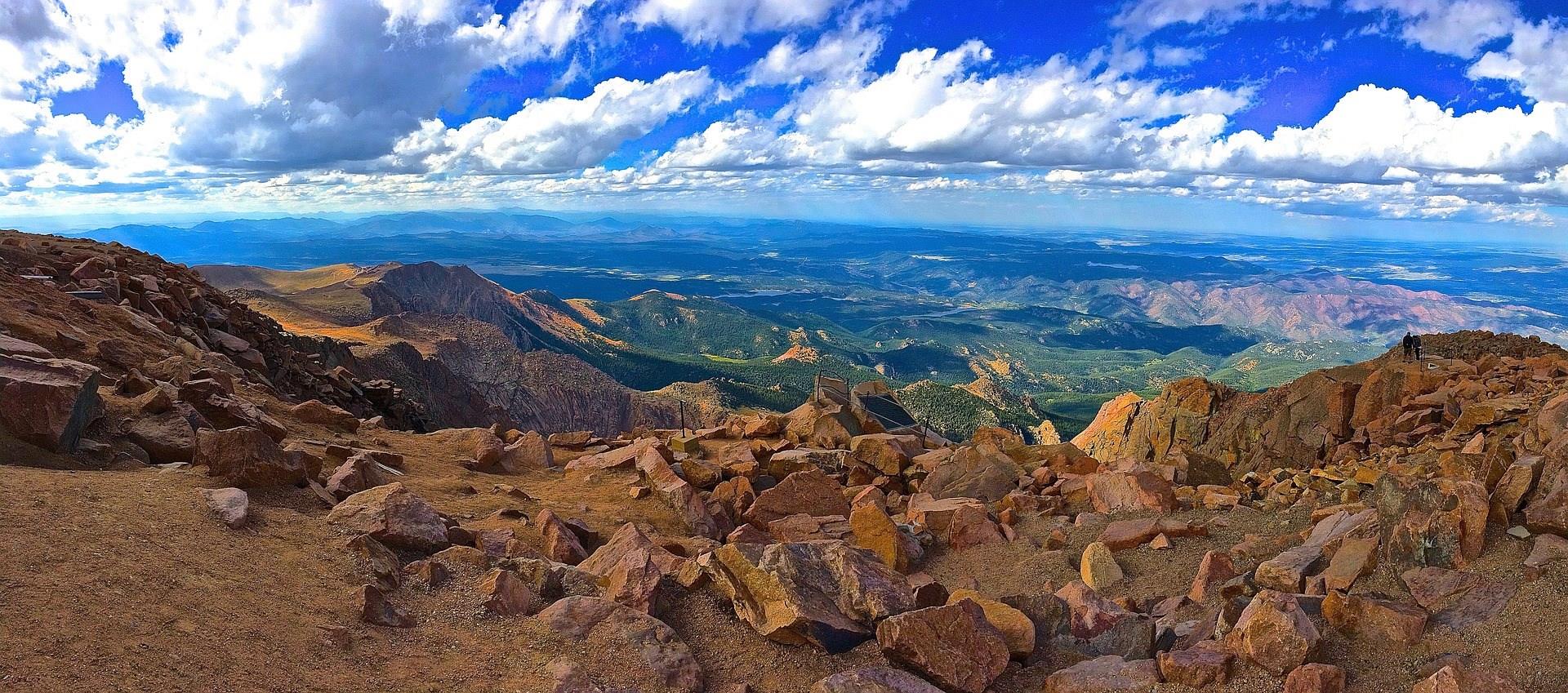
Pike's Peak
Pikes Peak, located in the heart of Colorado's Rocky Mountains, offers visitors an awe-inspiring natural experience. The Pikes Peak Highway, which ascends to the summit, allows travelers to reach the top by car, making it a popular choice for those looking to experience high-altitude vistas without the strenuous hike.
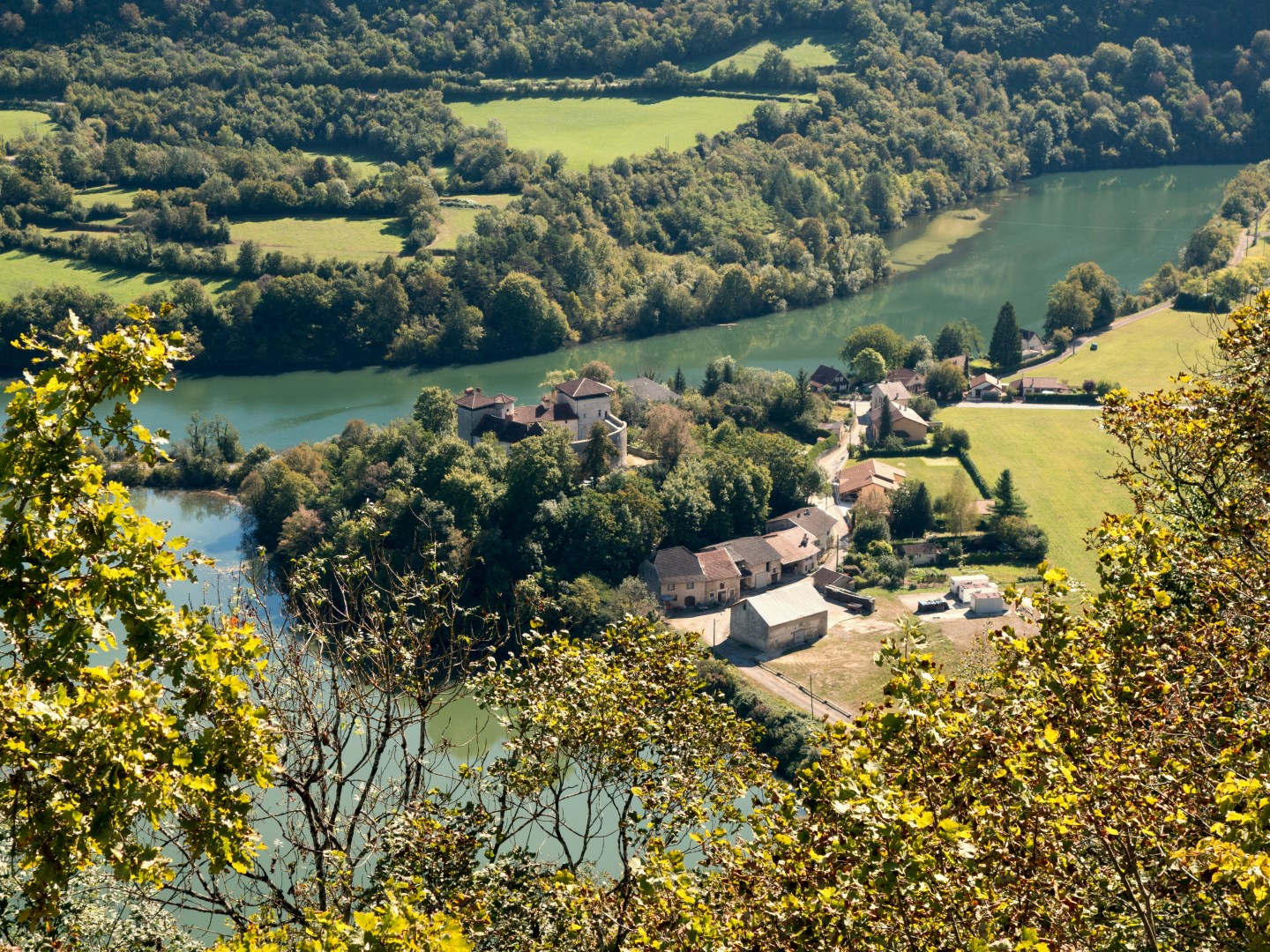
Conflans
France’s Conflans-Sainte-Honorine sits quietly at the meeting point of the Seine and Oise rivers.
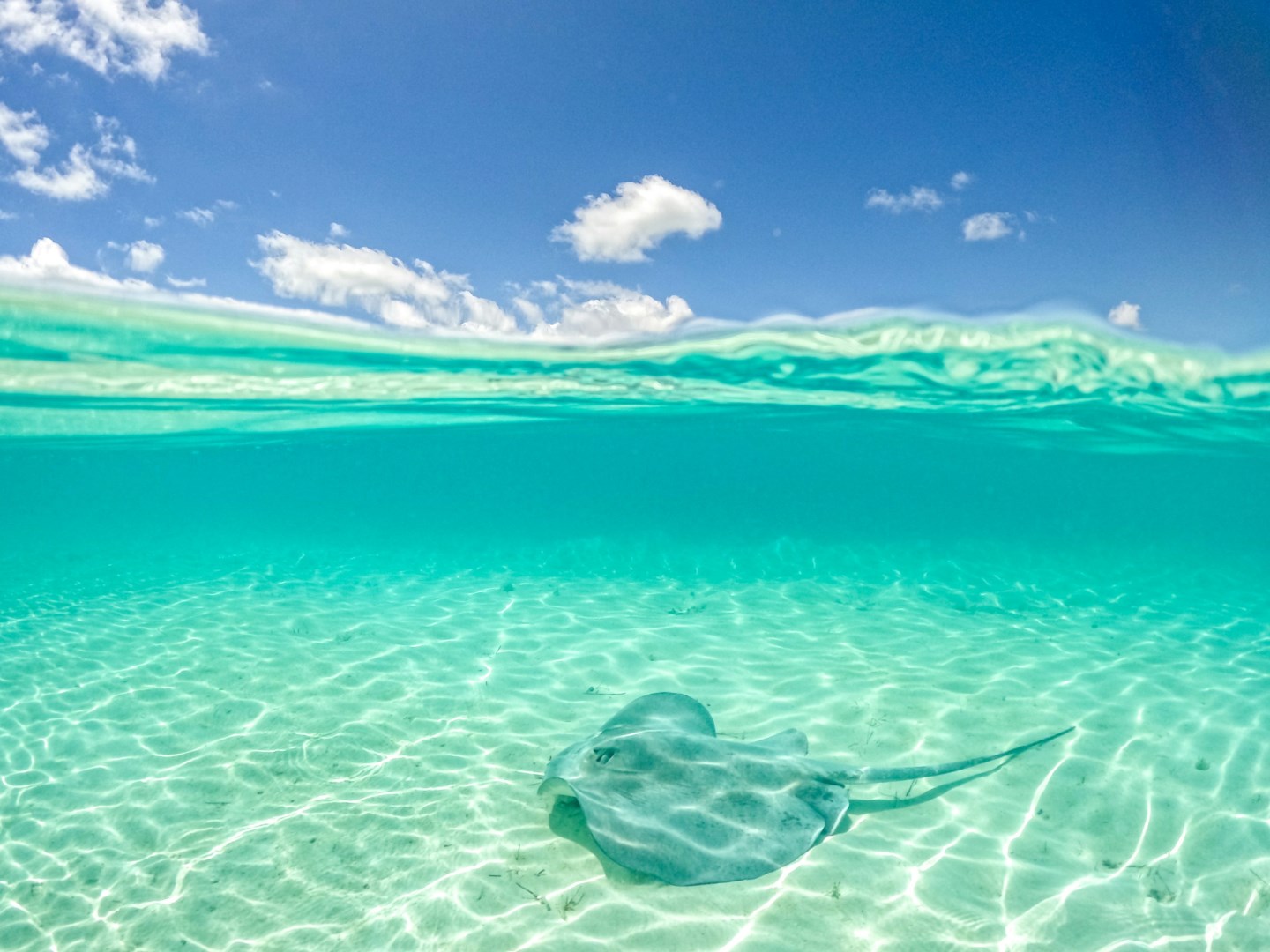
Exuma
Exuma is a long chain of islands and cays in the central Bahamas, stretching through clear Atlantic waters southeast of New Providence. The district includes Great Exuma, Little Exuma, and hundreds of smaller cays, with George Town serving as the main settlement and administrative centre. The islands are characterized by white-sand beaches, shallow turquoise banks, limestone landscapes, mangroves, and sheltered bays.
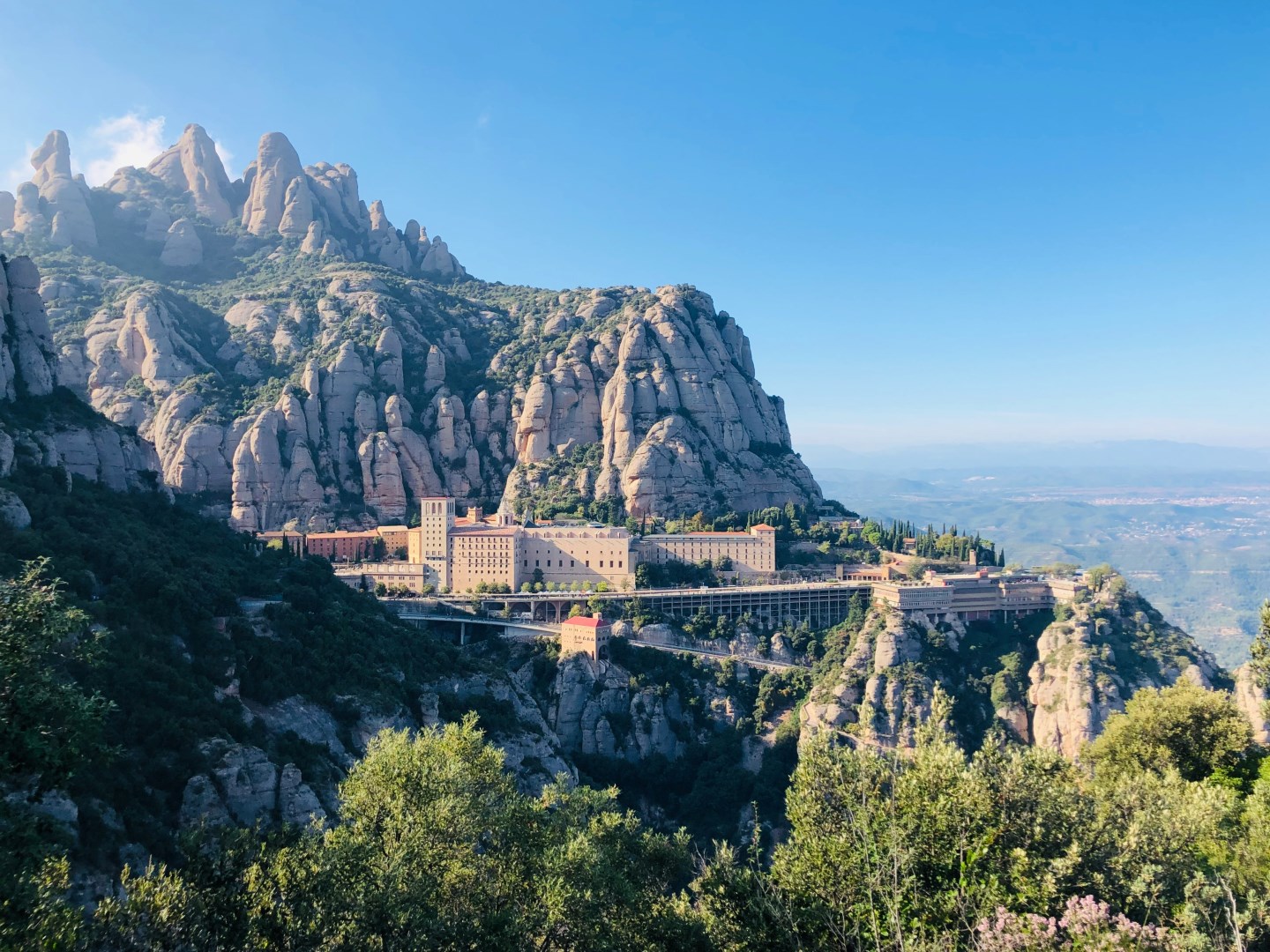
Montserrat
Montserrat Mountain rises sharply from the plains of Catalonia, its jagged rock shapes visible from far away. The mountain is known for its unusual rounded peaks and narrow ridges, formed into striking forms that look almost carved by hand. Trails and cable cars lead visitors upward from nearby villages such as Monistrol de Montserrat, where the climb quickly reveals wide views across the region, stretching toward Barcelona on clear days.
