
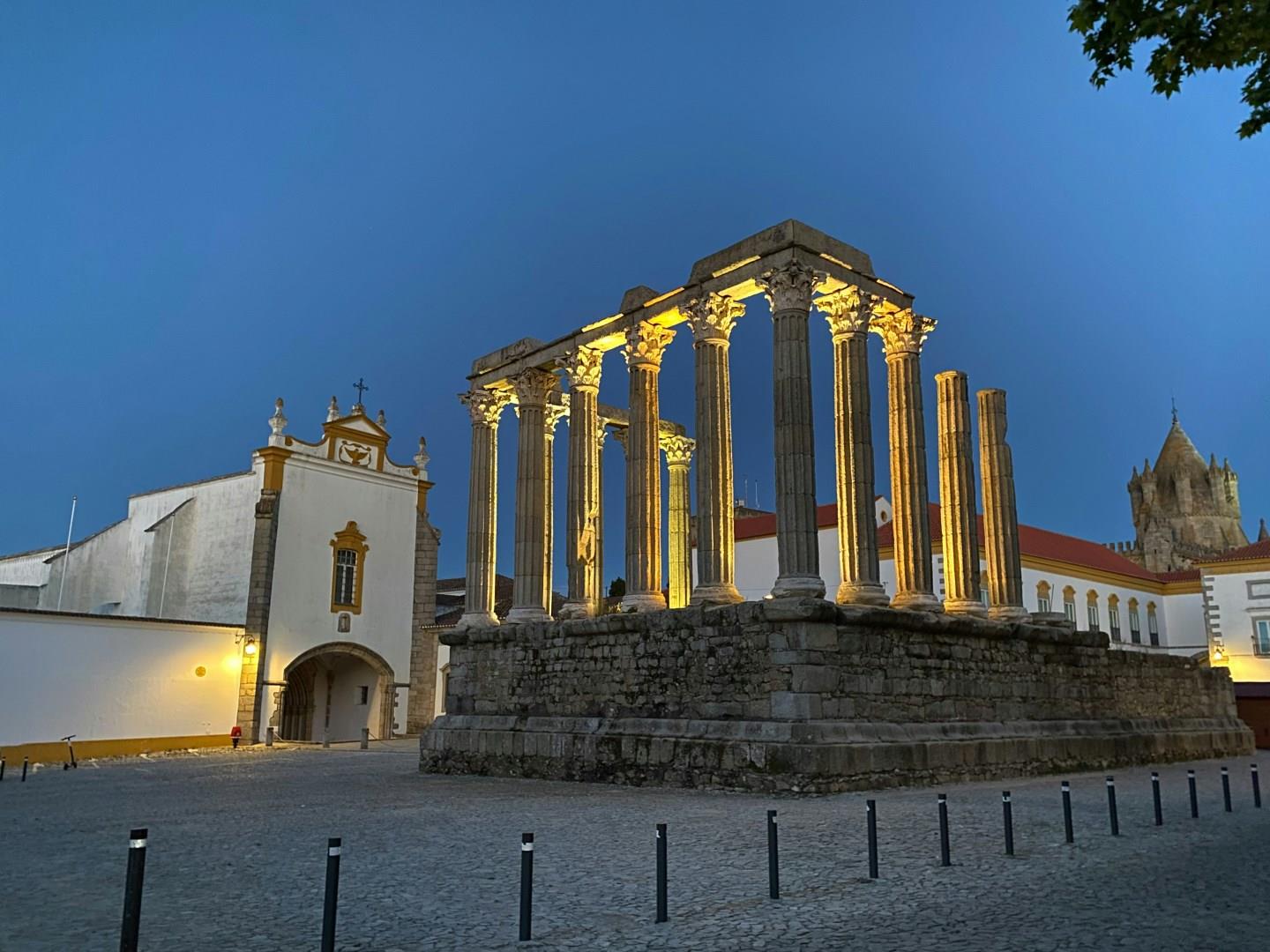
Evora
Évora, in Portugal’s Alentejo region, feels like stepping into a story that spans more than two thousand years. Its Historic Centre was named a UNESCO World Heritage Site for good reason with its ancient walls, homes with wrought-iron balconies, and narrow streets quietly preserve traces of Roman, Moorish, and medieval life. Beyond architecture and monuments, Évora reveals lesser-known treasures that reward exploration.
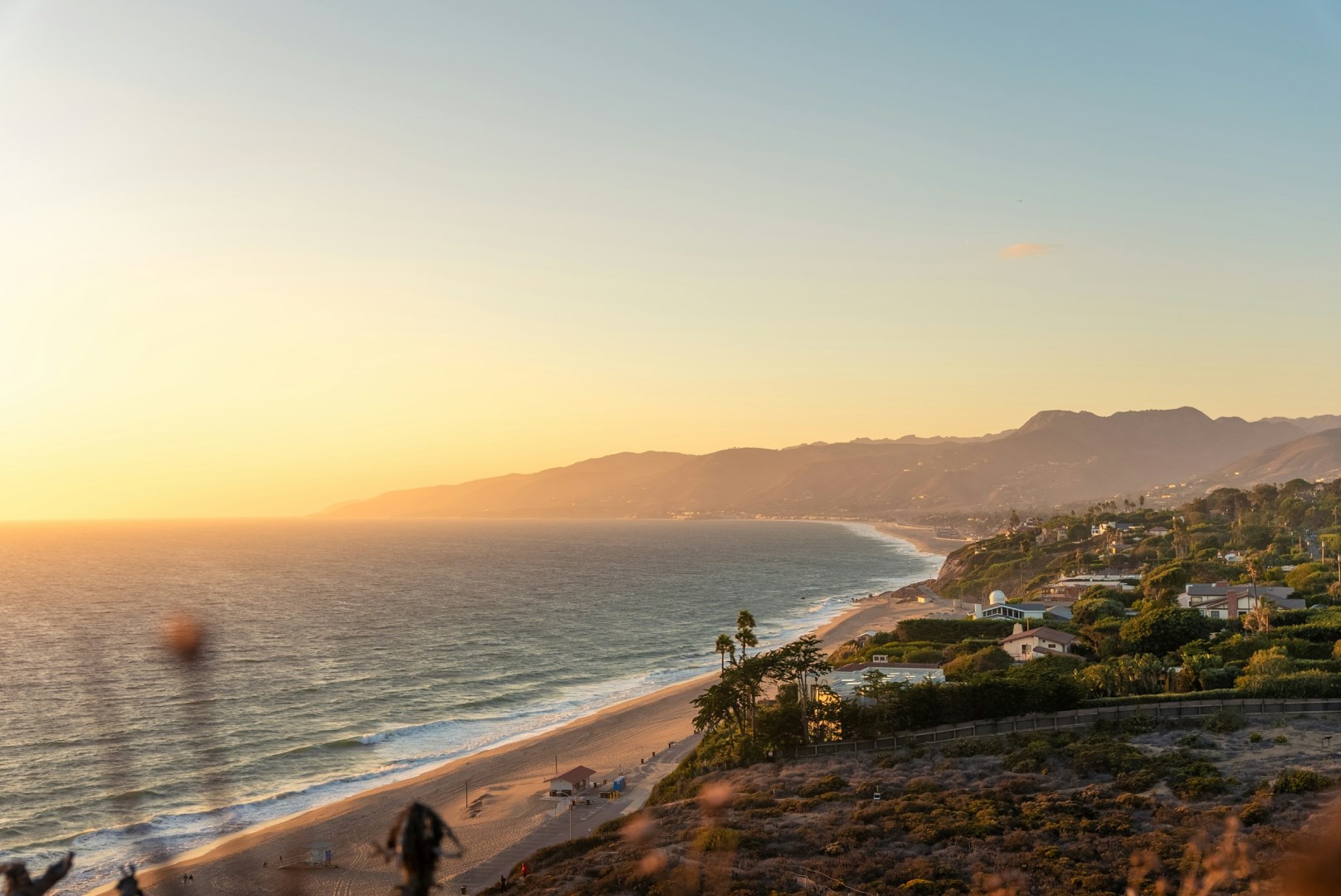
Malibu
Malibu is a coastal city in Southern California, stretching along the Pacific Ocean west of Los Angeles. The community is set between the Santa Monica Mountains and a long, irregular coastline of sandy beaches, rocky coves, sea cliffs, and offshore waters. Much of Malibu remains relatively low-density, with homes and roads following the narrow coastal strip between the mountains and ocean.
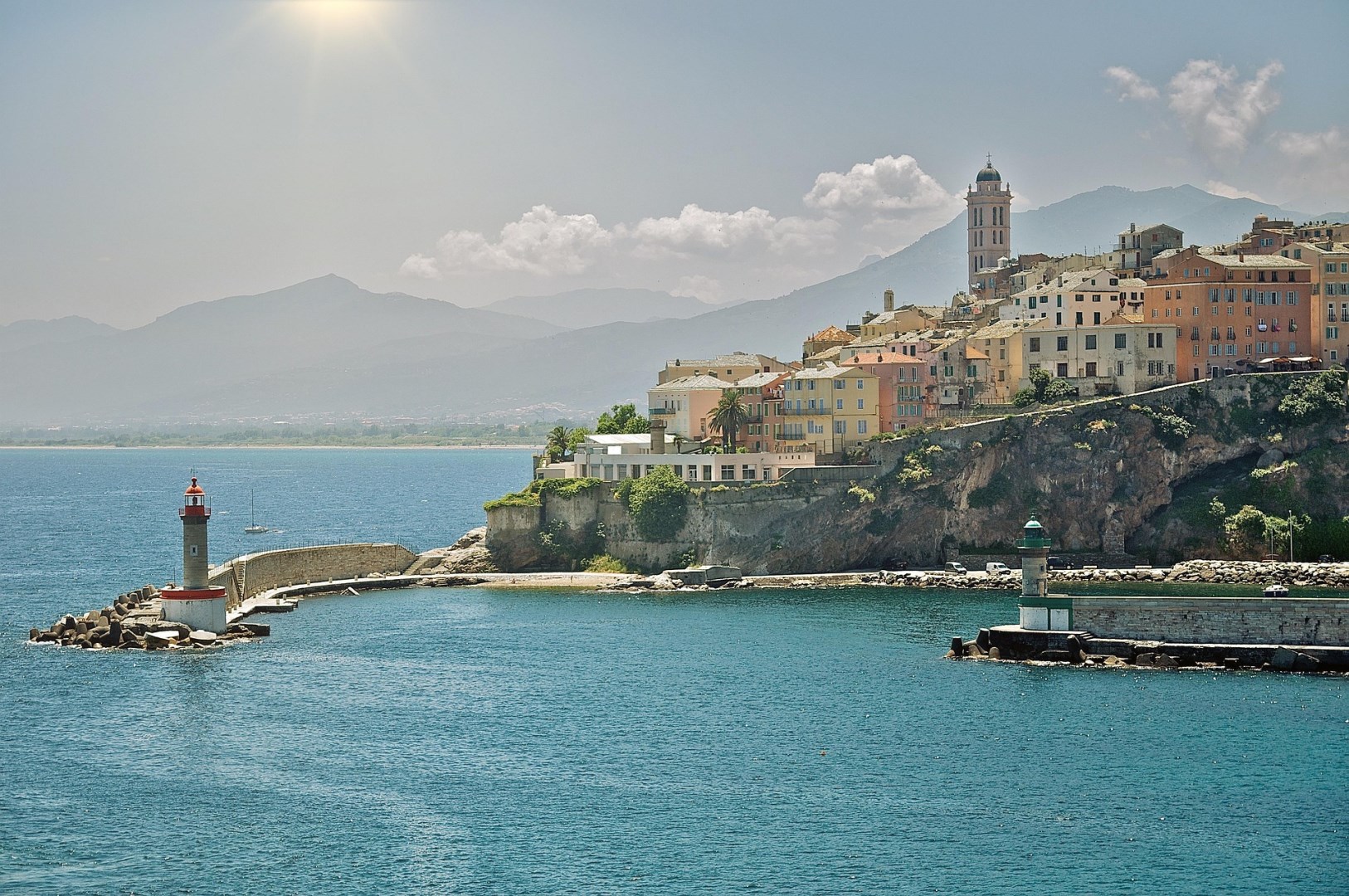
Corsica
Corsica is a Mediterranean island and territorial collectivity of France known for a landscape that changes quickly from rocky coastlines to forested mountains and inland valleys. Its main towns include Ajaccio, Bastia, Bonifacio, Calvi, and Porto-Vecchio, while smaller villages are scattered through the interior. The island’s geography gives it a strong regional identity, with the sea, mountains, and maquis scrubland shaping both settlement and daily life.
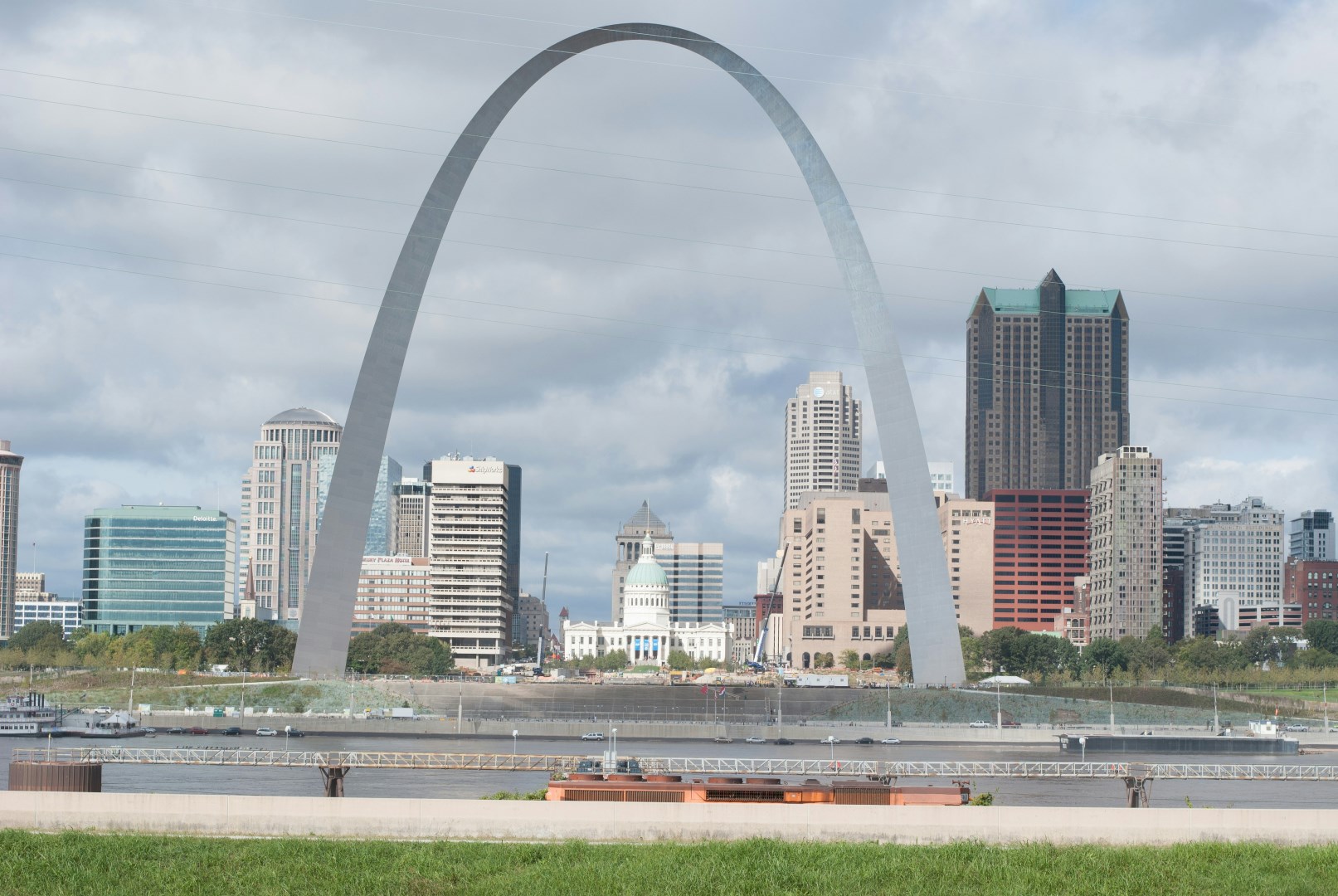
St. Louis
St. Louis is a major city in the state of Missouri, United States, located along the western bank of the Mississippi River. It is widely recognized for the Gateway Arch, which defines its skyline and reflects its historical role as a point of movement toward the western parts of the country.
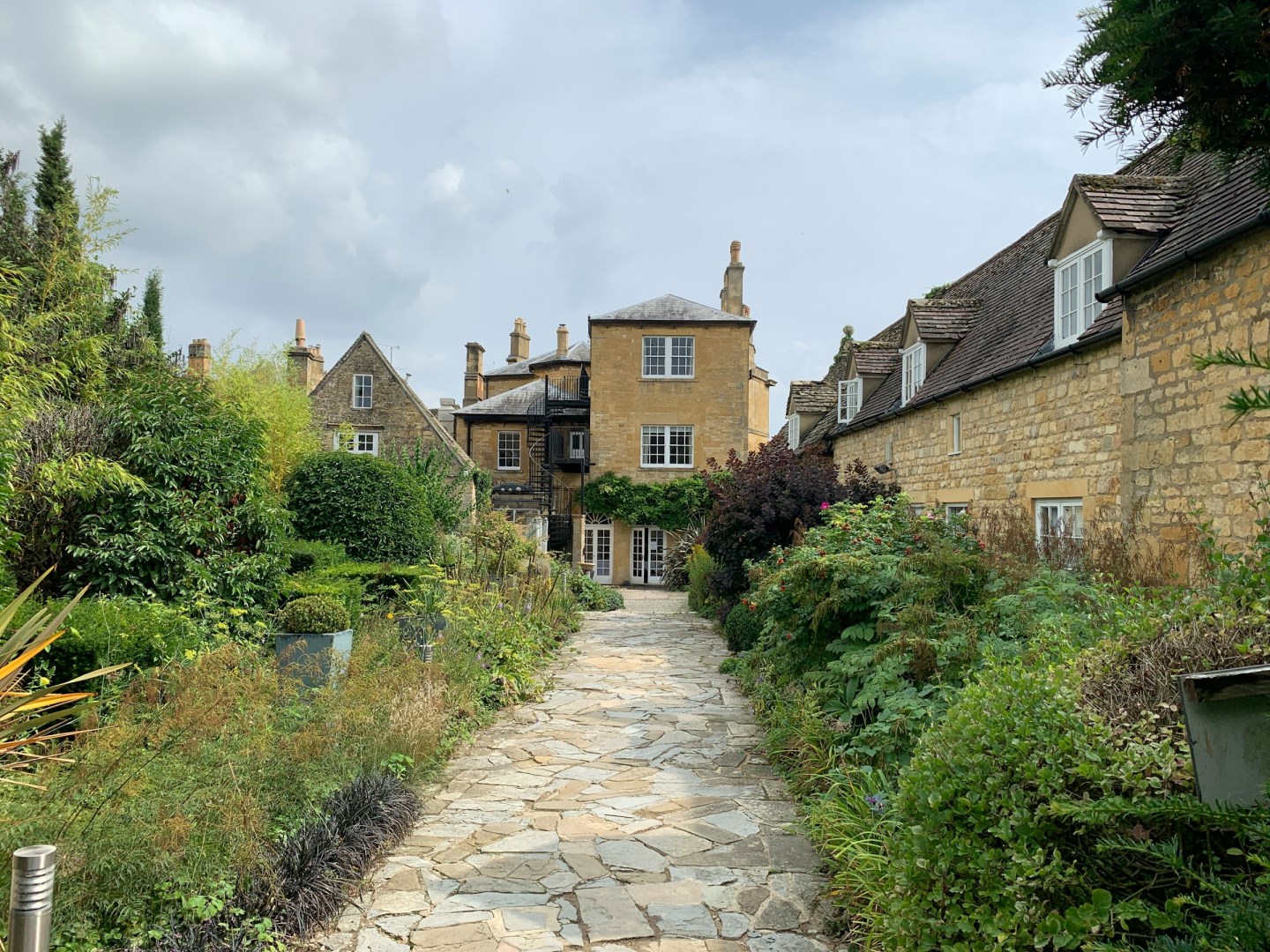
Chipping Campden
Chipping Campden is a historic market town in the Cotswolds of Gloucestershire, surrounded by gently rolling farmland and limestone villages. Its main street is lined with honey-colored stone buildings, many dating from the medieval and early modern periods, giving the town a distinctive architectural character. The Market Hall, built as a shelter for local traders, is one of its best-known landmarks.
