
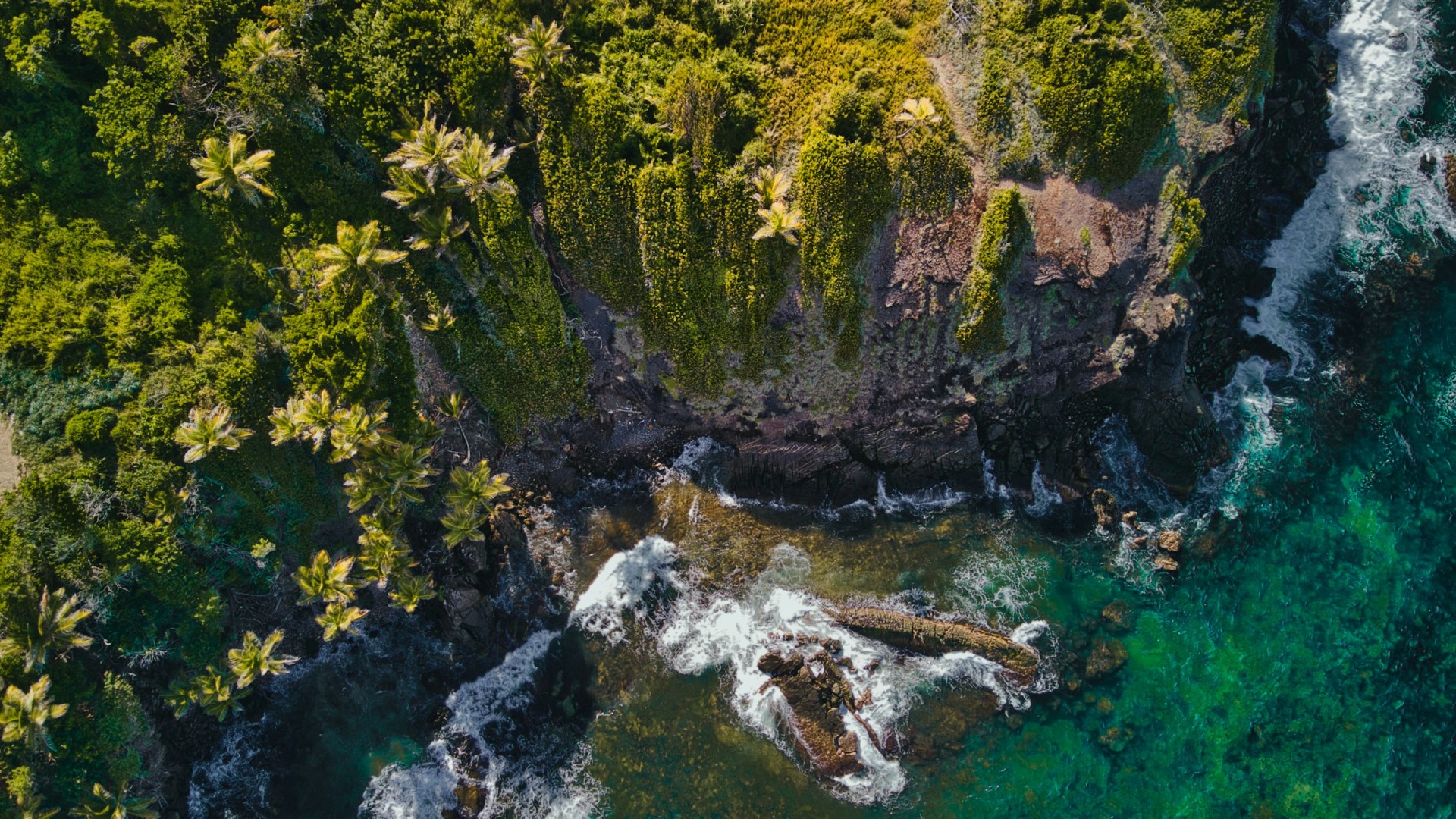
Toco
Toco is a rural coastal community at the northeastern tip of Trinidad, where the Atlantic Ocean meets the Caribbean Sea near the boundary between the two waters. The area is surrounded by forested hills, coconut groves, small farms, fishing villages, and rocky headlands. Toco is connected to the rest of Trinidad by the North Coast Road, which follows a scenic route through the Northern Range before reaching the coast.
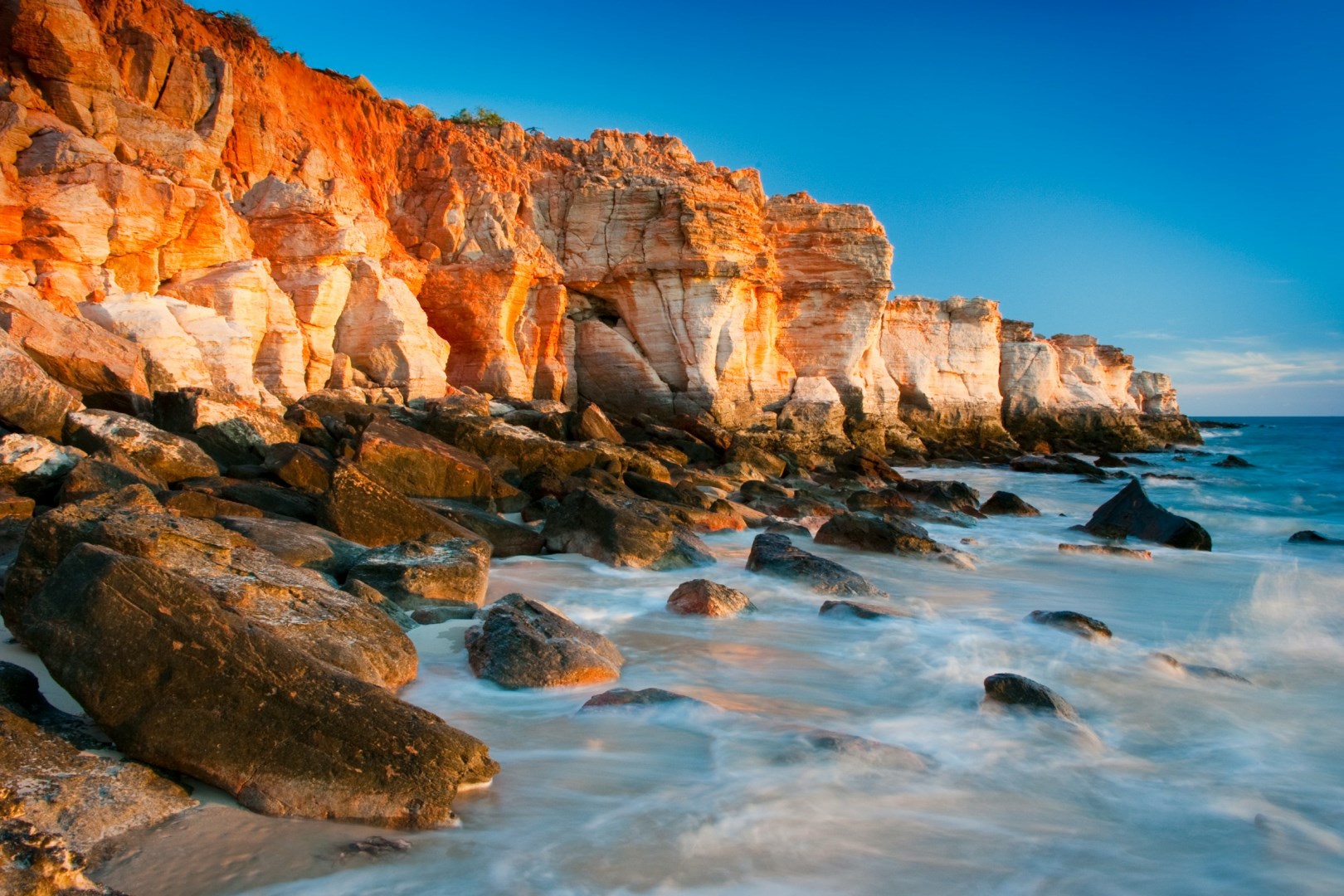
Dampier
Dampier Peninsula is situated along the north east coast of western Australia within the famous Kimberley. Around half of the Peninsula is covered by Aboriginal land, and so you should check with the Tourist Information Centre in Broome about the areas where you may not be permitted. However, there are several places where you can stay.

Blyde River Canyon
Nestled in the northeastern corner of South Africa, the Blyde River Canyon offers a breathtaking panorama of natural beauty and geological wonder. As one of the largest canyons in the world, this verdant ravine stretches approximately 26 kilometers long and plunges to depths of over 800 meters. Its lush, subtropical foliage and dramatic rock formations create a landscape that is both picturesque and awe-inspiring.
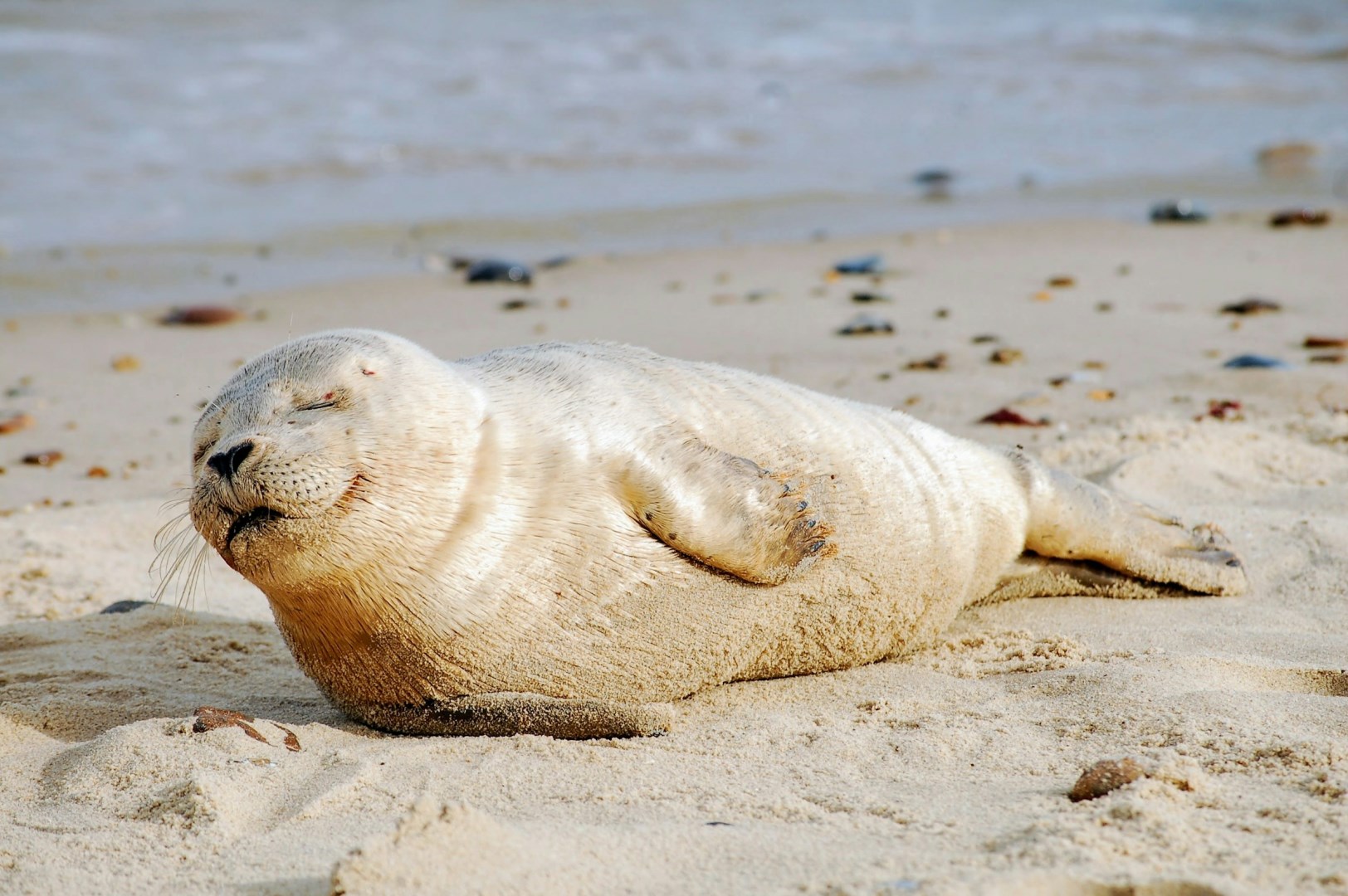
Great Yarmouth
Great Yarmouth is a coastal town in Norfolk, eastern England, positioned where the North Sea meets the River Yare and the Broads. Its long sandy coastline and broad seafront have shaped the town's identity as a major seaside resort, while the harbour and waterfront retain strong links to fishing and maritime trade.
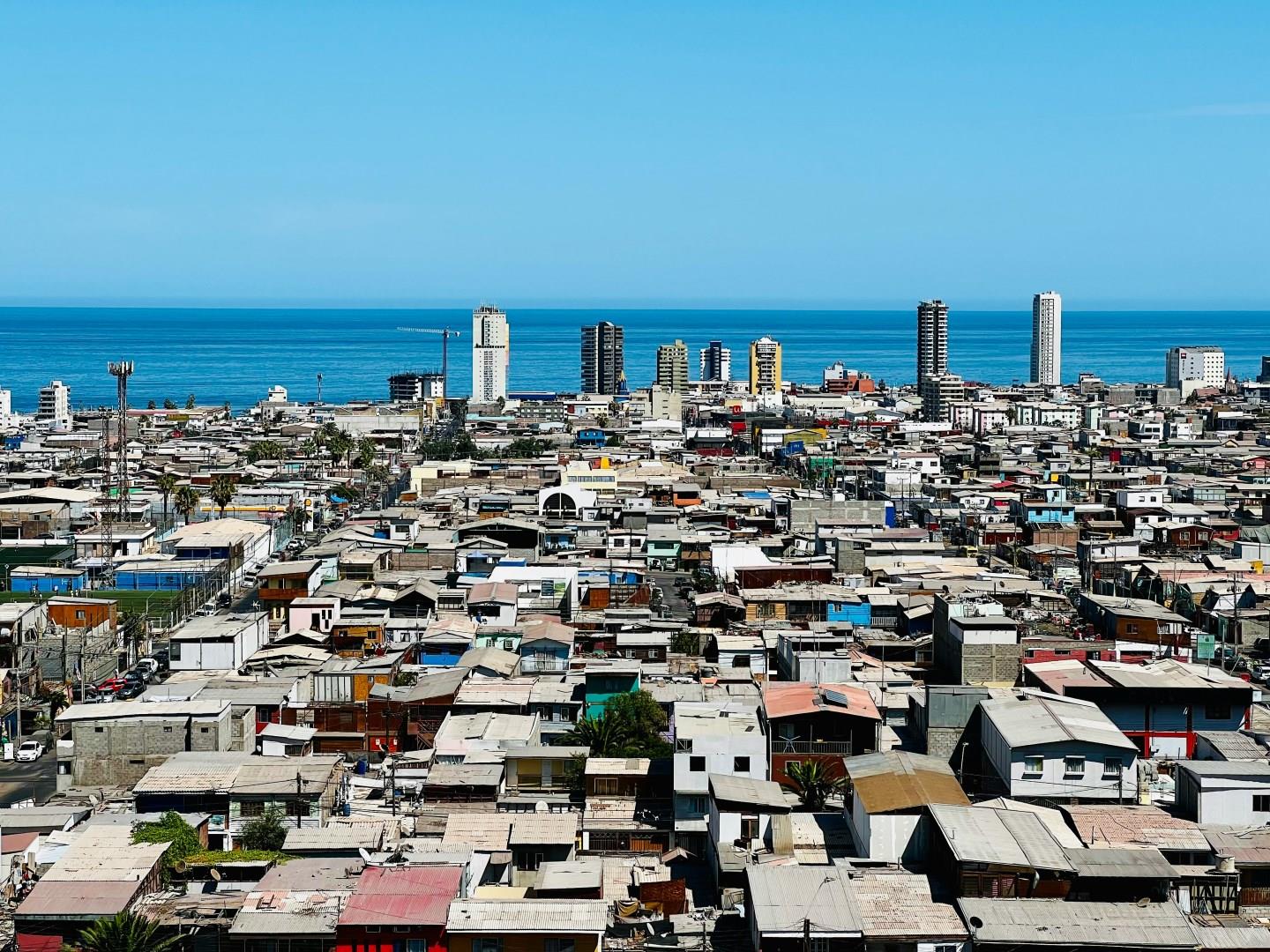
Iquique
Iquique, perched between the Pacific Ocean and the sweeping sand dunes of the Atacama Desert, offers more than just sun and surf. This coastal city in northern Chile is a duty-free port, drawing visitors with its unique blend of high-end shopping, historic districts, and adrenaline-filled adventures. Whether wandering along the palm-lined Baquedano Boulevard or gliding down the towering sand dunes on a sandboard, Iquique surprises at every turn.
