
Zacatecas
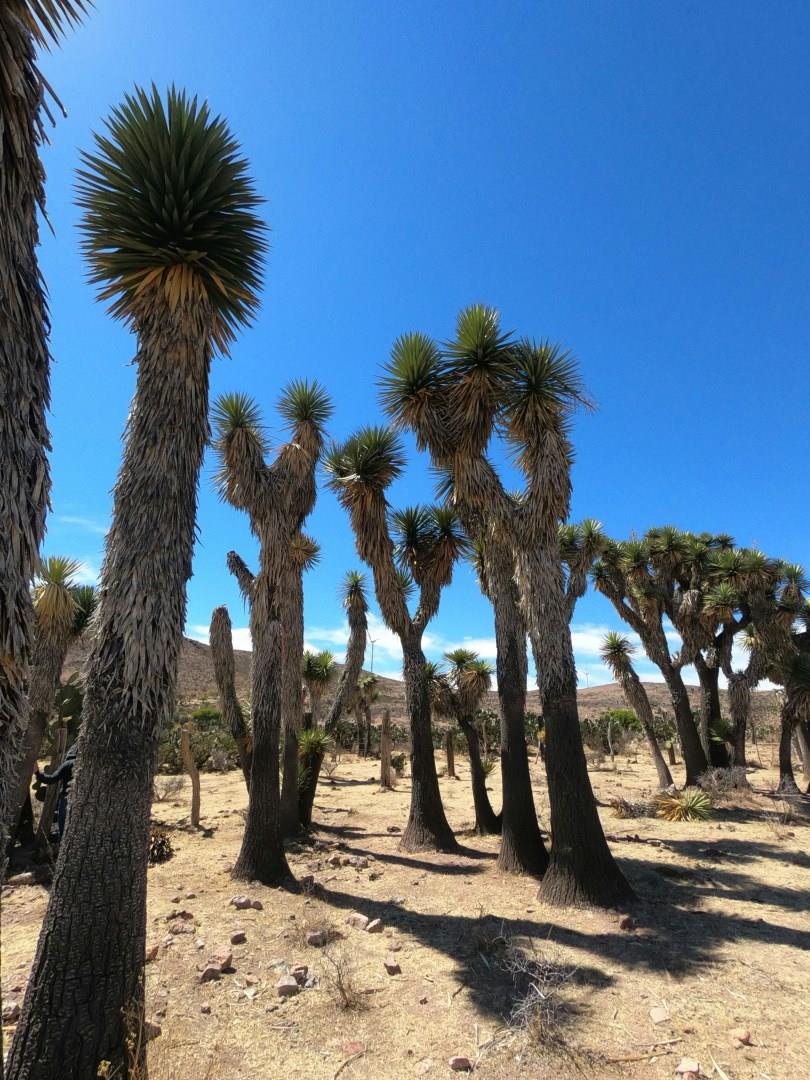
Zacatecas, built into the slopes of a narrow ravine in north-central Mexico, is a city with a deep mining past and a striking skyline. The historic center, a UNESCO World Heritage Site, is known for its pink cantera stone buildings, narrow alleys, and impressive baroque facades. The Cathedral Basilica of Zacatecas, completed in 1752, stands as one of the most detailed examples of Mexican baroque architecture, with hundreds of carved figures covering its sandstone exterior.
Muara
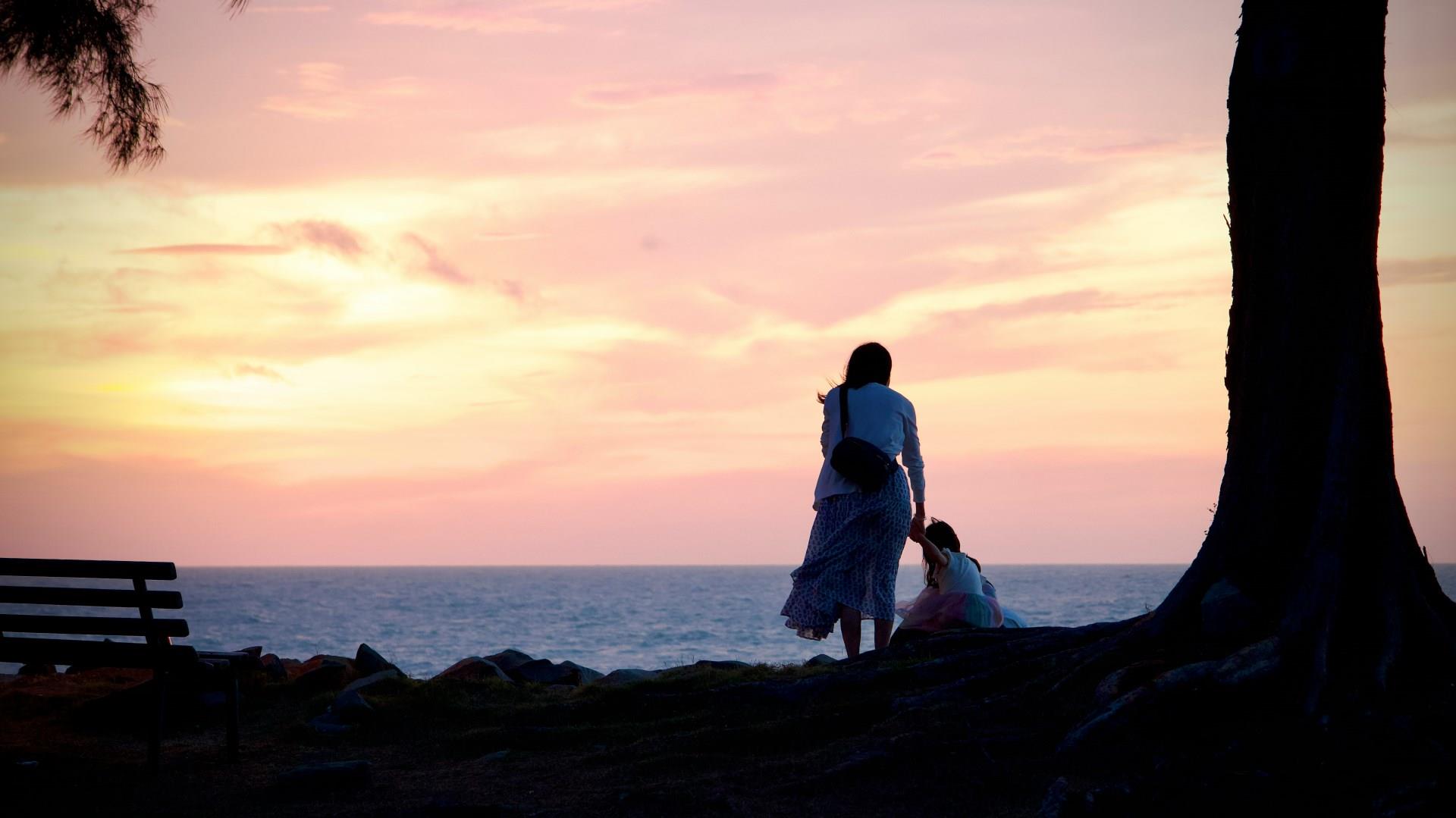
Muara is a small coastal town in Brunei, positioned where the Brunei River meets the South China Sea.
Pangnirtung
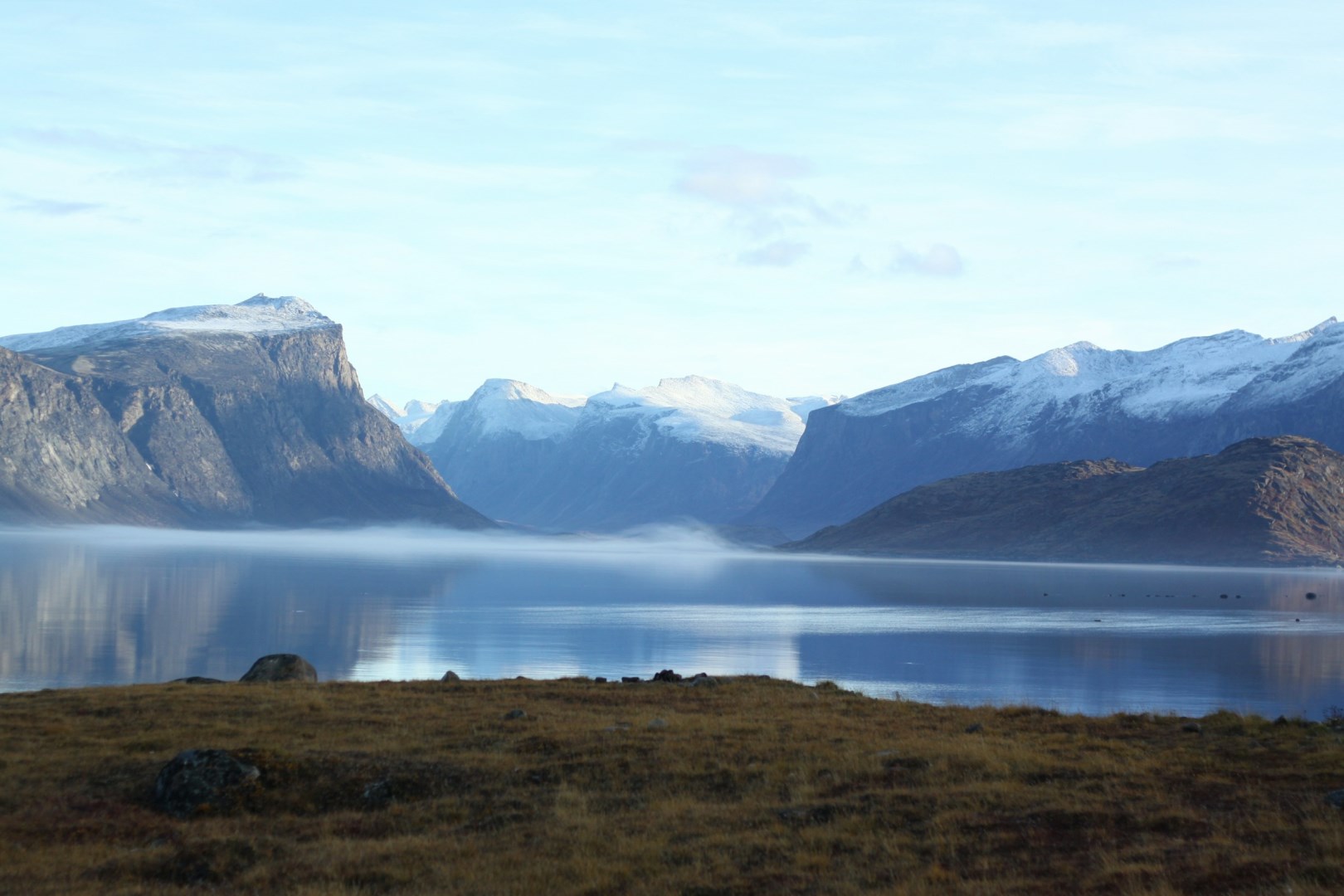
Pangnirtung is an Inuit community on the eastern shore of Cumberland Peninsula on Baffin Island, Nunavut, overlooking the sheltered waters of Pangnirtung Fiord. Steep mountains and rocky slopes rise around the settlement, while the fiord opens toward the larger waters of Cumberland Sound. The community is often called the gateway to Auyuittuq National Park, which lies nearby across dramatic Arctic terrain.
Buck Island
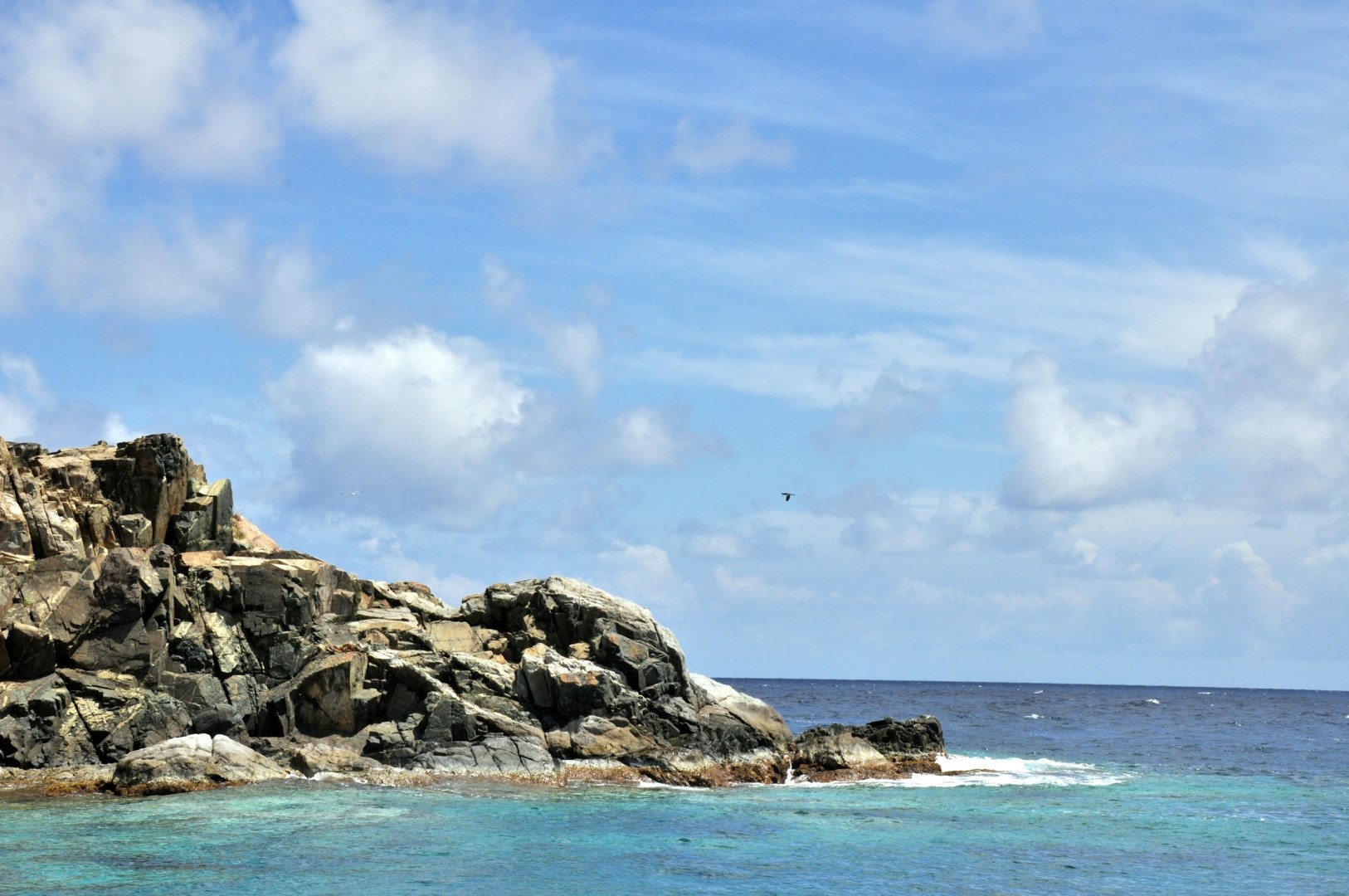
Buck Island is a small uninhabited island off the northeastern coast of St. Croix in the U.S. Virgin Islands. Most of the island and surrounding waters form Buck Island Reef National Monument, a protected area known for coral reefs, sandy beaches, dry forest, and marine habitats. The island lies a short boat journey from Christiansted and is surrounded by clear Caribbean waters.

Canterbury
Canterbury is a large region on New Zealand’s South Island, stretching from the Pacific coast across the broad Canterbury Plains to the Southern Alps. Its landscape changes from farmland and vineyards to high mountains, glacial lakes, braided rivers, and rugged coastline. Christchurch, the region’s main city, provides a cultural and urban centre with the Botanic Gardens, Avon River, museums, galleries, and distinctive post-earthquake architecture.
