
Maldives
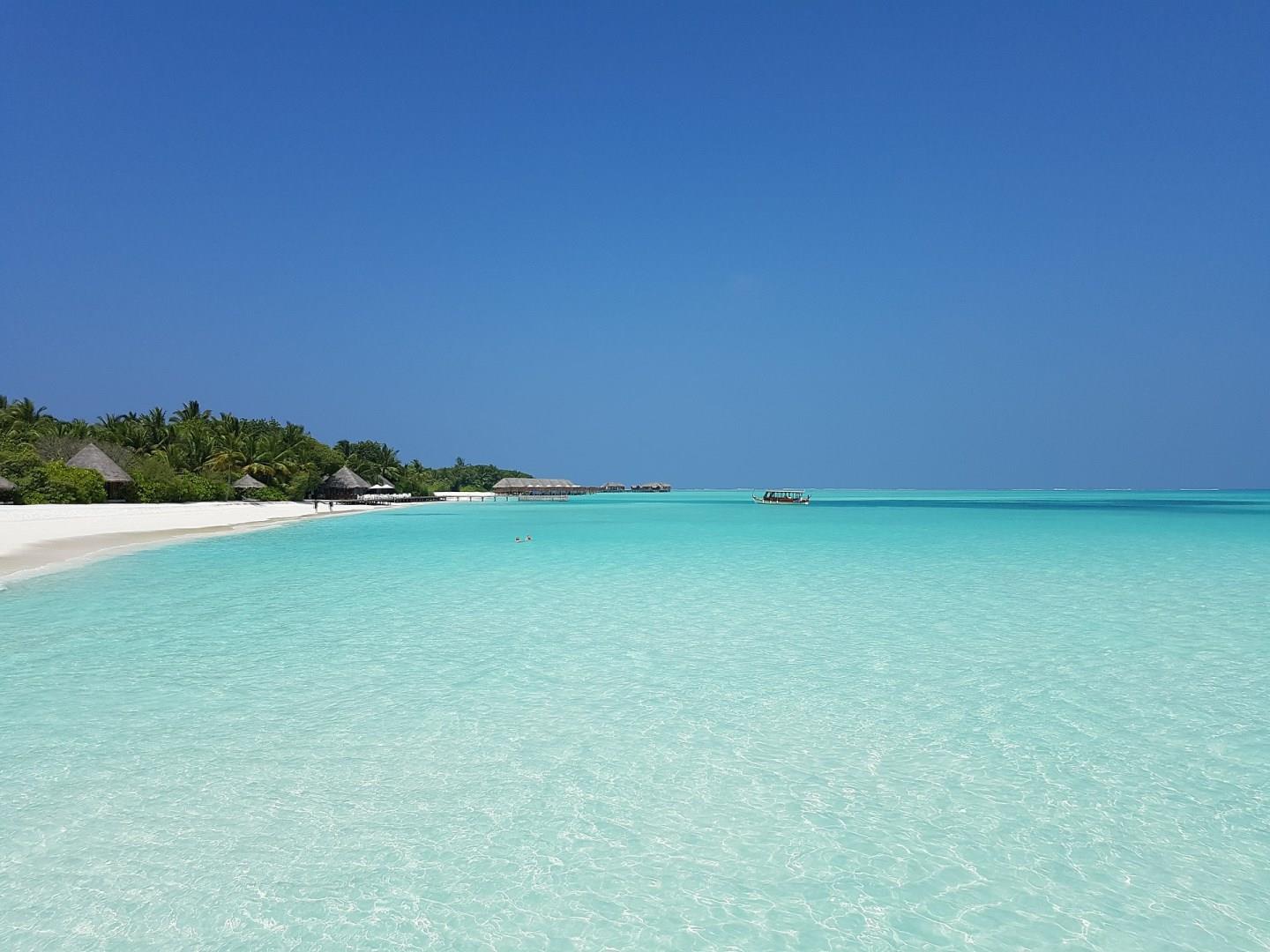
The Maldives, a nation of islands scattered across the Indian Ocean, is known for its dazzling turquoise waters, white-sand beaches, and vibrant coral reefs. Stretching across 26 atolls, this tropical paradise is often described as one of the most beautiful places on Earth.
Grand Junction
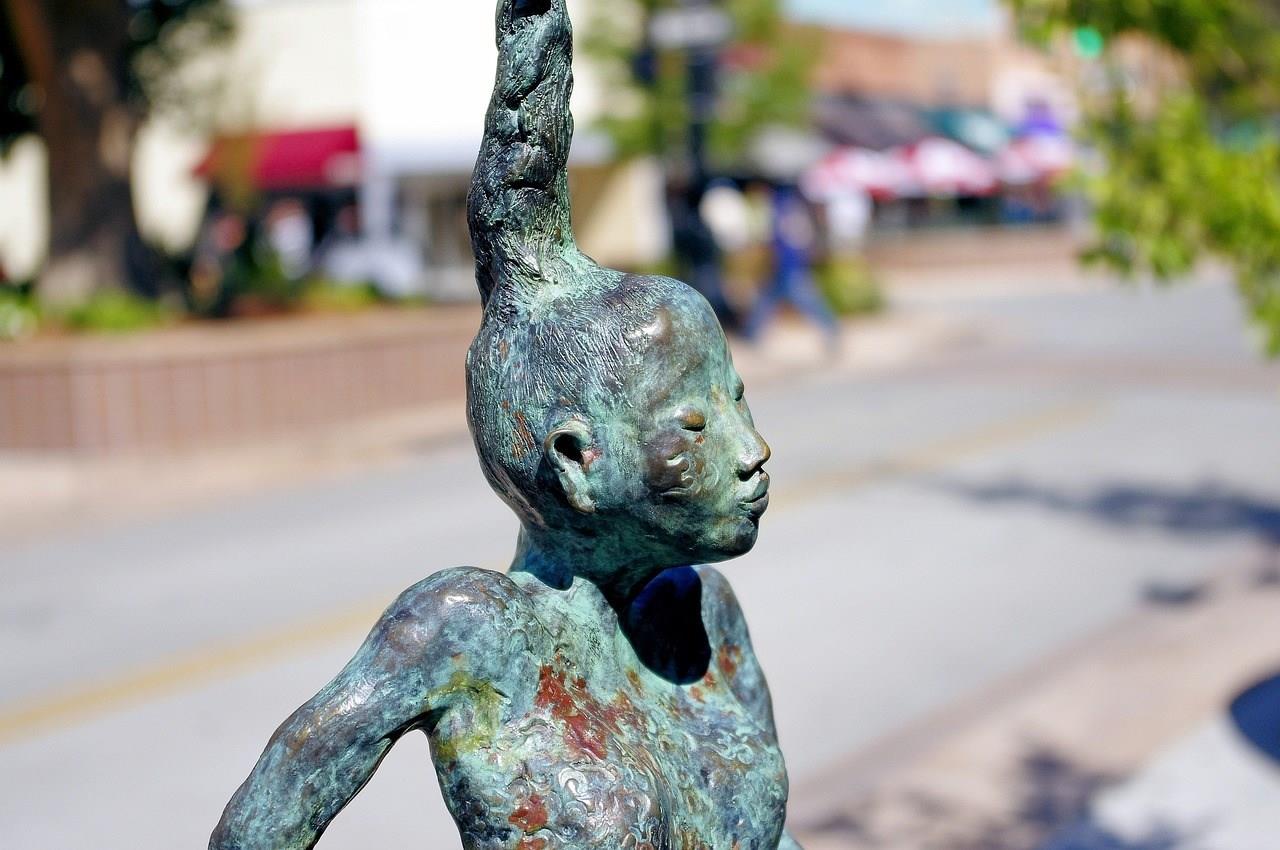
Grand Junction, located on Colorado’s Western Slope, is a destination where desert canyons meet fertile vineyards and rugged plateaus overlook winding rivers. The town sits at the junction of the Colorado and Gunnison Rivers, which historically made it a vital meeting point for Native American tribes, trappers, and settlers. Today, visitors come for its striking landscapes, laid-back pace, and a growing food and wine scene that's putting this region on the map for more than just its scenery.
Santa Cruz Island
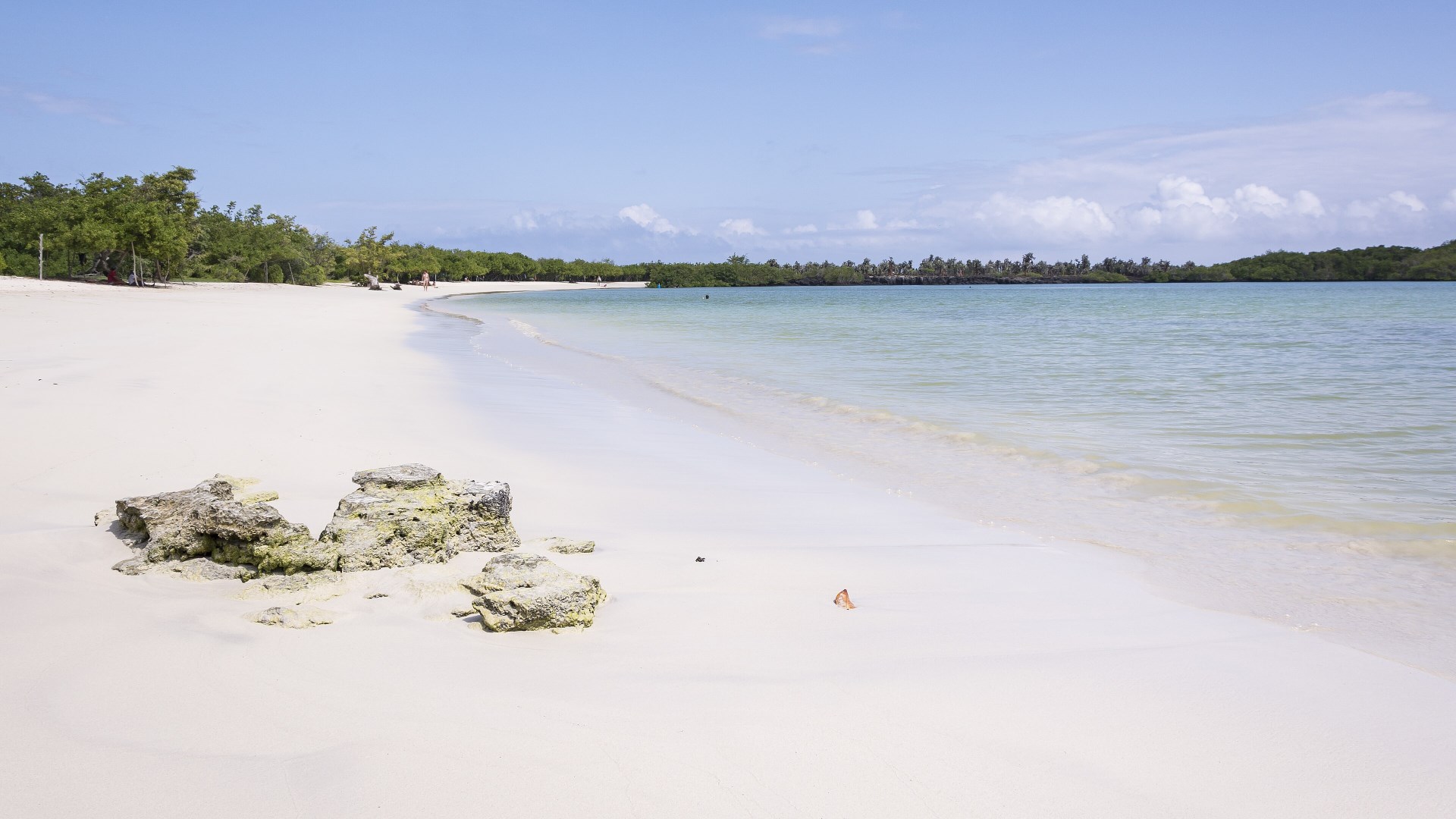
Santa Cruz Island is the beating heart of the Galápagos and is home to the largest town in the archipelago, Puerto Ayora, and a key access point for travelers exploring this unique region. But beyond its small port and shops, the island reveals a surprising range of ecosystems, from black lava shores to lush highlands where giant tortoises roam freely.
Wiencke Island
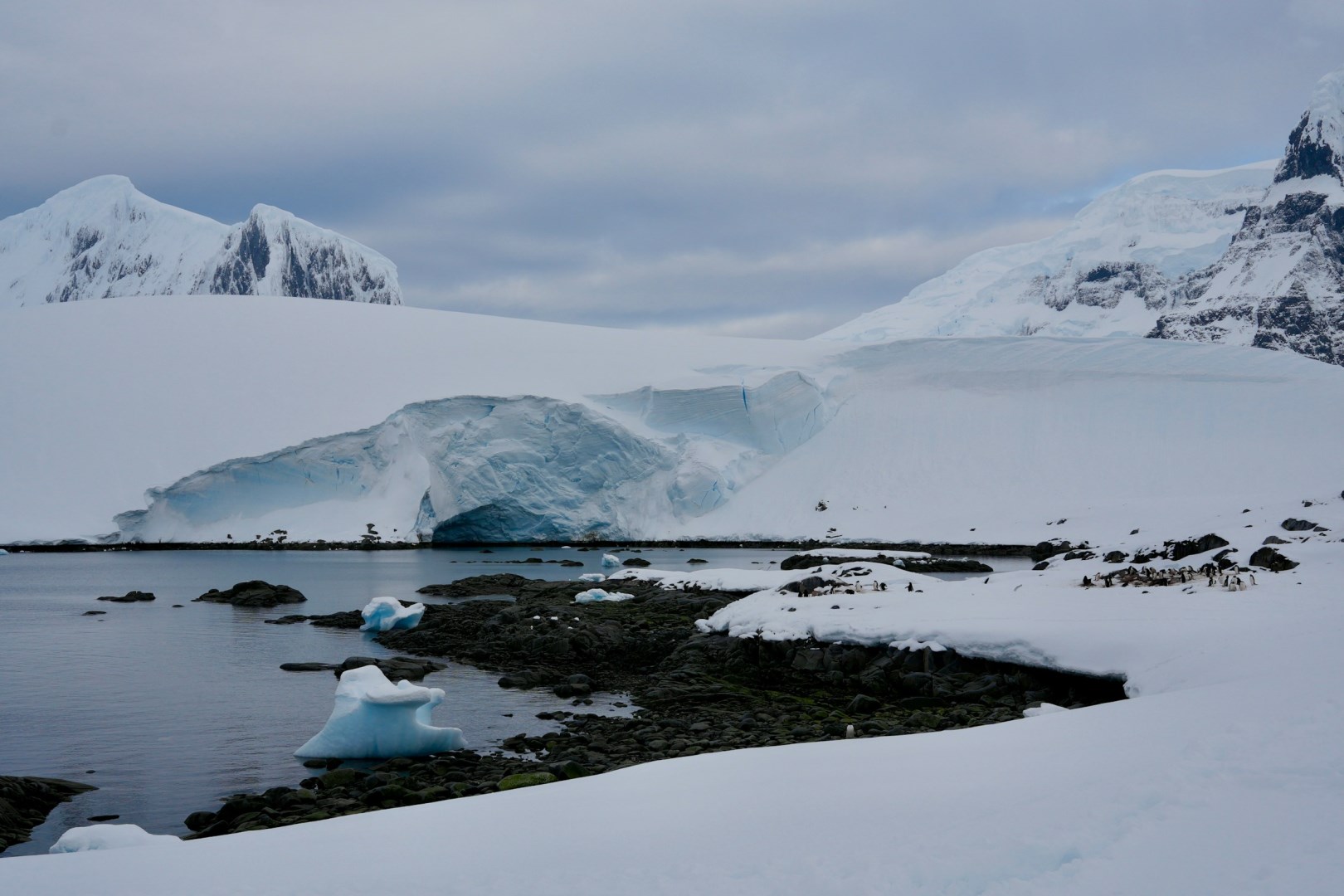
Wiencke Island lies off the west coast of the Antarctic Peninsula, separated from Anvers Island by the narrow Gerlache Strait. The island is mountainous and heavily glaciated, with steep slopes rising from a rugged coastline of rocky shores, snowfields, and ice. Several sheltered coves provide access for expedition vessels, while the surrounding waters are often dotted with icebergs and sea ice.
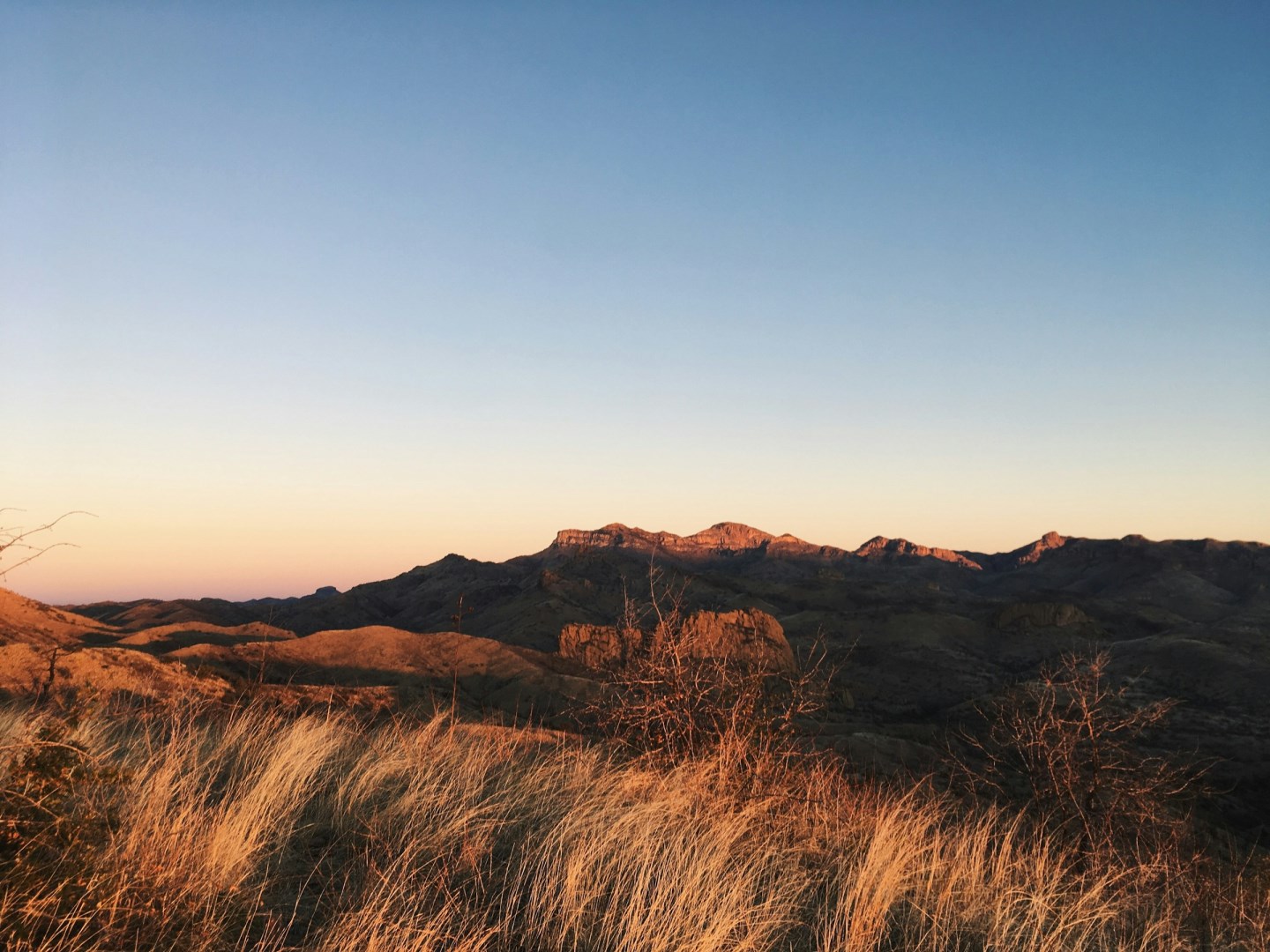
Nogales
Nogales is a border city in Santa Cruz County in southern Arizona, directly adjoining Nogales, Sonora, Mexico. Its setting in the Santa Cruz River Valley gives the city a distinctive landscape of rolling hills, desert vegetation, and mountain ranges. As one of the principal border crossings between Arizona and Mexico, Nogales has long served as a center for trade, transportation, and cross-border commerce.
