
Okaukuejo
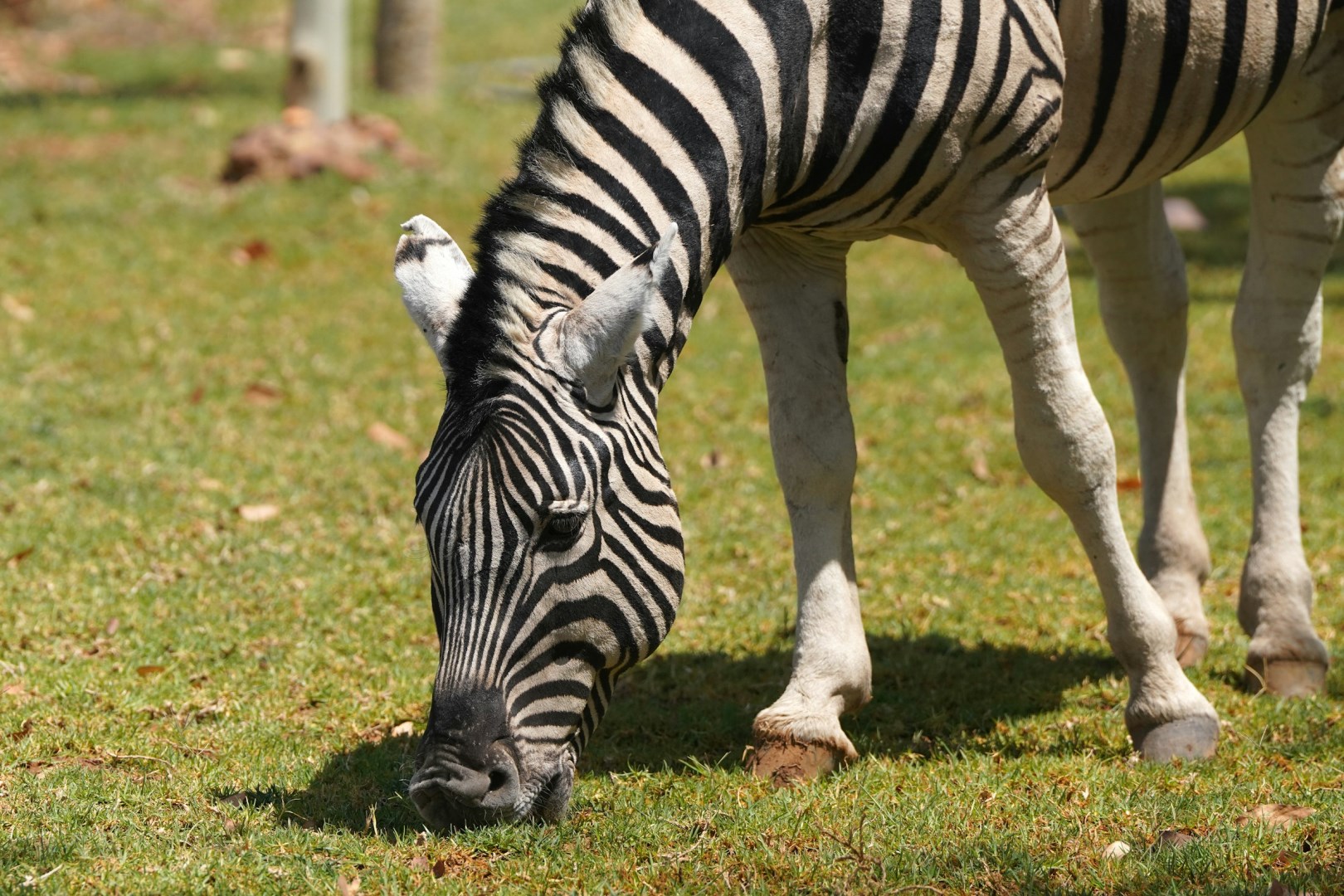
Okaukuejo is a settlement and rest camp in the southern part of Etosha National Park, serving as an important administrative and tourism center for the protected area. It lies near the park’s southern entrance and is surrounded by the open plains, salt pans, and dry savanna that define central Etosha. The area is particularly known for its permanent waterhole, where wildlife gathers when water is scarce.
Vatnajökull National Park
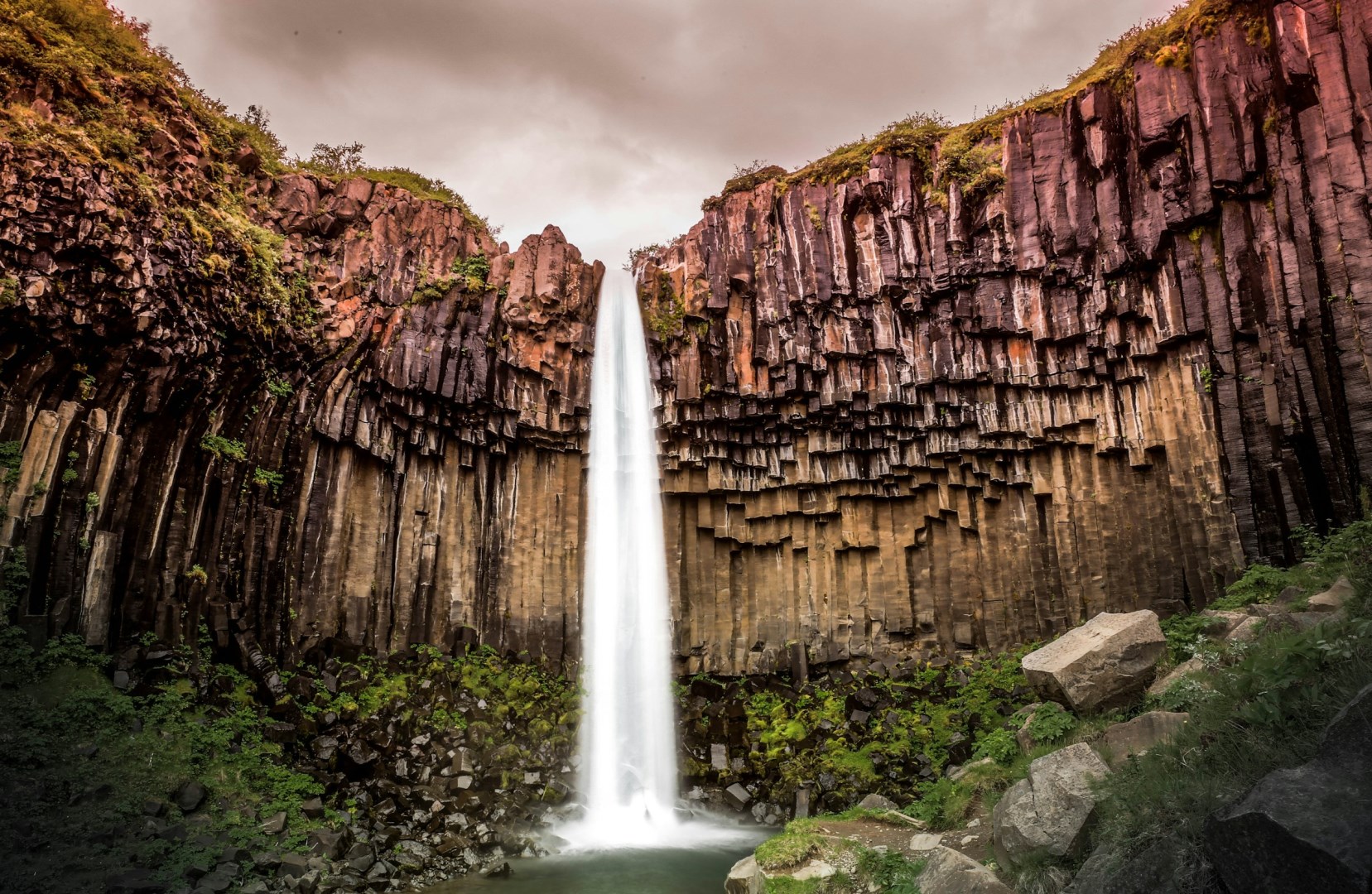
Vatnajökull National Park is one of Iceland’s largest protected areas, extending across a vast landscape of glaciers, volcanoes, lava fields, mountains, rivers, and glacial plains. At its center lies Vatnajökull, Iceland’s largest ice cap, whose outlet glaciers spread into surrounding valleys and lowlands. The park stretches across southeast and central Iceland and includes several distinct regions, from Skaftafell and Jökulsárlón to the volcanic landscapes of Askja and Kverkfjöll.
Portugal
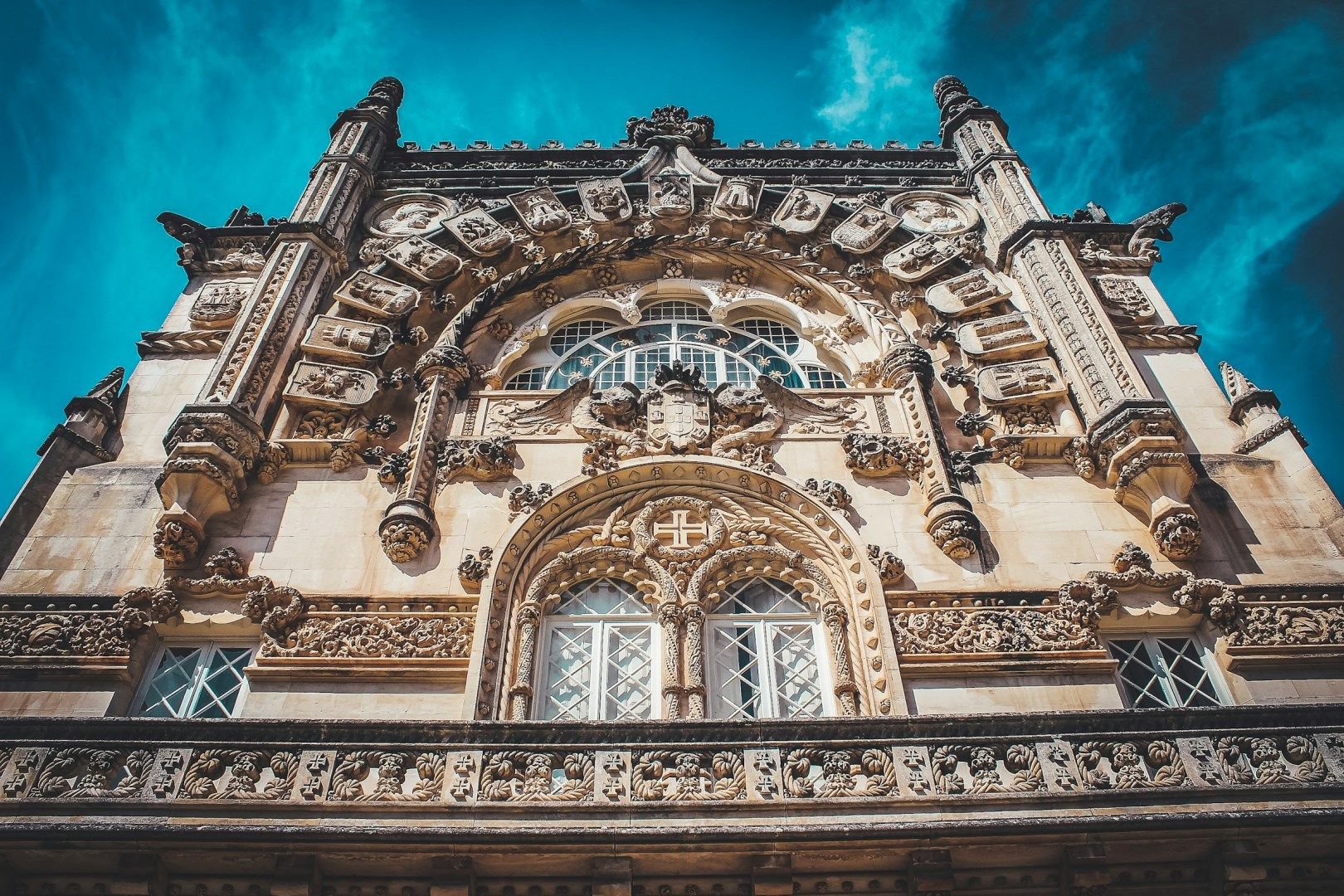
Portugal offers a layered experience shaped by maritime history, deep-rooted traditions, and a coastline that stretches for nearly 1,800 kilometers. In Lisbon, the streets of Alfama wind uphill toward São Jorge Castle, where views of red-tiled rooftops and the Tagus River reveal how the city was rebuilt after the 1755 earthquake. Trams still clatter through narrow streets, and fado music, often performed in candlelit taverns, tells stories of longing and the sea.

Alberta
Alberta, one of Canada’s western provinces, is renowned for its dramatic natural landscapes and vibrant cultural heritage. It’s a place where sweeping prairies give way to towering peaks, and where Indigenous traditions and pioneer history are deeply interwoven.
South Sandwich Islands
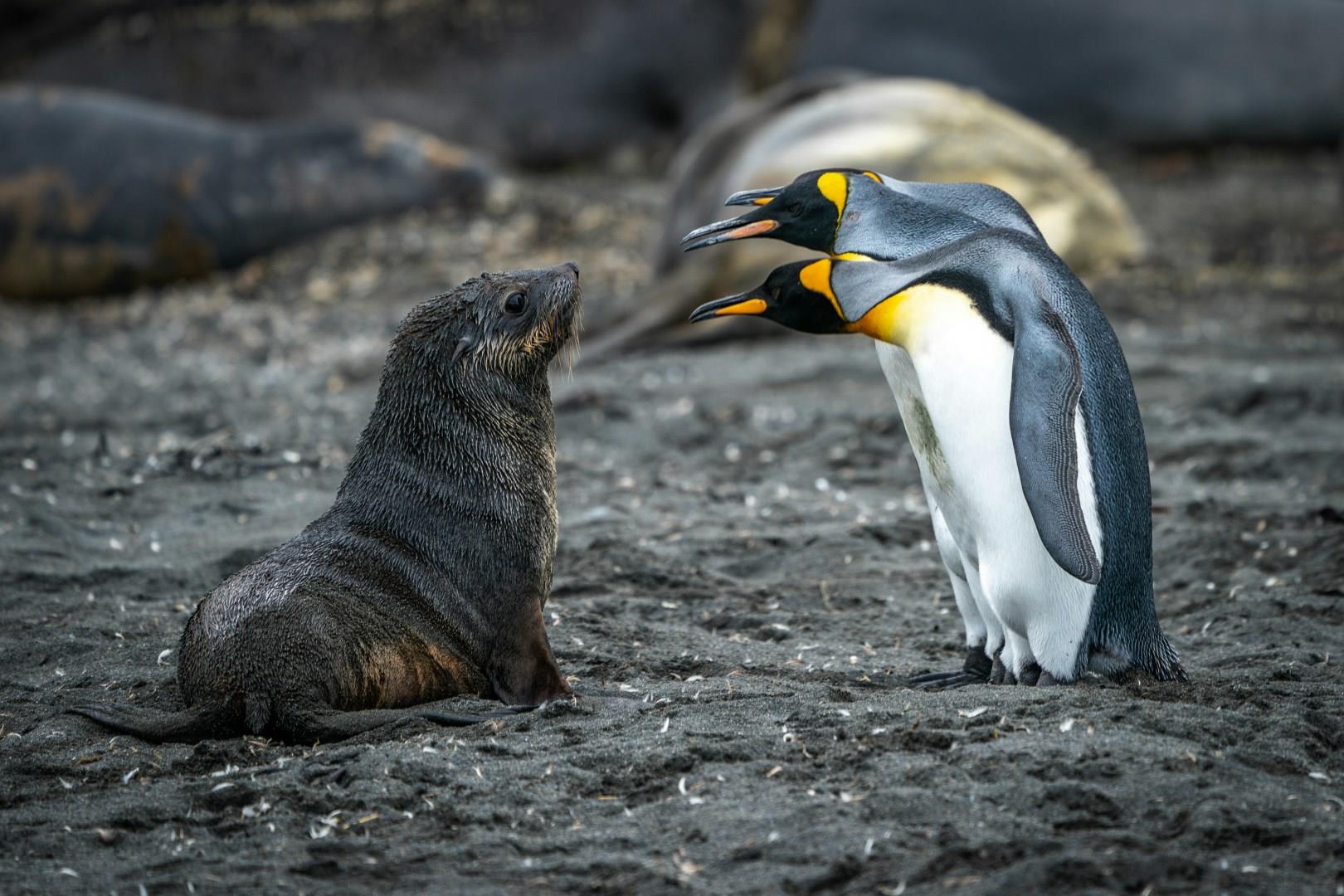
The South Sandwich Islands are among the most remote places on Earth, a chain of volcanic peaks rising from the Southern Ocean, over 1,300 kilometers southeast of South Georgia. With no permanent residents, no ports, and no infrastructure, these islands remain untouched by tourism in the conventional sense. What they offer instead is a rare glimpse into one of the planet’s most extreme and least disturbed environments.
