

Argentina
Argentina has everything from historical sites to casinos, warm sunny beaches to beautiful scenery. Although first-class accommodations are not available at all locations, the hospitality is one of the friendliest in the world.
Borneo
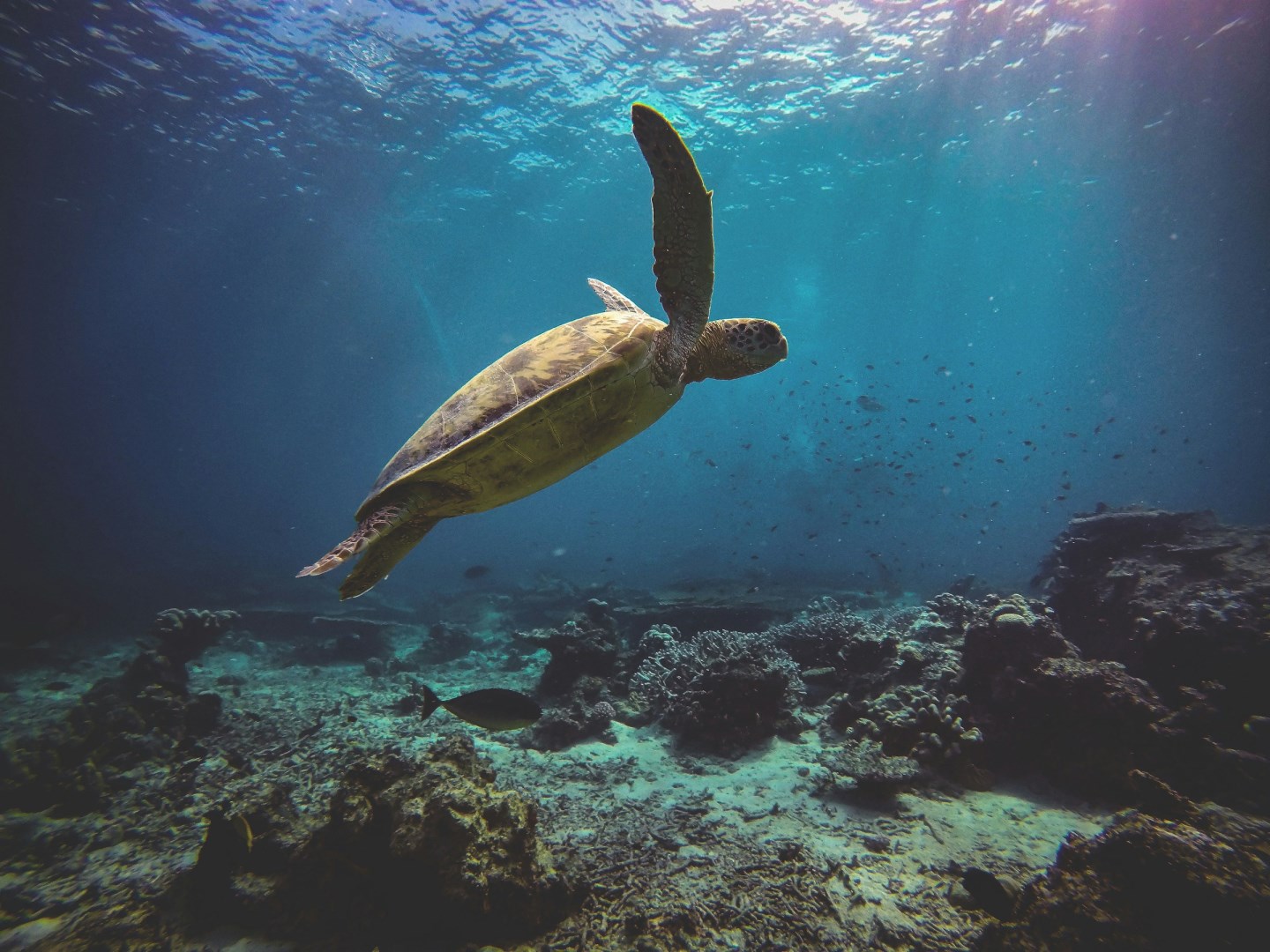
Malaysian Borneo occupies the northern part of Borneo, the world's third-largest island, and consists of the states of Sabah and Sarawak together with the federal territory of Labuan. The region is marked by extensive rainforests, rivers, mountains, limestone formations, and a long coastline along the South China, Sulu, and Celebes seas. Kota Kinabalu and Kuching are the principal urban centers, while smaller communities extend into forest and river regions.
Rutana
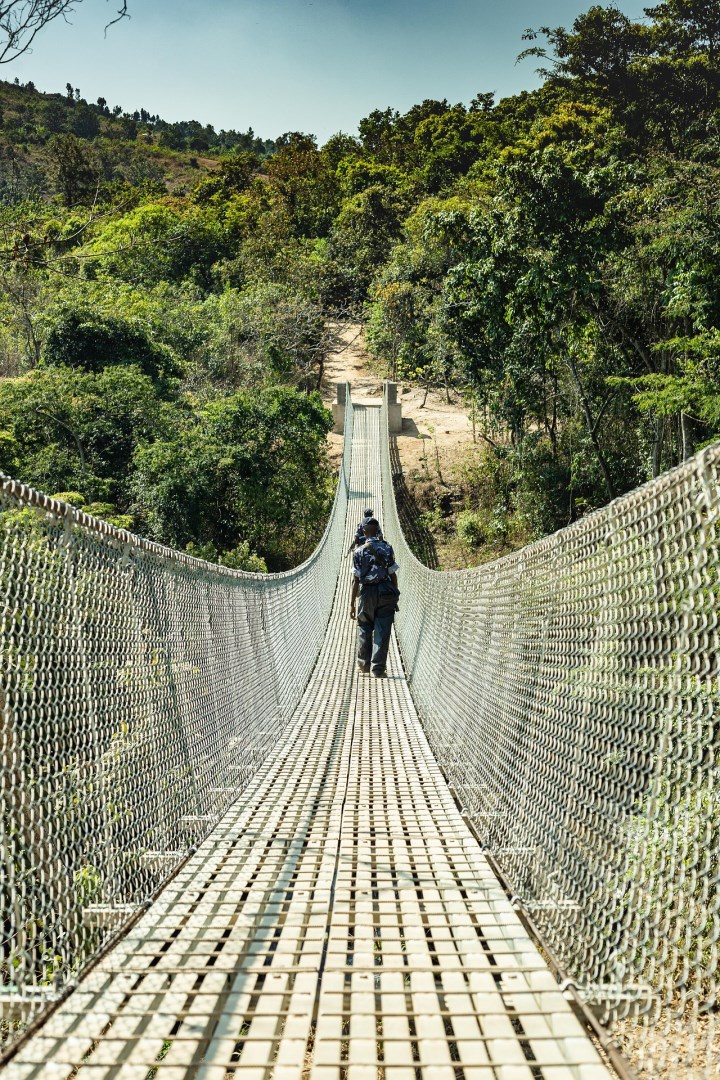
Rutana is a town in southeastern Burundi and the administrative centre of Rutana Province. The town sits within a hilly landscape of cultivated slopes, valleys, and rural settlements, with the surrounding countryside forming part of Burundi's southern highlands. Rutana is particularly associated with the nearby Kagera Falls, also known as the Chutes de la Kagera, where a series of waterfalls descends through a green valley.

Vukovar
Vukovar, a city in eastern Croatia, stands as a poignant symbol of resilience and beauty. Its rich history is etched into its architecture and monuments, telling the story of its resilience during the Croatian War of Independence.
Trier
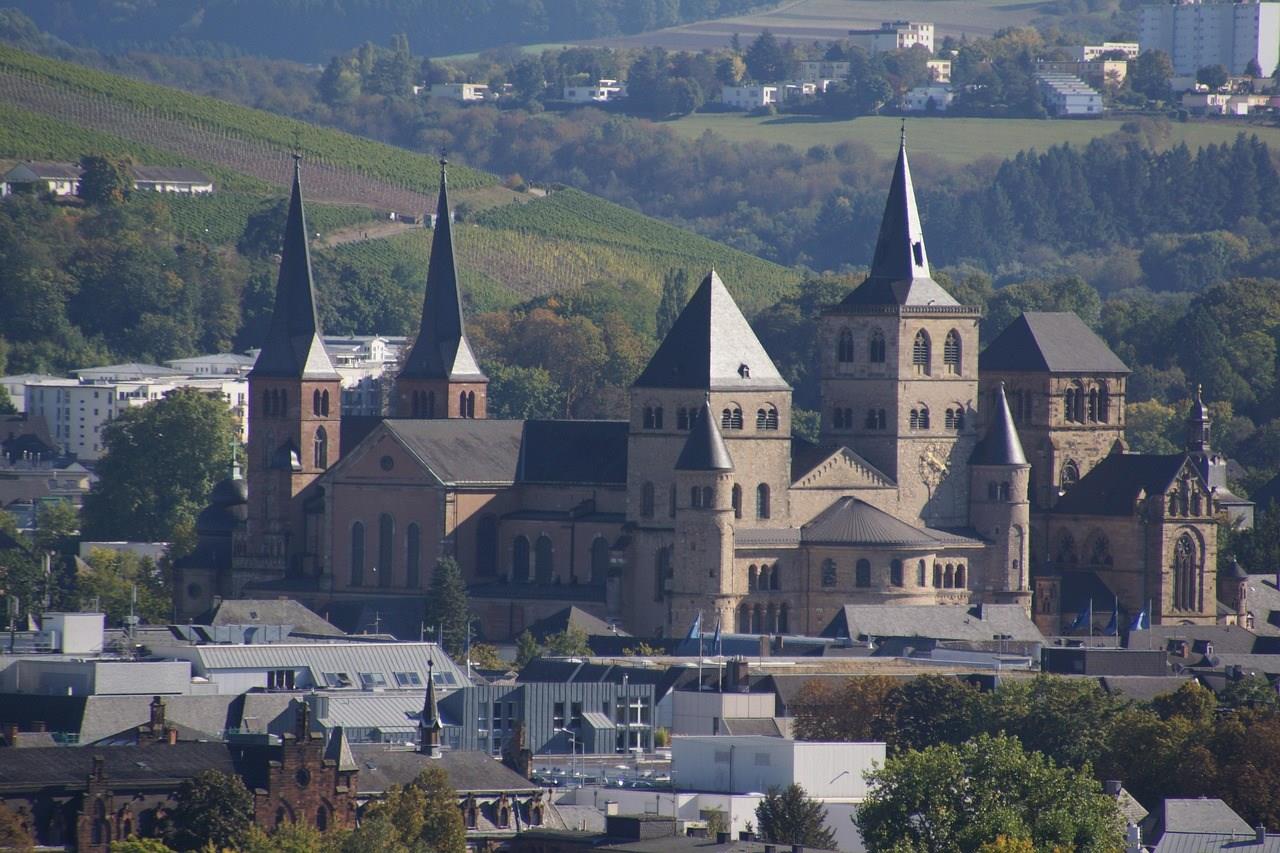
Trier, Germany’s oldest city, is a living museum nestled in the Moselle Valley, where Roman ruins rise beside medieval churches and bustling market squares. Founded by the Romans in 16 BCE, Trier was once known as “Roma Secunda,” the second Rome, and still boasts the largest collection of Roman architecture north of the Alps. The Trier Cathedral (Dom St. Peter), which is a UNESCO World Heritage Site, is the oldest church in Germany and houses a relic said to be the Holy Robe of Christ.
