
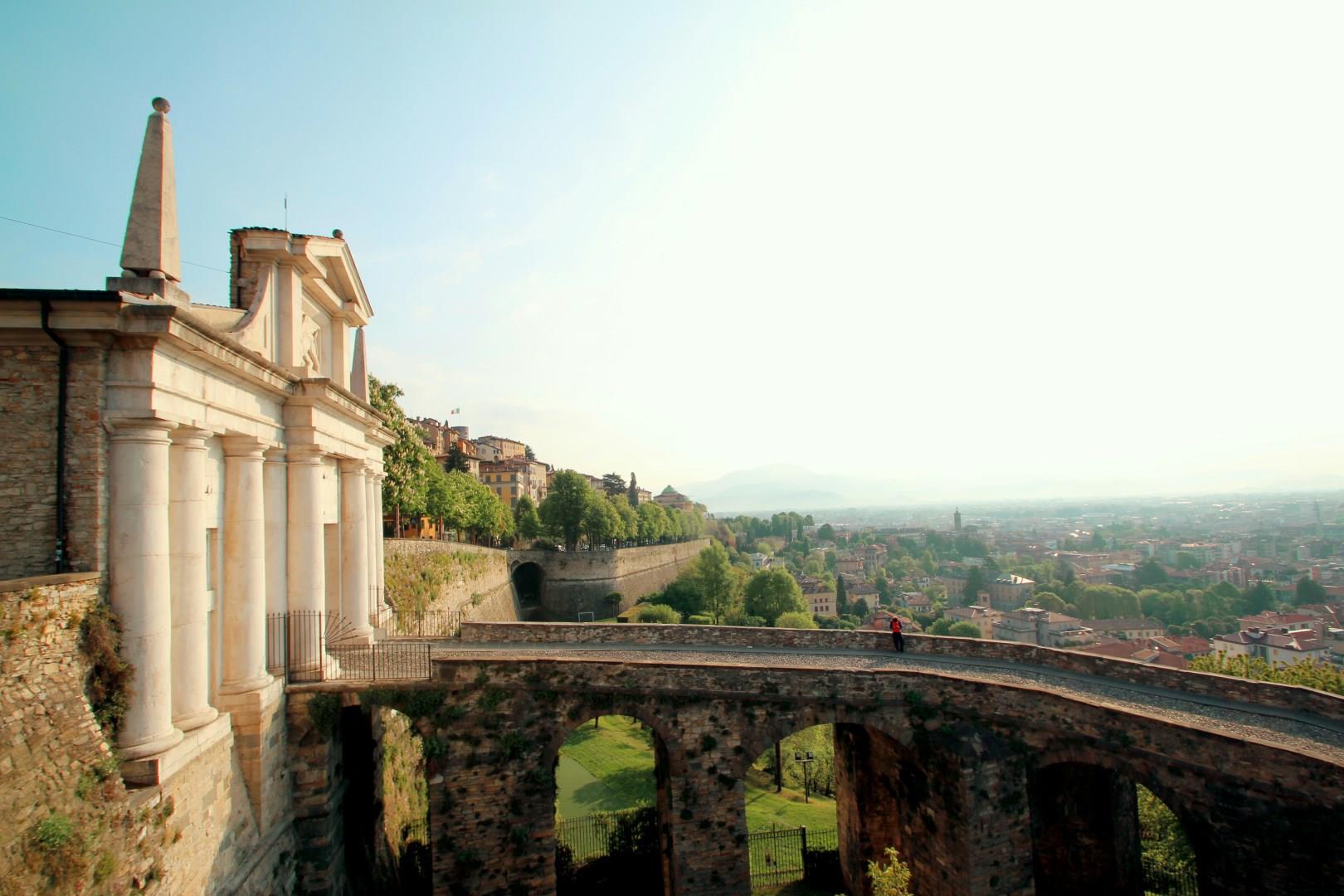
Bergamo
Bergamo, in northern Italy’s Lombardy region, is a city of striking contrasts, divided into the historic upper town and the modern lower town. The upper town, perched on a hill and encircled by Venetian walls, offers cobblestone streets, medieval architecture, and panoramic views over the surrounding plains and the distant Alps.
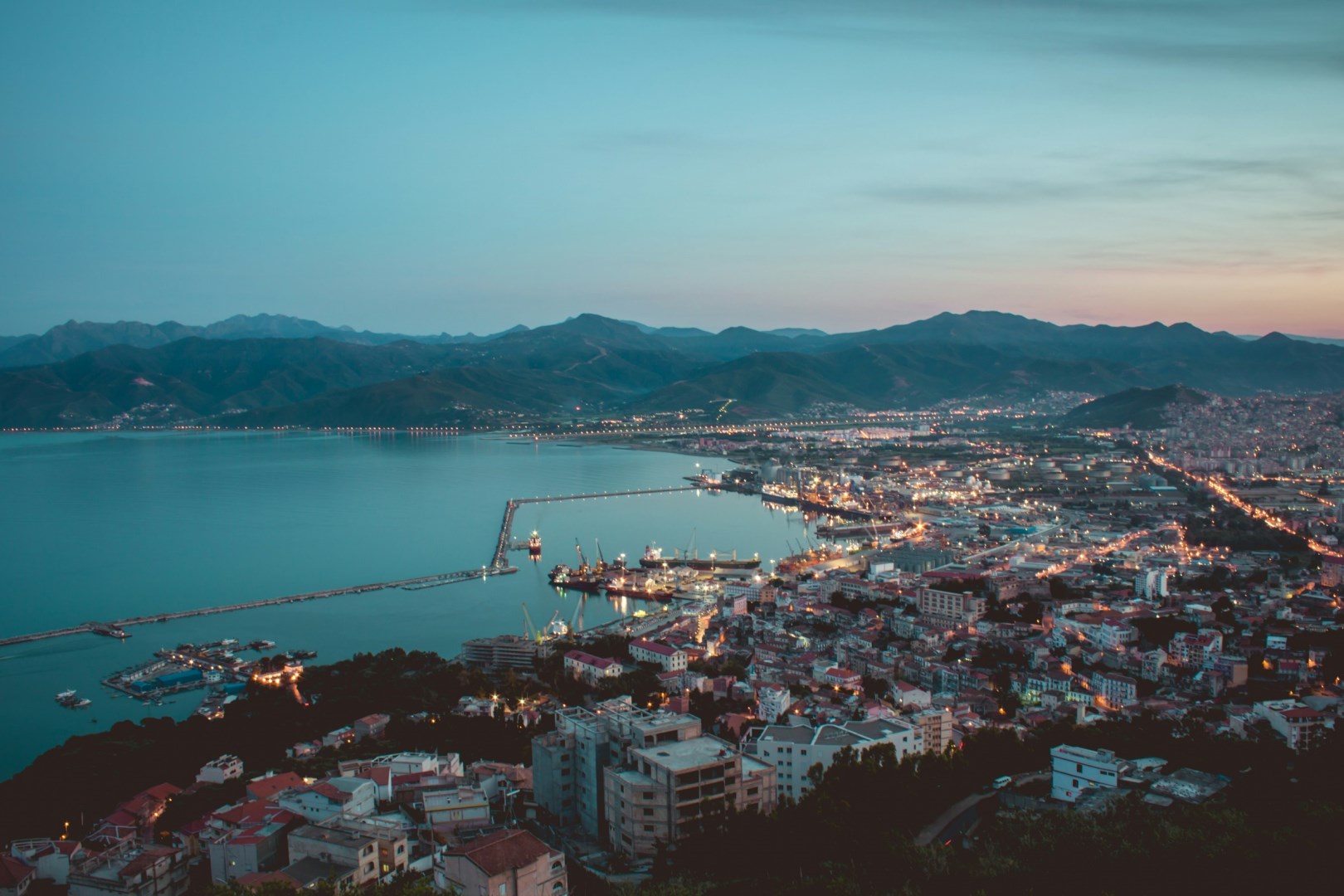
Béjaïa
Béjaïa is a Mediterranean port city on Algeria’s Kabylie coast, set between the sea and the wooded slopes of the Gouraya massif. Its setting brings together a working harbour, mountain terrain, coastal cliffs, and beaches within a compact area. The city is one of Algeria’s important historic centres and has long been connected to maritime trade and scholarship.
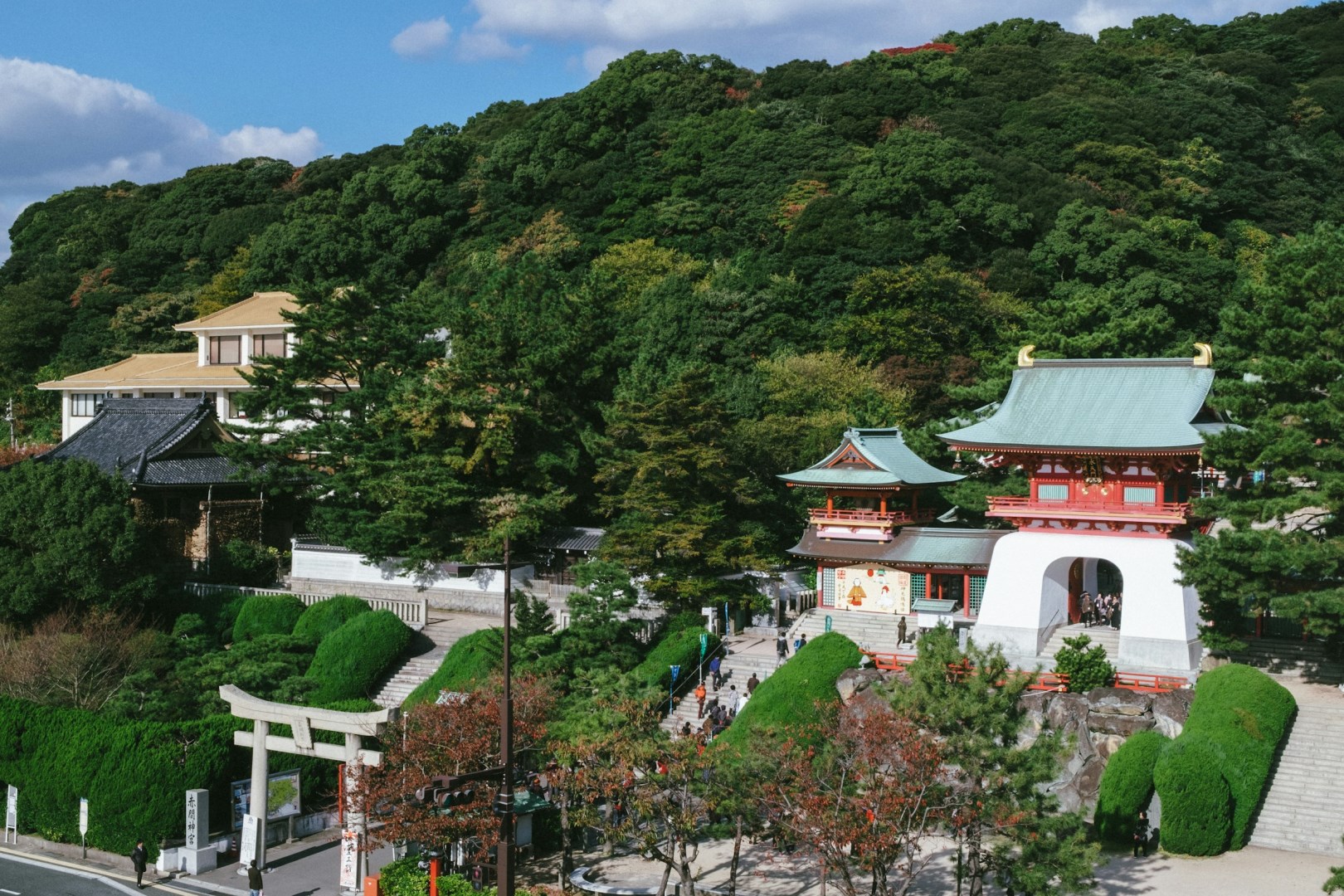
Kitakyūshū
Kitakyushu, located in northern Kyushu, Japan, is a city that seamlessly combines industrial prowess with cultural and natural attractions. Formed from the merger of five cities in 1963, Kitakyushu has a strong industrial history, particularly in steel production, while also investing heavily in environmental sustainability and urban revitalization.
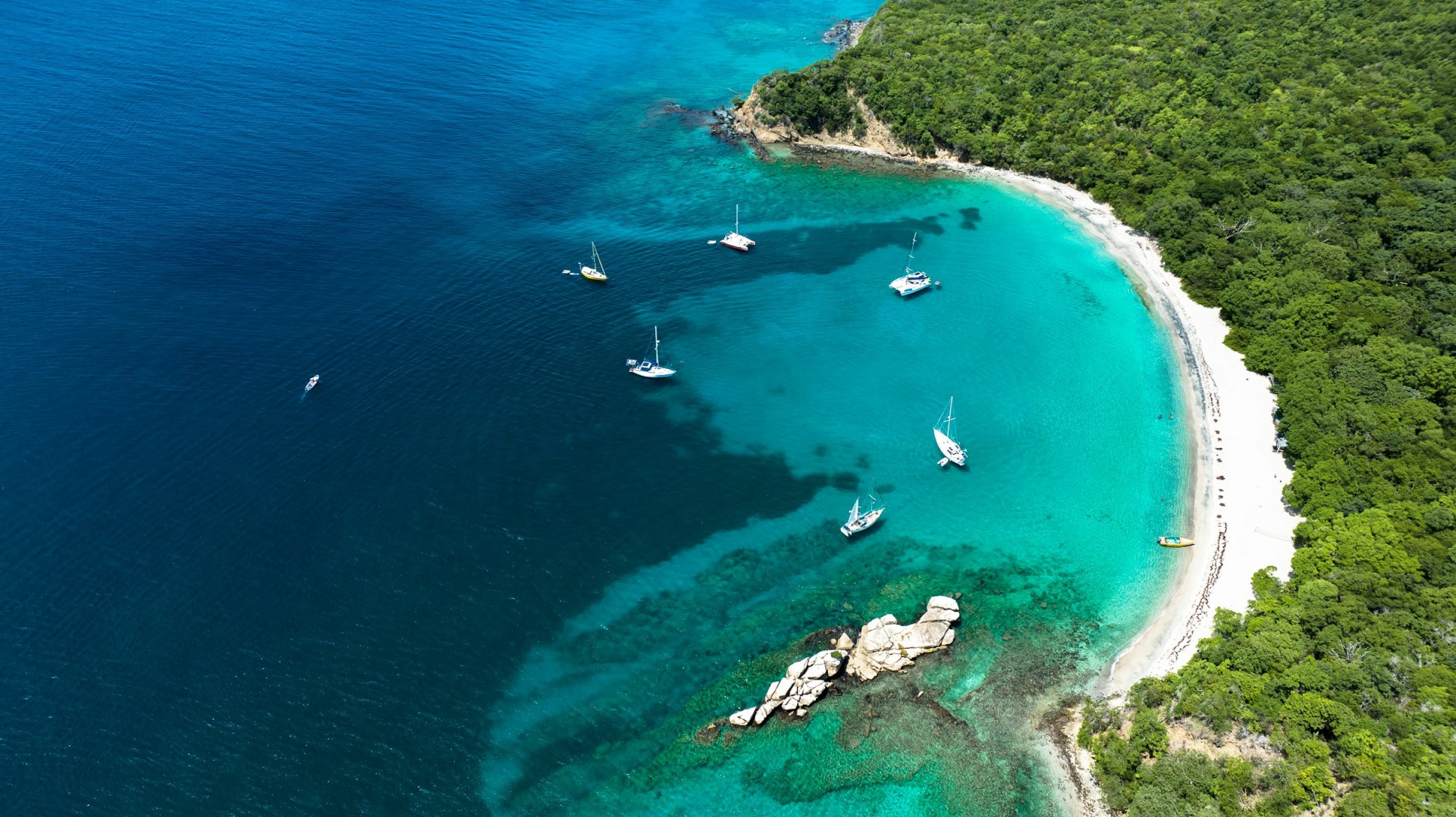
Carriacou
Carriacou is the largest of Grenada’s sister islands and part of the Grenadines, lying north of mainland Grenada between the Caribbean Sea and Atlantic Ocean. The island has a relatively dry climate and a landscape of low hills, rocky headlands, coral reefs, beaches, and small valleys used for farming. Hillsborough is the main settlement, while Windward, L’Esterre, and Tyrell Bay are among the island’s other communities.

Chilean Patagonia
Chilean Patagonia is a vast southern region extending from the fjords and forests of Aysén to the mountains, steppes, and channels of Magallanes. Rather than a single destination, it encompasses remote towns, national parks, glaciers, islands, and long stretches of sparsely settled landscape. The Carretera Austral provides one of its main overland routes, linking places such as Coyhaique, Puerto Río Tranquilo, and Villa O’Higgins through forests, rivers, mountains, and fjords.
