
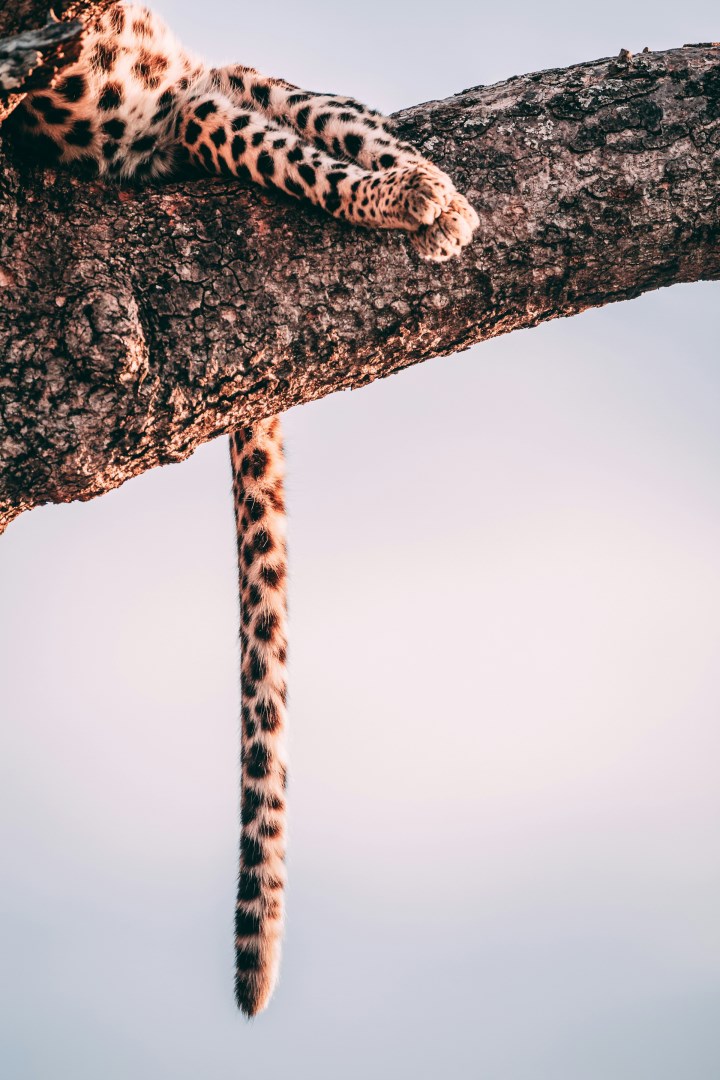
Manyeleti Game Reserve
Manyeleti Game Reserve is a protected wildlife area in Mpumalanga, forming part of the Greater Kruger ecosystem. It covers about 23,000 hectares and shares unfenced boundaries with Kruger National Park, Timbavati Game Reserve, and Sabi Sand. The name Manyeleti comes from the local Shangaan language and means “place of stars,” reflecting the clear night skies of the Lowveld.
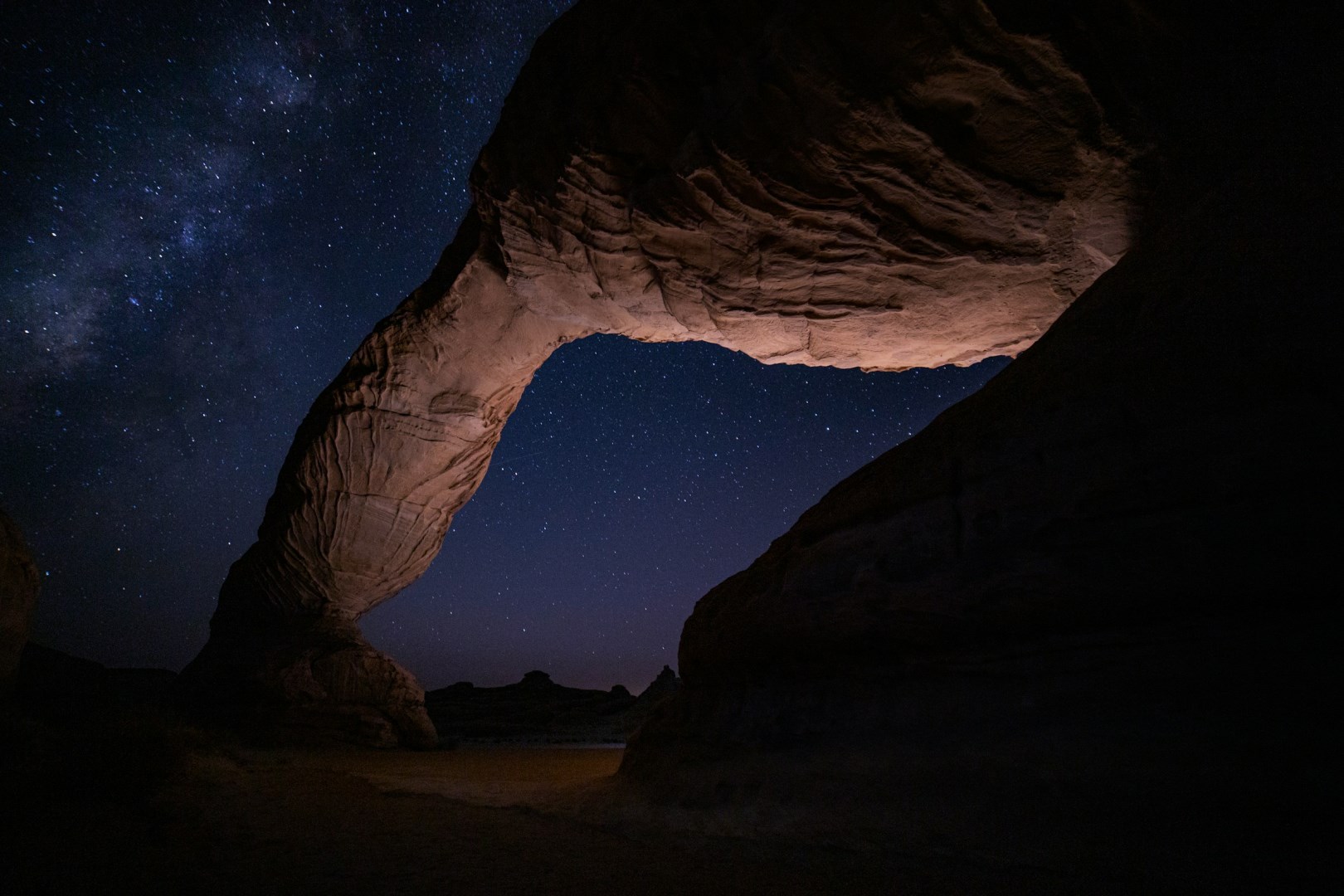
AlUla
AlUla is an oasis region in northwestern Saudi Arabia, surrounded by sandstone mountains, desert valleys, and cultivated palm groves. Its landscape has been shaped by the presence of water, with the AlUla oasis supporting date palms, citrus trees, and other crops within an otherwise arid setting. The area is particularly known for its combination of archaeological sites and unusual rock formations.
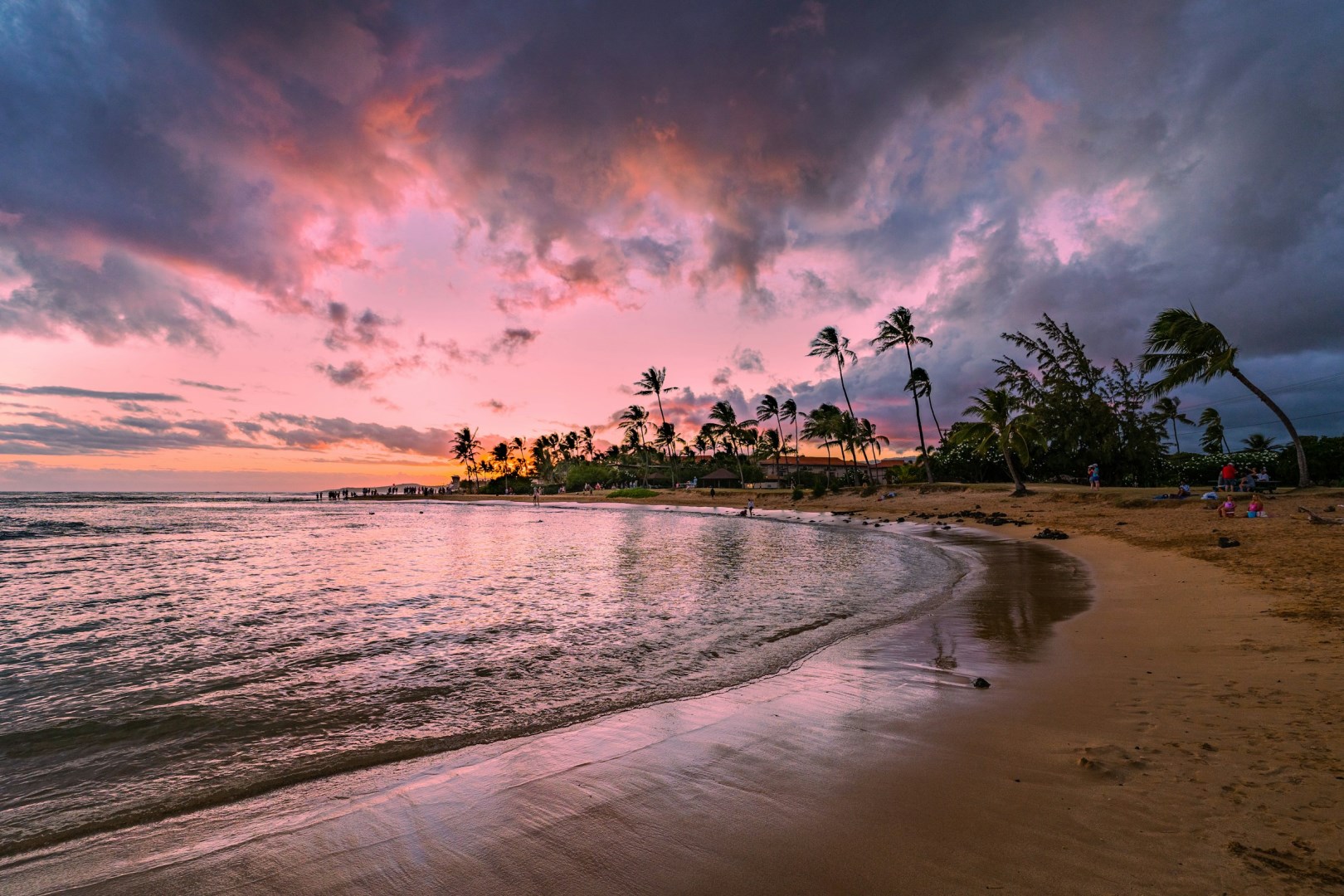
Poʻipū
Poʻipū is a coastal community on the southern shore of Kauaʻi, known for sunny weather, sandy beaches, and access to the island’s sheltered southern coastline. Its landscape includes beaches, lava-rock formations, palm-lined resorts, residential neighborhoods, and open coastal areas. Poʻipū Beach Park is the main public gathering place, with several connected sandy areas and shallow water that can be suitable for swimming when ocean conditions allow.
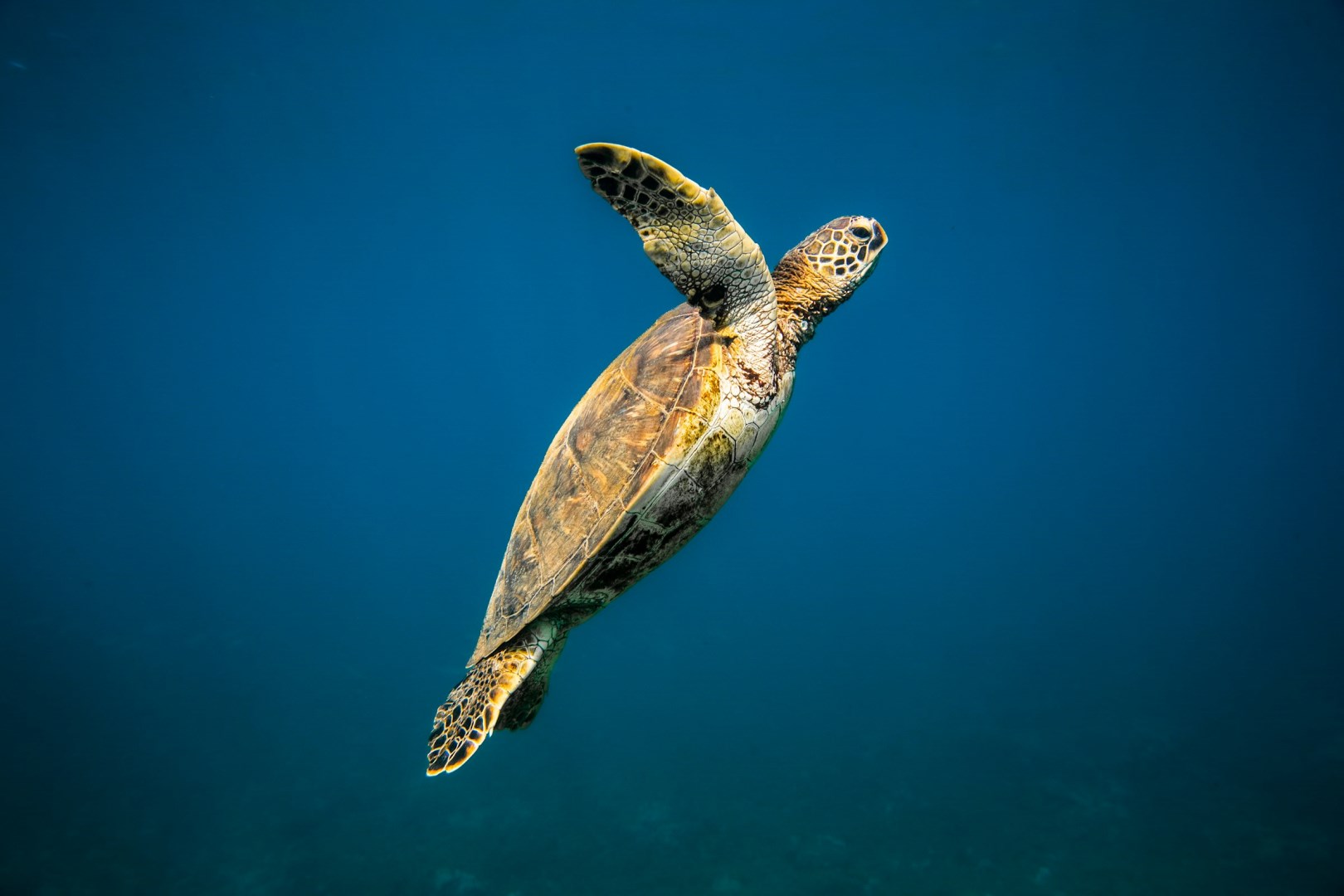
Kapalua, Maui
Kapalua is a coastal resort community on the northwest side of Maui, Hawai‘i, set between the West Maui Mountains and the Pacific Ocean. Its landscape includes sheltered bays, volcanic slopes, former agricultural land, and coastal trails, with views toward neighboring islands on clear days.
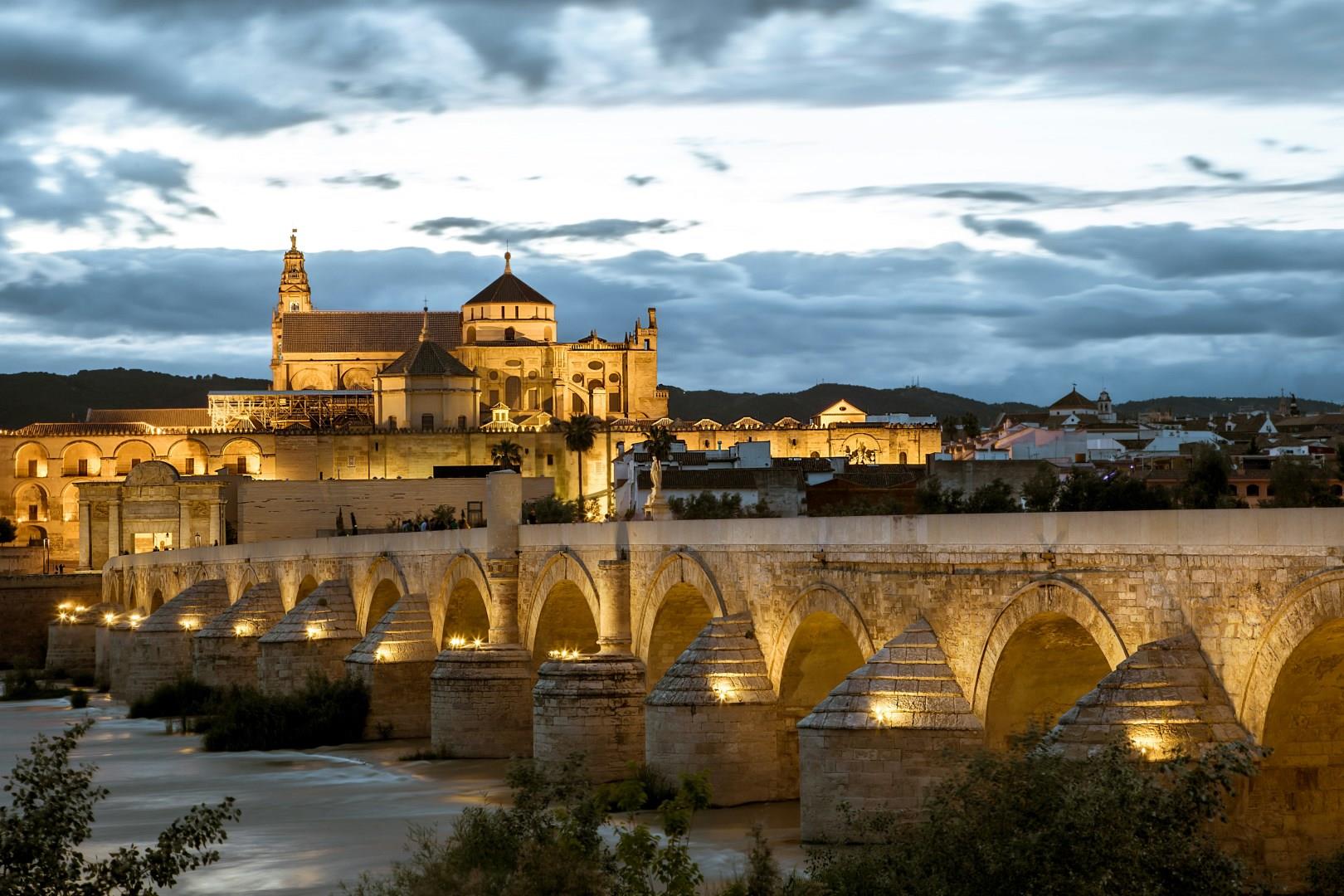
Córdoba
Córdoba, located in the heart of Andalusia, was once the most advanced city in Western Europe. During the 10th century, it served as the capital of Al-Andalus and was a center for learning, science, and art. Today, visitors walk the same streets that philosophers, poets, and physicians once crossed. The city’s most famous landmark, the Mezquita-Catedral, reflects its layered past. The red and white horseshoe arches inside are one of the most photographed interiors in Spain.
