
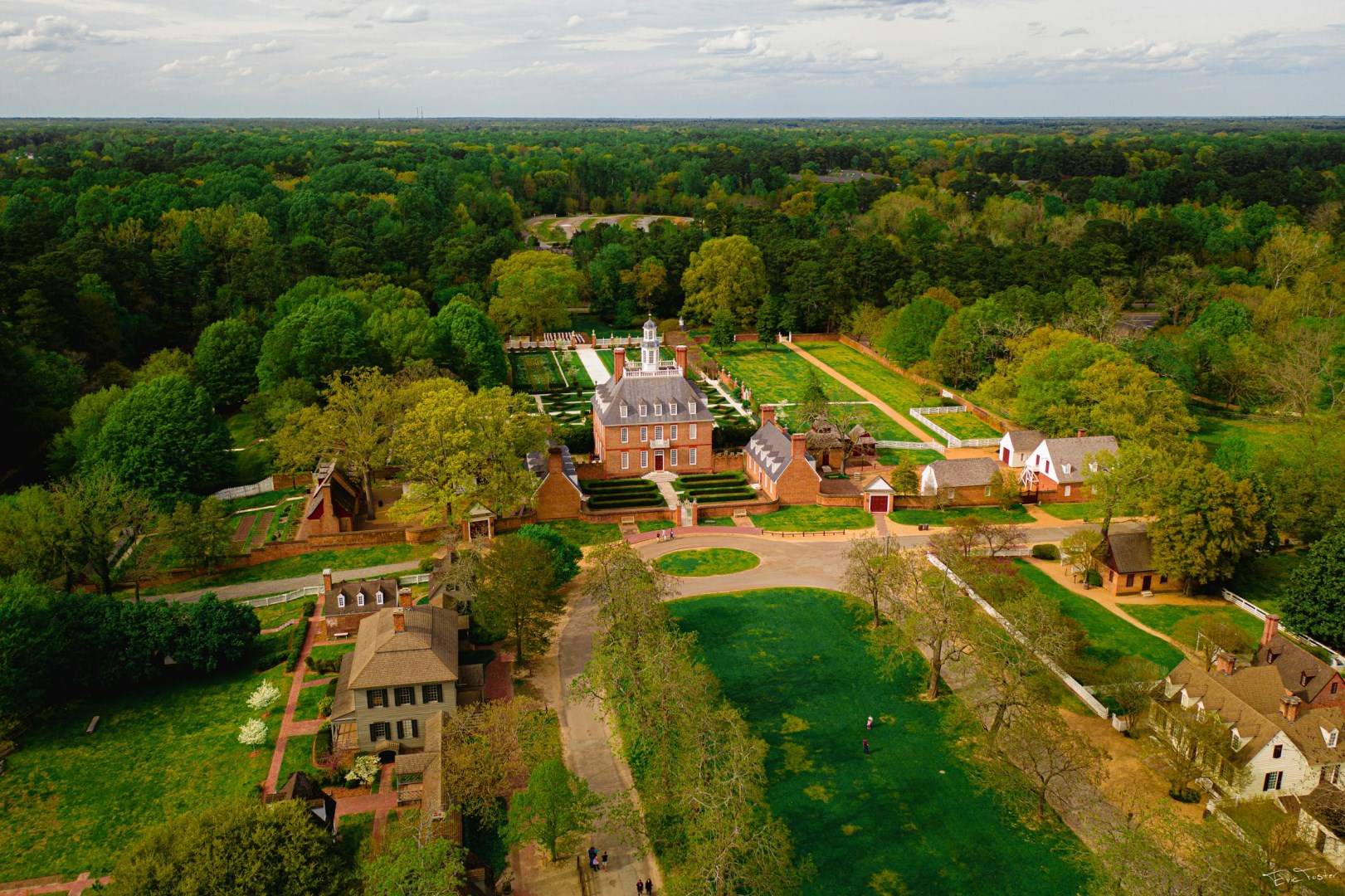
Williamsburg
Williamsburg, Virginia offers visitors the unusual opportunity to walk through a fully reconstructed 18th-century city. As the capital of the Virginia Colony from 1699 to 1780, Williamsburg played a key role in early American politics and daily life. Today, Colonial Williamsburg spans over 300 acres and includes historic buildings, working tradespeople, and costumed interpreters who bring the Revolutionary era to life.
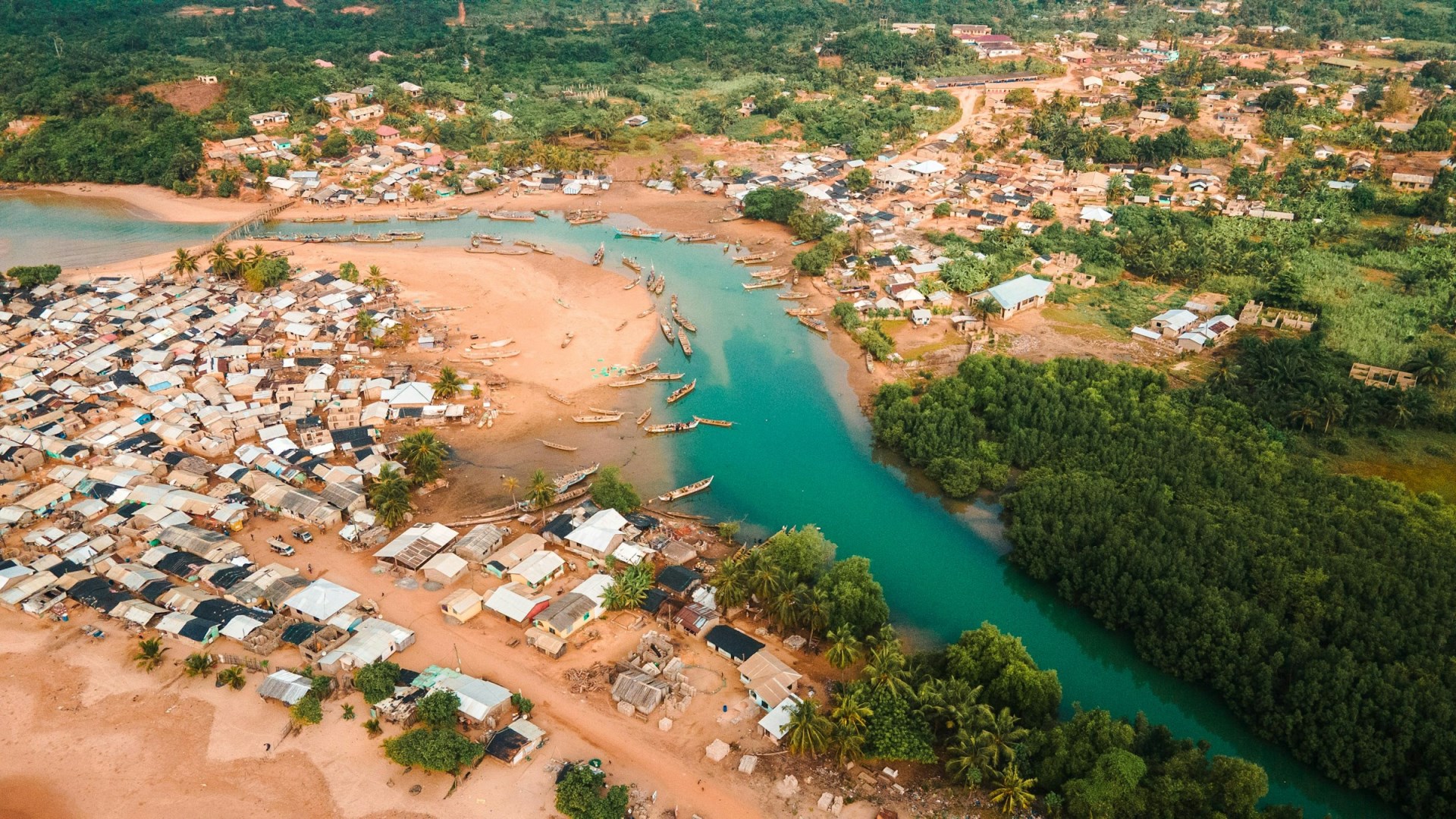
Akwidaa
Akwidaa is a small coastal settlement in Ghana’s Western Region, located where the Atlantic Ocean meets a landscape of sandy beaches, lagoons, wetlands, and tropical vegetation. The village lies near the mouth of the Tano River and close to Cape Three Points, Ghana’s westernmost coastal area. Its surroundings remain relatively rural, with fishing and small-scale farming forming important parts of local life.
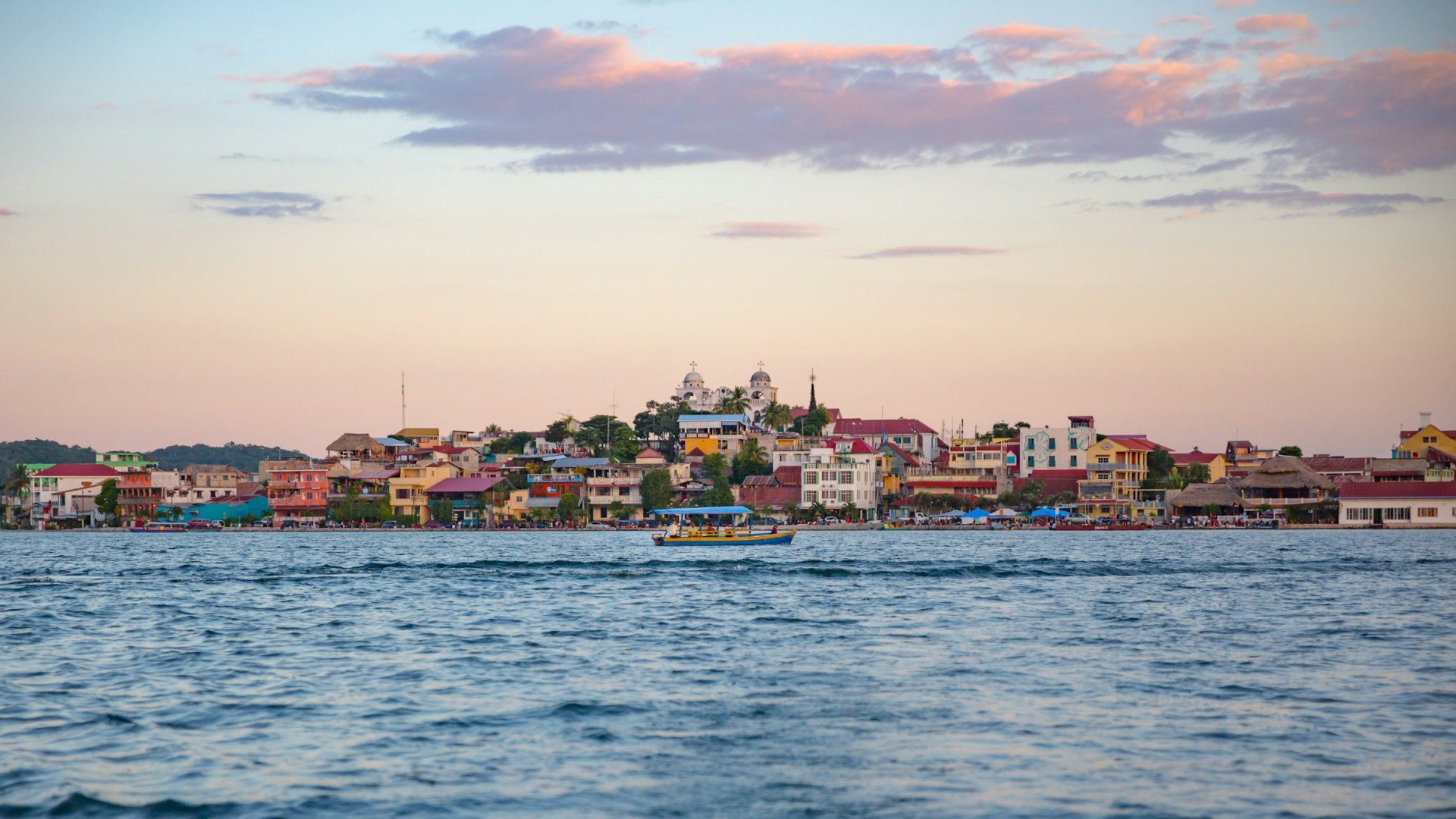
Island of Flores
This charming island town acts as a gateway to the ancient Mayan ruins of Tikal National Park. Known for its brilliantly colored buildings, visitors can spend numerous hours relaxing in restaurants, cafes, and pubs, savoring the flavors of Mayan and Spanish-influenced dishes. Surrounded by Lake Peten Itza and vibrant rainforest, water sports and nature ventures are a must!
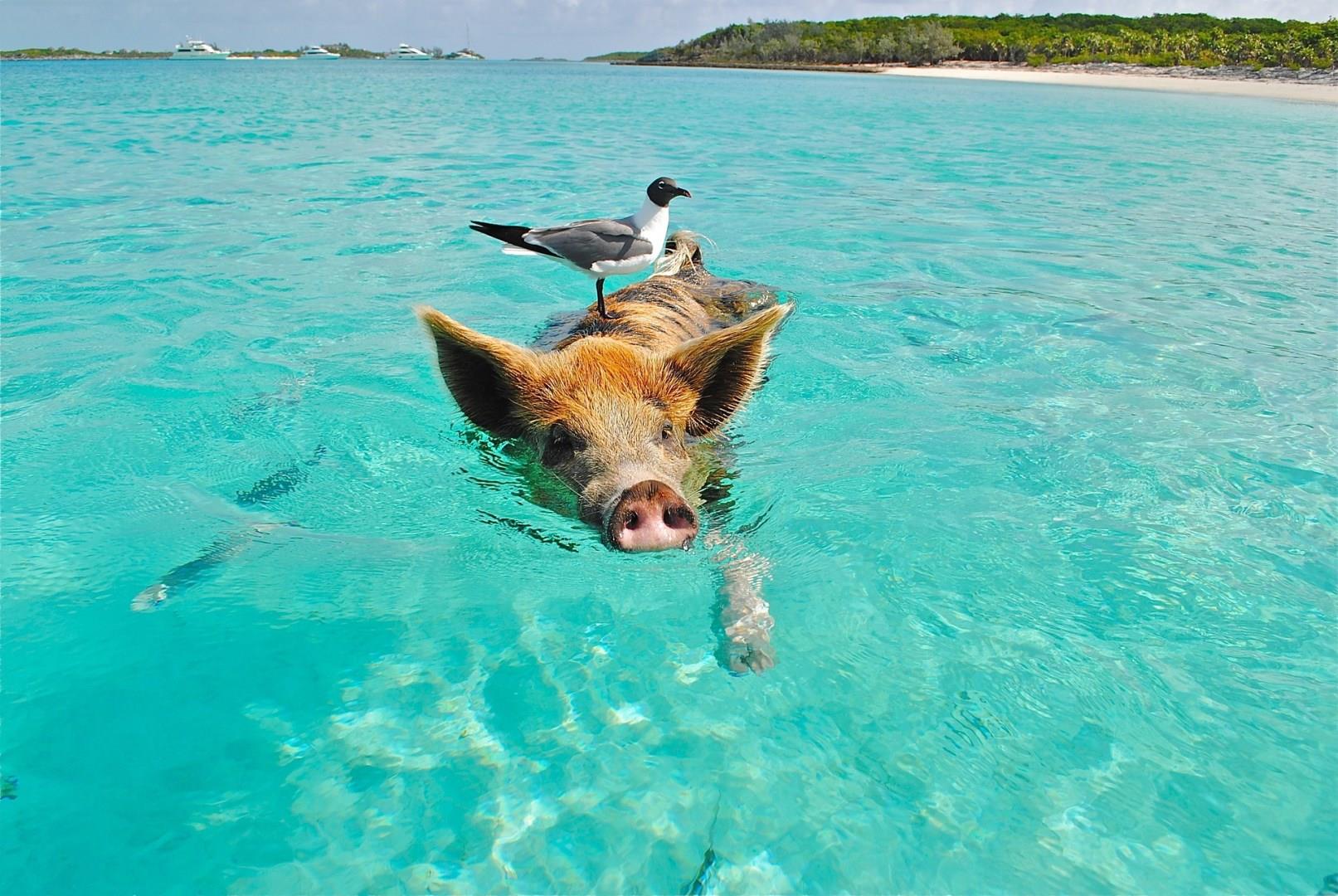
Staniel Cay
Staniel Cay is a small island in the Exuma Cays of The Bahamas, surrounded by clear shallow waters, coral reefs, sandy beaches, and numerous nearby cays. The island covers less than two square miles and has a small Bahamian village on its western shore. Its position makes it a useful base for exploring the surrounding Exumas by boat, while a local airstrip provides another way to reach the island.

Windhoek
Windhoek, the capital city of Namibia, is a vibrant and cosmopolitan hub nestled in the heart of the country. With its mix of German colonial architecture and modern African charm, Windhoek offers visitors a unique blend of history and contemporary culture. The city’s skyline is dominated by the striking Christuskirche, a Lutheran church built in 1907, which stands as a symbol of Namibia's German colonial past.
