
Pagat
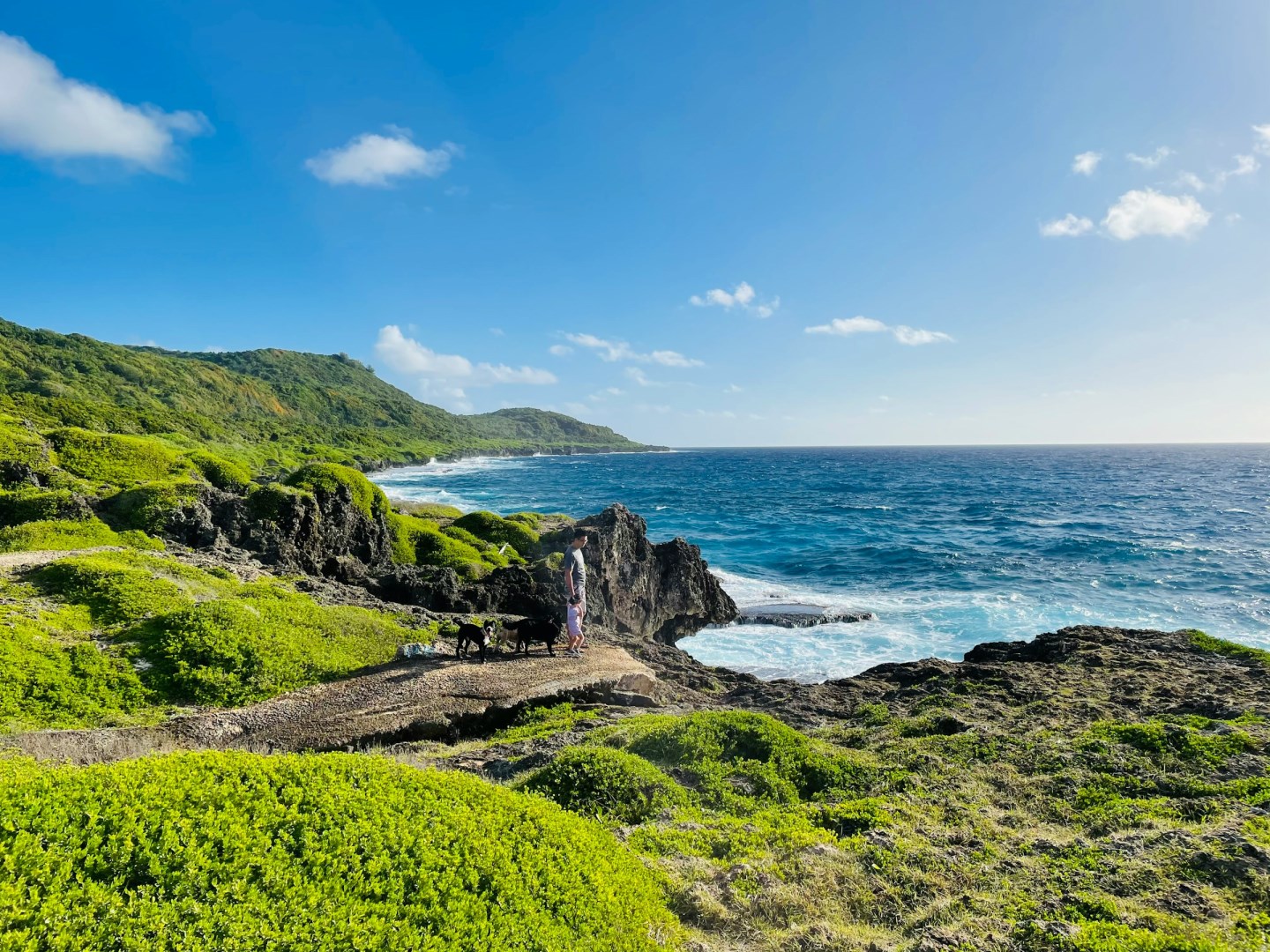
Pagat is a historic village area on Guam's northeastern coast, known for its archaeological remains, limestone cliffs, caves, and coastal trails. The area lies within Guam's rugged northern landscape, where dense vegetation covers limestone terraces above the Pacific Ocean. Pagat is particularly significant because it preserves evidence of ancient CHamoru settlement, including stone structures, pottery fragments, and remnants of traditional village life.
Sagres
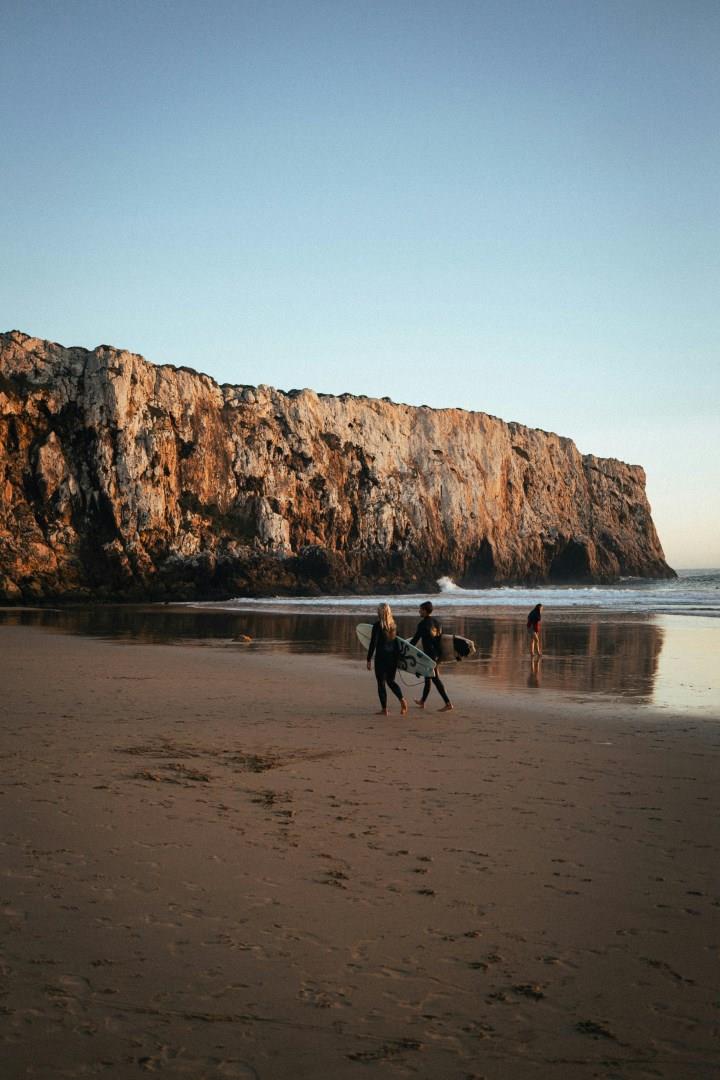
Sagres sits at the southwestern edge of continental Europe in Portugal’s Algarve region, where the Atlantic’s wide horizon meets rugged cliffs and open skies. For centuries this point was linked to maritime adventure and visitors can still feel that sense of discovery in the air. Here, people like Prince Henry the Navigator gathered cartographers, shipbuilders and astronomers in the 1400s to push beyond maps of the known world and shape the early Age of Discovery from Sagres’ dramatic headlands.

Papua New Guinea
Papua New Guinea is a land of surprises, where misty highlands give way to tropical coasts and vibrant festivals stir every sense. In the Highlands, the air carries the echoes of ceremonial drums and elaborate sing‑sings like the famed Goroka Show, where over 100 tribes gather in September to perform dances adorned with feathered headdresses, body paint, and the haunting clay masks of the Asaro Mudmen.
Texel
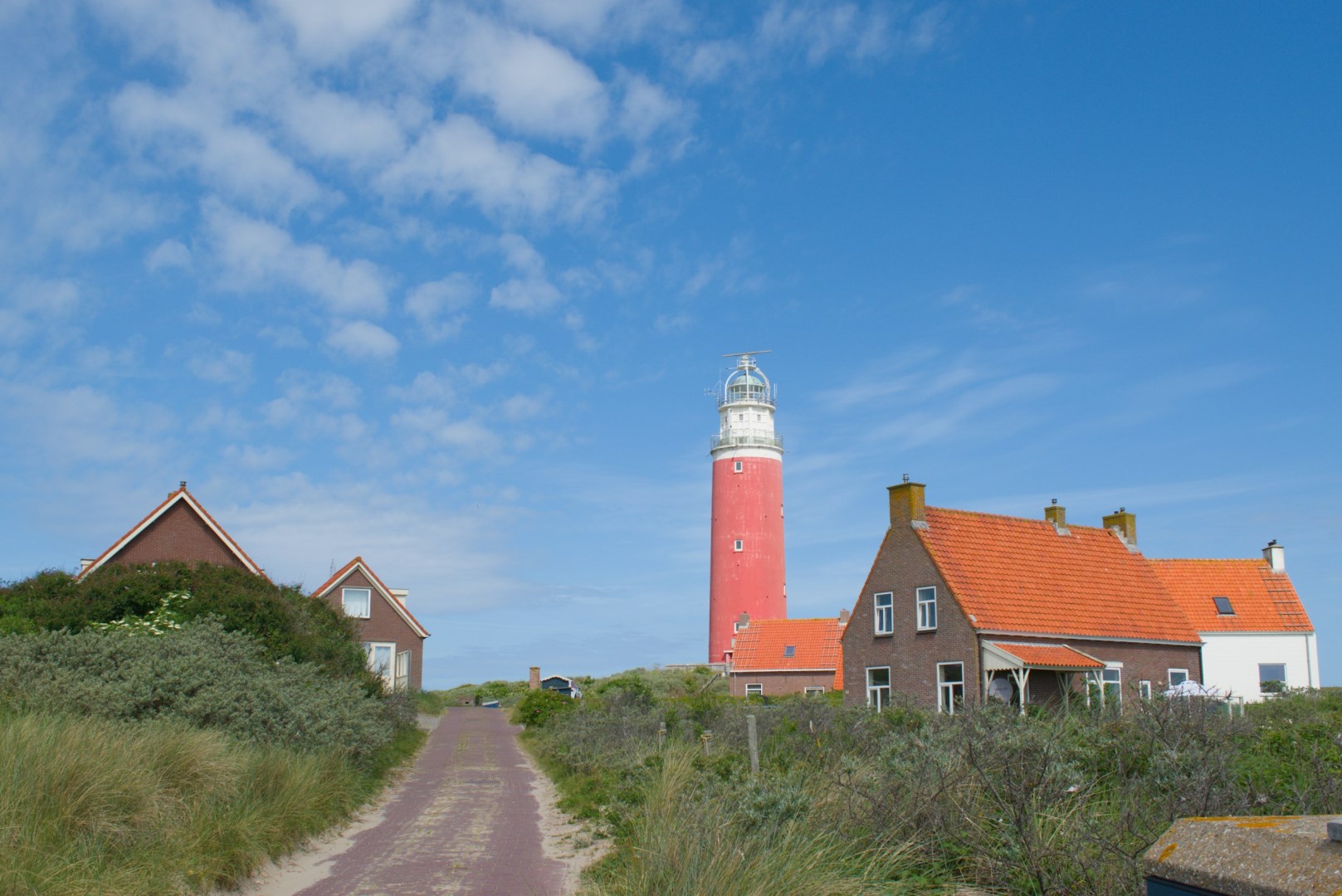
Texel is the largest of the Dutch Wadden Islands, located off the northern coast of the Netherlands and separated from the mainland by the Marsdiep Strait. Its landscape combines broad sandy beaches, coastal dunes, salt marshes, grasslands, polders, and small villages. Den Burg is the island’s main settlement, while De Koog is the principal seaside resort.
Nogales
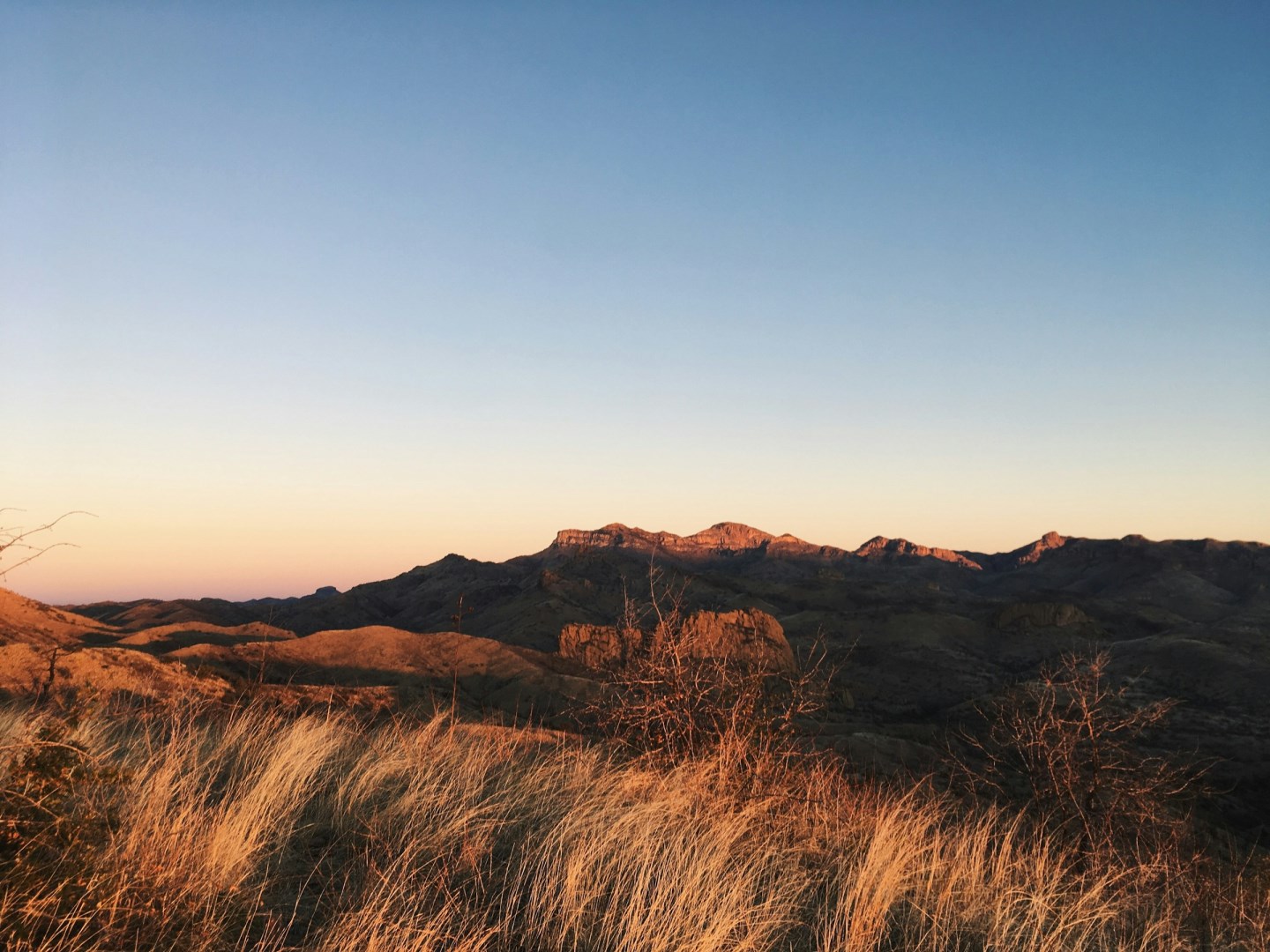
Nogales is a border city in Santa Cruz County in southern Arizona, directly adjoining Nogales, Sonora, Mexico. Its setting in the Santa Cruz River Valley gives the city a distinctive landscape of rolling hills, desert vegetation, and mountain ranges. As one of the principal border crossings between Arizona and Mexico, Nogales has long served as a center for trade, transportation, and cross-border commerce.
