
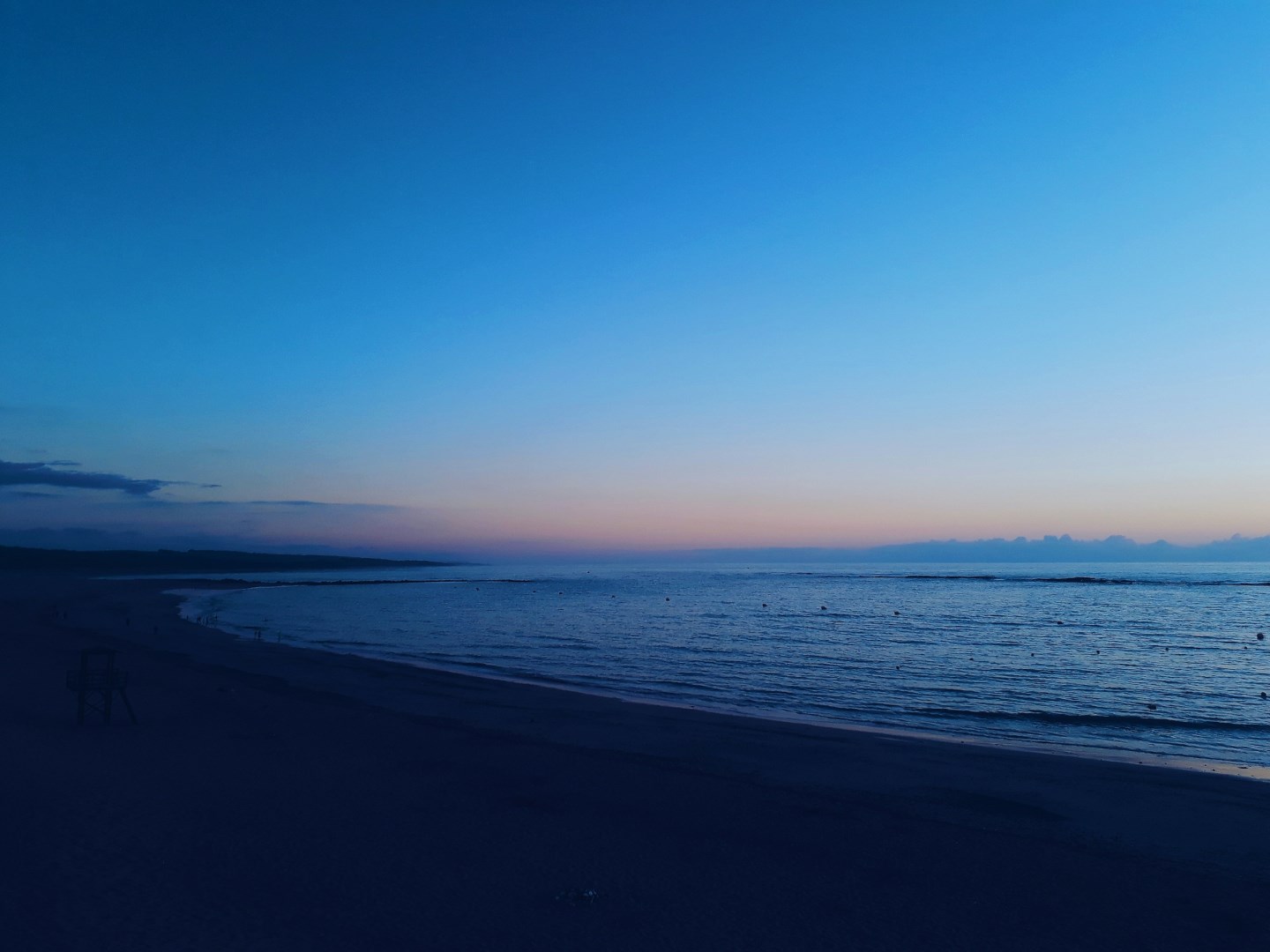
M'diq
M’diq is a coastal town on Morocco’s Mediterranean shore, situated between Tetouan and Fnideq along the sheltered waters of Tamuda Bay. The town combines a working fishing port with a long sandy beach, a seafront promenade, and access to nearby marinas. Its position at the foot of the Rif Mountains gives the coastline a backdrop of wooded hills, while the Mediterranean provides calm waters for swimming and boating.
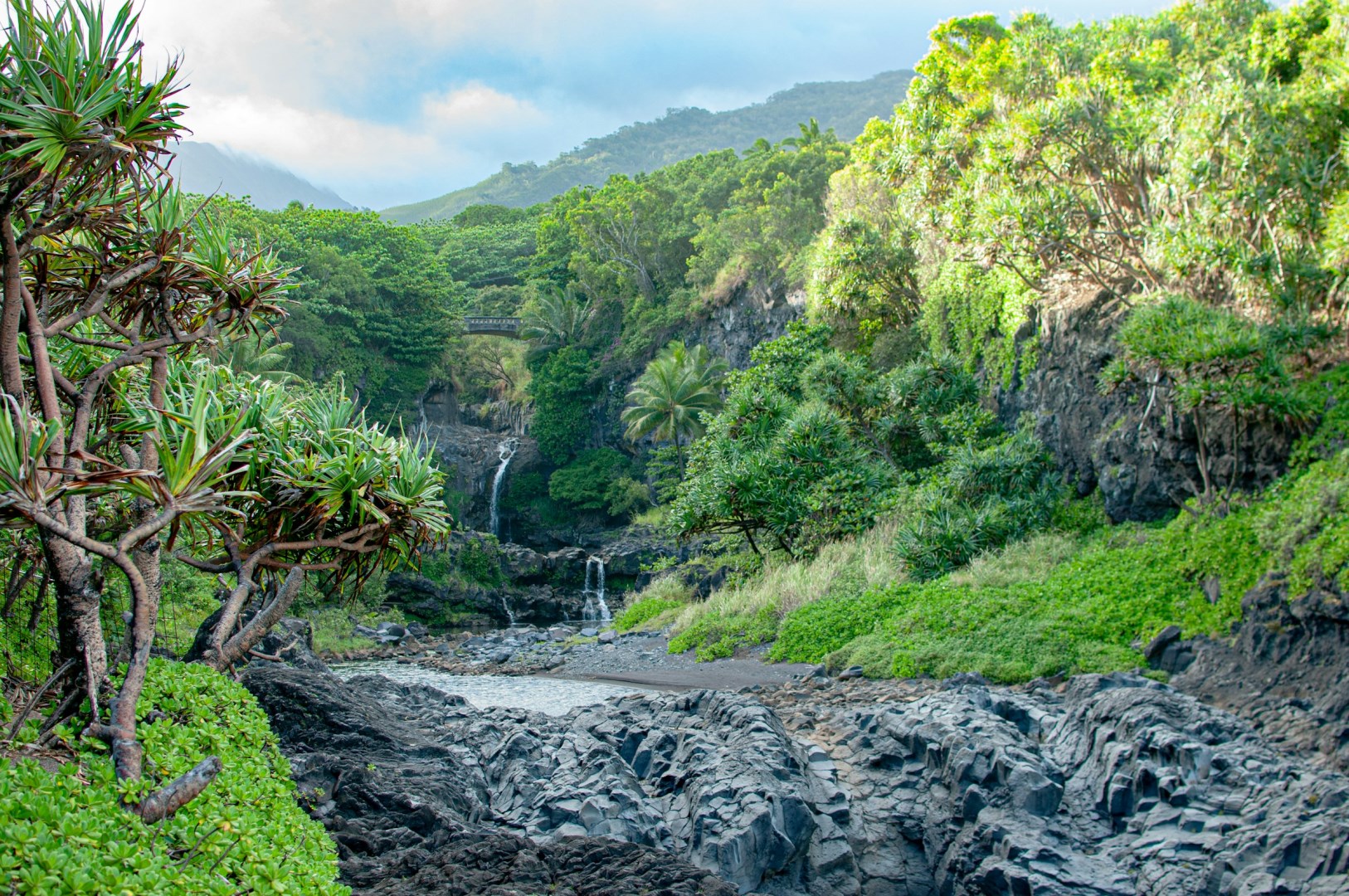
Haleakalā
Maui, both second youngest and second largest of the Hawaiian Islands, is home to the world's largest dormant volcano, Haleakala, meaning "House of the Sun." Last erupting about 200 years ago, it makes up the eastern end of the island. Maui was formed by volcanic activity from Haleakala on the east and the West Maui Mountains to the west. The connecting isthmus between the two spots was formed from joining lava from both and gives Maui its nickname, the Valley Isle.
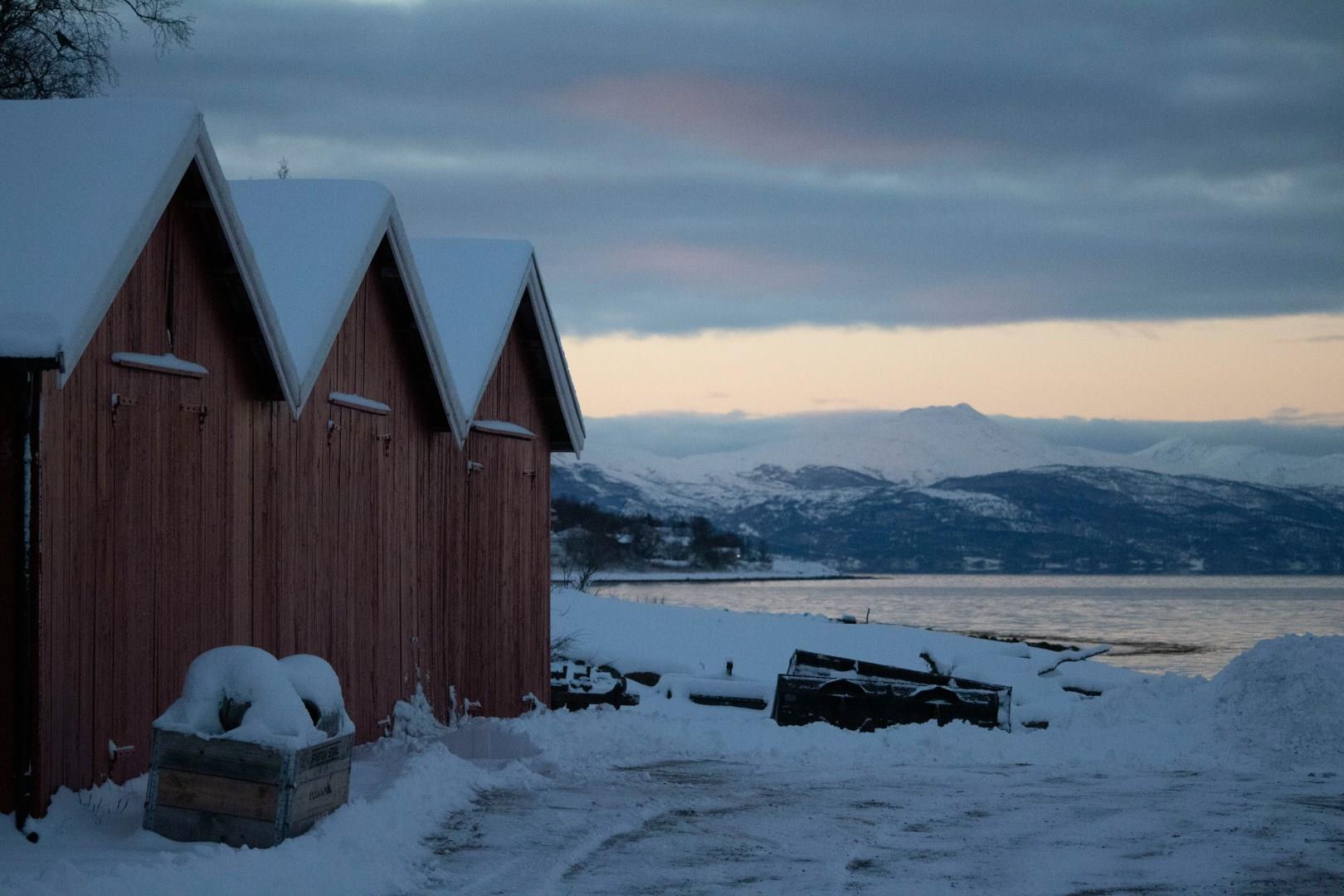
Narvik
Narvik’s most striking features is its natural setting. The town sits between steep fjords and rugged mountains, making it one of the few places in Norway where visitors can ski with ocean views. Narvikfjellet, the local mountain resort, operates in both winter and summer. During the colder months, it's popular for alpine skiing and northern lights viewing; in summer, the gondola runs for hikers and photographers eager to take in views of the Ofotfjord from the summit.

Dearborn
The town of Dearborn is located in southeastern Michigan, named after General Henry Dearboar, a respected physician and Revolutionary Ware hero who served as Secretary of State under President Thomas Jefferson from 1801-1809 and commanded the American Armies during the war of 1812.
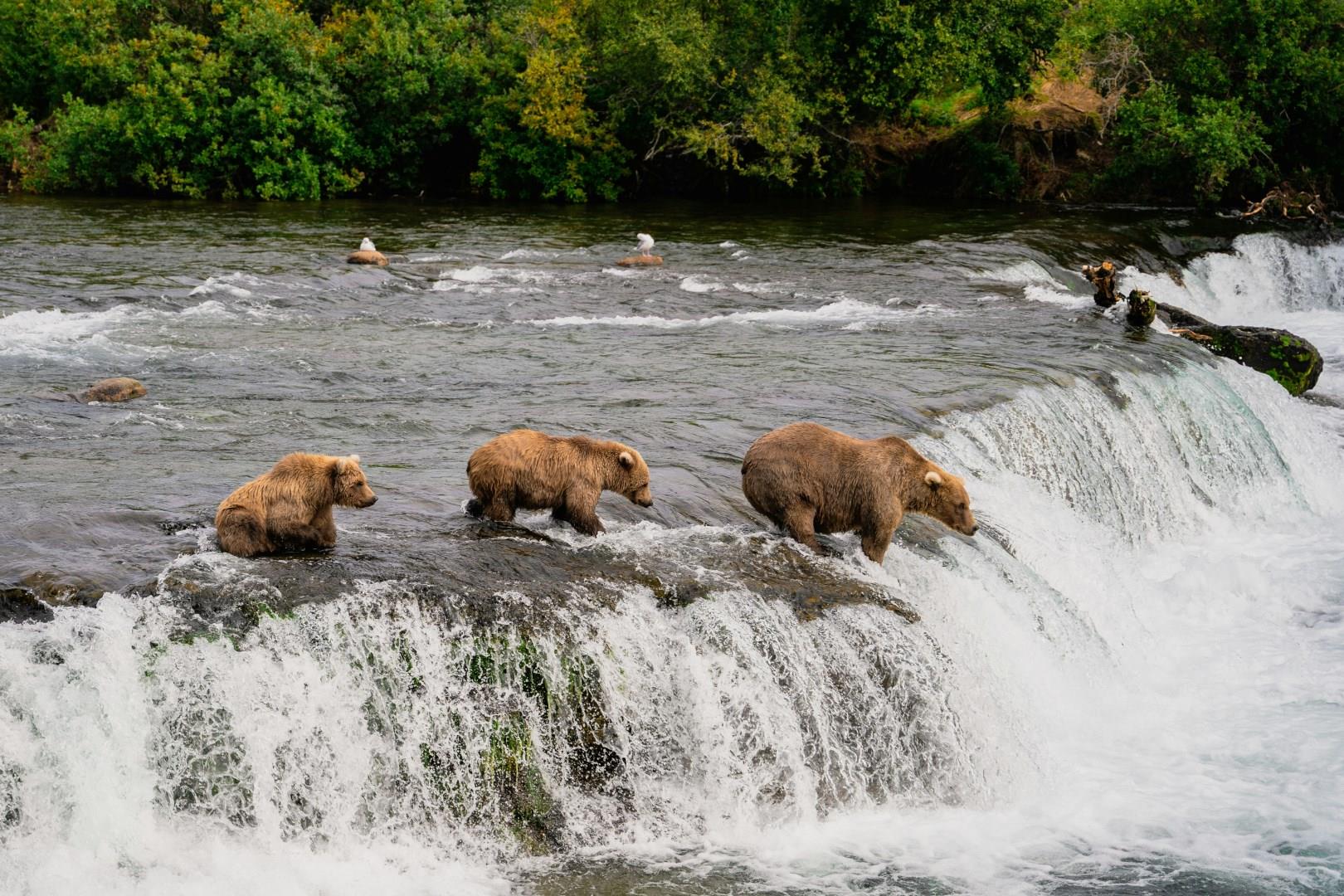
Katmai National Park
Katmai National Park and Preserve lies along Alaska’s remote Pacific coast, shaped by volcanism, glaciers, and deep time. The area gained prominence after the 1912 Novarupta eruption, one of the largest volcanic events of the 20th century, which transformed the landscape and led to the creation of the Valley of Ten Thousand Smokes.
