
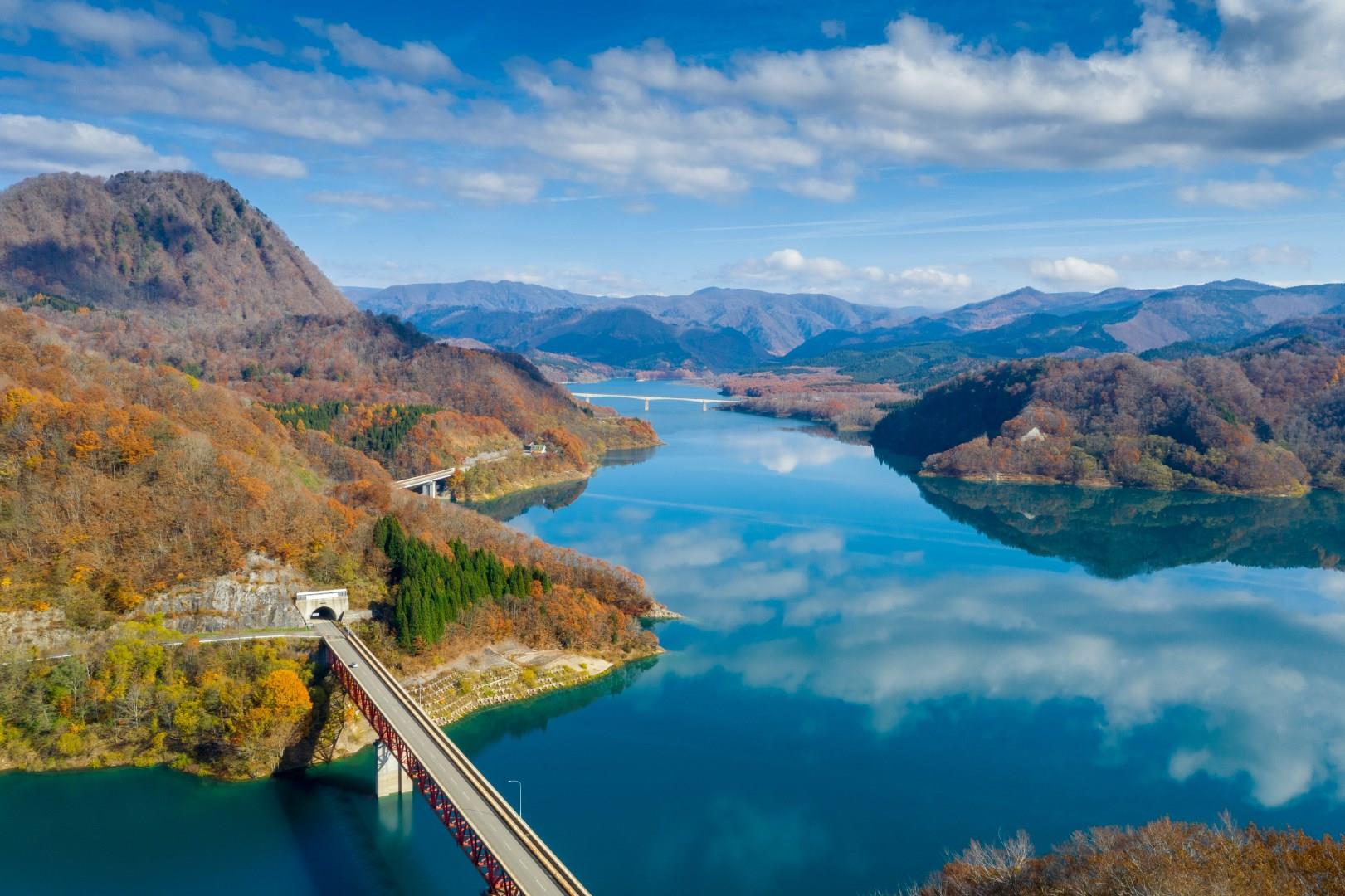
Akita
Akita sits in the northern part of Japan’s Tōhoku region and offers travelers experiences rooted in long-held traditions, lively festivals, and scenic valleys. Its capital city blends seasonal appeal with cultural offerings, from Senshu Park, once the site of Kubota Castle, where cherry blossoms and lotuses draw locals and visitors alike, to the Akita Museum of Art, a striking building designed by famed architect Tadao Ando that displays works including pieces by Tsuguharu Foujita.

Brighton and Hove
Brighton, a vibrant seaside city on England's southern coast, has long been a favorite getaway for those seeking a mix of culture, history, and the sea. Its most famous landmark, the Royal Pavilion, is an architectural wonder with its exotic, Indian-inspired domes and minarets. Originally built for King George IV as a lavish seaside retreat, the palace today offers visitors a glimpse into royal opulence with its richly decorated interiors and sprawling gardens.
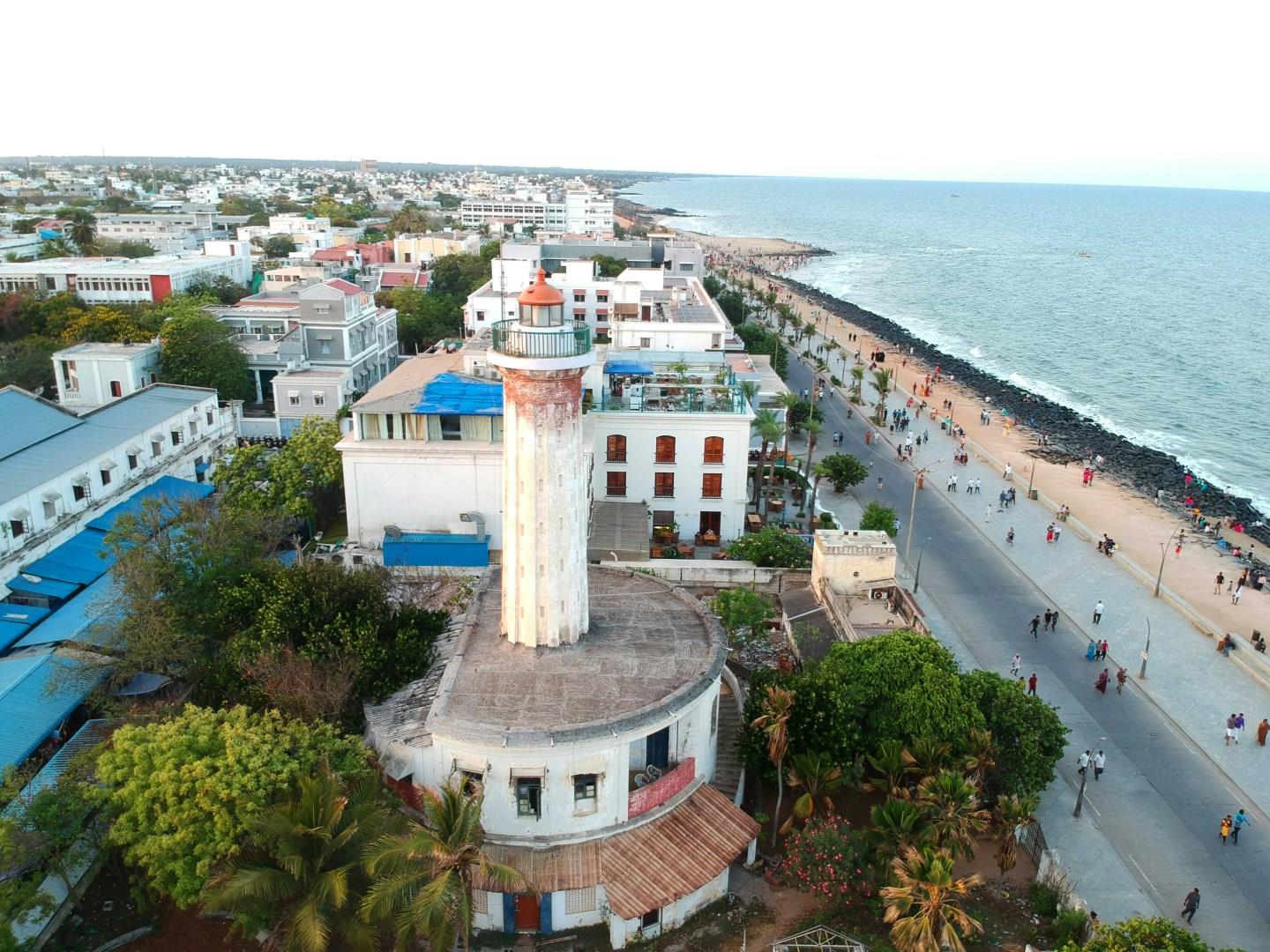
Pondicherry
Pondicherry is a coastal town in southern India that still carries traces of its French colonial past. The French Quarter, or White Town, is filled with mustard-yellow buildings, iron-laced balconies, and streets with French names. Visitors can explore this area on foot or by bicycle, stopping at spots like the 18th-century Eglise de Notre Dame des Anges, built in Greco-Roman style, or the French Consulate, which continues to operate from a colonial-era building.

Garden Route National Park
Garden Route National Park is a network of protected areas along South Africa’s southern coast, bringing together the Tsitsikamma, Wilderness, and Knysna sections under one management system. The park stretches across a varied landscape of Indian Ocean coastline, indigenous forest, mountain catchments, fynbos, rivers, lakes, and estuaries.
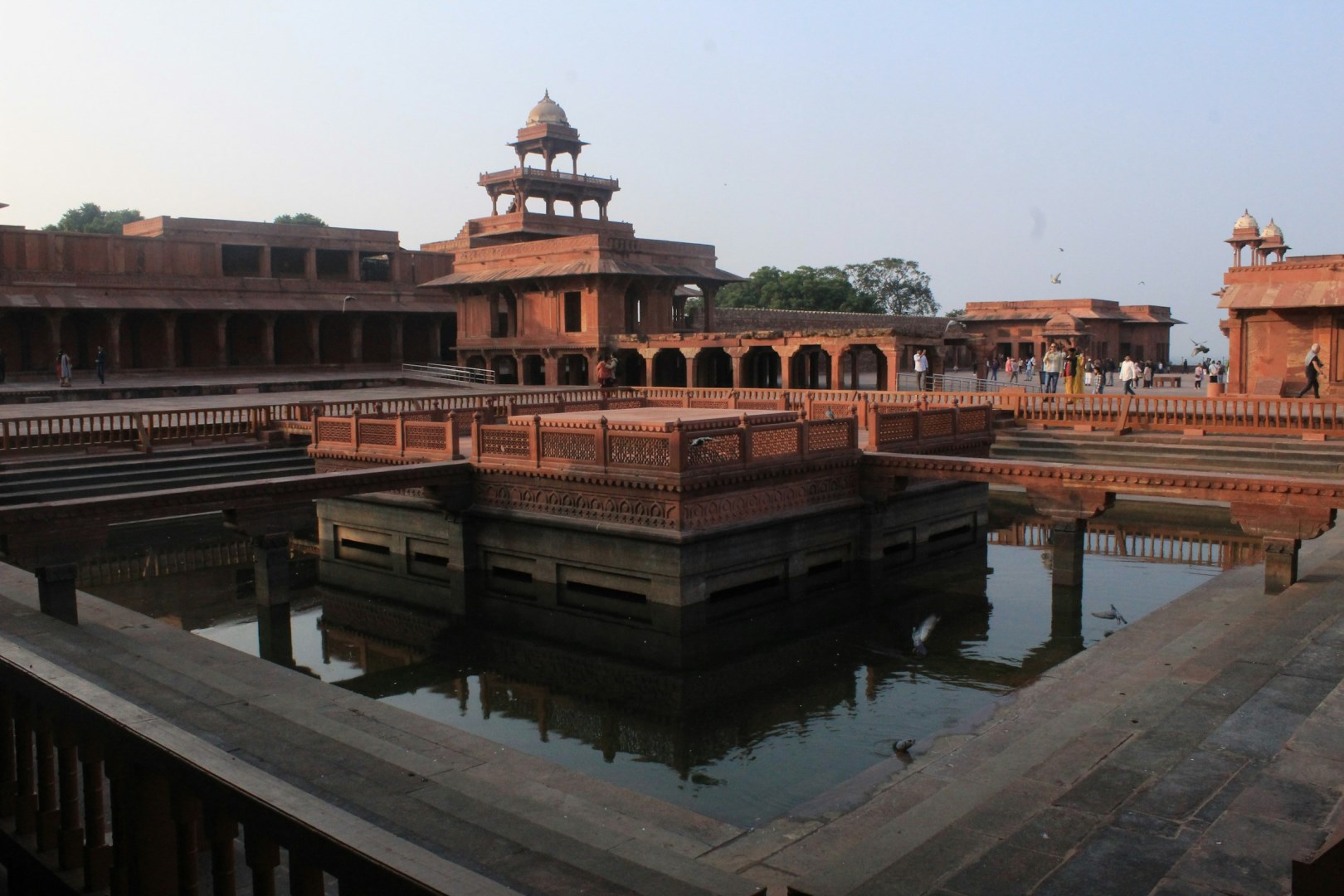
Fatehpur Sikri
Fatehpur Sikri is a historic city in Uttar Pradesh, located near Agra and known for its grand red sandstone architecture and carefully planned urban layout. Built around a ridge, the former imperial city contains palaces, courtyards, audience halls, religious buildings, and gateways arranged within a fortified complex. Its architecture combines Islamic, Hindu, Jain, and regional design elements, reflecting the cultural setting of the Mughal court.
