
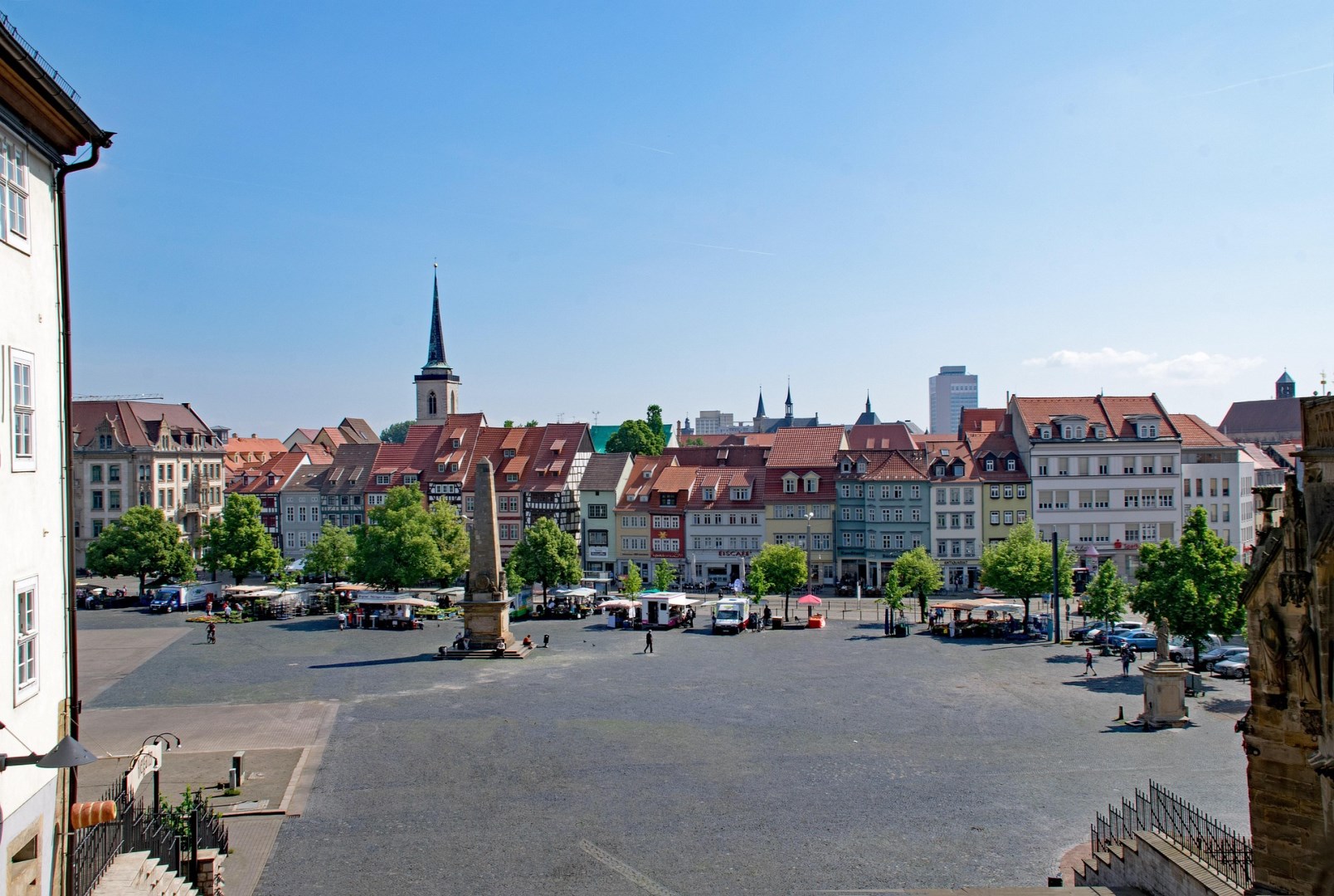
Erfurt
The skyline of Erfurt is shaped by dozens of churches, monasteries, and convents thrusting their pointed steeples upward to the sky. In the Middle Ages, Erfurt was known as "Thuringian Rome" because of its religious orders. The impressive twin churches on the Domberg (Cathedral Hill), the Roman Catholic St. Mary's Cathedral (14th century) and the Roman Catholic Parish church St. Severus with a flight of 70 outdoor steps leading from the Cathedral Square up the hill to the churches.

Phnom Penh
Phnom Penh, the capital of Cambodia, is a city where history, culture, and riverside life intersect. Situated at the confluence of the Mekong and Tonle Sap rivers, the city has a lively riverfront that serves as both a social gathering place and a hub for commerce.

Banff
Banff, nestled in the heart of the Canadian Rockies, is one of Canada’s most celebrated mountain towns and a gateway to Banff National Park, a UNESCO World Heritage Site.
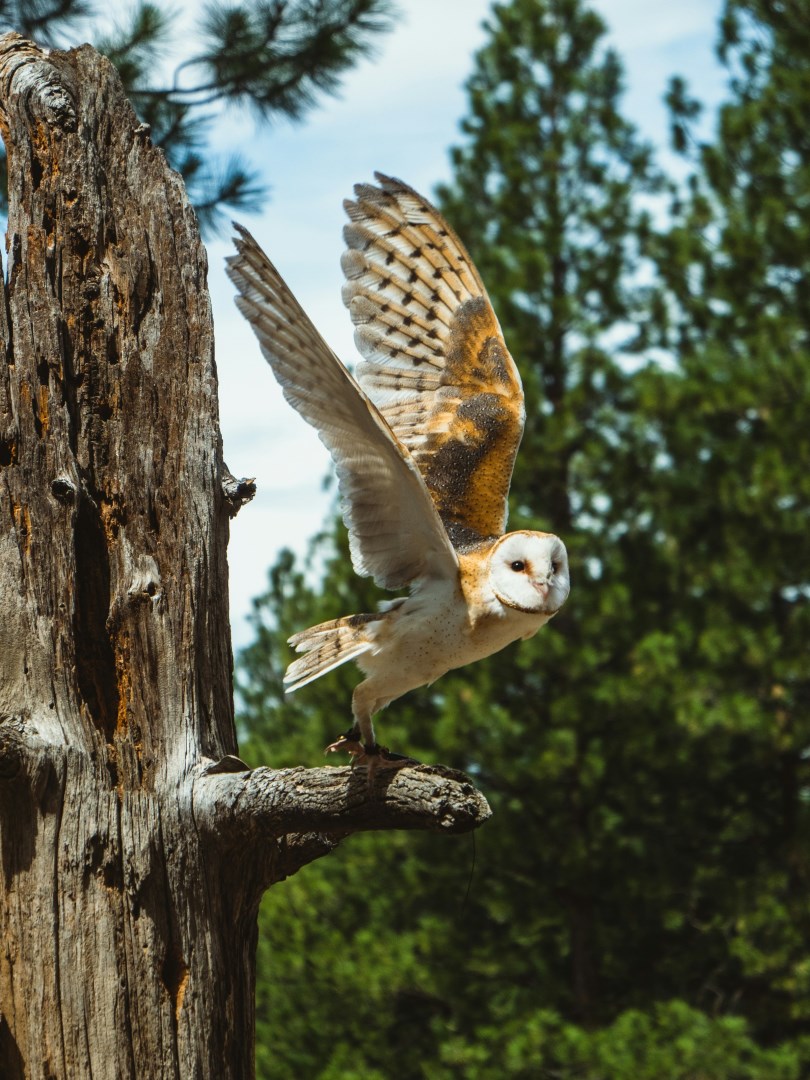
Bend
Central Oregon. Nestled along the Deschutes River, Bend is renowned for its outdoor activities and vibrant culture. The city is a haven for outdoor enthusiasts, offering year-round opportunities for hiking, biking, and skiing. The nearby Mount Bachelor, a popular ski resort, transforms into a winter wonderland with over 4,000 acres of skiable terrain. In the warmer months, it serves as a hub for mountain biking and hiking, with trails that cater to all skill levels.
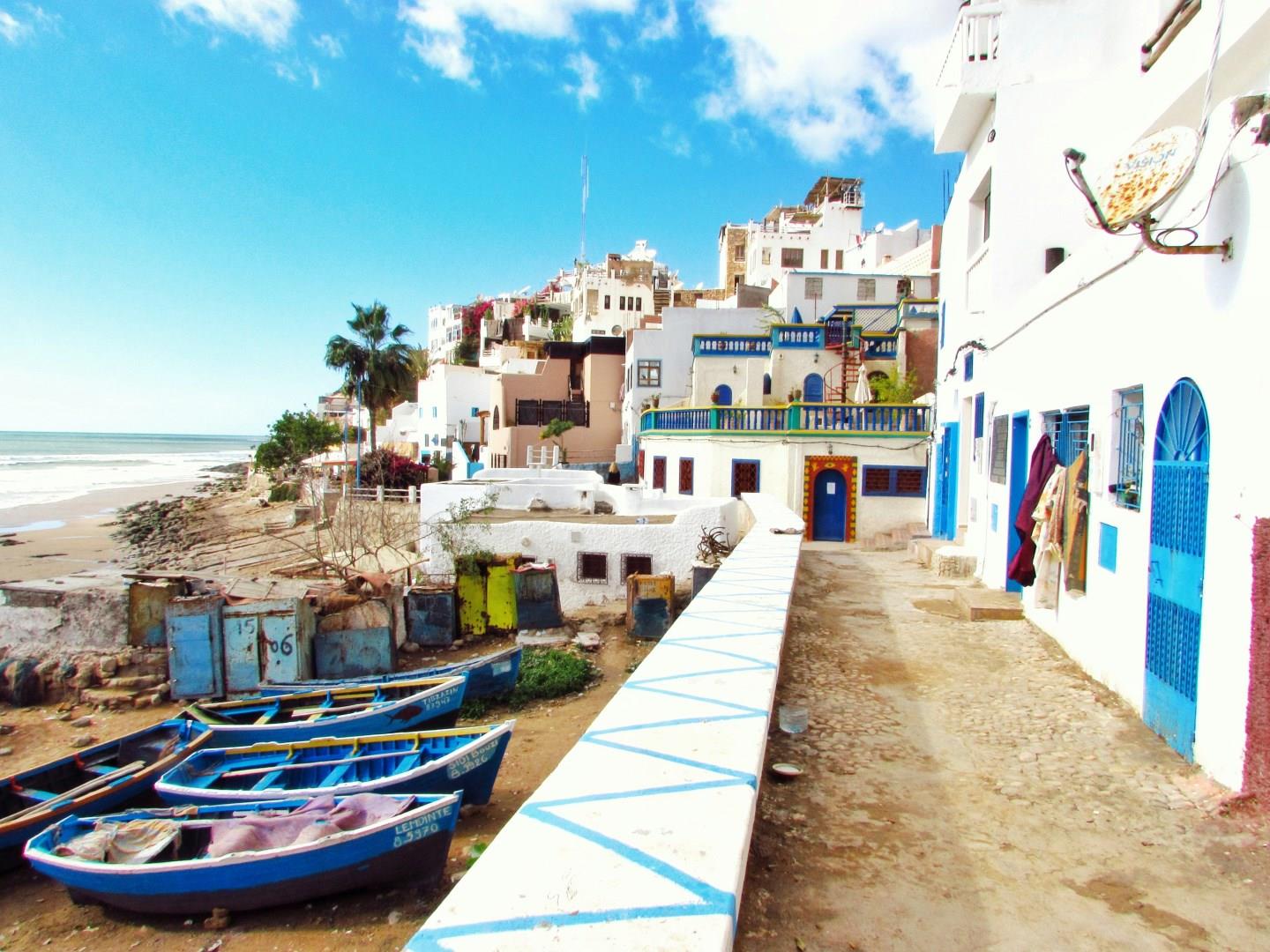
Taghazout
Taghazout is a small coastal village on Morocco’s Atlantic shore, once a quiet fishing settlement that has grown into a global surf destination without fully shedding its roots. Life here still follows the rhythms of the sea, with boats pulled onto the sand and daily routines shaped by tides and weather. Berber culture underpins the village’s identity, visible in local customs, food, and the understated pace that sets Taghazout apart from Morocco’s larger resort towns.
