
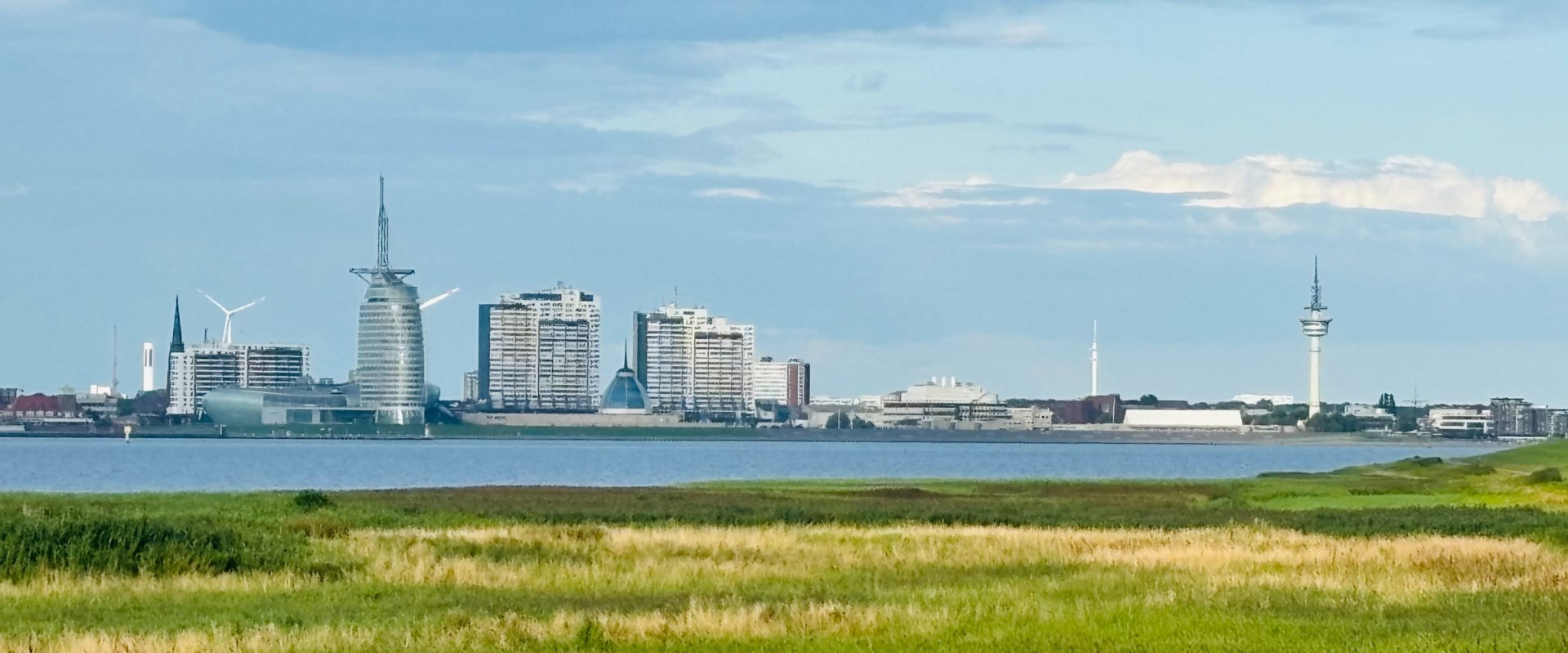
Bremerhaven
Bremerhaven, a port city on Germany’s North Sea coast, is known for its maritime heritage, bustling harbor, and cultural attractions. Founded in 1827 to serve as a gateway for Bremen’s shipping industry, it has grown into a major center for trade, logistics, and seafaring culture.
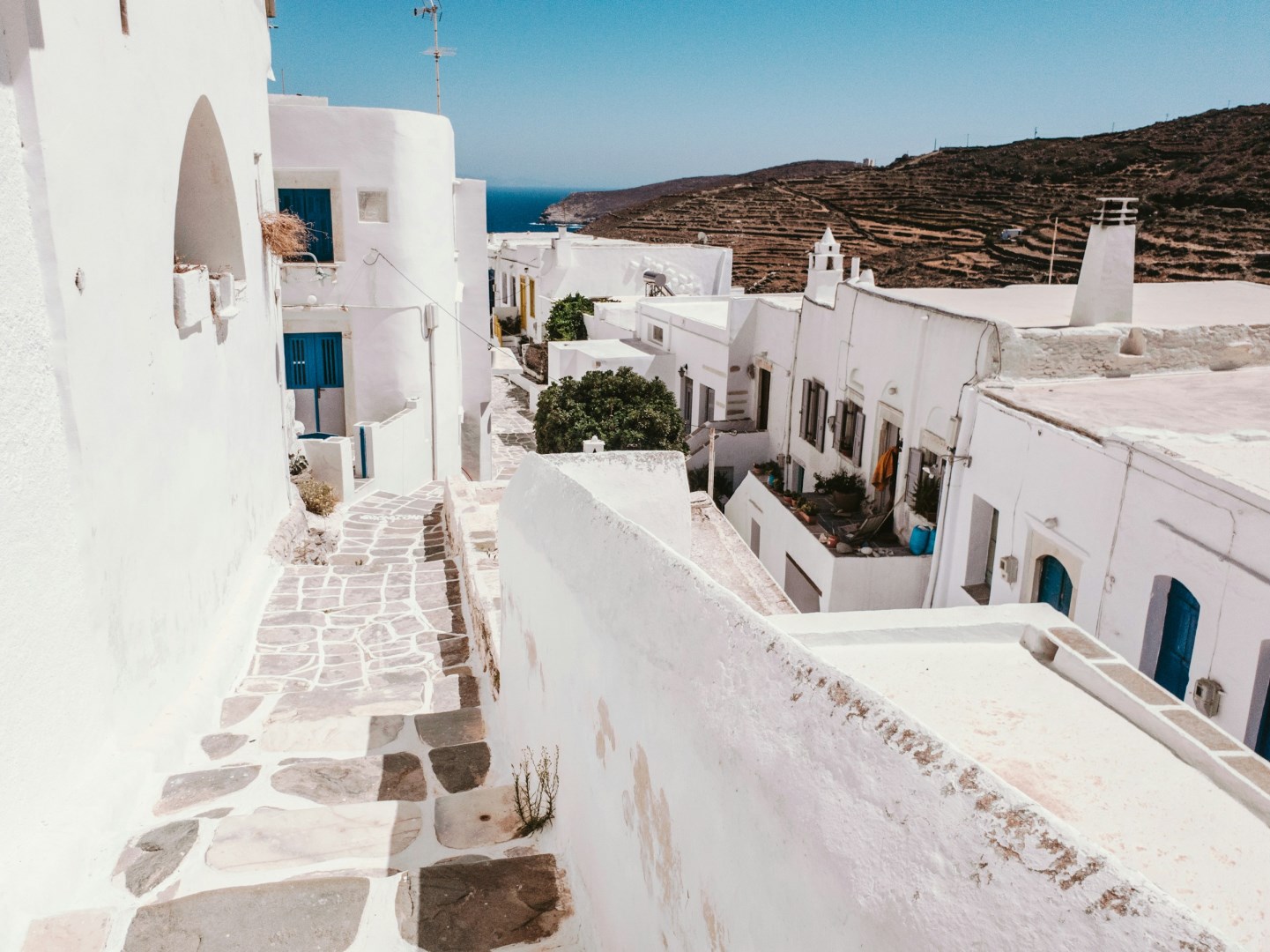
Sífnos
Sífnos is a Cycladic island in the southwestern Aegean, known for its whitewashed villages, stone-paved lanes, terraced hillsides, pottery workshops, and well-marked walking trails. Apollonia, the island’s main settlement, spreads across several hills at the center and serves as its cultural and social hub. Smaller villages such as Artemonas, Kastro, and Exambela retain traditional houses, churches, courtyards, and narrow alleys.

Riga
Riga, the vibrant capital of Latvia, offers a captivating blend of medieval charm and contemporary energy. Founded in 1201, Riga’s Old Town, a UNESCO World Heritage Site, is a treasure trove of stunning architecture and historical landmarks. Wander through its cobblestone streets to admire the intricately carved facades of buildings like the House of the Blackheads, a striking 14th-century guildhall that epitomizes Riga's rich merchant history.

San Cristóbal Island
One of San Cristobal Island's most popular visitor sites is Cerro Brujo, with its expansive white sand beach and a lagoon that locals once used as a salt mine but now offers excellent snorkeling opportunities. Another must-see is Kicker Rock, a fascinating rock formation that looks like a boot from one angle (hence its English name) and like a sleeping lion from another (thus its Spanish name, Roca León Dormido).
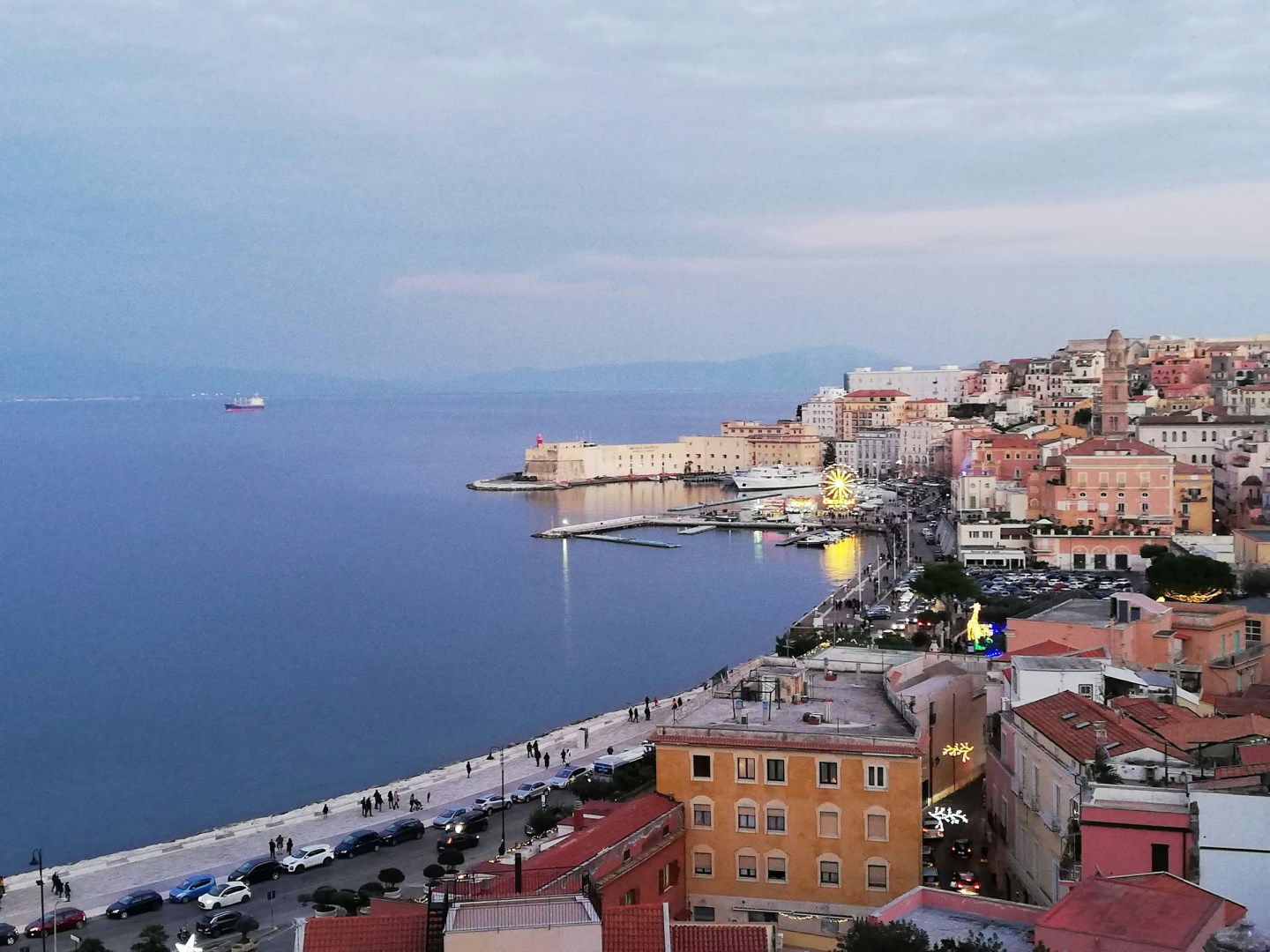
Gaeta
A fishing port and seaside resort in a picturesque location. The old town is dominated by a castle (7th century). The cathedral (1279) is notable for its admirable sculptures and paintings as well as its Arab-Norman bell tower. The mausoleum of Lucius Munatius Plancus, an impressive Roman monument, is cylindrical in shape and 13 meters high. The sanctuary of Montagna Spaccata is at Punta della Trinità, where you can see a chasm which is traditionally said to have opened up on the death of Jesus.
