
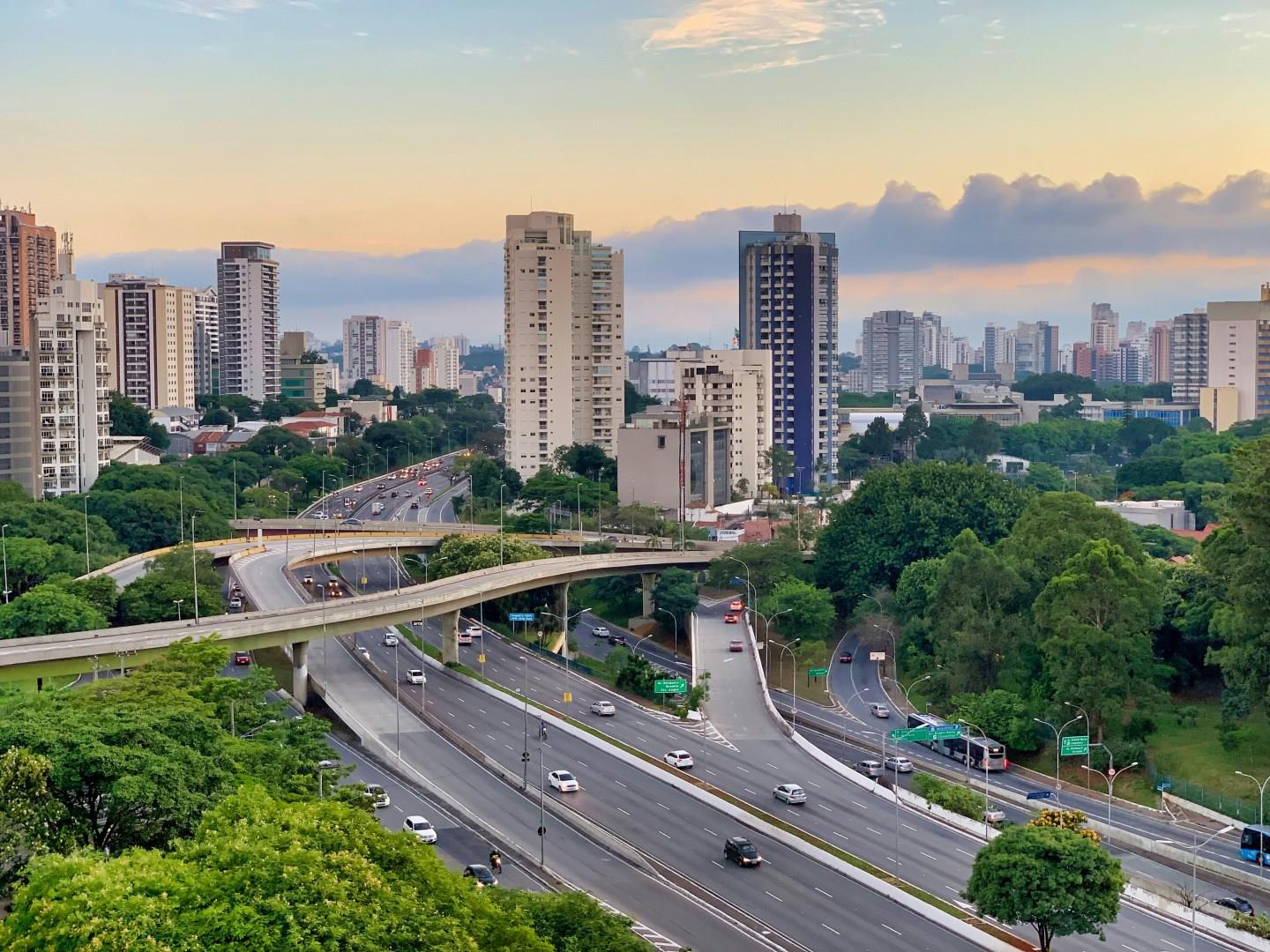
São Paulo
Sao Paulo is Brazil’s largest city and its economic engine, shaped by waves of migration that began in the late 19th century and never truly slowed. Italians, Japanese, Lebanese, and migrants from across Brazil all left visible marks on the city’s neighborhoods, food, and cultural life.

Dominica
Dominica, known as the “Nature Island of the Caribbean,” is a haven for eco-tourists and adventure seekers. Nestled between the French islands of Guadeloupe and Martinique, this lush island boasts a remarkable landscape of volcanic mountains, dense rainforests, and stunning waterfalls. Dominica’s most iconic natural wonder is the Boiling Lake, the second-largest hot spring in the world.
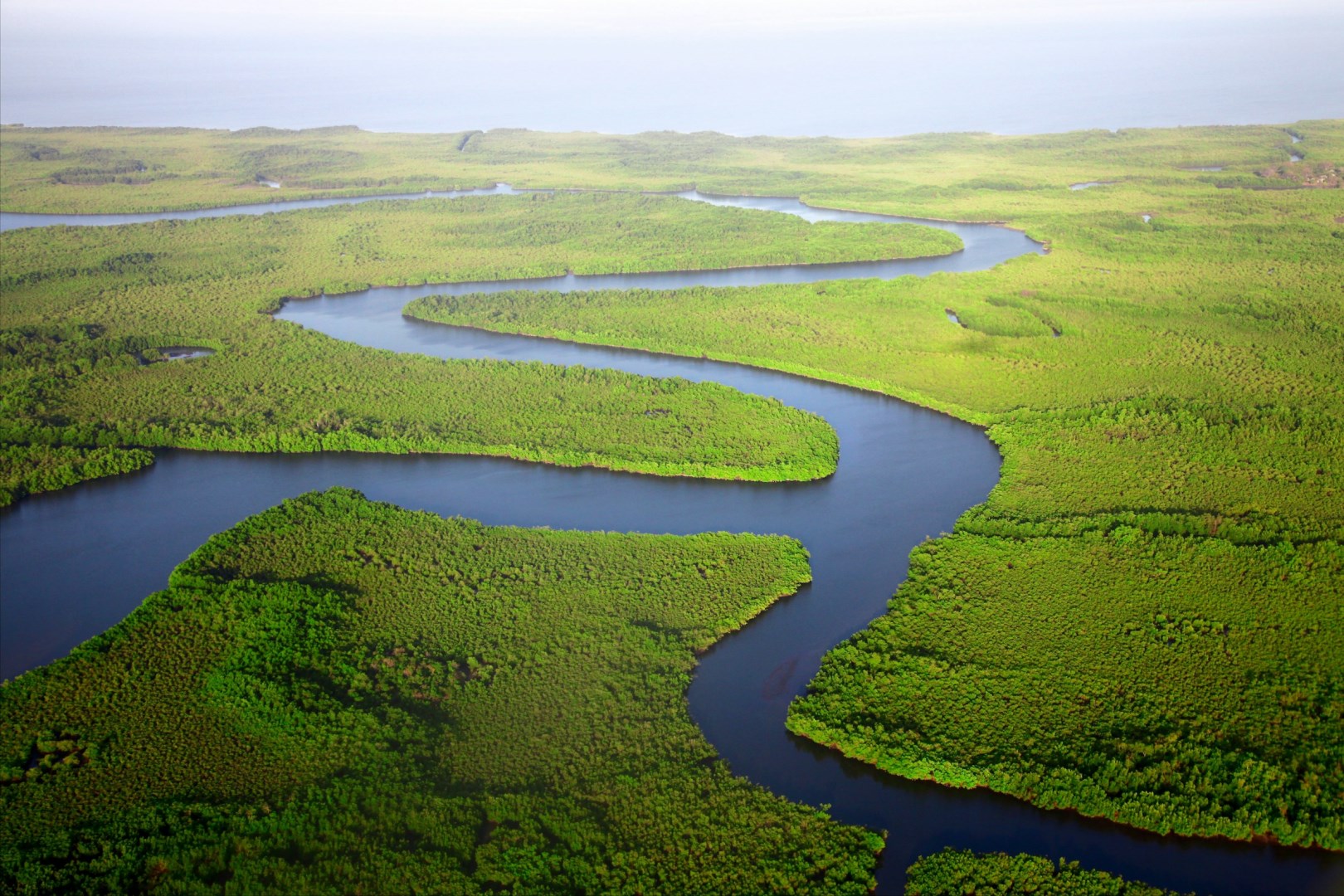
The Gambia
The Gambia is a small West African country known for its rich culture, scenic river landscapes, and warm, welcoming communities. The country is centered around the Gambia River, which flows through the nation and supports agriculture, fishing, and river-based tourism.

Dingle
Nestled along the picturesque southwest coast of Ireland, the charming town of Dingle offers a quintessential Irish experience with its stunning landscapes and rich cultural heritage. The town is renowned for its vibrant harbor and traditional pubs, where visitors can enjoy lively music sessions and savor local seafood dishes. The Dingle Peninsula, with its rugged cliffs and scenic drives, is a highlight for nature enthusiasts and those seeking breathtaking vistas.
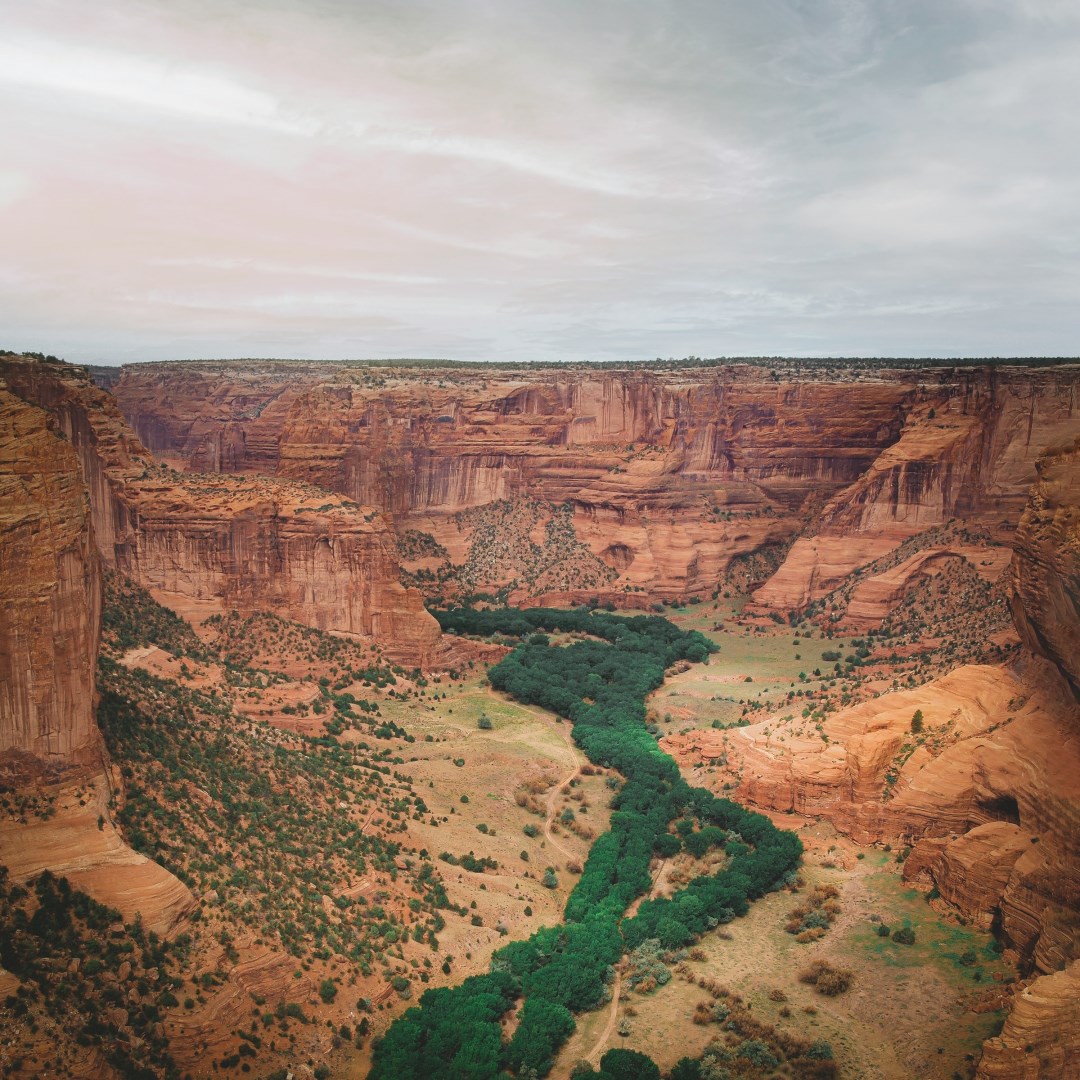
Canyon de Chelly National Monument
Canyon de Chelly National Monument lies in northeastern Arizona on Navajo Nation land, surrounding a network of deep sandstone canyons near Chinle. The monument is distinctive because it is both a protected landscape and a living community, with Diné families continuing to farm, raise livestock, and maintain homes within the canyon.
