
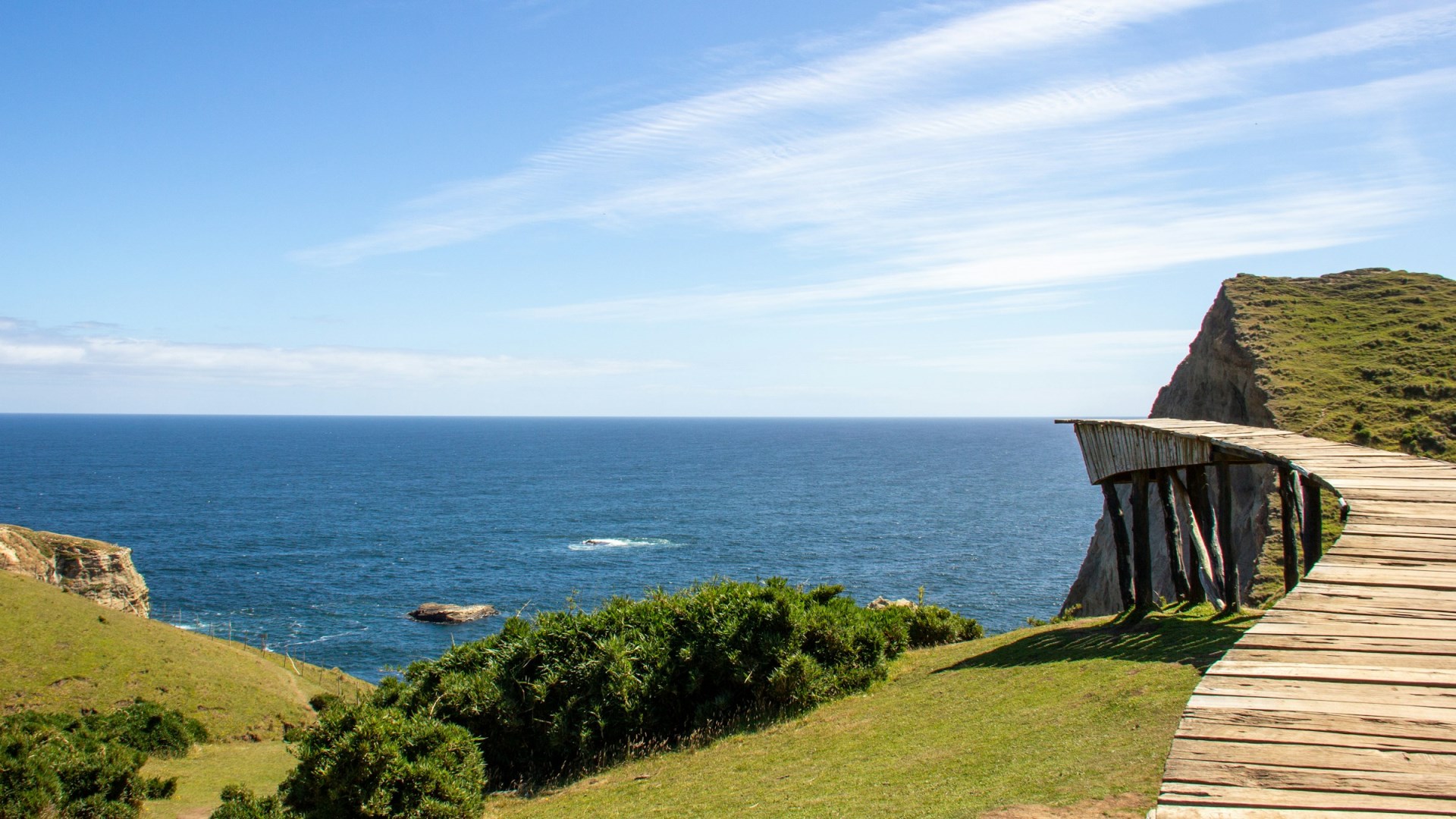
Chiloé Island
Chiloé Island is the largest island in the Chiloé Archipelago in southern Chile, separated from the mainland by the Chacao Channel and surrounded by the Gulf of Corcovado and the Pacific Ocean. Its landscape is shaped by wooded hills, farmland, wetlands, beaches, and a network of channels and smaller islands. Rural communities are scattered across the island, while towns such as Castro, Ancud, and Chonchi provide commercial and cultural centers.
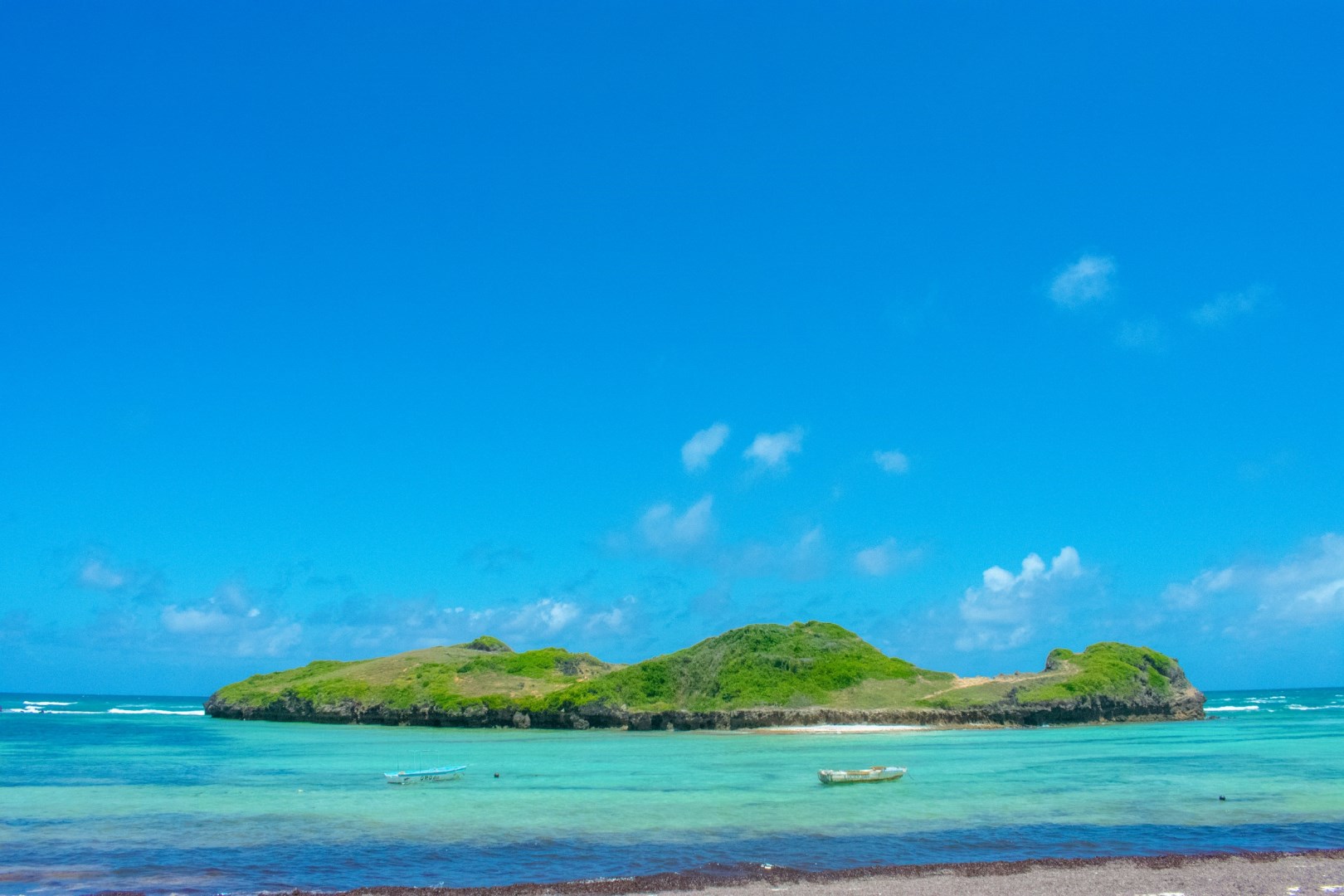
Malindi
Malindi is a coastal town in southeastern Kenya, located along the Indian Ocean north of Mombasa. Its setting combines a historic Swahili settlement with sandy beaches, coral reefs, palm trees, and marine habitats. The town has long been connected to Indian Ocean trade, and its streets and waterfront reflect African, Arab, Portuguese, and later European influences.
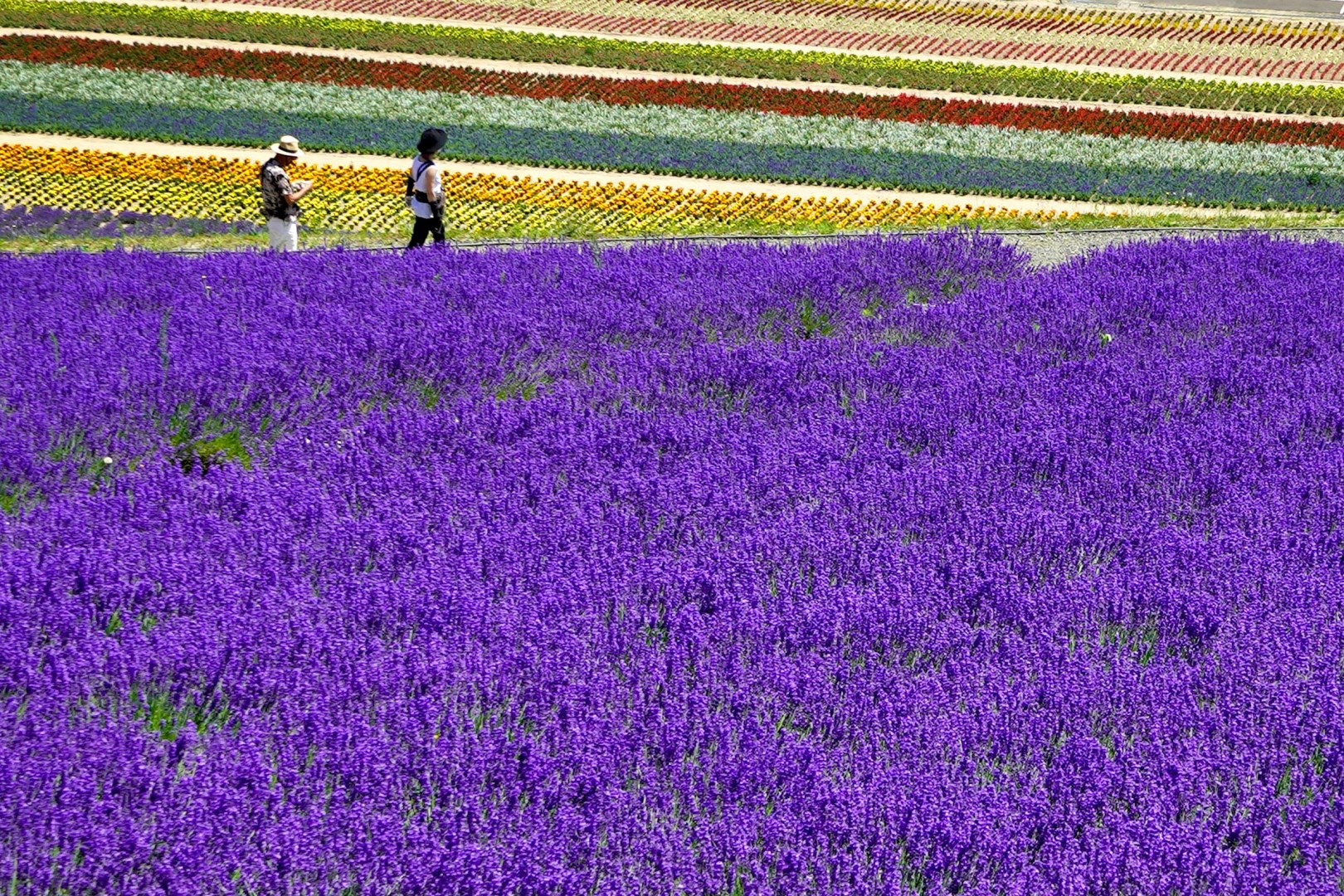
Furano
Furano is a small city in central Hokkaido, surrounded by the Tokachi and Yubari mountain ranges. Its broad basin contains farmland, rolling hills, rivers, and open countryside, while the surrounding mountains provide a distinct backdrop in every season. Furano is particularly associated with fields of lavender and other flowers, but agriculture remains an important part of the local landscape beyond the famous flower farms.

South Korea
South Korea is a land where ancient traditions live alongside futuristic cities. From Seoul’s grand palaces and vibrant arts scene to the volcanic landscapes of Jeju Island and the tranquil reflection of rice paddies in rural valleys, the country balances its rich heritage with constant reinvention.
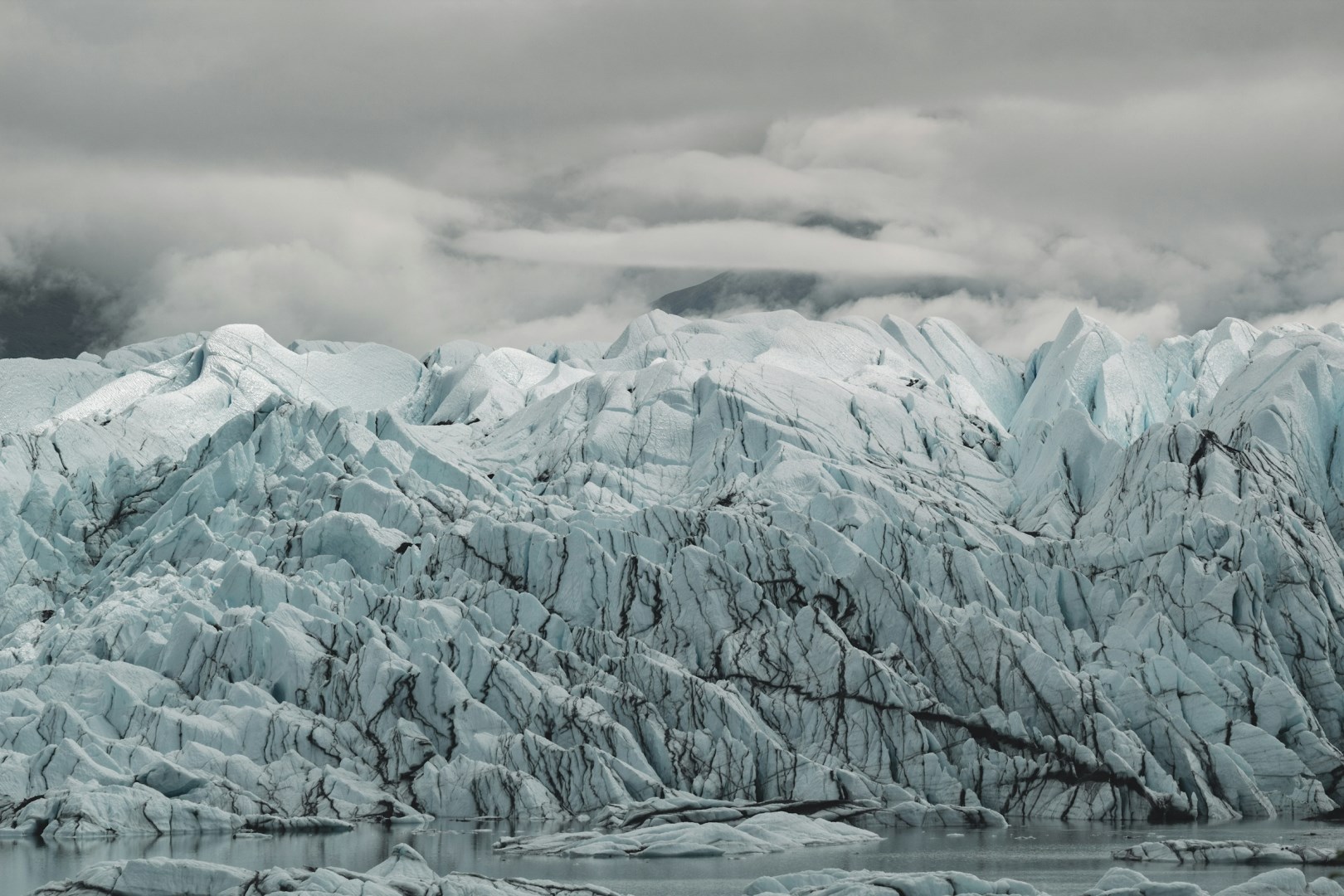
Matanuska Glacier
Matanuska Glacier is one of Alaska’s largest road-accessible glaciers, flowing through the Matanuska Valley northeast of Anchorage. The glacier stretches for roughly 27 miles and descends from the Chugach Mountains toward the valley floor, where its broad ice surface is bordered by steep mountain slopes and rocky terrain. The Glenn Highway follows the Matanuska River valley and provides access to viewpoints and guided glacier tours.
