

Malta
Malta, a small island nation in the heart of the Mediterranean, offers visitors a rich blend of history and vibrant local culture. Its capital, Valletta, is a UNESCO World Heritage site filled with grand Baroque architecture, narrow streets, and significant historical landmarks like St. John’s Co-Cathedral, home to masterpieces by Caravaggio. The city's fortifications tell stories of centuries of military importance, guarding one of Europe’s busiest harbors.

Šiaulia
Šiauliai, often referred to as the "City of the Sun" due to its high number of sunny days, is a vibrant gem in northern Lithuania. The city's most iconic landmark is the Hill of Crosses, a profound site of pilgrimage adorned with thousands of crosses placed by visitors over the decades. This unique and moving monument, which has been recognized by UNESCO for its cultural significance, symbolizes the resilience and spirit of the Lithuanian people.

Masalli
Masalli is a town in southeastern Azerbaijan, situated between the Talysh Mountains and the Caspian Sea. The district is known for its humid subtropical climate, fertile lowlands, forested mountain slopes, and numerous mineral springs. Tea plantations, citrus orchards, rice fields, and other cultivated areas are found across the surrounding countryside, while the Talysh Mountains rise toward the west. Masalli serves as a gateway to several natural attractions.
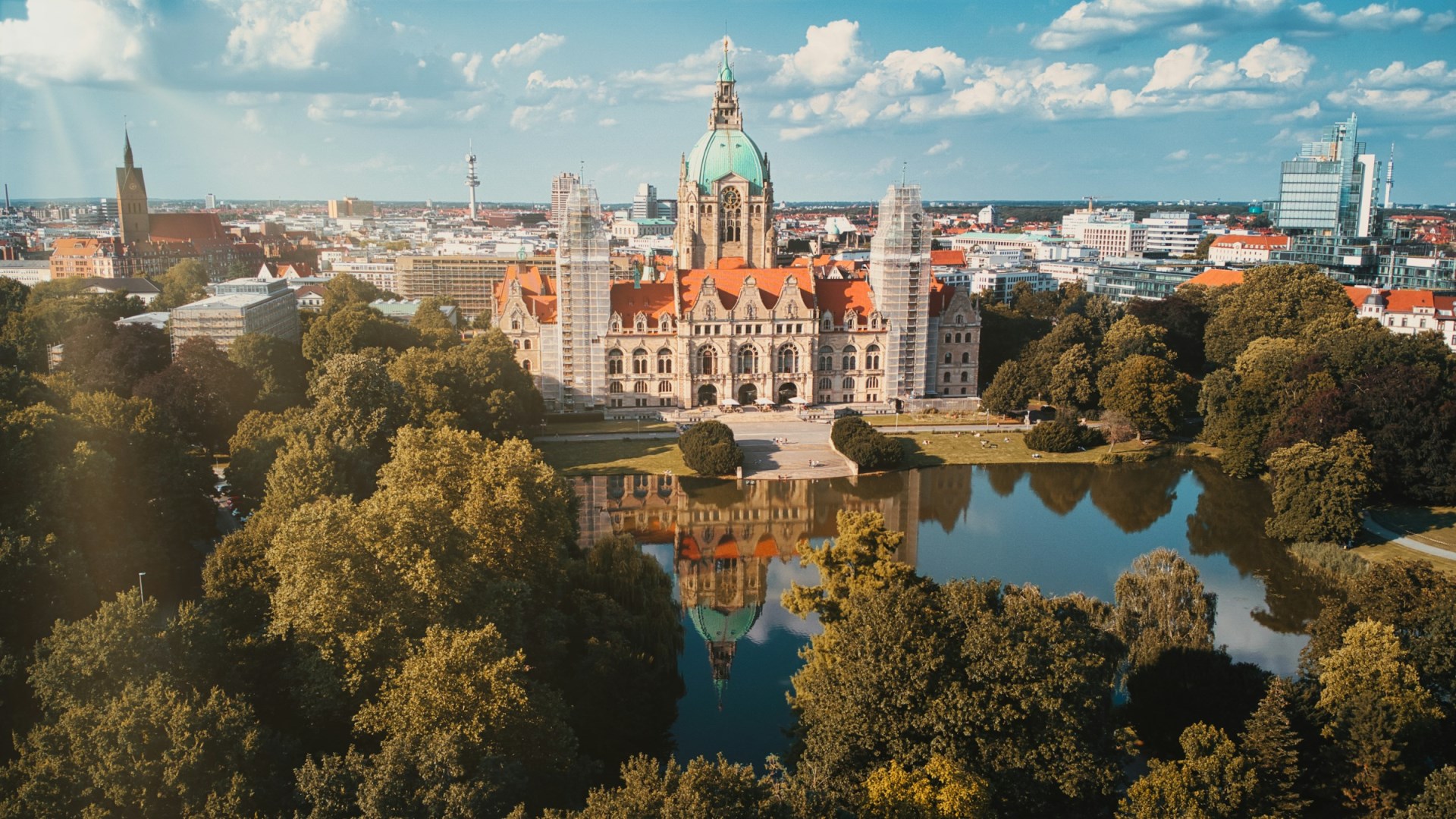
Hannover
Hannover is the capital of Lower Saxony in northern Germany and one of the country’s most important centers for business, education, and trade fairs. Situated along the Leine River, the city combines modern urban development with extensive green spaces, historic landmarks, and cultural institutions.
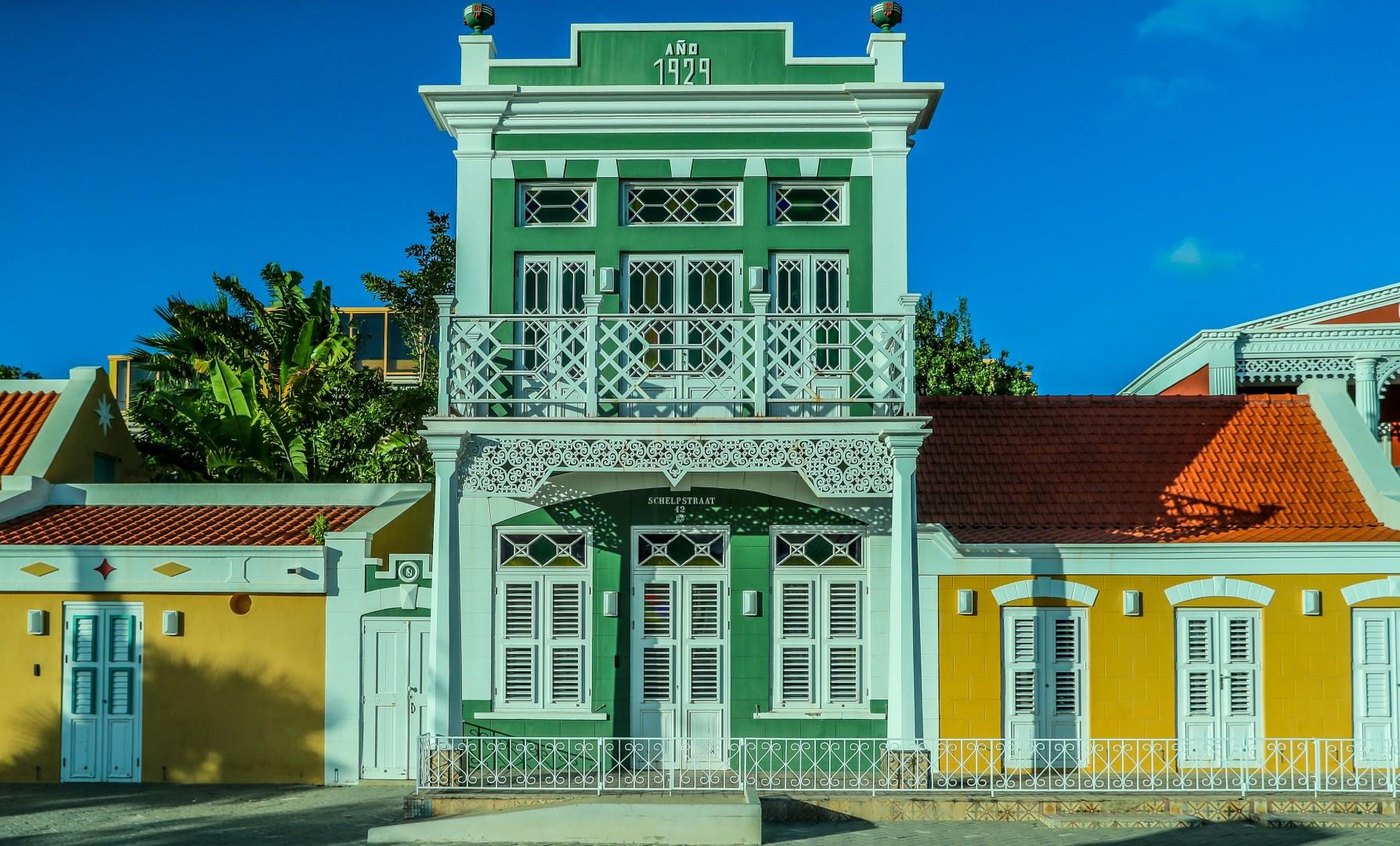
Oranjestad
Oranjestad, Aruba’s colorful capital, blends Dutch colonial charm with the island’s easygoing Caribbean character. The city’s pastel-painted buildings, adorned with gables and decorative facades, recall its Dutch heritage while housing modern boutiques, cafés, and museums.
