
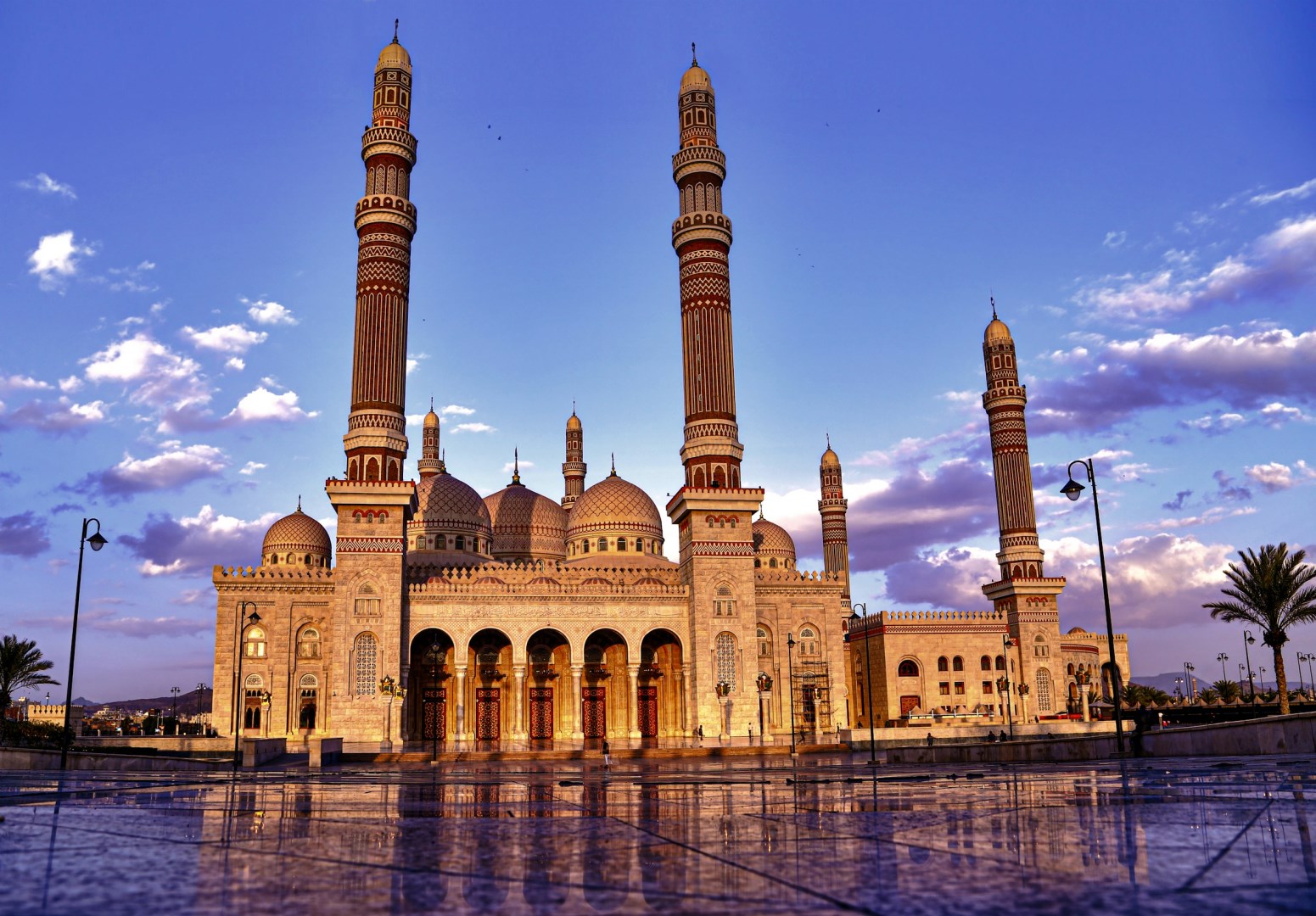
Yemen
Yemen’s Old City of Sana'a stands as a living mosaic of civilizations. Just past the ornate Bab al‑Yaman gate, towering homes made of adobe, lime plaster, and layered with qatad (plaster) rise like giants in the maze of markets and quiet courtyards. Nearby, the ruins of Ghumdan Palace, once said to rival skyscrapers, recall a pre‑Islamic past and offer echoes of bygone architectural ambition.
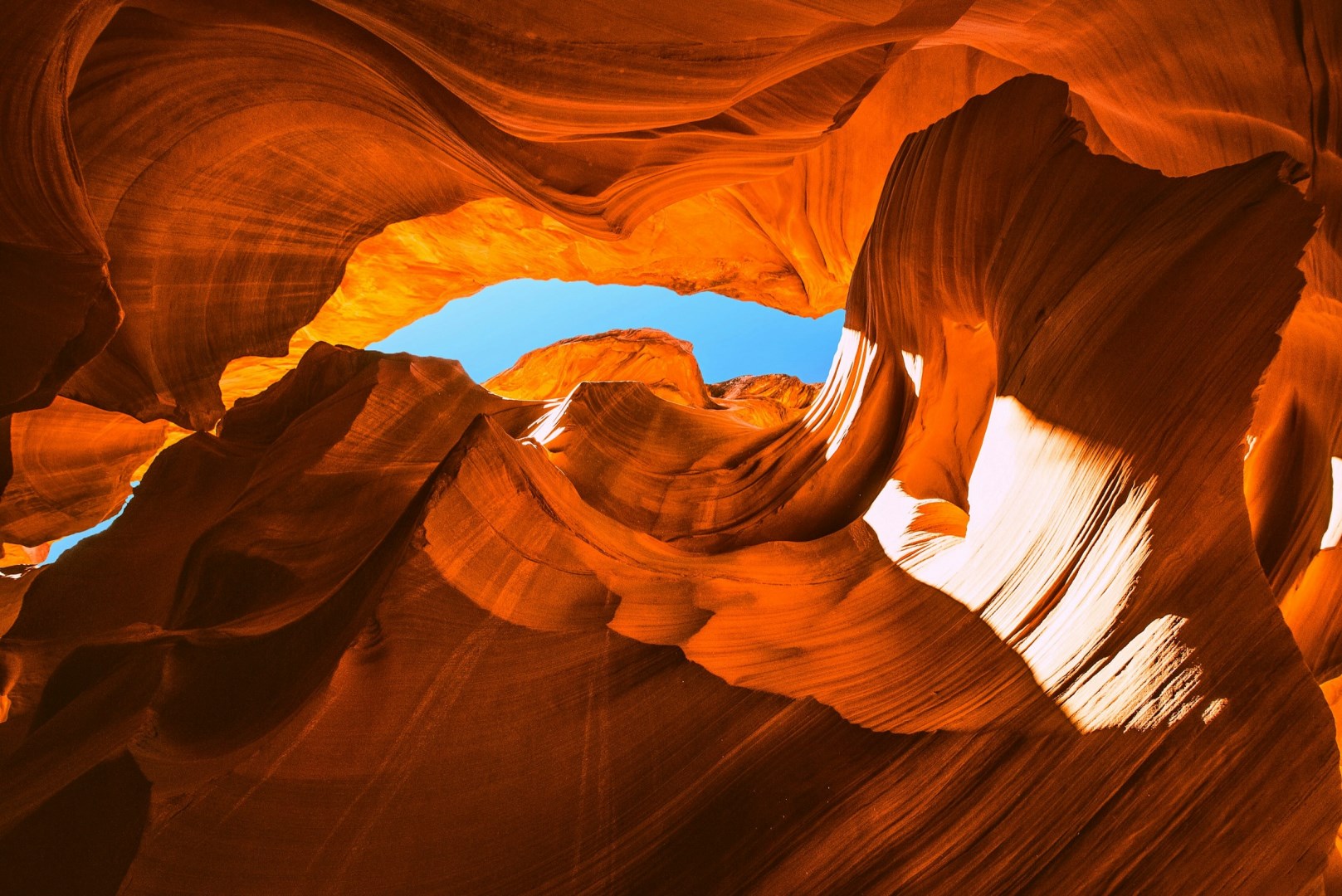
Antelope Canyon
Antelope Canyon is a narrow sandstone slot canyon on the Navajo Nation in northern Arizona, near Page and Lake Powell. It is divided into two main sections, Upper Antelope Canyon and Lower Antelope Canyon, both shaped by water erosion through Navajo Sandstone. The canyon is known for flowing walls, narrow passages, and shifting patterns of light and shadow.
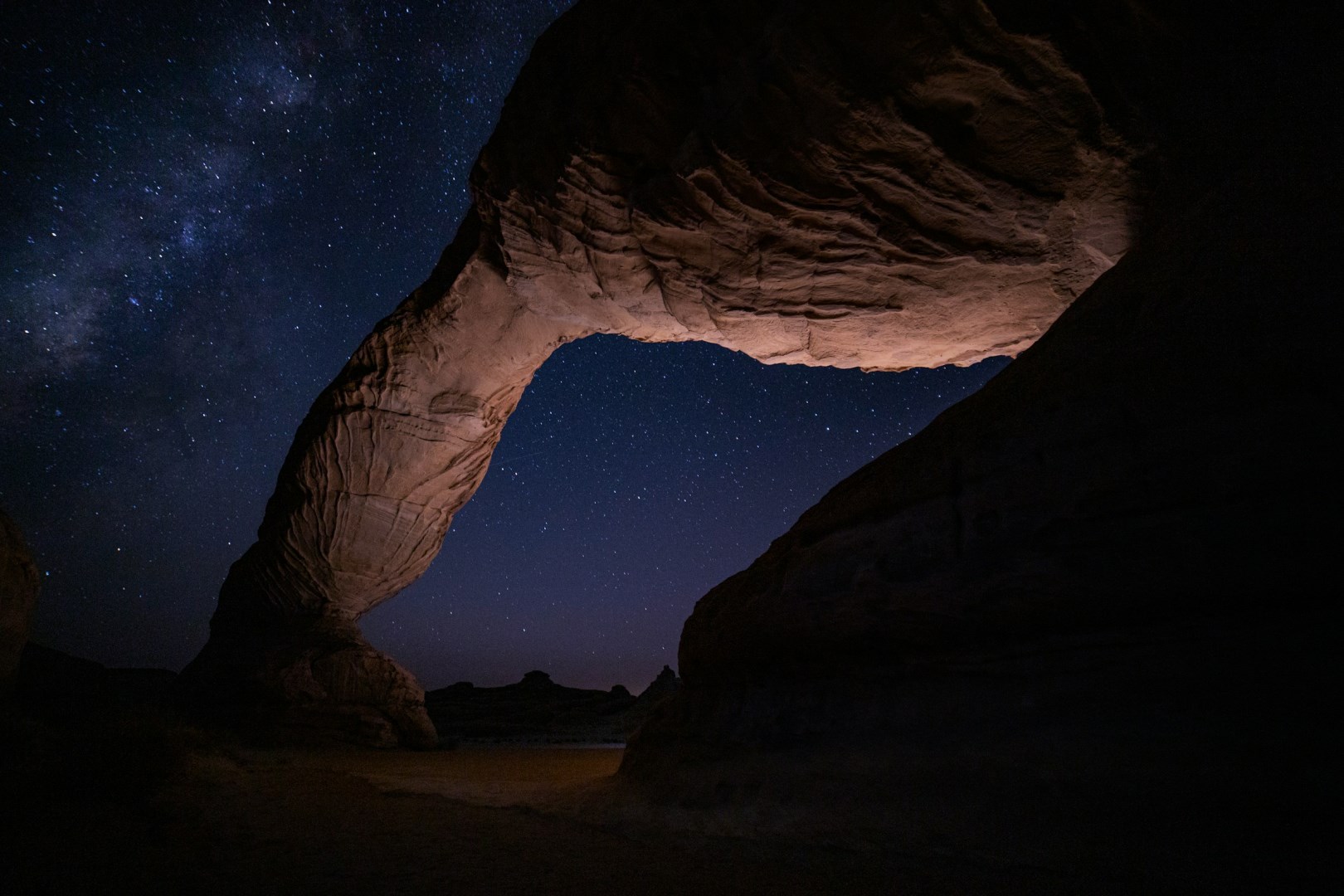
AlUla
AlUla is an oasis region in northwestern Saudi Arabia, surrounded by sandstone mountains, desert valleys, and cultivated palm groves. Its landscape has been shaped by the presence of water, with the AlUla oasis supporting date palms, citrus trees, and other crops within an otherwise arid setting. The area is particularly known for its combination of archaeological sites and unusual rock formations.

Tangier
Located on the north coast of Morocco near the Strait of Gibraltar, Tangier is a cultural capital replete with historic sites, colorful architecture, and splendid beaches. An essential stop is the Ancien Medina, a walled collection of winding streets and alleys filled with cafes and shops leading to the Kasbah, a former palace and mosque that also houses a museum.
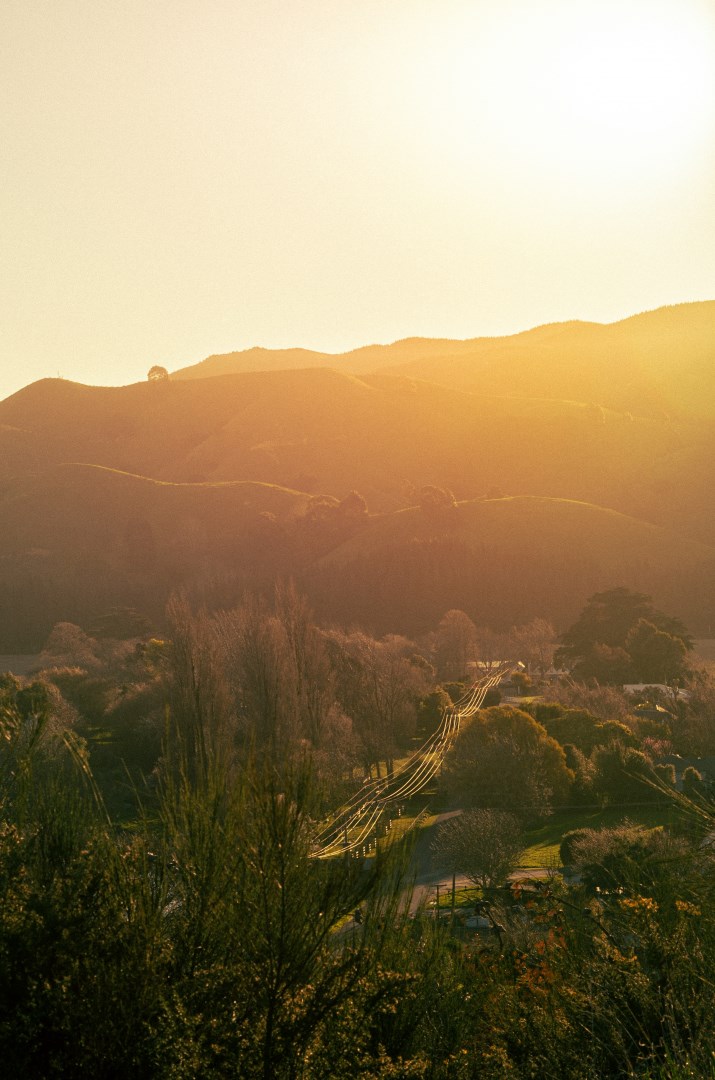
Blenheim
Blenheim, known as Te Waiharakeke in te reo Māori, is the main town of Marlborough on New Zealand’s South Island, set among the Wairau Valley’s vineyards, rivers, and mountain ranges. The town sits between the Taylor and Ōpaoa Rivers and serves as the regional centre for a landscape strongly associated with wine production.
