
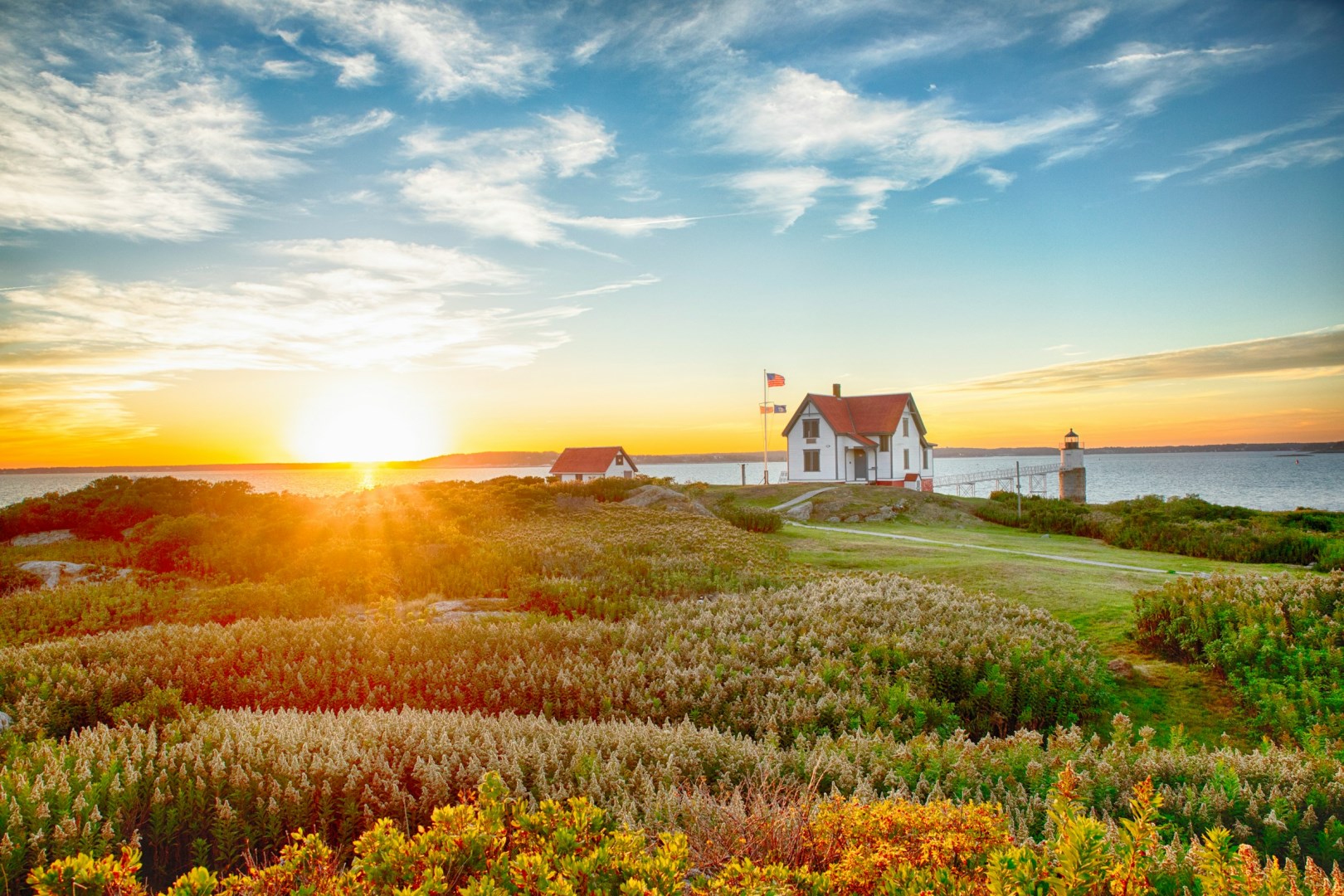
Boothbay Harbor
Boothbay Harbor is a small fishing village located close to the ocean. To experience the classic flavor of Maine, the outlying areas are a must-see.
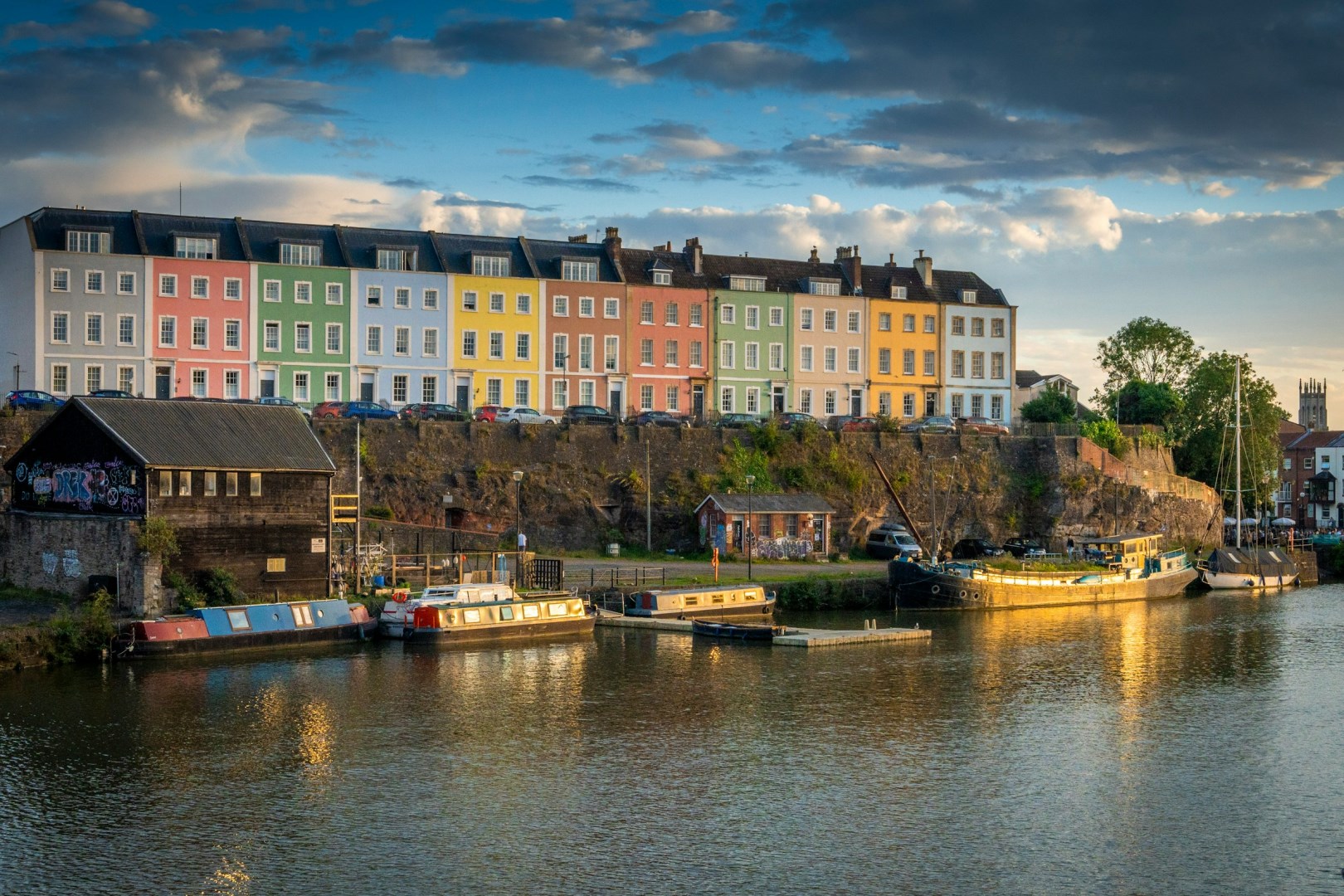
Bristol
Bristol is a city in southwest England built around the River Avon, with a maritime history that has shaped its neighborhoods, architecture, and economy. The historic harbor occupies the center of the city, where former warehouses, quays, and docks have been adapted for museums, galleries, restaurants, and public spaces. Clifton Suspension Bridge spans the Avon Gorge and is one of Bristol’s most recognizable landmarks.
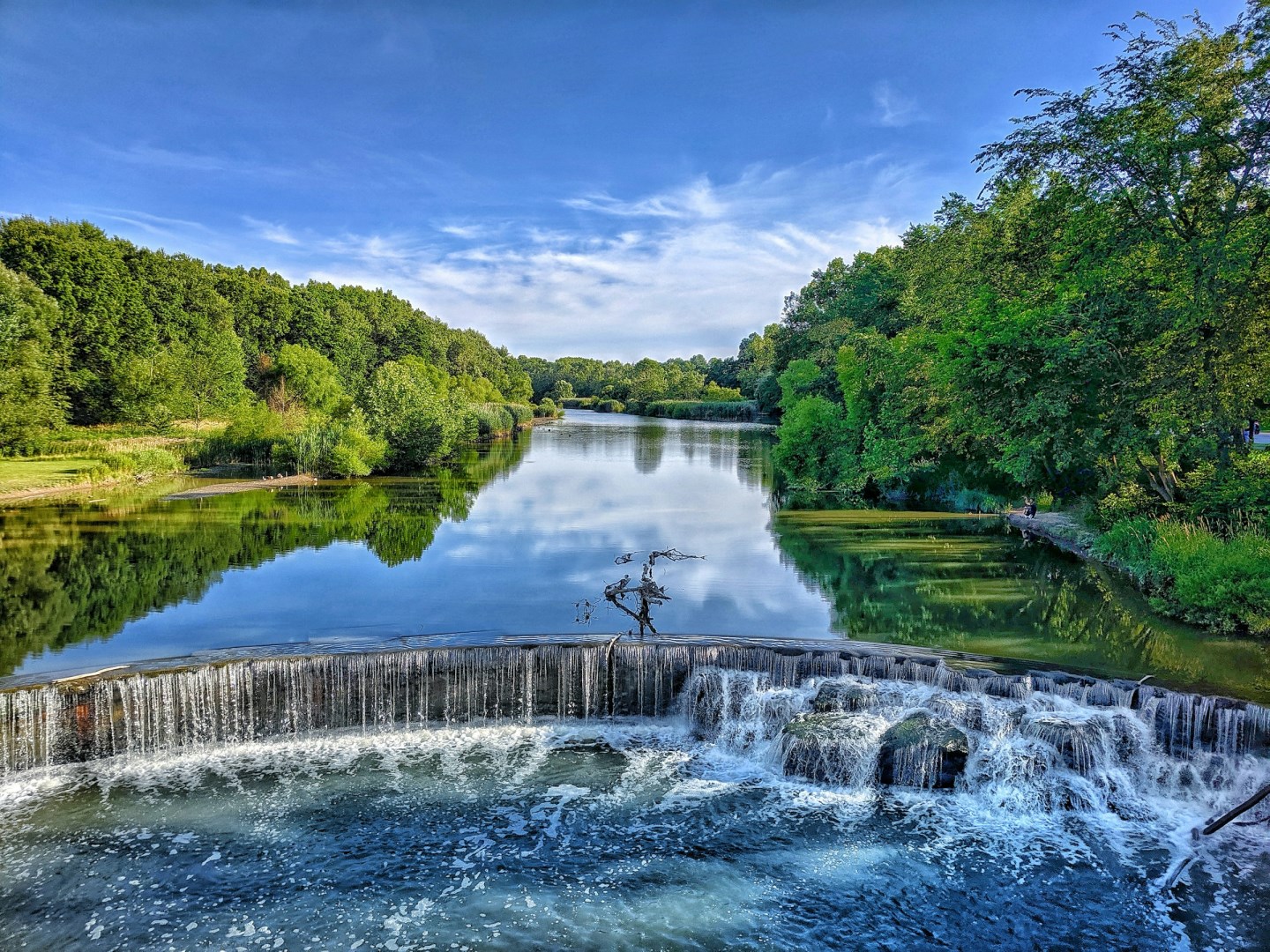
Ohio
Ohio offers a blend of surprises that range from ancient earthworks to world-class roller coasters. In the southern part of the state, the newly designated Hopewell Ceremonial Earthworks tells the story of a sophisticated Native American culture that built massive geometric mounds over 2,000 years ago. Visitors can walk among these quiet, grassy structures and learn how they were used for ceremonies, astronomy, and social gatherings long before European contact.
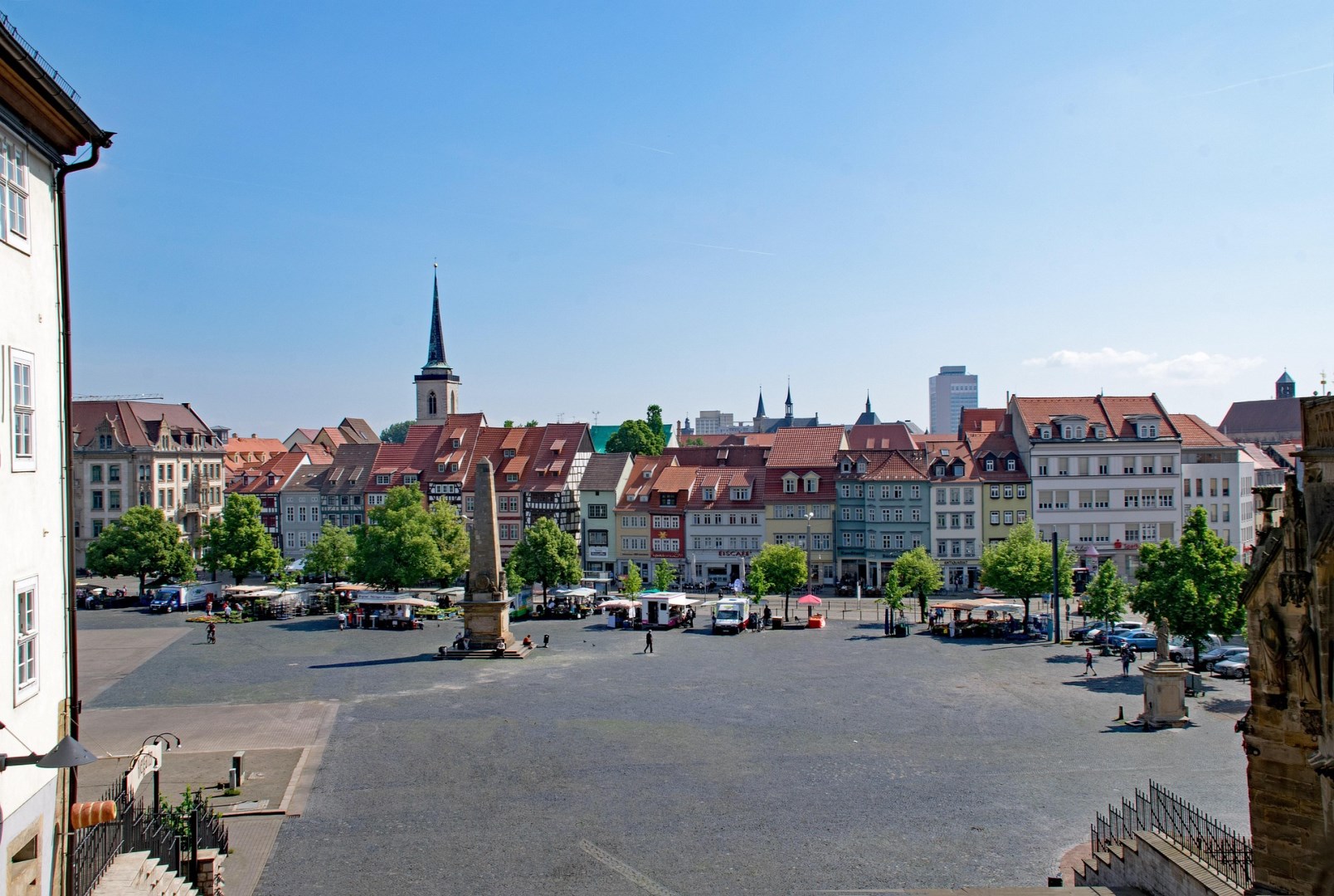
Erfurt
The skyline of Erfurt is shaped by dozens of churches, monasteries, and convents thrusting their pointed steeples upward to the sky. In the Middle Ages, Erfurt was known as "Thuringian Rome" because of its religious orders. The impressive twin churches on the Domberg (Cathedral Hill), the Roman Catholic St. Mary's Cathedral (14th century) and the Roman Catholic Parish church St. Severus with a flight of 70 outdoor steps leading from the Cathedral Square up the hill to the churches.
Luganville
Luganville is Vanuatu’s second-largest town and the main urban center of Espiritu Santo, the country’s largest island. It stretches along the south coast of the Segond Channel, with roads, shops, markets, small businesses, and waterfront communities forming the center of daily life. The town developed around its harbor and remains closely connected with fishing, agriculture, and tourism.
