
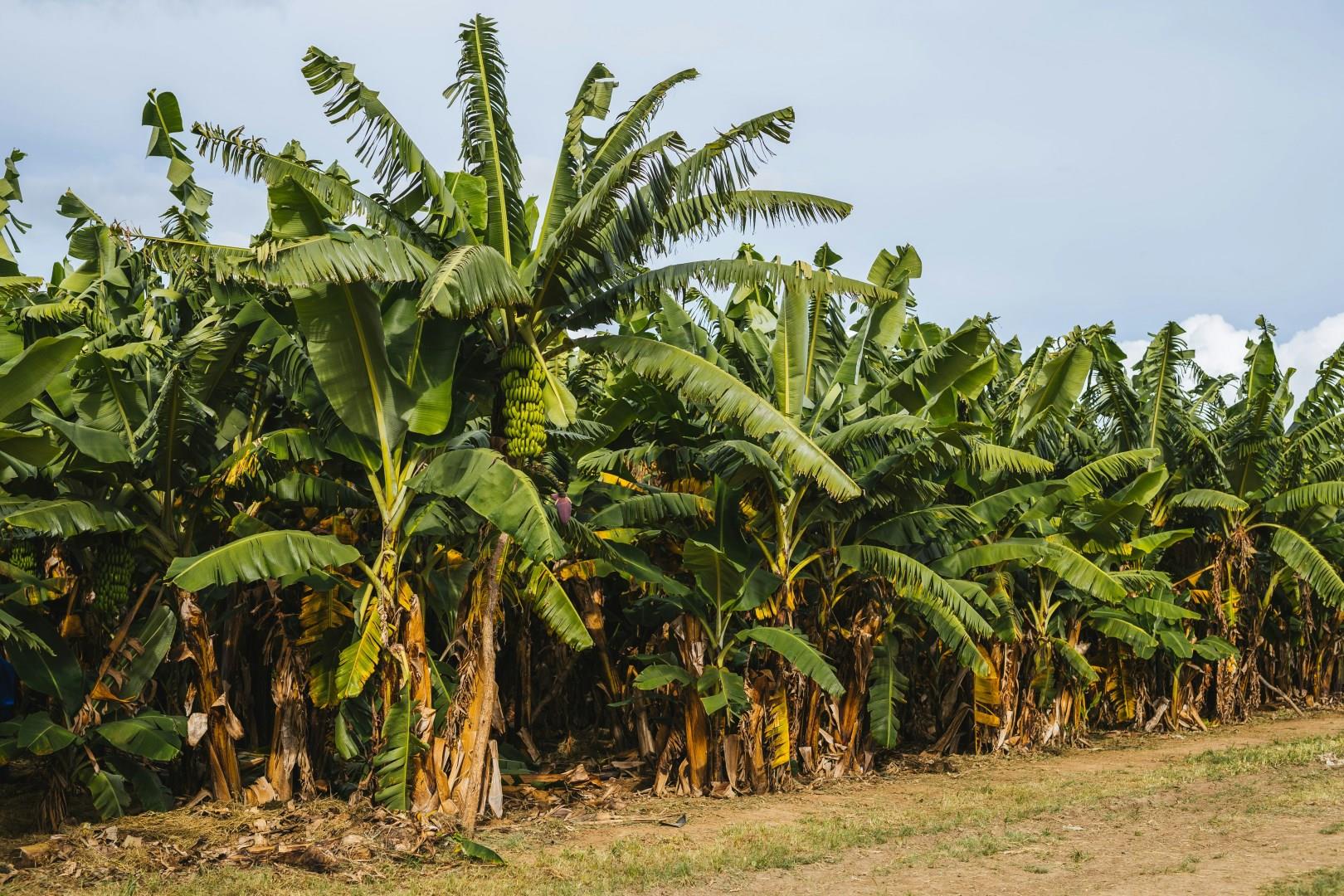
Lusaka
Lusaka, the capital of Zambia, is a city that blends modern energy with authentic African culture. As the country’s largest urban center, it serves as the gateway for travelers exploring Zambia’s natural wonders while also offering its own dynamic experiences.
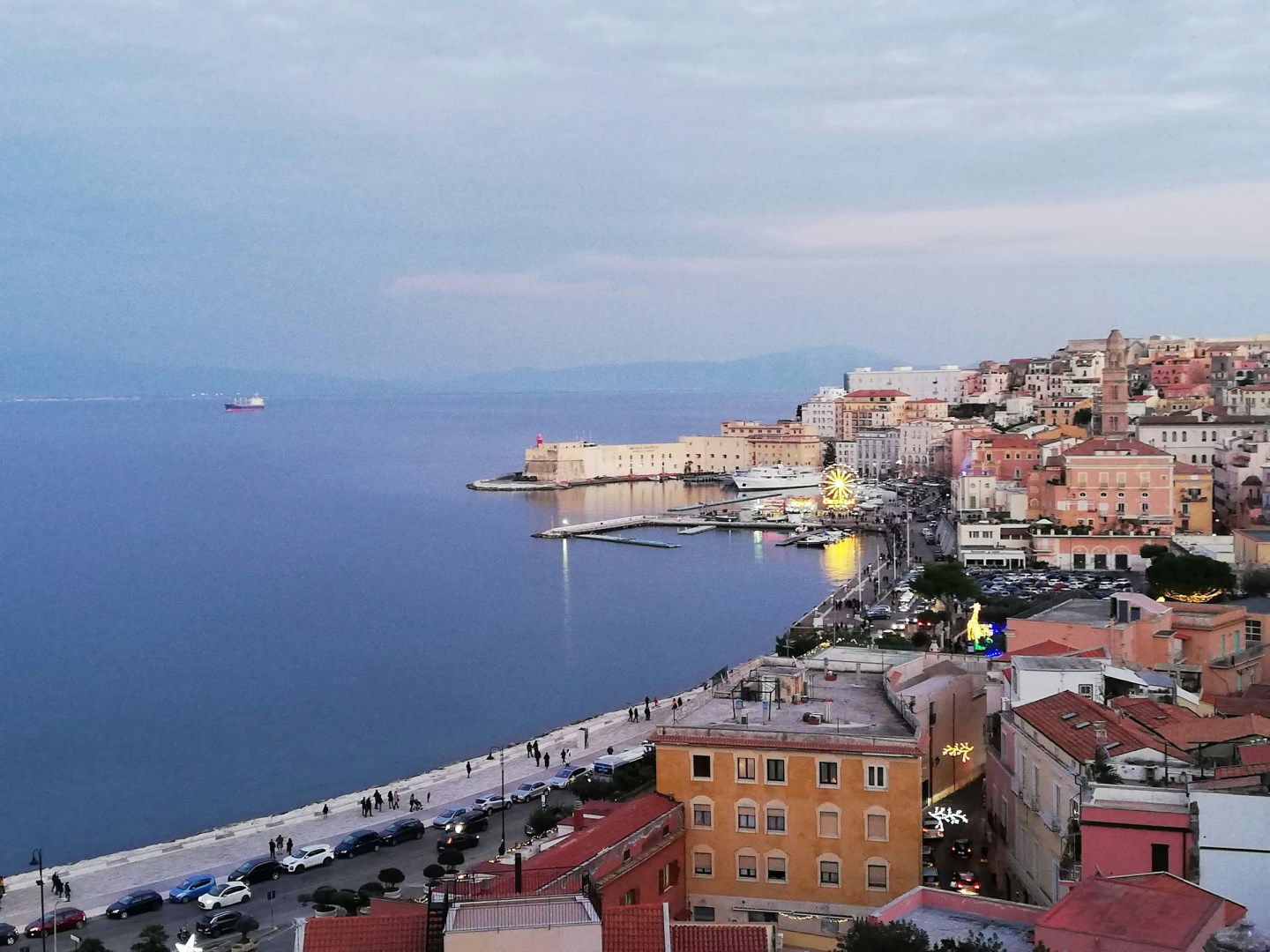
Gaeta
A fishing port and seaside resort in a picturesque location. The old town is dominated by a castle (7th century). The cathedral (1279) is notable for its admirable sculptures and paintings as well as its Arab-Norman bell tower. The mausoleum of Lucius Munatius Plancus, an impressive Roman monument, is cylindrical in shape and 13 meters high. The sanctuary of Montagna Spaccata is at Punta della Trinità, where you can see a chasm which is traditionally said to have opened up on the death of Jesus.
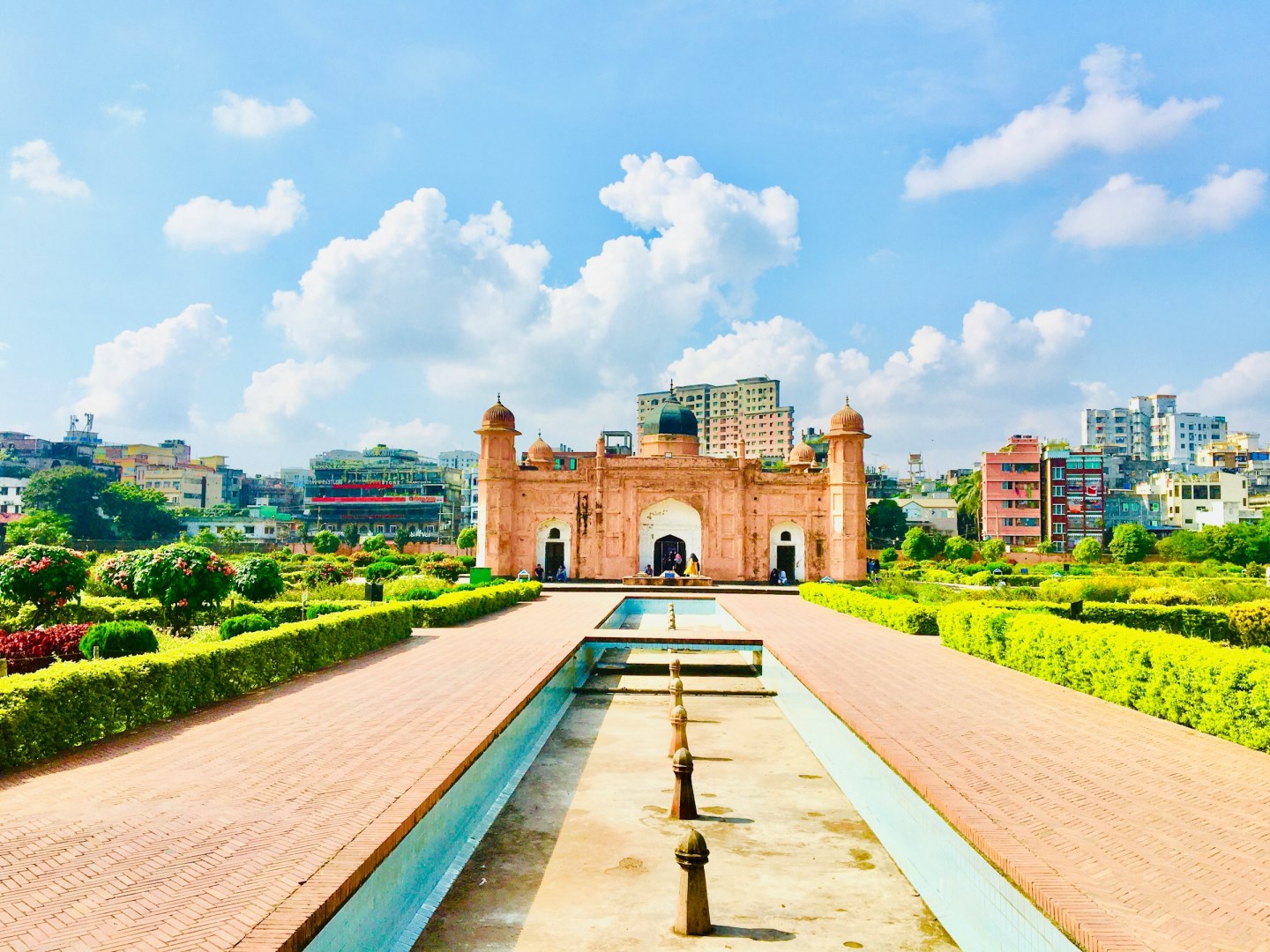
Dhaka
Dhaka, the capital of Bangladesh, is a city of striking contrasts where centuries-old traditions meet rapid modern growth. Known as the “City of Rickshaws,” it is famous for its vibrant street life, colorful cycle rickshaws, and markets that seem to run around the clock.
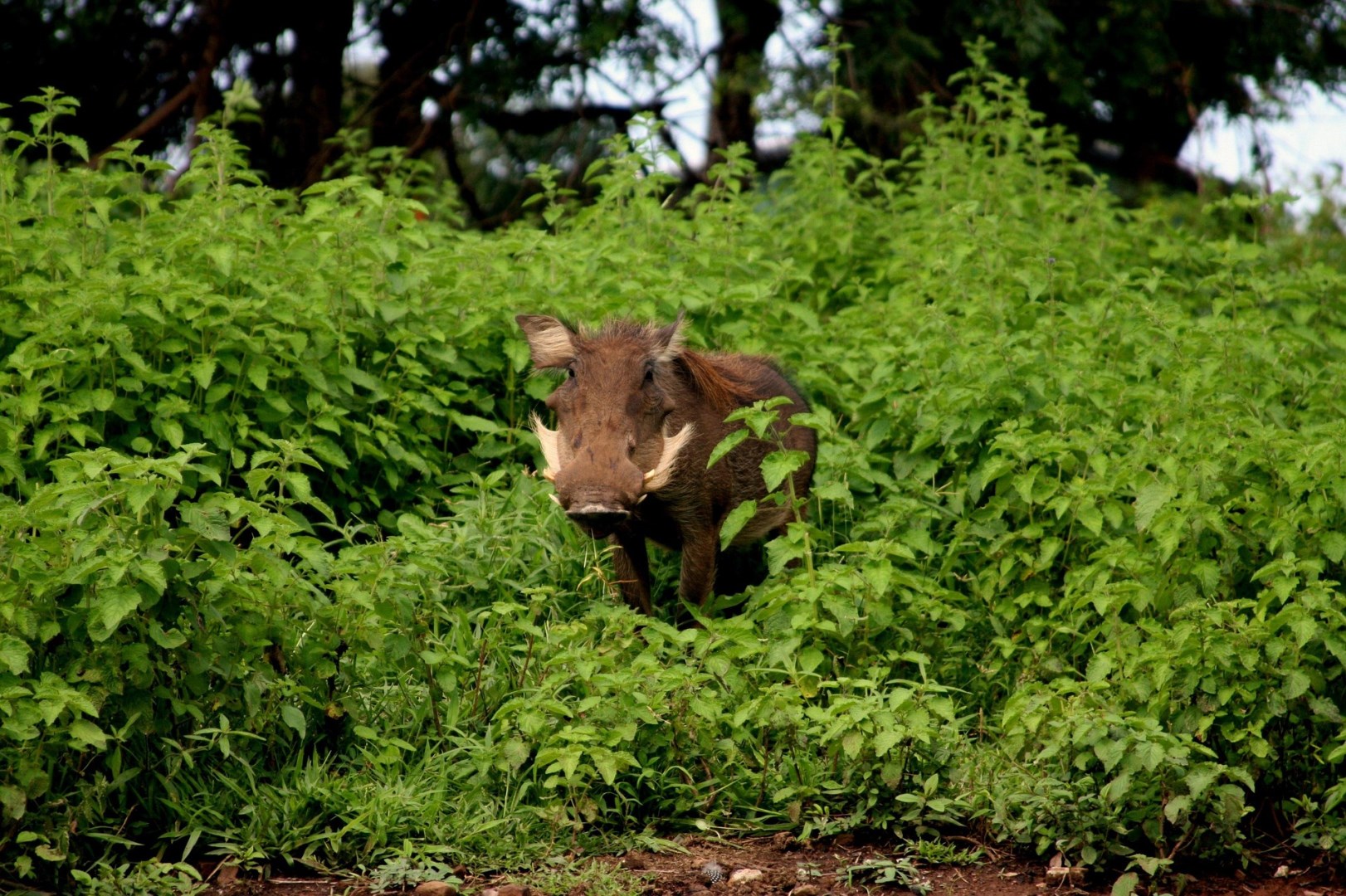
Mole National Park
Mole National Park is Ghana’s largest protected terrestrial area, covering a broad landscape of savanna woodland and grassland in the country’s northern region. The park lies near Larabanga and stretches across gently rolling terrain marked by seasonal streams, rocky outcrops, and wooded valleys. Its open habitats provide a clear contrast with the tropical forests of southern Ghana.
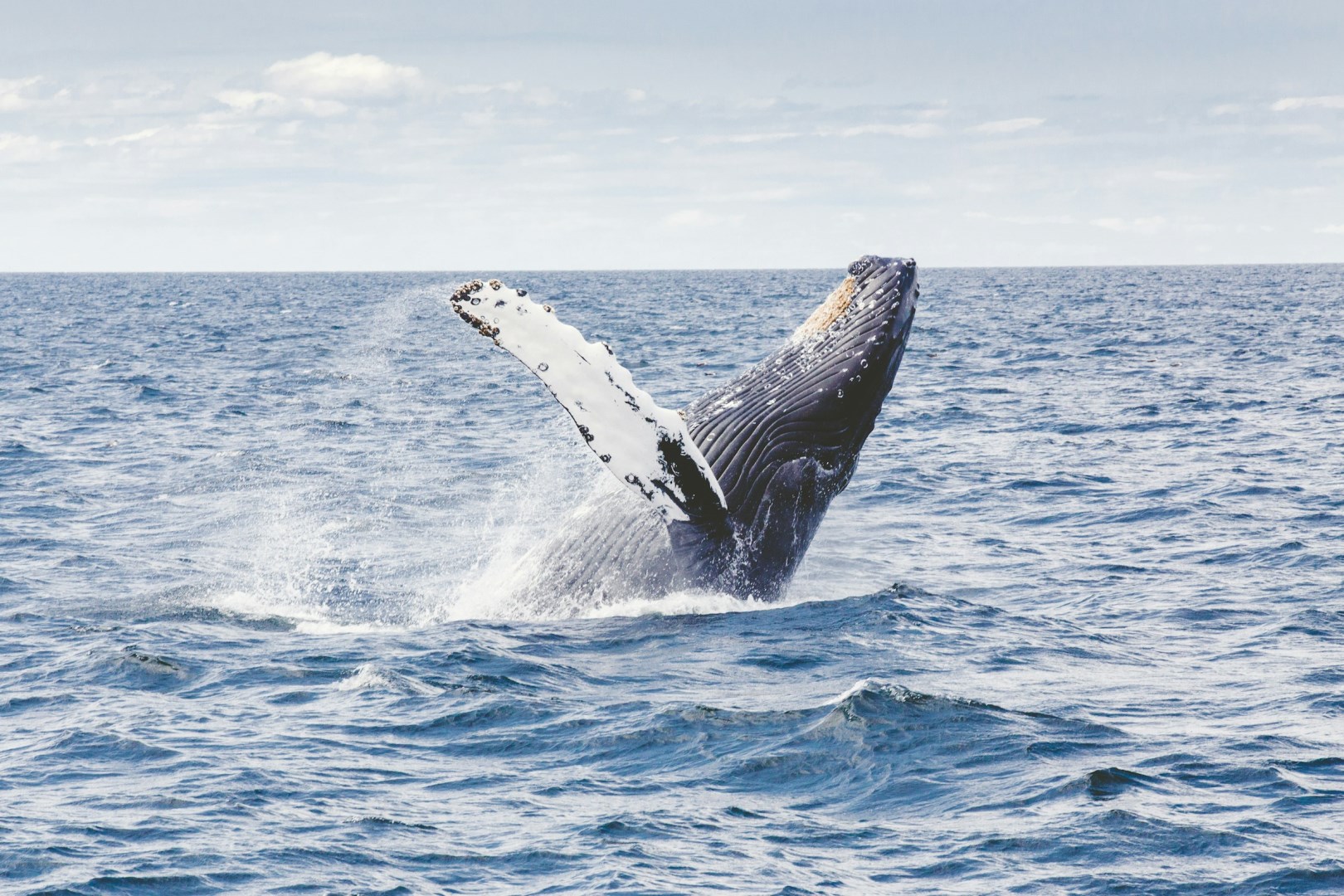
Provincetown
Provincetown is a small coastal town at the northern tip of Cape Cod, Massachusetts, surrounded by the waters of Cape Cod Bay and the Atlantic Ocean. Its narrow peninsula is shaped by shifting dunes, sandy beaches, tidal flats, and protected coastal habitats. Commercial Street forms the center of town, lined with galleries, restaurants, shops, guesthouses, and historic buildings.
