
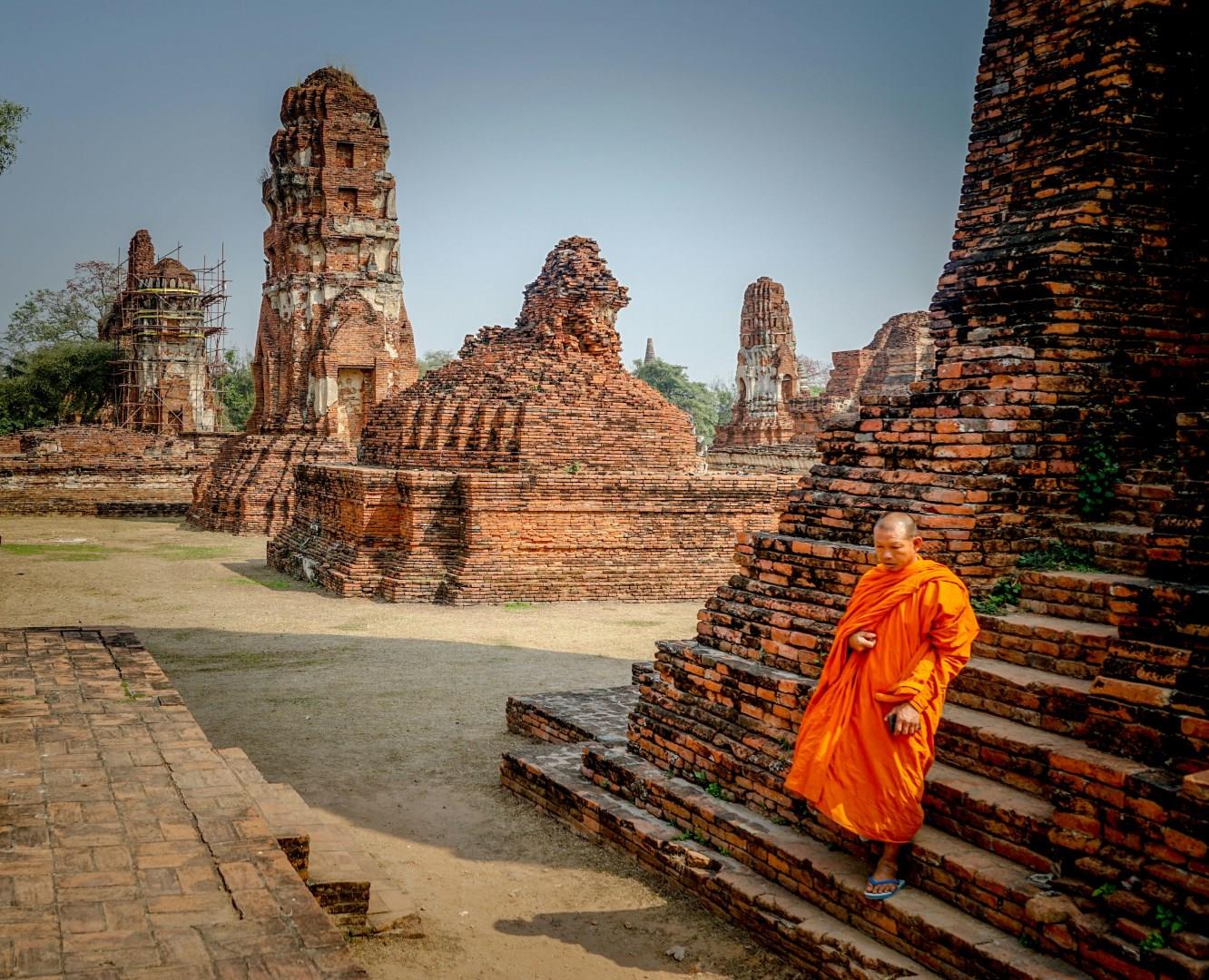
Ayutthaya
Ayutthaya, located about 80 kilometers north of Bangkok, Thailand, was the capital of the Ayutthaya Kingdom from the 14th to the 18th century. Its ruins, set among rivers and canals, reveal a once-thriving city that was a hub of trade, politics, and culture, linking Southeast Asia with China, India, and Europe.
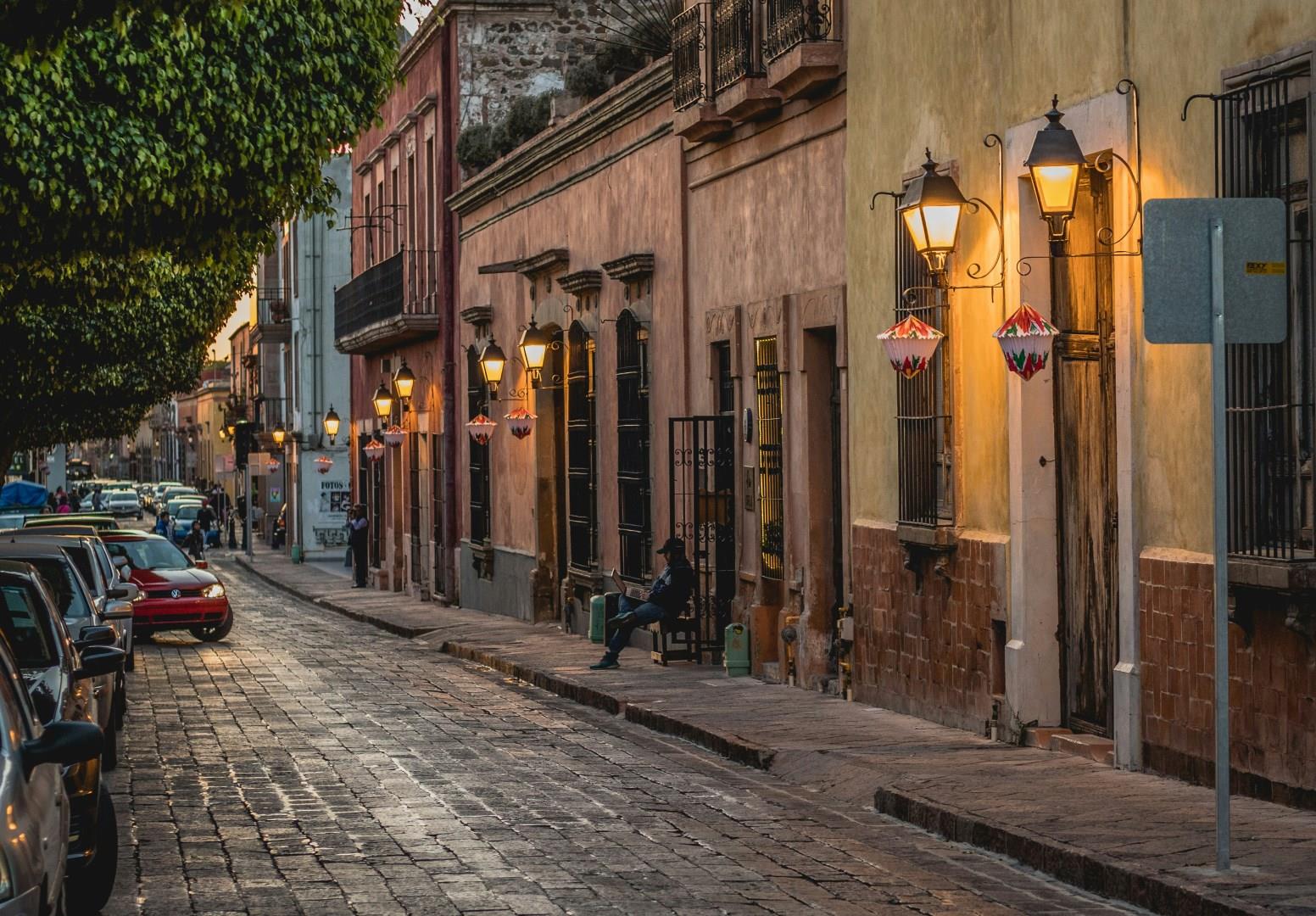
Querétaro
Querétaro, located in the heart of central Mexico, is a city where centuries of history are still visible in daily life. Its historic center, a UNESCO World Heritage Site, features narrow streets, elegant plazas, and baroque churches that reflect its colonial past. One of the city’s most iconic landmarks is the massive aqueduct, built in the 18th century with 74 stone arches stretching nearly a mile across the landscape.
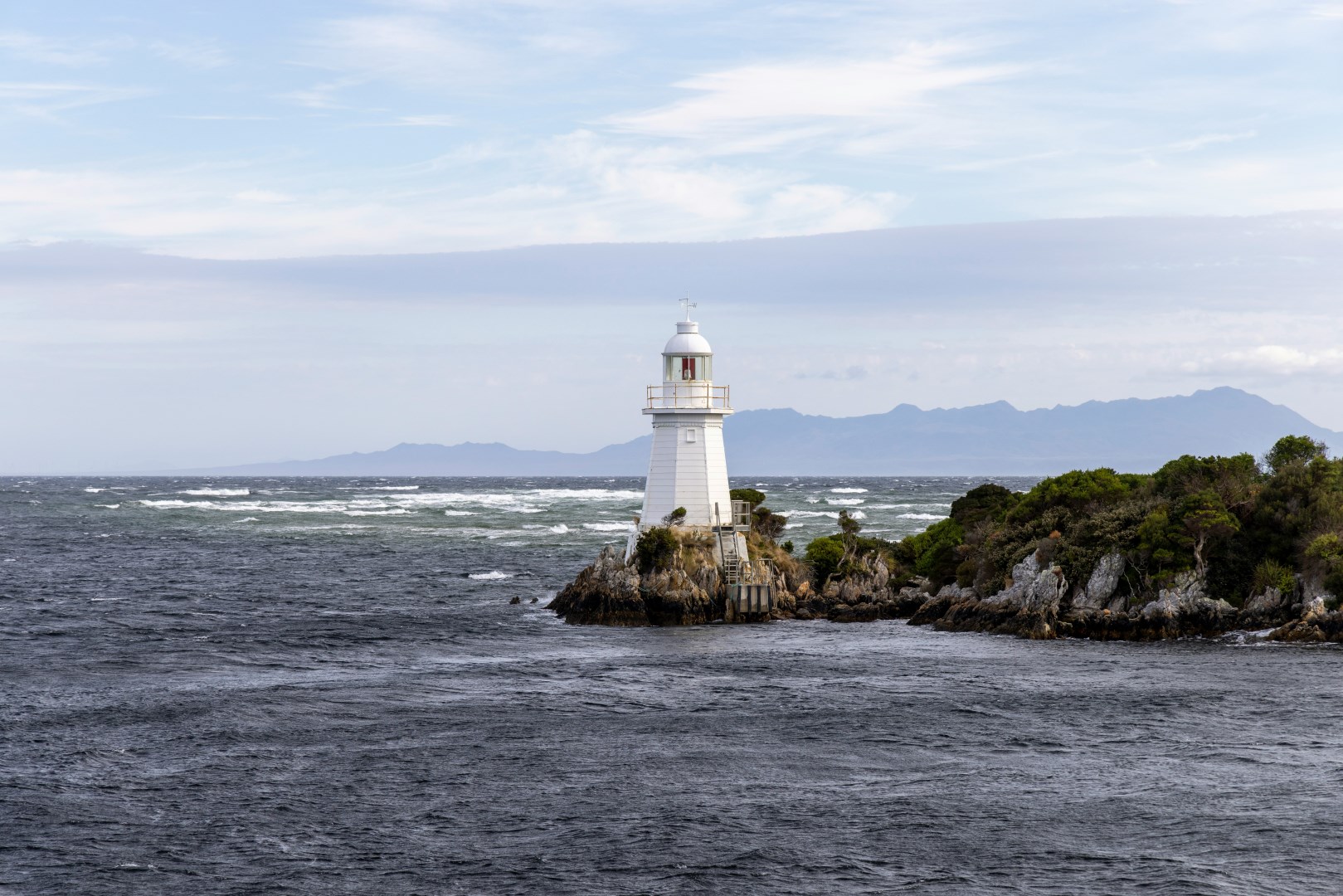
Strahan
Set on the edge of a vast harbor on Tasmania’s wild west coast, Strahan feels like a place shaped by both sea and story. Once a busy port serving nearby mining settlements, it still carries echoes of ships, timber yards, and hardworking crews who relied on the sheltered waters of Macquarie Harbour. Today, that same harbor is the starting point for journeys into remote landscapes, with boats gliding toward places that were once feared as much as they were relied upon.

Heidelberg
Heidelberg, located along the scenic banks of the Neckar River in southwestern Germany, is a city steeped in history, culture, and charm. Known for its prestigious university, which is one of the oldest in Europe, the city draws visitors with its picturesque old town, medieval architecture, and vibrant academic atmosphere.
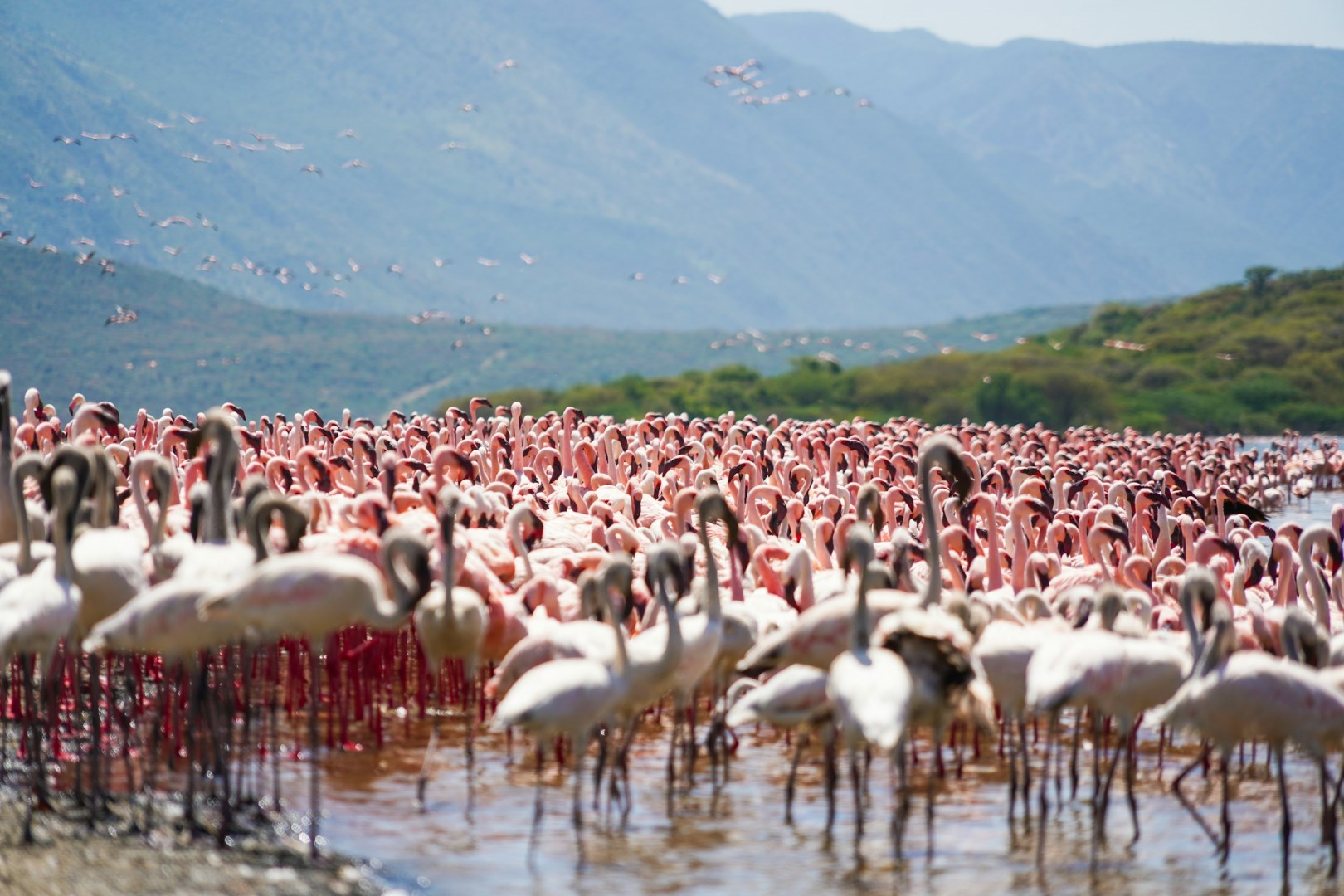
Lake Bogoria
Lake Bogoria is a saline lake in Kenya’s Great Rift Valley, lying south of Lake Baringo and surrounded by volcanic hills and escarpments. The lake occupies a long, narrow basin with no permanent surface outlet, allowing minerals to accumulate in its waters. Its shoreline contains hot springs, geysers, mud pools, and other geothermal features created by the region’s volcanic activity. The combination of a shallow alkaline lake and an active geothermal landscape makes Lake Bogoria one of the most
