

Oslo
Oslo, Norway’s capital, stands at the crossroads of Nordic history and forward-thinking design. Originally founded over a thousand years ago by Viking King Harald Hardrada, the city has evolved from a medieval trading hub into one of Europe’s most modern capitals. Visitors can explore its layered past at the Akershus Fortress, a 13th-century stronghold still standing guard over Oslofjord, or walk through the preserved wooden homes of Damstredet.
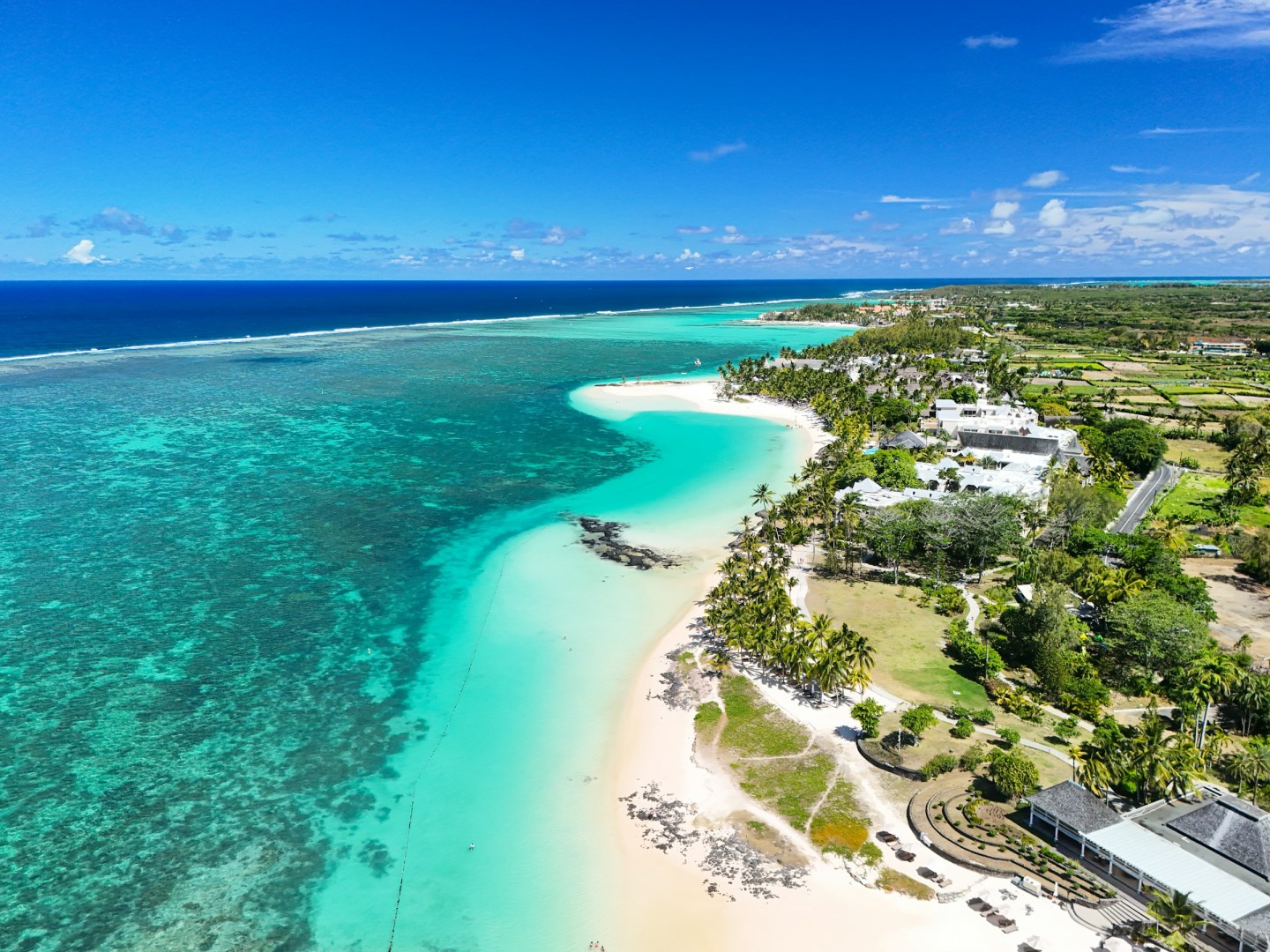
Quatre Cocos
Quatre Cocos is a village on the eastern side of Mauritius, within the Flacq District and close to the Indian Ocean coast.
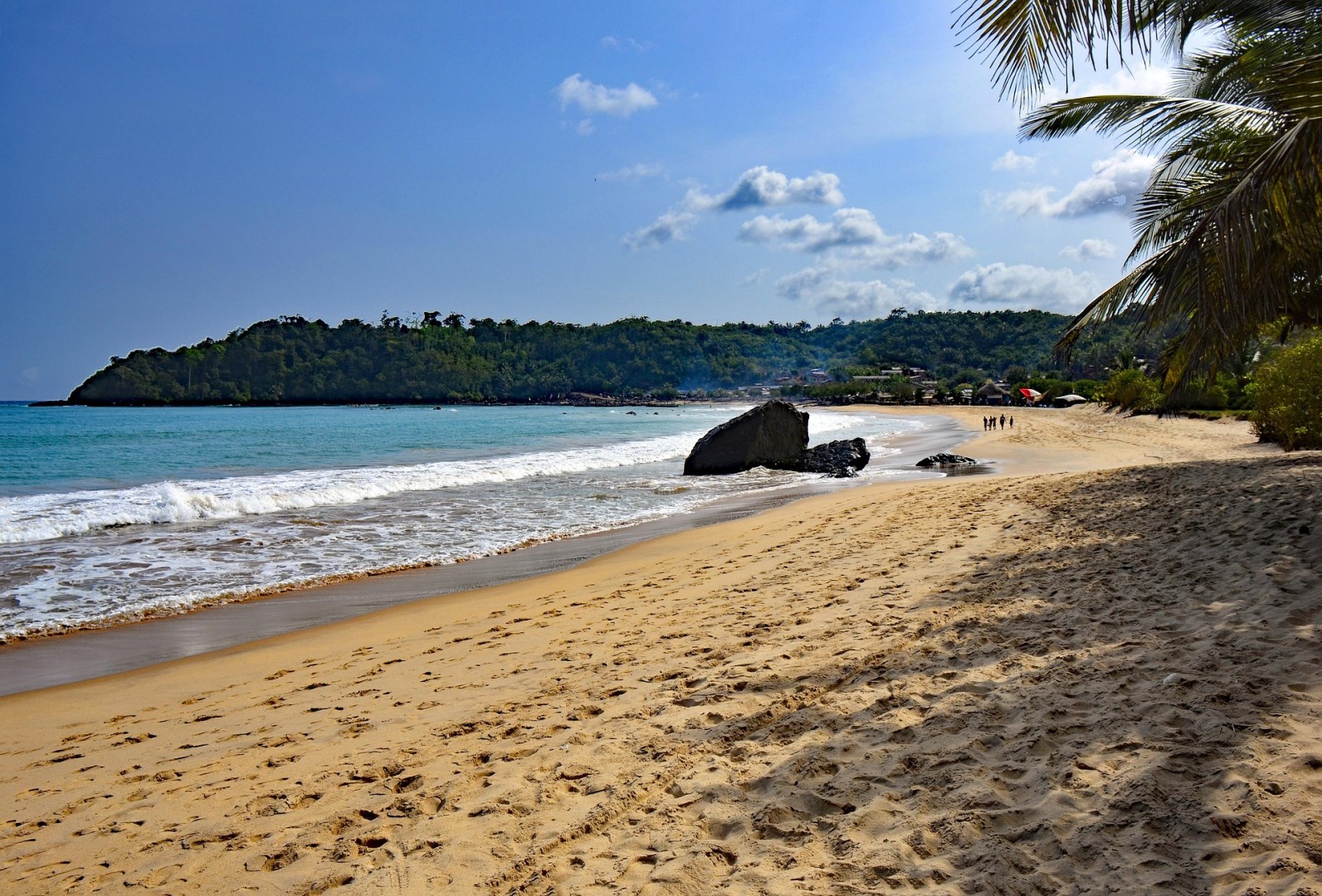
Butre
Butre is a small coastal village in Ghana’s Western Region, set around the Butre River near the Atlantic Ocean. Its landscape combines a fishing settlement, forested hills, wetlands, and a broad sandy shoreline. The village is known especially for Fort Batenstein, which stands on a hill overlooking the coast and the surrounding countryside. Fishing remains an important part of local life, while the nearby river creates a sheltered setting for small boats and canoes.
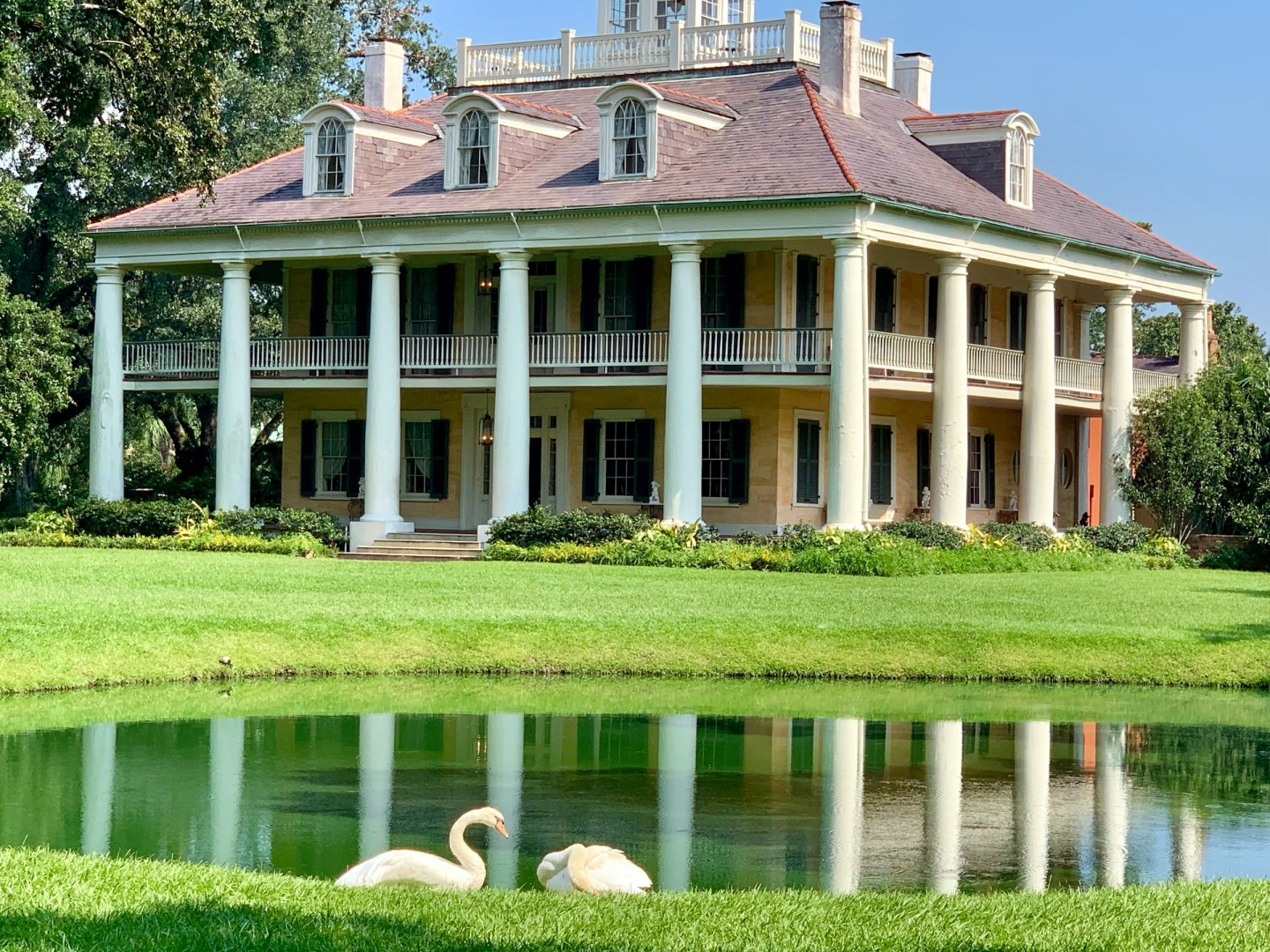
Darrow
Darrow is a small community in Ascension Parish along the east bank of the Mississippi River, positioned between Baton Rouge and New Orleans on Louisiana’s historic Great River Road. Its identity is closely connected to the river, sugar-cane agriculture, and the plantation landscapes that line this stretch of the Mississippi. Rather than functioning as a large urban destination, Darrow offers access to historic estates, gardens, museums, and rural river scenery.
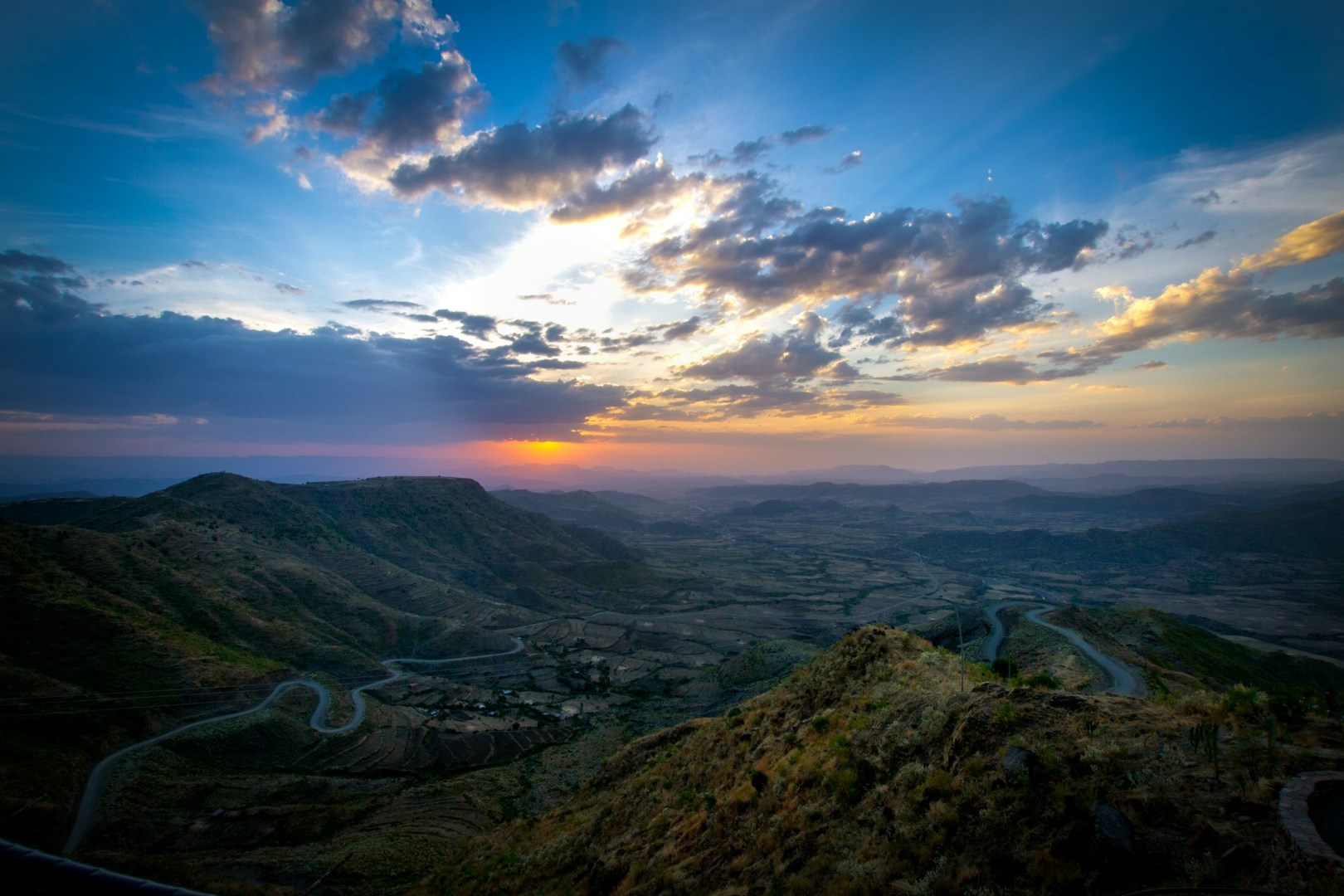
Lalibela
Lalibela is the name of the township which King Lalibela, later canonized, ruled in the 12th century. At his command, eleven monolithic churches were hewn out of living rock. The churches are unique because they are not carved into rock but were freed from it entirely
