
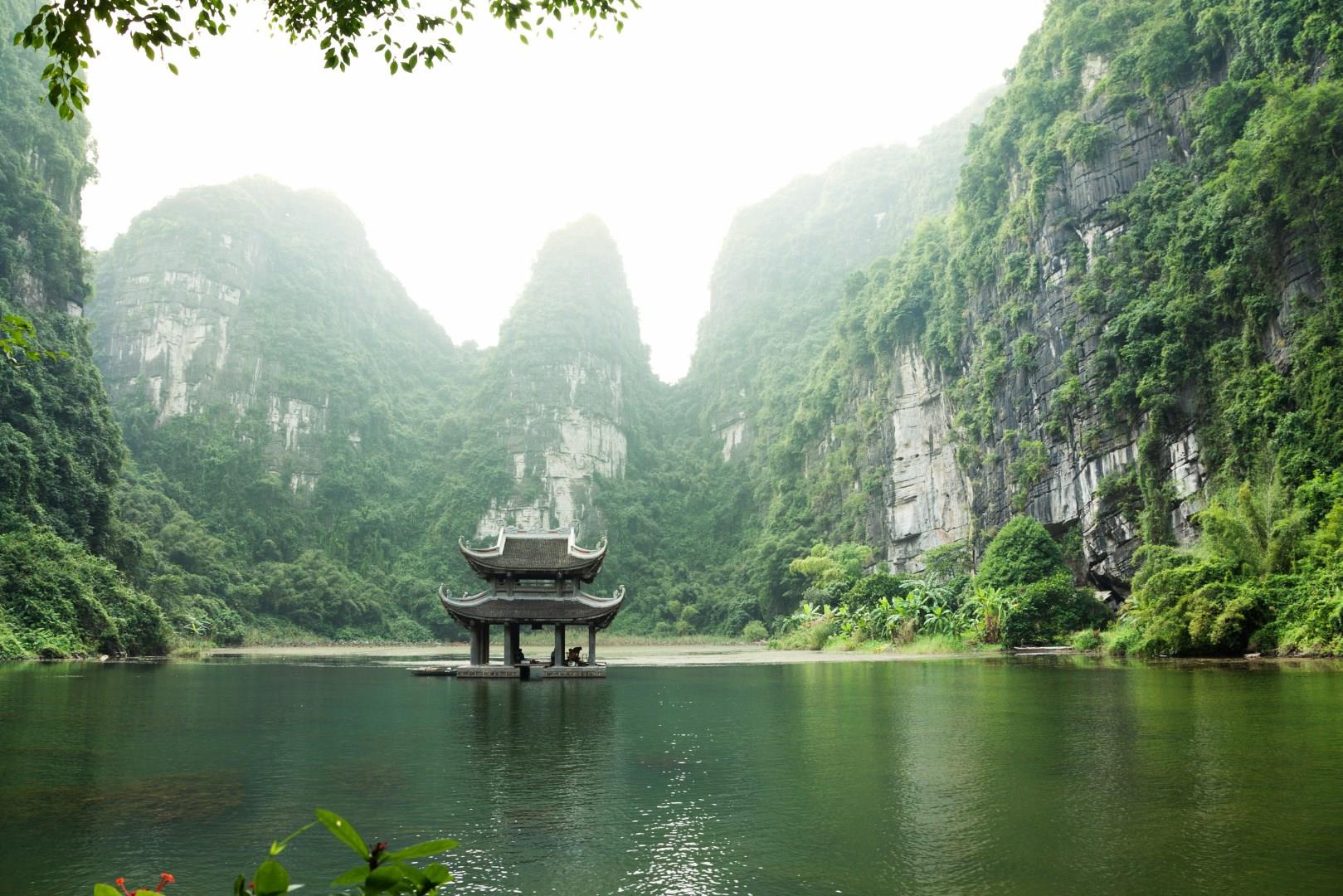
Ninh Binh
Ninh Binh, located about 100 kilometers south of Hanoi, offers a landscape shaped by limestone karsts, winding rivers, and flooded rice paddies. Often referred to as “Ha Long Bay on land,” the area is best explored by rowboat. At Trang An Scenic Landscape Complex, boat routes pass through caves, ancient pagodas, and valleys surrounded by towering cliffs. Local rowers often use their feet to paddle, an unusual technique that surprises many first-time visitors.
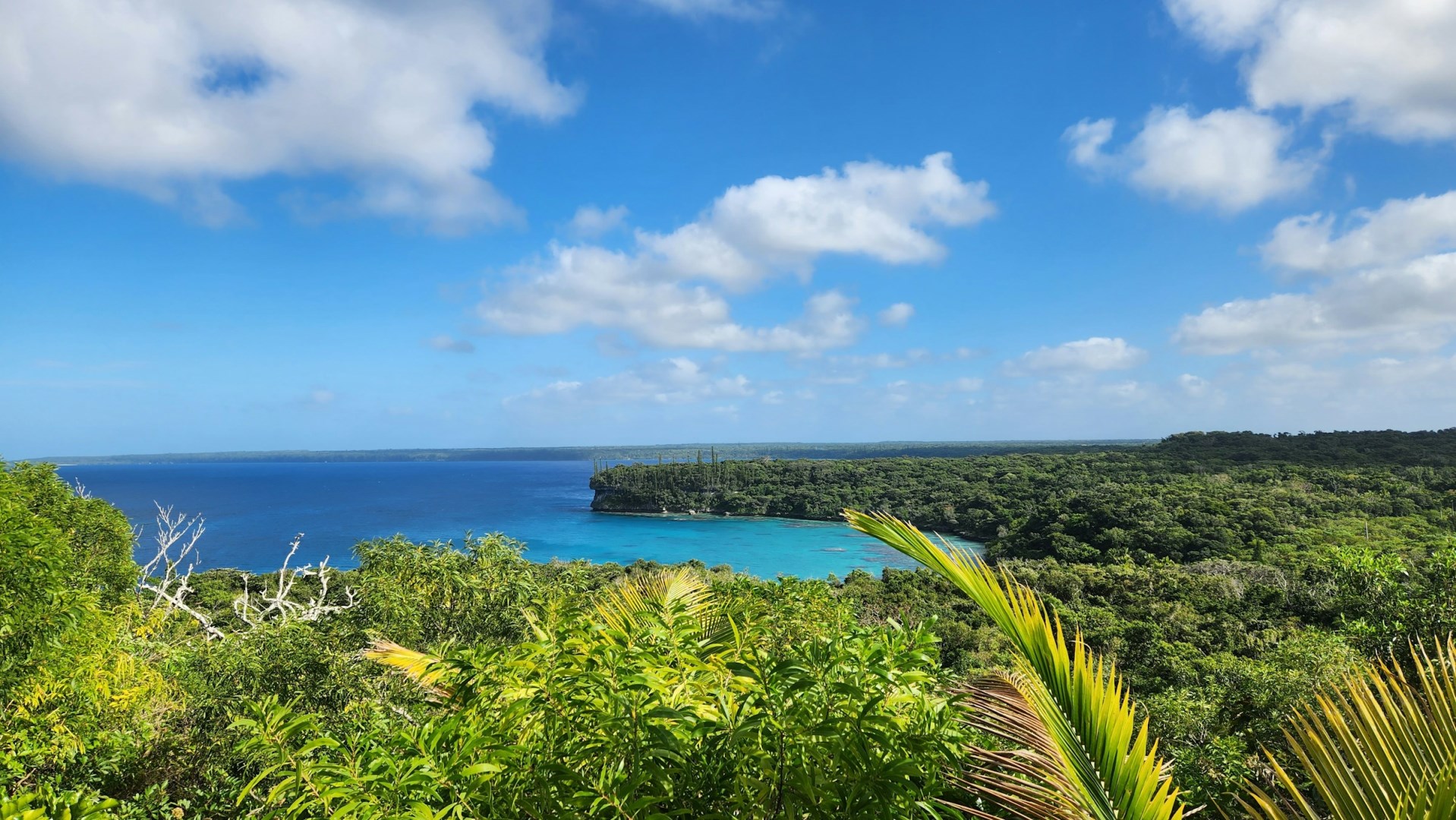
Lifou
Lifou is the largest of the Loyalty Islands of New Caledonia and is known for its raised coral landscape, clear lagoons, and forested interior. Unlike Grande Terre, Lifou has no high mountain range, but its limestone plateau reaches enough elevation to create cliffs, caves, and elevated coastal viewpoints.

Bastimentos Island
Bastimentos Island is one of the largest islands in Panama’s Bocas del Toro archipelago, off the Caribbean coast in the country’s northwest. Much of the island remains covered by tropical forest, wetlands, mangroves, and coastal vegetation, with small communities located around sheltered bays. Bastimentos is closely associated with the Bastimentos Island National Marine Park, which protects both terrestrial and marine ecosystems around the island.
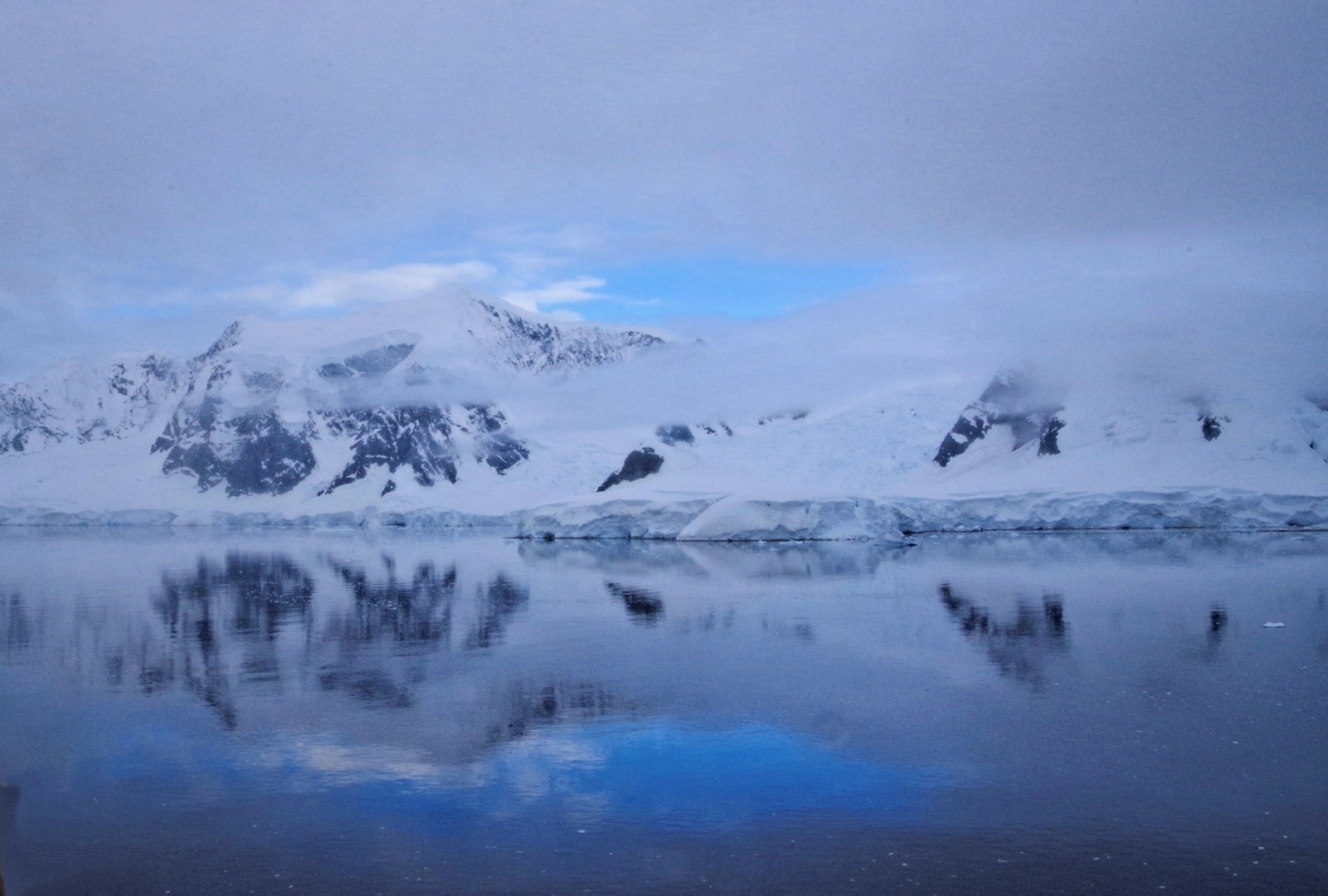
Charlotte Bay
Charlotte Bay is best known for its combination of glacial scenery and marine wildlife. The surrounding mountains descend toward heavily glaciated coastlines, while the bay itself can contain floating sea ice and icebergs of varying sizes. Whales are regularly encountered in the waters of the Antarctic Peninsula, and seals may also be seen around ice and along the shoreline.
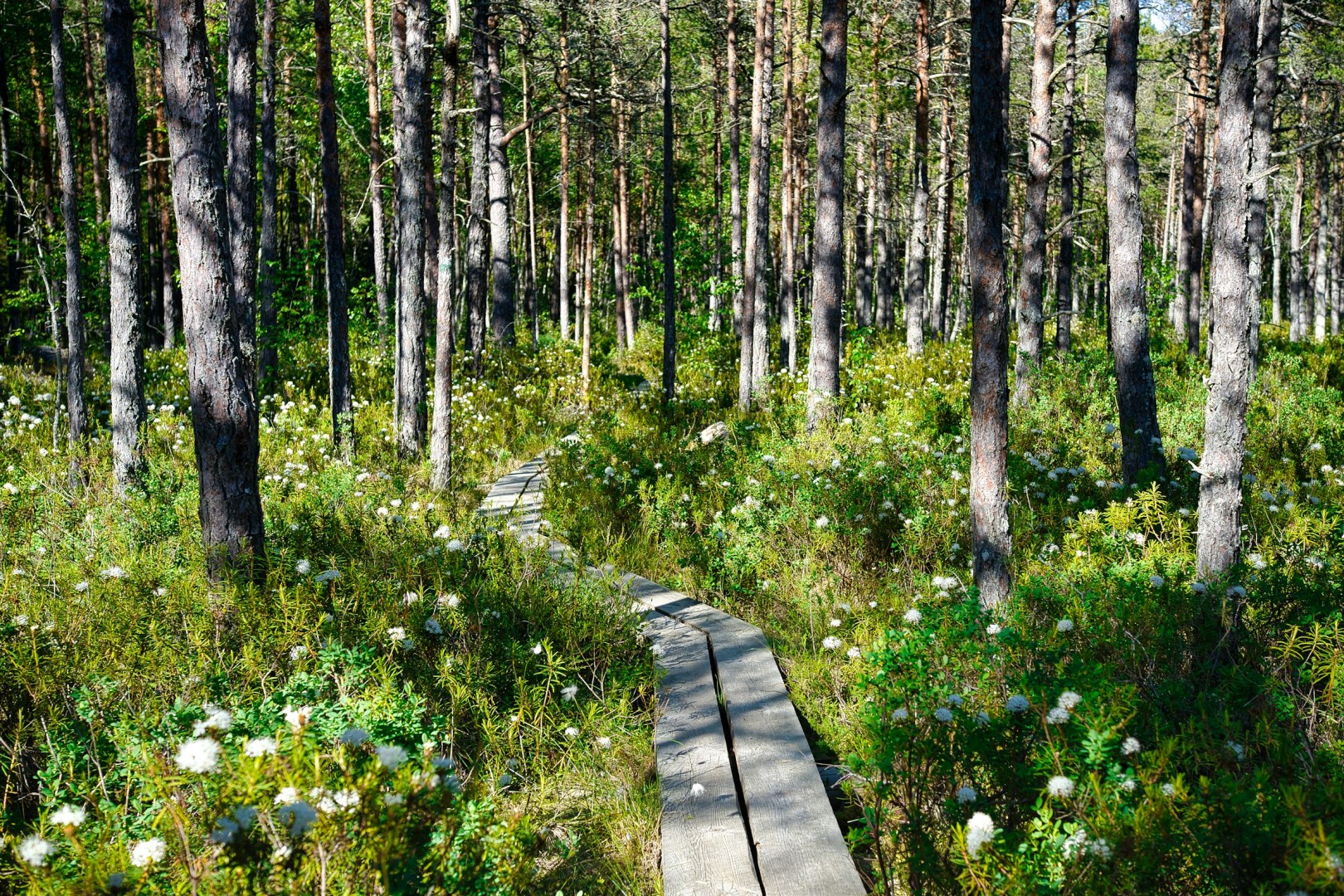
Lahemaa National Park
Lahemaa National Park is a large protected area on Estonia’s northern coast, facing the Gulf of Finland and combining forests, wetlands, rocky shores, sandy beaches, and small islands. It is Estonia’s oldest and largest national park, with landscapes that change noticeably between the coast and the inland forests. The park also protects cultural heritage, including traditional fishing villages, historic manor estates, and old farm landscapes.
