

Alice Springs
Alice Springs, located in the heart of Australia’s Red Centre, is a town deeply connected to the desert landscapes and Aboriginal culture that define the region. Long an important meeting place for the Arrernte people, it remains a center of Indigenous art and traditions, with galleries and cultural institutions showcasing some of the world’s most renowned Aboriginal artworks and stories.

Great Smoky Mountains National Park
Great Smoky Mountains National Park stretches across the border of Tennessee and North Carolina, protecting a broad section of the southern Appalachian Mountains. The park is known for forested ridges, mist-covered peaks, clear streams, and an exceptional variety of plant and animal life. Its landscape changes with elevation, from rich hardwood forests in the valleys to spruce-fir forests near the highest summits.
Kerak
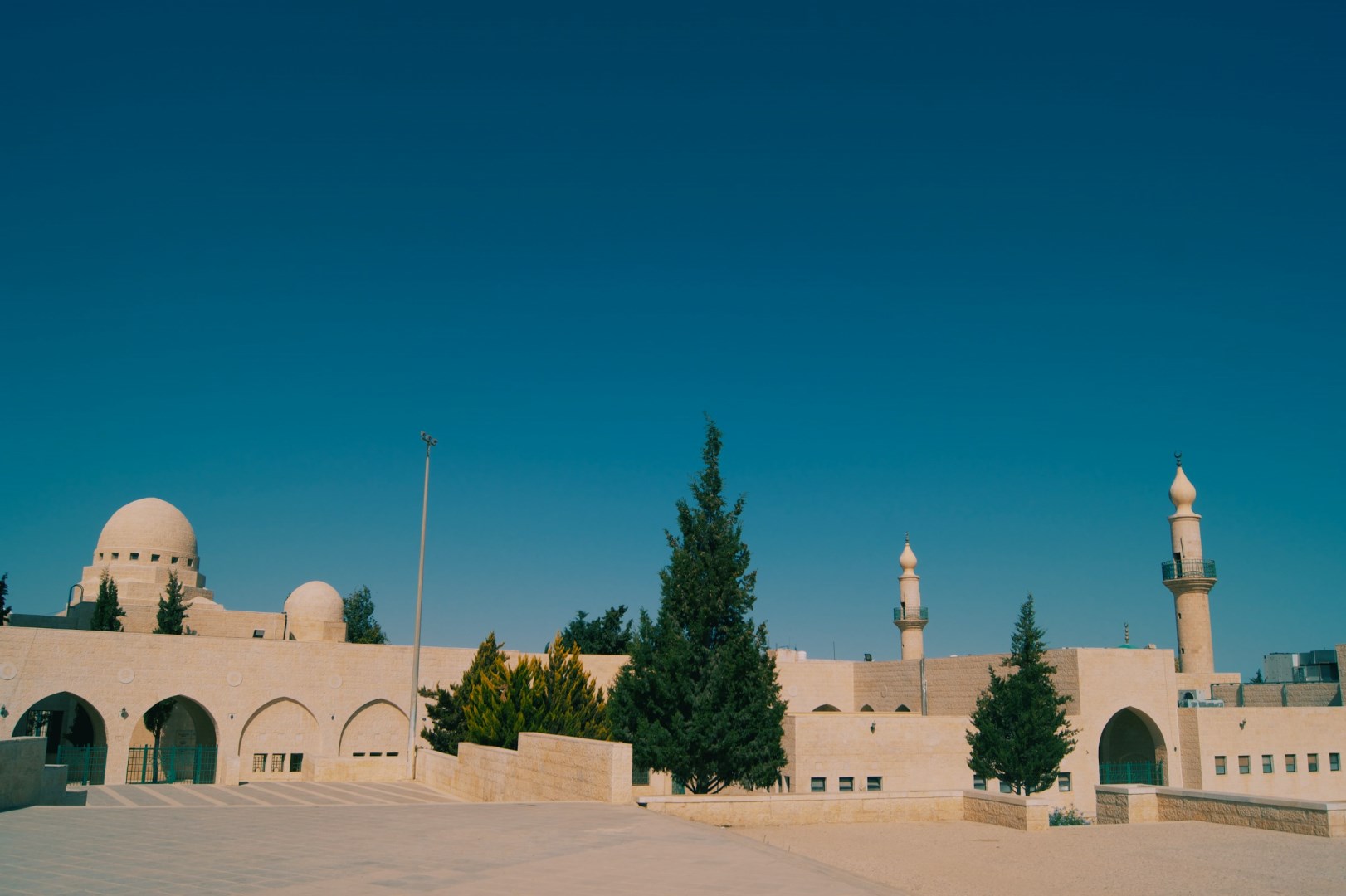
Kerak is a fortress town 75 miles (120km) from Amman, and contains one of the two major Crusader castles in the Kingdom. The castle, built to protect the approach to Jerusalem, stands on a craggy plateau 4,300ft above sea level. It was built in the early part of the 12th century and held for 50 years by the Crusaders until they were defeated by Salah al Din (Saladin) in 1189.
Santa Maria
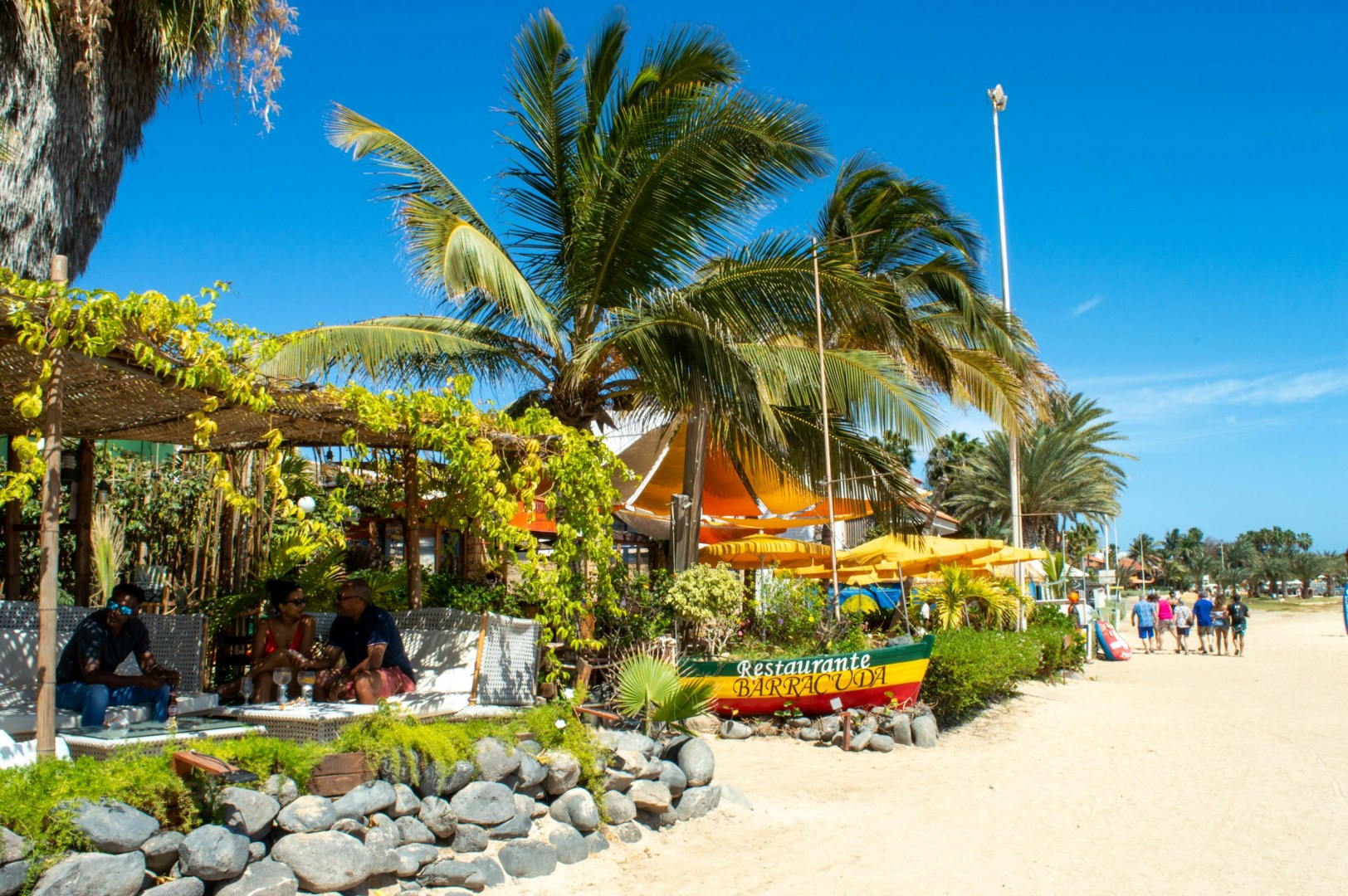
Santa Maria is the main coastal town on Sal, one of Cabo Verde’s eastern islands, and is closely connected with the island’s fishing and salt-producing heritage. The town developed beside a long sandy beach on the southern coast, with low buildings, narrow streets, small shops, restaurants, and a busy waterfront forming its center.

Hartford
Hartford, Connecticut, is a city rich in history and culture, offering visitors a unique blend of New England charm and urban energy. Known as the “Insurance Capital of the World,” Hartford has deep roots in finance, but its appeal extends far beyond business. The city is home to stunning historic architecture, vibrant museums, and a lively arts scene. A visit to the Wadsworth Atheneum Museum of Art, the oldest public art museum in the U.S., is a must.
