
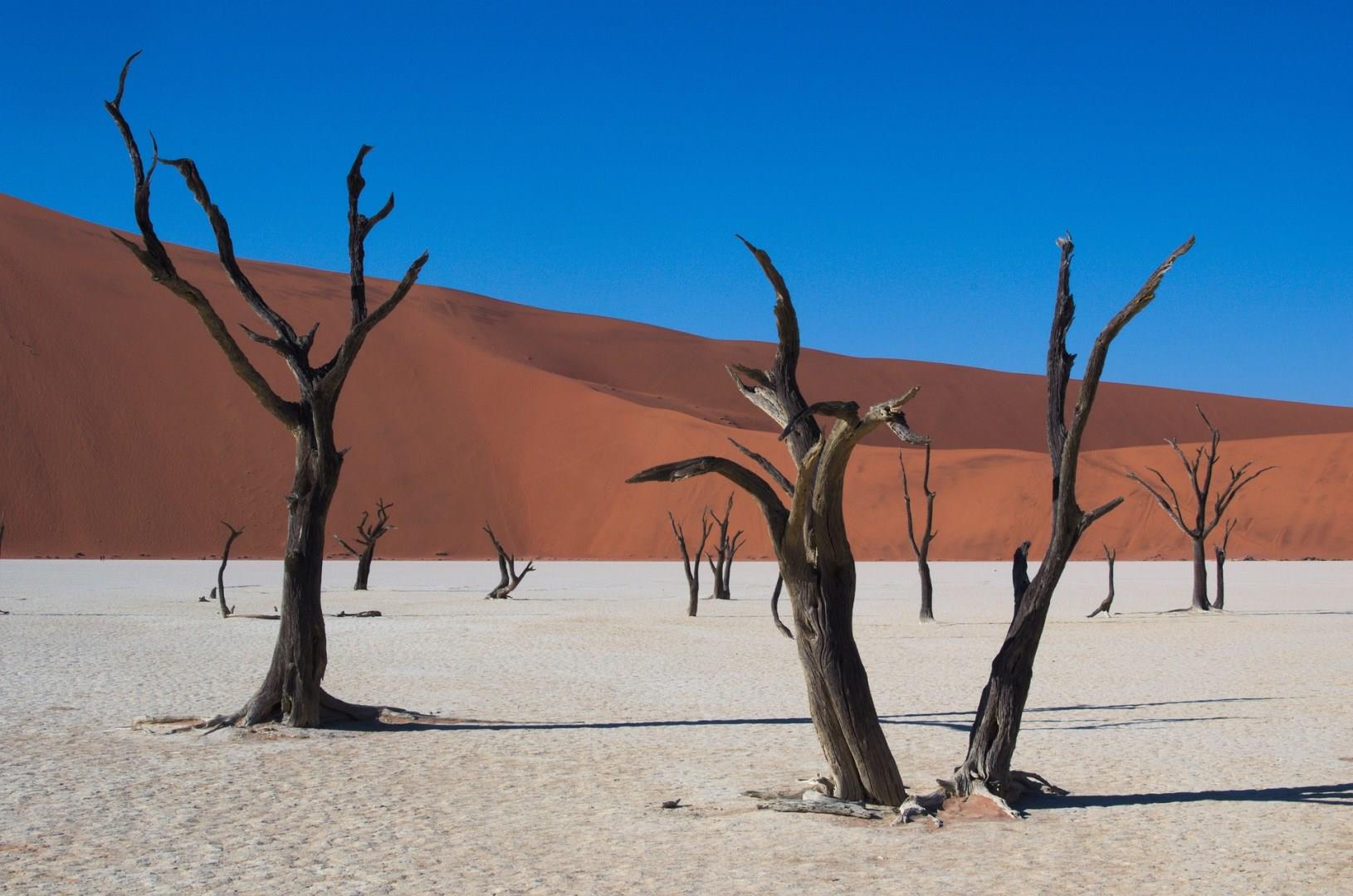
Deadvlei
Dramatic and otherworldly, Deadvlei in Namibia is one of the most surreal landscapes on the planet. Located within the Namib-Naukluft National Park, Deadvlei is a white clay pan that was once an oasis filled with acacia trees. Over 900 years ago, a shift in climate and the encroachment of the towering red sand dunes cut off the river that fed the pan, leaving behind a hauntingly beautiful scene of dead trees that have been perfectly preserved in the arid environment.
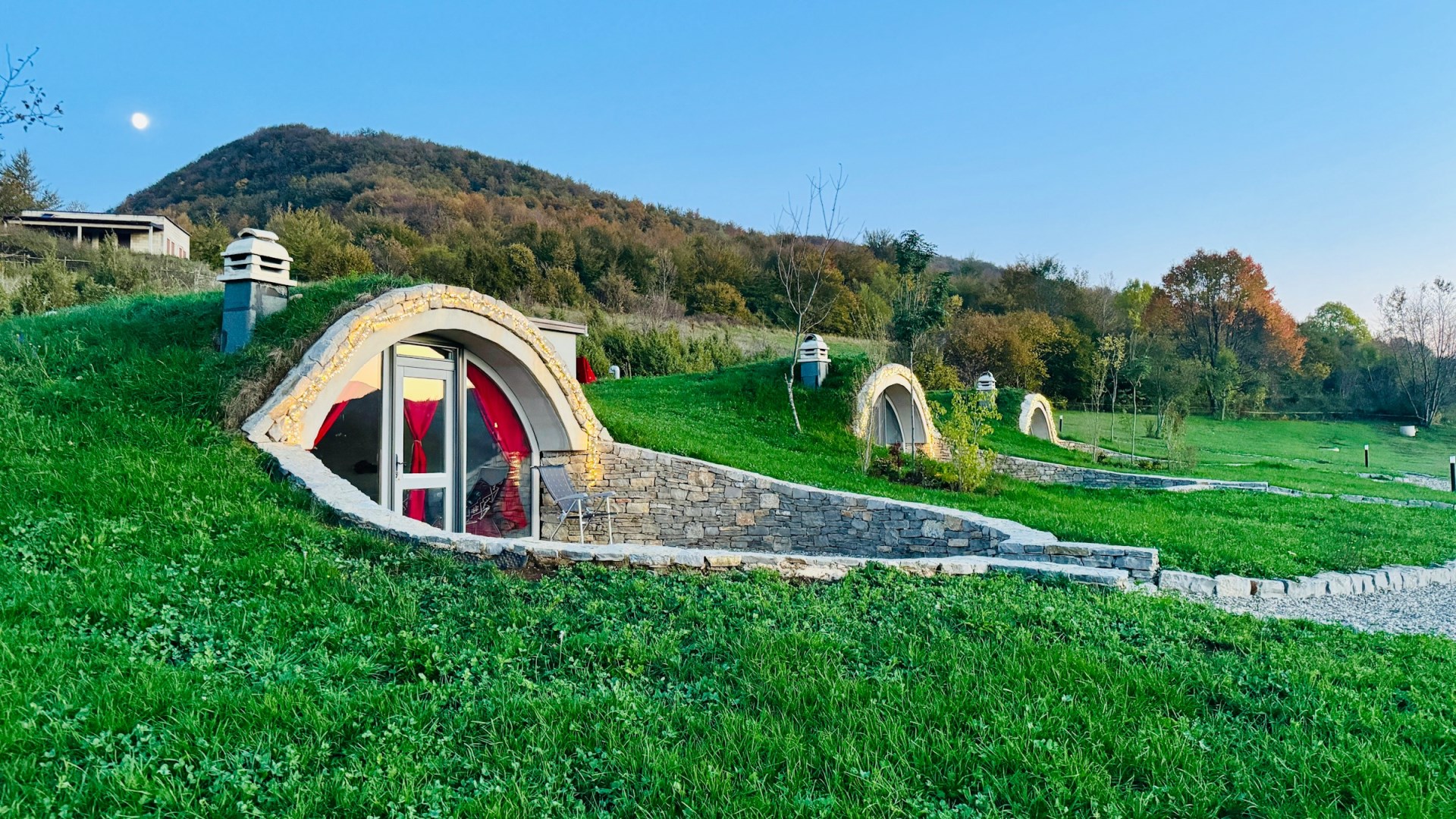
Kosovo
Kosovo, one of Europe’s youngest countries, offers visitors a glimpse into a landscape marked by resilience and rich tradition. The capital, Pristina, blends modern life with historical landmarks such as the Imperial Mosque, built in the 15th century, and the National Library, known for its unique architectural style. Walking through the city, visitors encounter a mix of Ottoman influences alongside vibrant street art and lively cafes.

Tromso
Tromsø, a gem nestled in the Arctic Circle, offers an unparalleled blend of natural wonders and cultural richness. Known as the "Gateway to the Arctic," this Norwegian city is famed for its spectacular Northern Lights. Between September and April, Tromsø becomes a prime location for witnessing the aurora borealis, a mesmerizing display of green, purple, and pink lights dancing across the polar sky.

Stornoway
This charming town is the perfect place to immerse yourself in Scottish Gaelic culture, music, and history, making it a popular port city for visitors and a great starting point for exploring the rest of the archipelago.
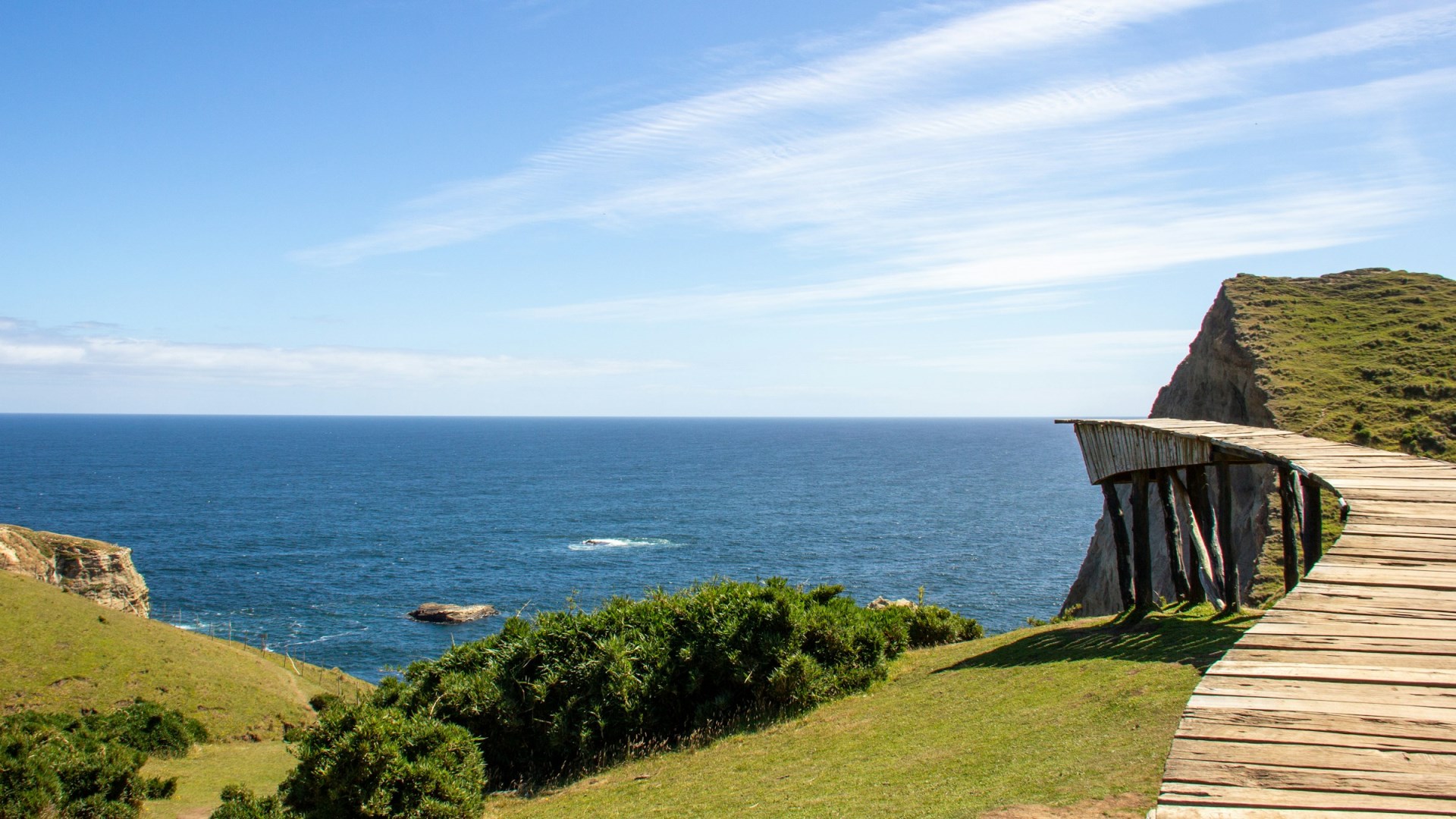
Chiloé Island
Chiloé Island is the largest island in the Chiloé Archipelago in southern Chile, separated from the mainland by the Chacao Channel and surrounded by the Gulf of Corcovado and the Pacific Ocean. Its landscape is shaped by wooded hills, farmland, wetlands, beaches, and a network of channels and smaller islands. Rural communities are scattered across the island, while towns such as Castro, Ancud, and Chonchi provide commercial and cultural centers.
