
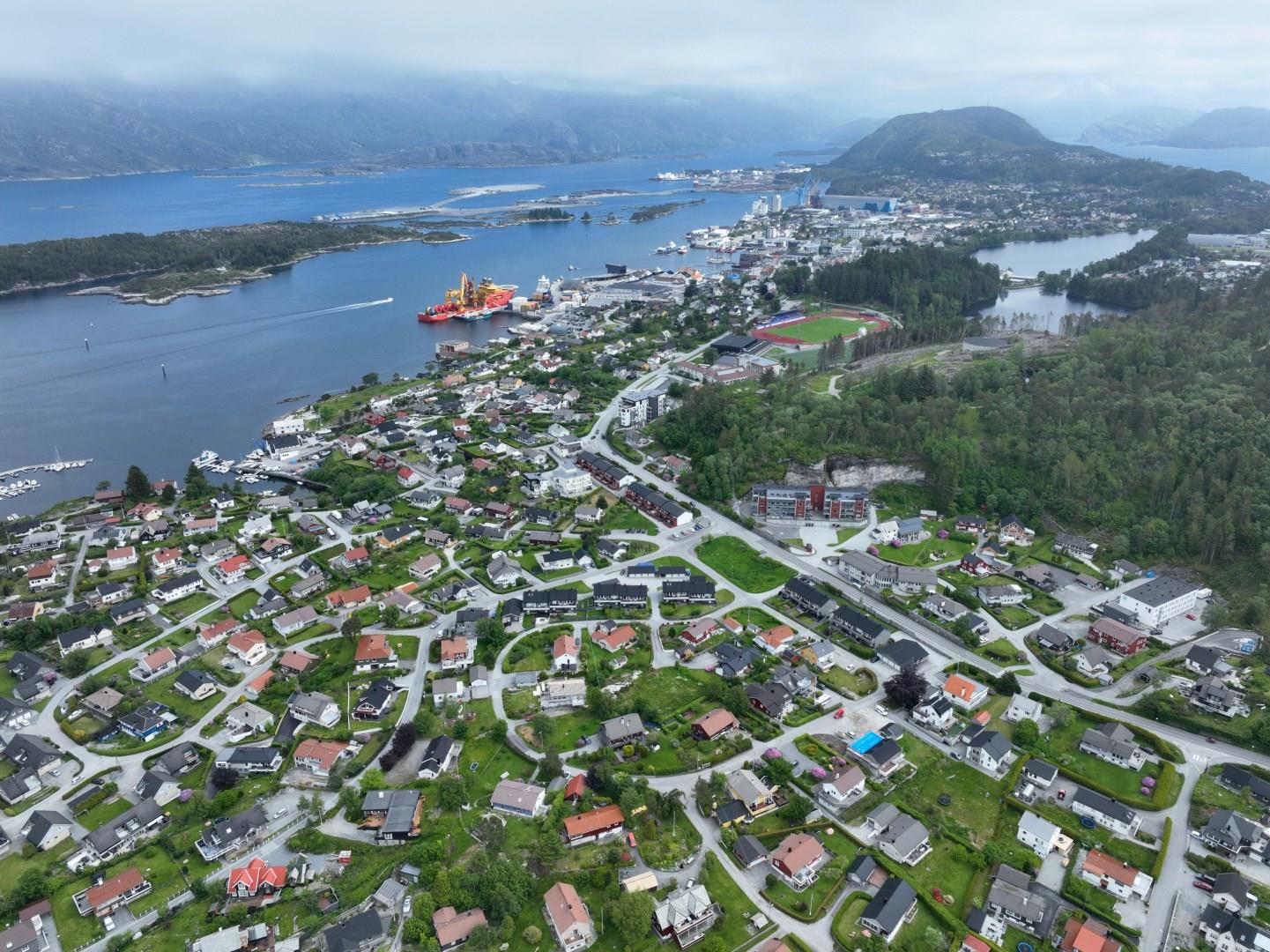
Florø
Florø, the westernmost town in Norway, sits right at the edge of the sea as a small, coastal town with deep maritime roots and front-row views of the North Atlantic. Established in 1860 as a herring fishing hub, Florø still carries the rhythm of the ocean in daily life. Though small in size, the town serves as a jumping-off point to explore the rugged coastline, scenic fjords, and a collection of islands that each have their own stories and scenery.
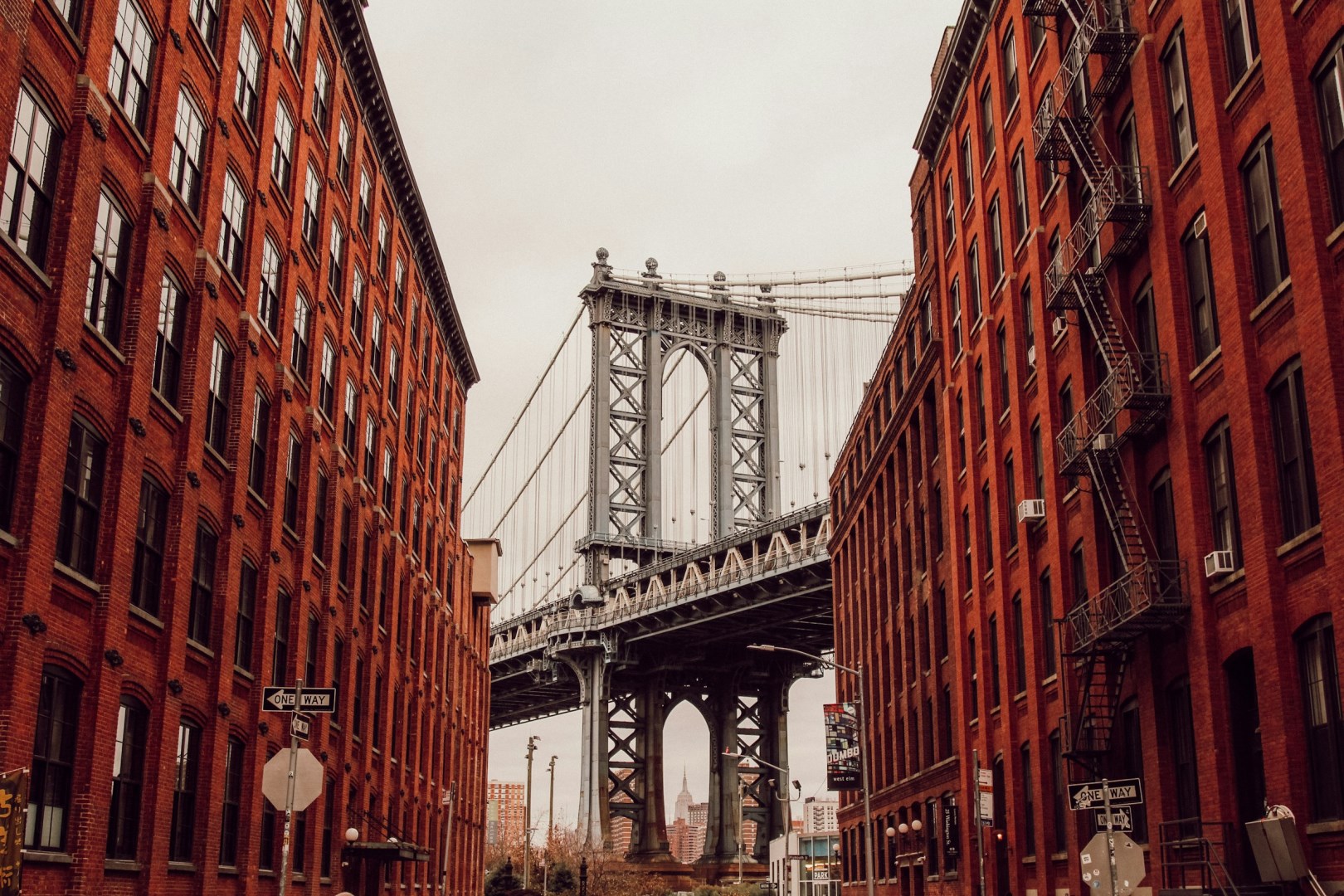
Brooklyn
Brooklyn is New York City’s largest borough by population and occupies the western end of Long Island, with a long waterfront facing Manhattan, New York Harbor, and the East River. Its neighborhoods range from the historic streets of Brooklyn Heights and Cobble Hill to the row houses of Park Slope, the industrial waterfront of Red Hook, and the busy commercial districts of Flatbush and Sunset Park. Brooklyn is also known for its parks, beaches, cultural institutions, and independent businesses.

Dominica
Dominica, known as the “Nature Island of the Caribbean,” is a haven for eco-tourists and adventure seekers. Nestled between the French islands of Guadeloupe and Martinique, this lush island boasts a remarkable landscape of volcanic mountains, dense rainforests, and stunning waterfalls. Dominica’s most iconic natural wonder is the Boiling Lake, the second-largest hot spring in the world.
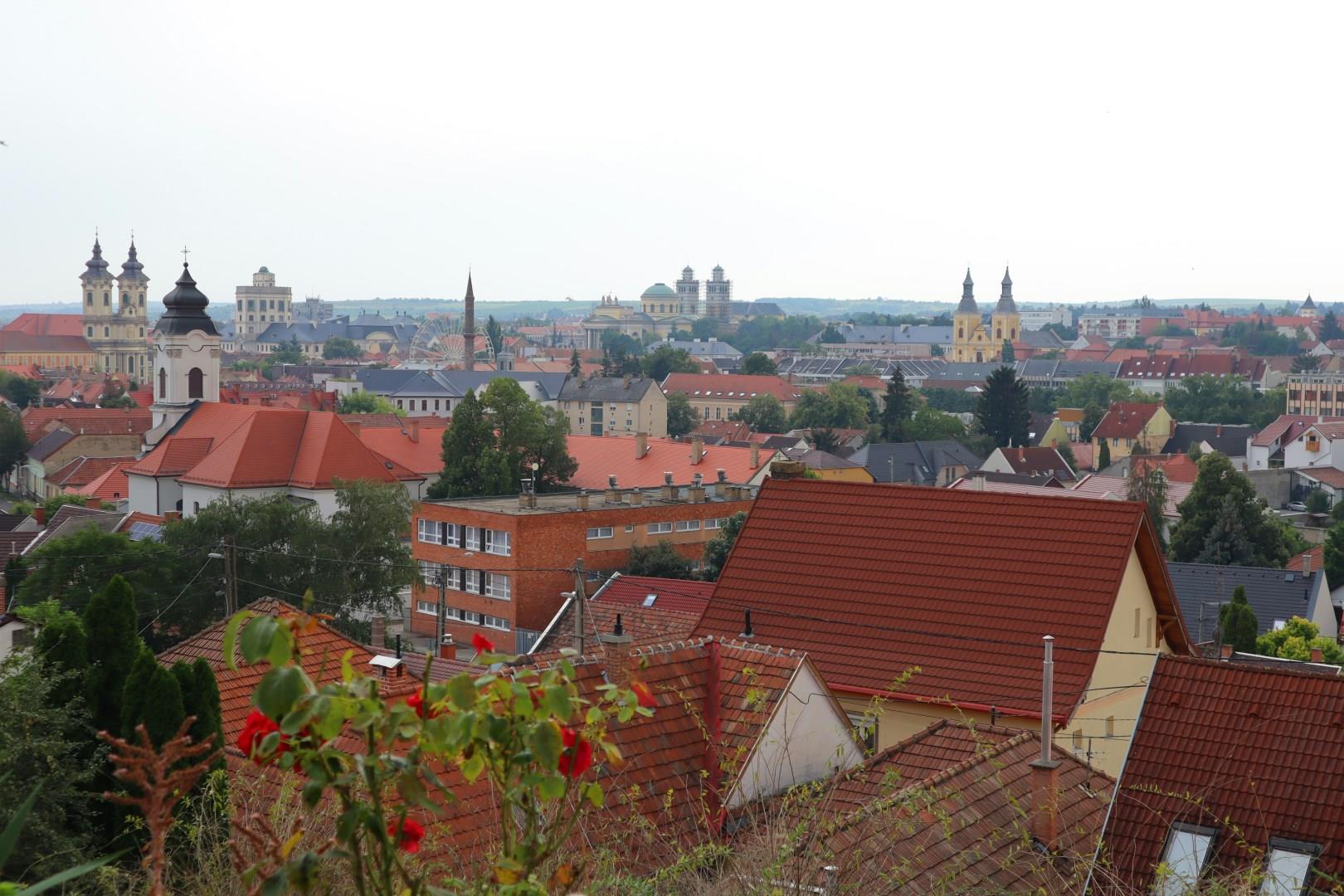
Eger
Eger sits in northern Hungary and is known for its well preserved Baroque center, historic castle and long tradition of wine and craft that draw visitors from across Europe. Just beyond the historic center, generations of winemakers have perfected local styles and offer tastings of local varieties. A casual afternoon here can feel like a gentle cellar crawl, with seasonal music or simple snacks adding to relaxed tastings under vine covered walkways.

Nijmegen
Whether exploring ancient ruins or strolling through its modern city center, visitors will find plenty to discover in Nijmegen, the oldest city in the Netherlands.
