

Yellowstone National Park
Yellowstone National Park, America's first national park, stands as a stunning testament to nature’s raw power and beauty. Located primarily in Wyoming, with portions extending into Montana and Idaho, Yellowstone offers visitors a chance to witness incredible geothermal wonders, such as the famous Old Faithful geyser that faithfully erupts every 60 to 110 minutes.
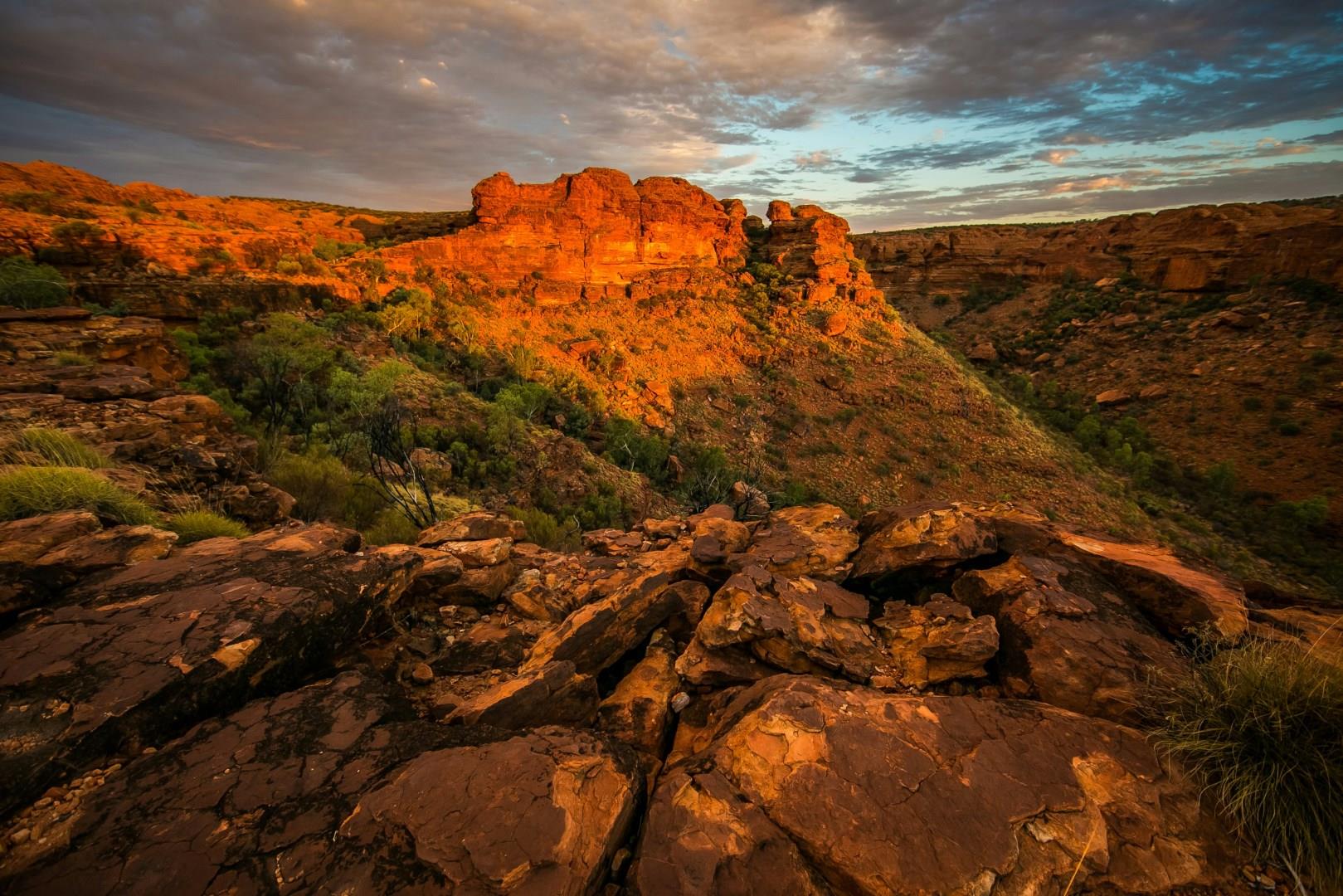
Kings Canyon
Kings Canyon, located in Australia’s Northern Territory within Watarrka National Park, is one of the Red Centre’s most striking natural landmarks. Carved over millions of years, the canyon holds deep cultural significance for the Anangu people, particularly the Luritja, for whom the area remains a sacred landscape tied to creation stories, ceremony, and traditional knowledge.
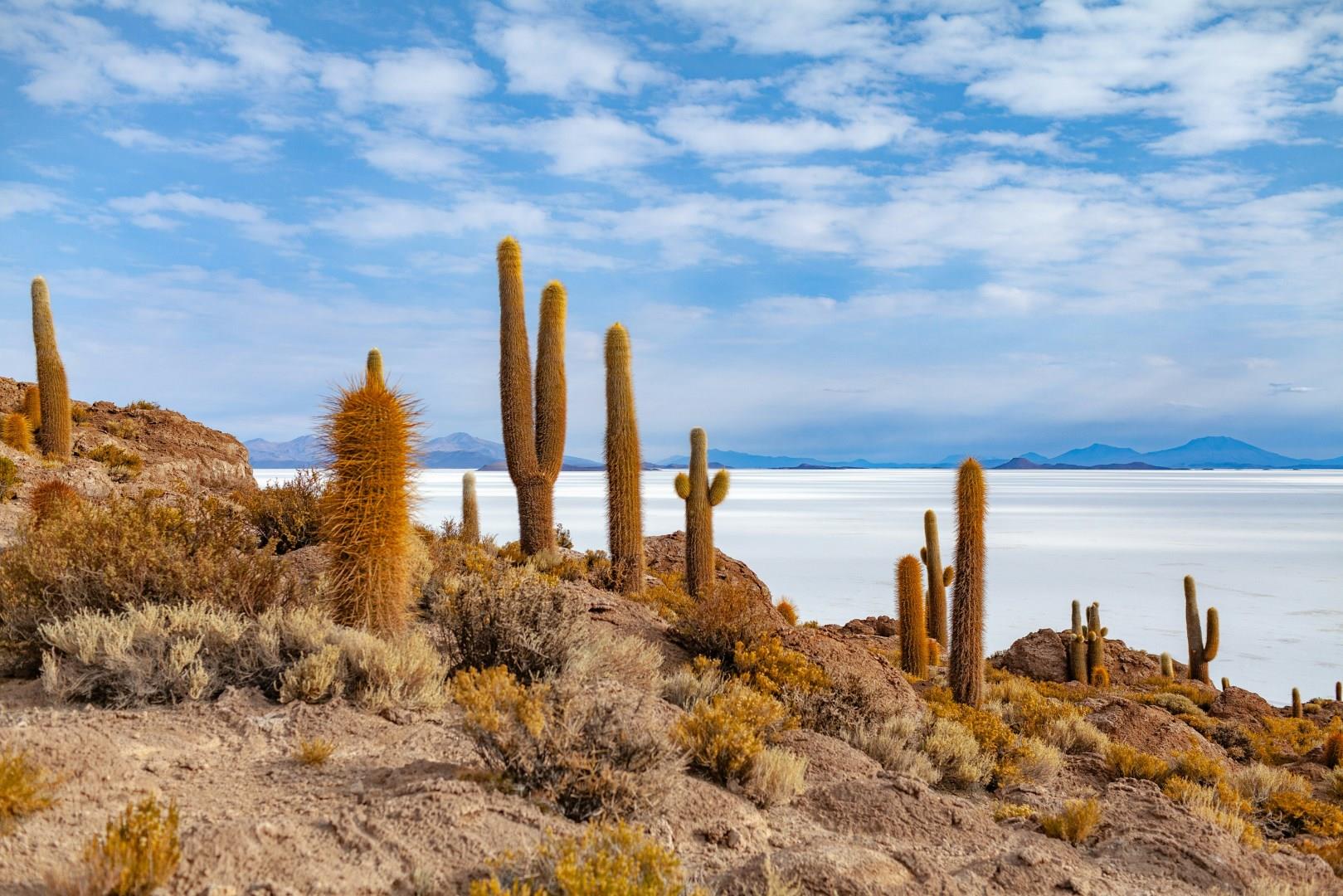
Uyuni
Uyuni, in southwestern Bolivia, is best known as the gateway to the world’s largest salt flat, Salar de Uyuni. Once a humble railway town, Uyuni has grown into a base for travelers drawn to this surreal landscape, where an ancient dried-up lake has left behind a vast expanse of glistening salt crust.
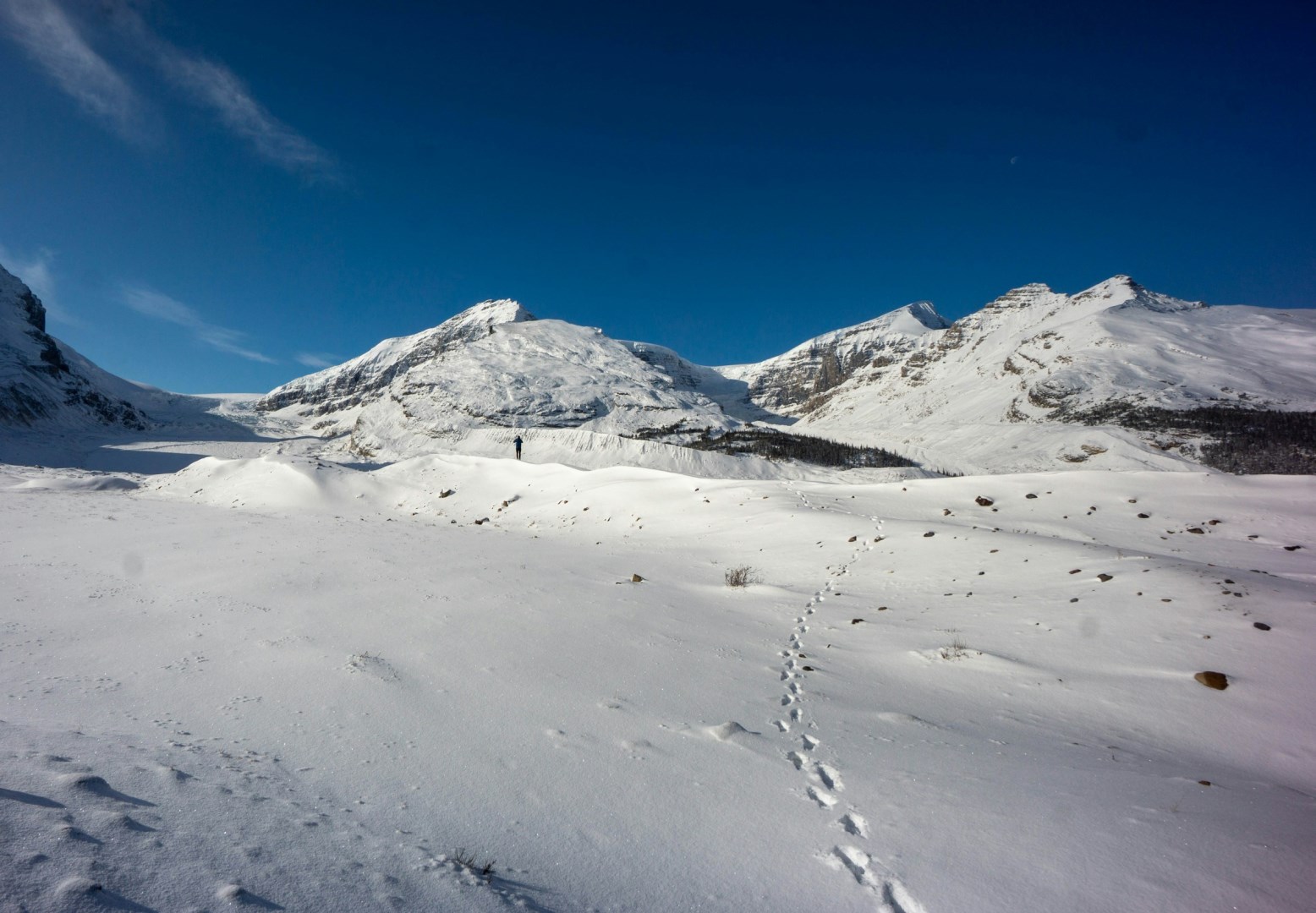
Athabasca Glacier
Athabasca Glacier is one of the most accessible glaciers in the Canadian Rockies, located in Jasper National Park along the Columbia Icefield Parkway in Alberta. It forms part of the Columbia Icefield, a vast area of ice and snow that feeds several major river systems. The glacier extends down from the icefield between rugged mountain peaks, with its lower section visible from a marked viewpoint and trail.

Popoyo
Popoyo is a small coastal community on Nicaragua's southwestern Pacific coast, in the department of Rivas. It is known for its broad sandy shoreline, rocky coastal points, and consistent Pacific surf. The surrounding landscape remains largely rural, with pastureland, farms, tropical vegetation, and small settlements extending inland from the beach.
