
Miltenberg
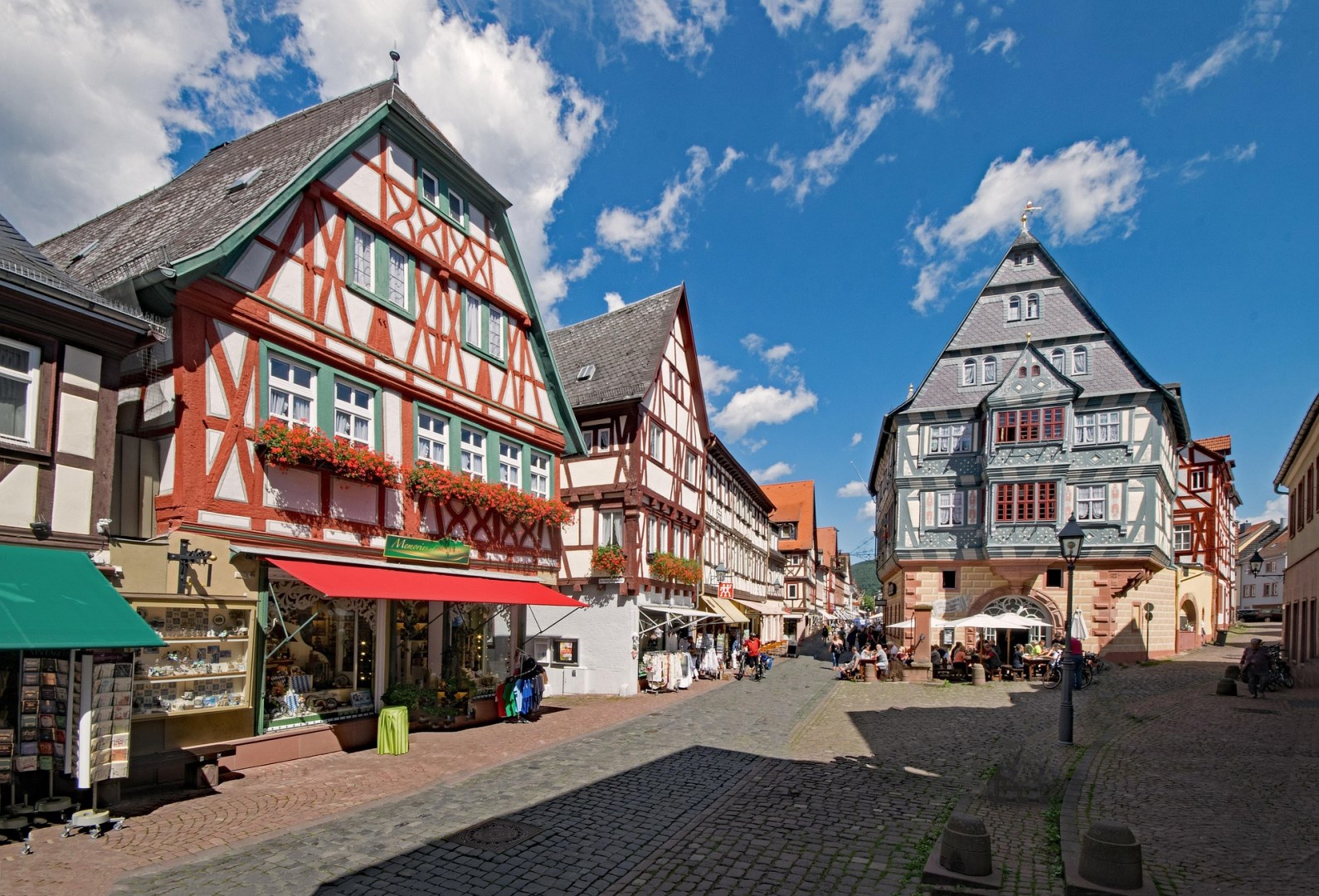
Set along a gentle curve of the Main River in Bavaria, the town of Miltenberg presents a streetscape that feels carefully preserved rather than rebuilt. Rows of half-timbered houses line a single main street, their wooden beams and painted facades forming one of the most photographed scenes in Germany. The old market square, known as the Schnatterloch, draws attention with its sandstone fountain and tightly packed historic buildings, creating a setting that has remained largely unchanged.
Nizwa
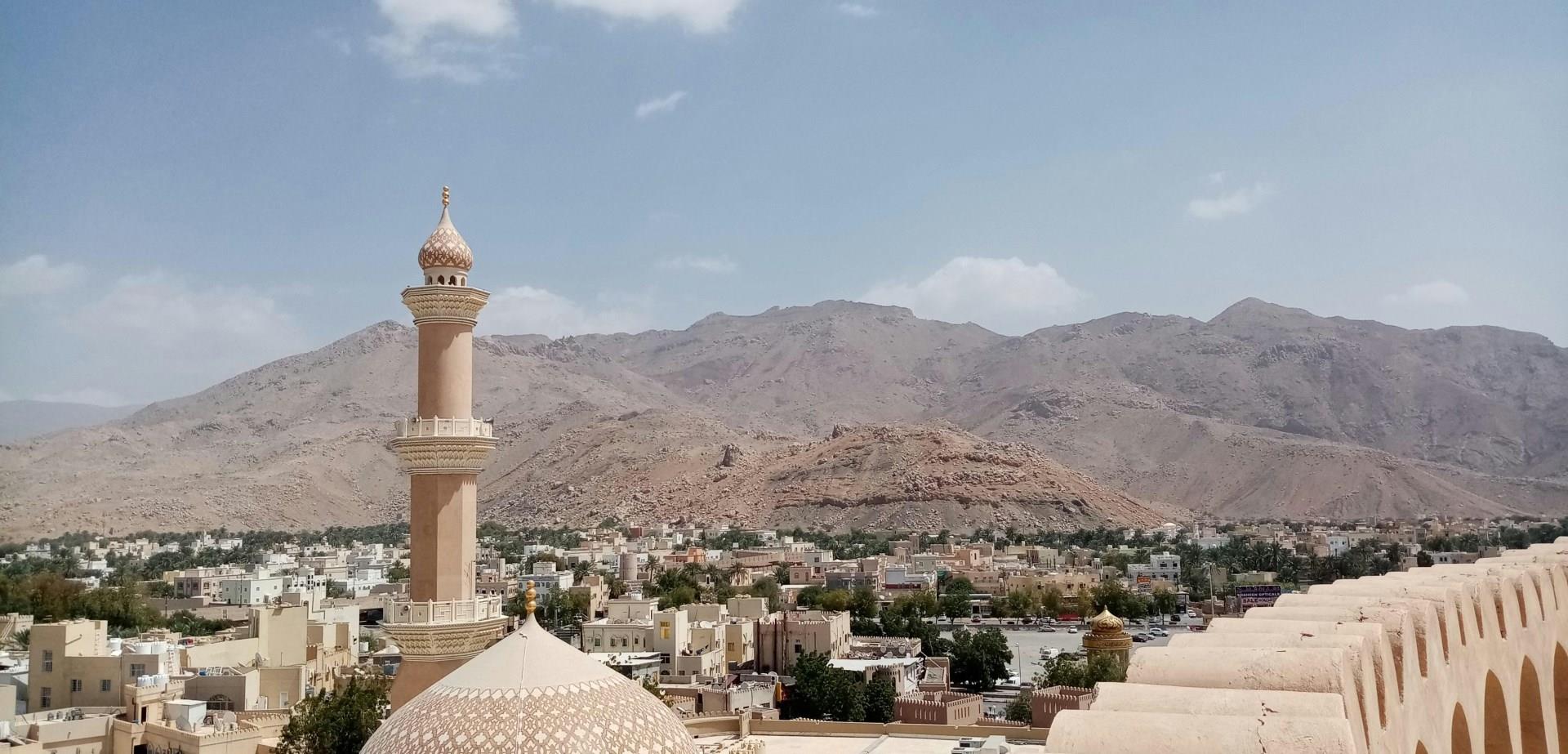
In the heart of Oman lies Nizwa, a city once considered the country’s capital and a hub of learning and trade. Its iconic round fort, built in the 17th century, remains one of Oman’s most visited landmarks.

Andasibe-Mantadia National Park
Andasibe-Mantadia National Park, located in the eastern highlands of Madagascar, offers a captivating journey into one of the world’s most unique rainforests. Famous for its rich biodiversity, this national park is home to the largest species of lemur, the indri, whose haunting calls echo through the dense canopy. Visitors to the park can explore lush tropical landscapes filled with rare plants, birds, and other endemic wildlife, making it a must-visit for nature lovers and adventurers alike.
Cabot Trail
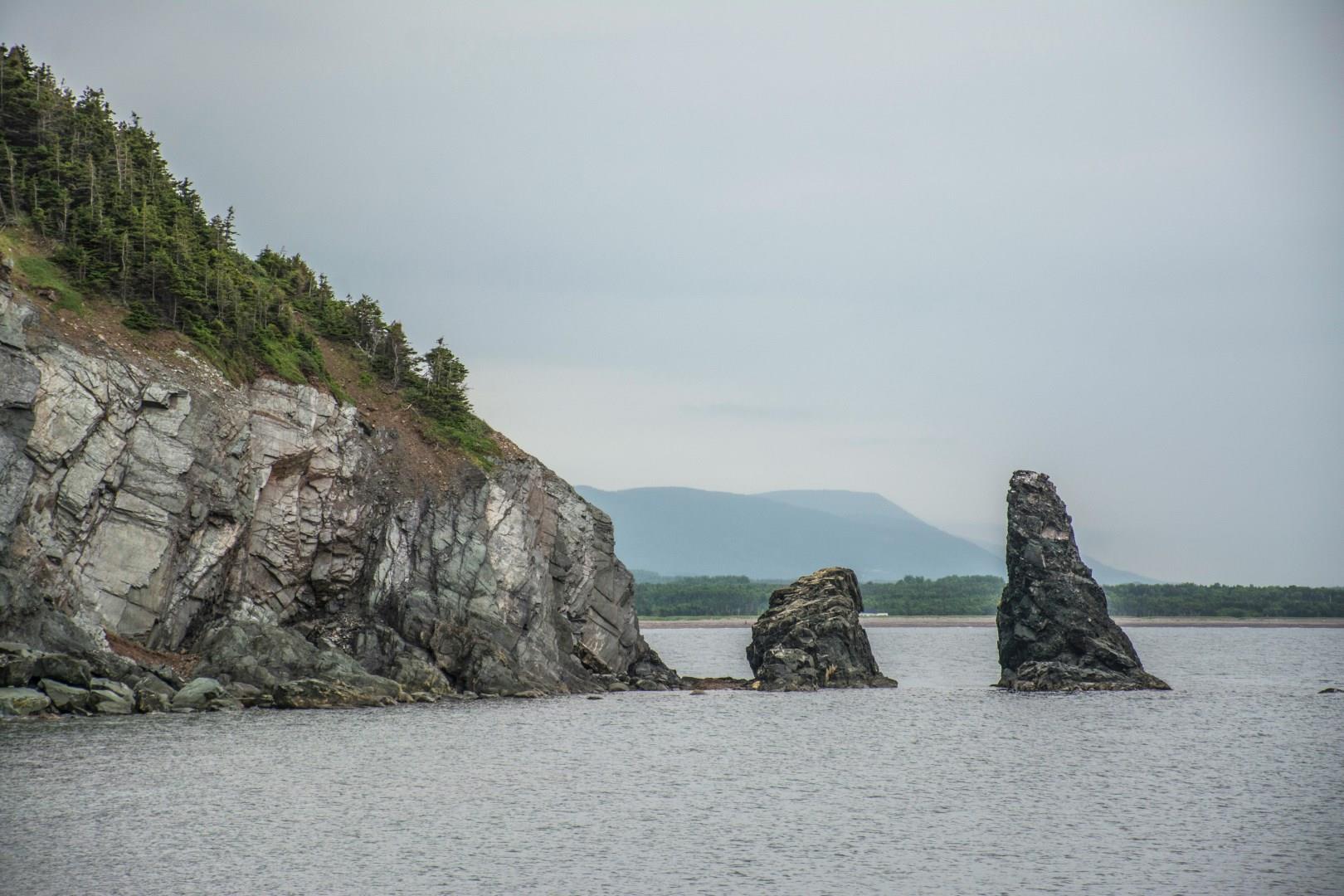
The Cabot Trail loops around northern Cape Breton Island, Nova Scotia, tracing cliffs, highlands, and forests for roughly 298 km. Named for the explorer John Cabot, the region’s deeper story belongs to the Mi’kmaq people, whose presence predates European settlement.
Lüderitz
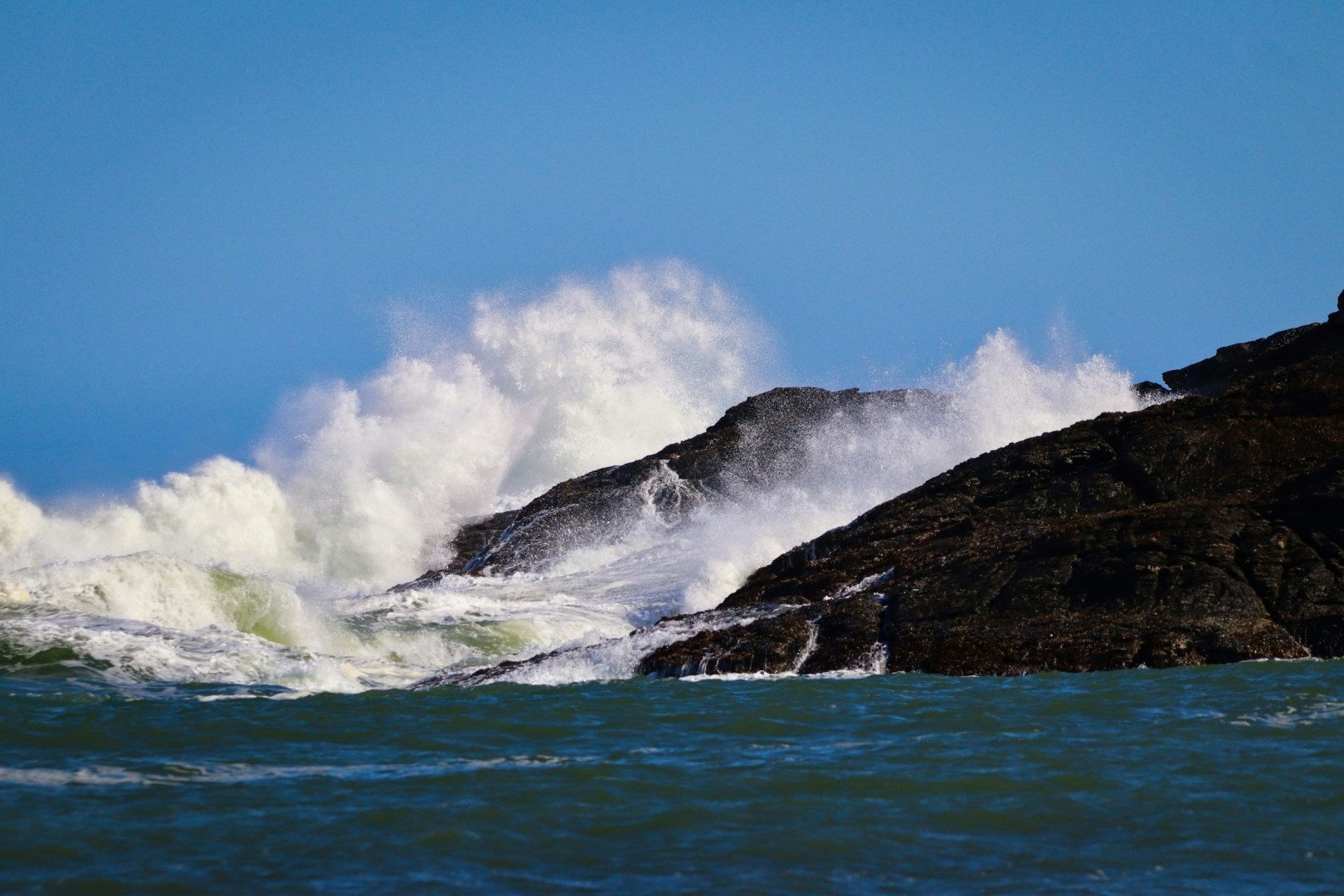
This coastal town in southwestern Namibia is known for its German colonial buildings, including the art nouveau Goerke Haus, built into the rock face on Diamond Hill. Nearby, Felsenkirche is a hilltop church with panoramic bay views stretching around to Robert Harbor. The Lüderitz Museum has displays about the town’s diamond mining past as well as local and natural history.
