
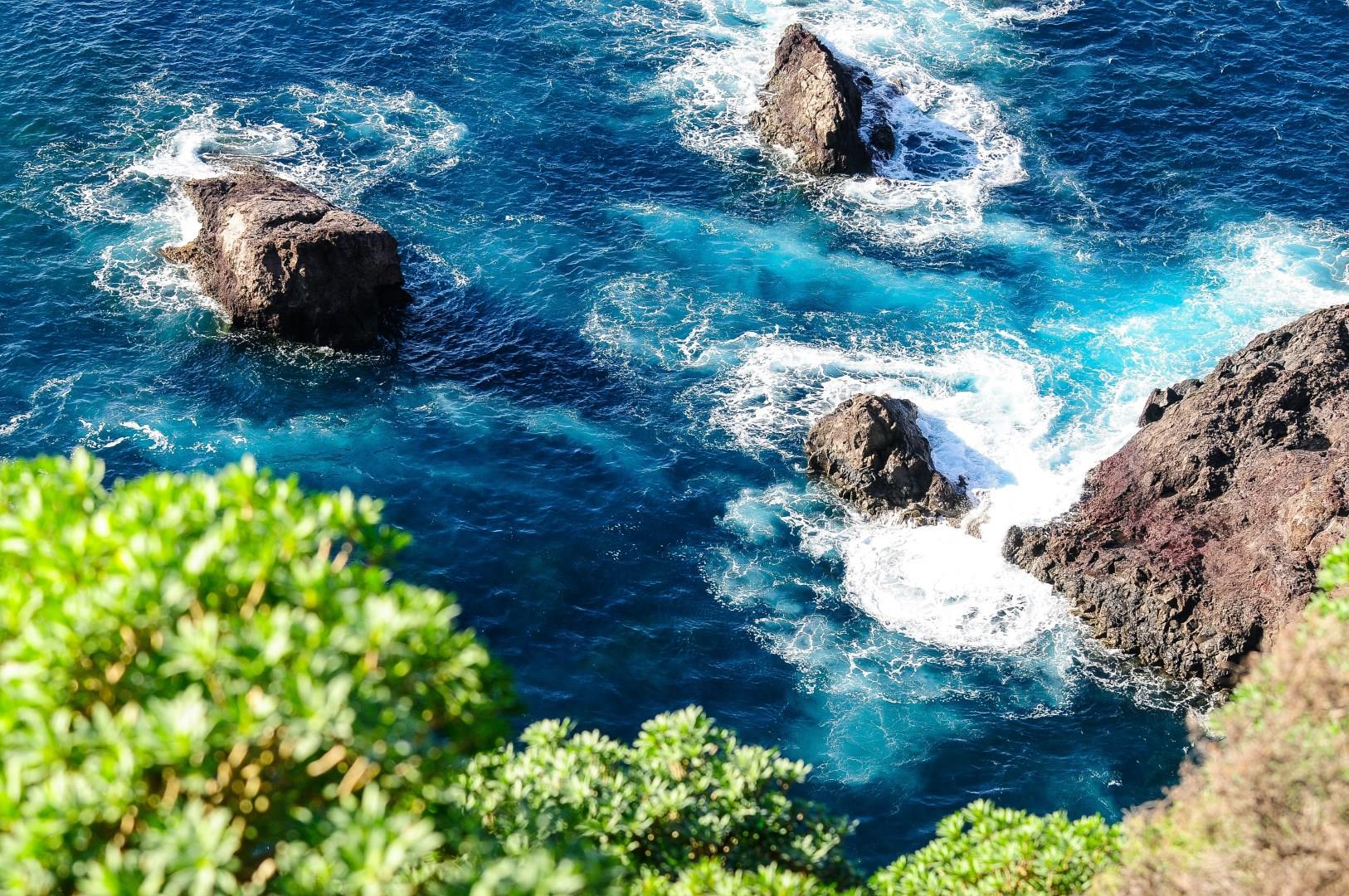
La Palma
La Palma (also San Miguel de La Palma) is the fifth of Spain's Canary Islands. This mountainous volcanic island is a natural wonder of tropical vegetation. Its coast is lined by jagged cliffs and plunging ravines, and its beaches are covered with black sand. Thanks to dry climate and the height of its mountains creating excellent observation conditions, La Palma has become the home of some of the world's largest telescopes, seated on the rocky ridge called El Roque de los Muchachos.

Yucatán
Yucatán, a Mexican state, is popular for its Gulf of Mexico beach areas and spectacular Mayan ruins. It is bordered by the states of Campeche and Quintana Roo. Mexico’s Yucatán Peninsula is also home to mystical cenotes—natural sinkholes filled with crystal-clear water.
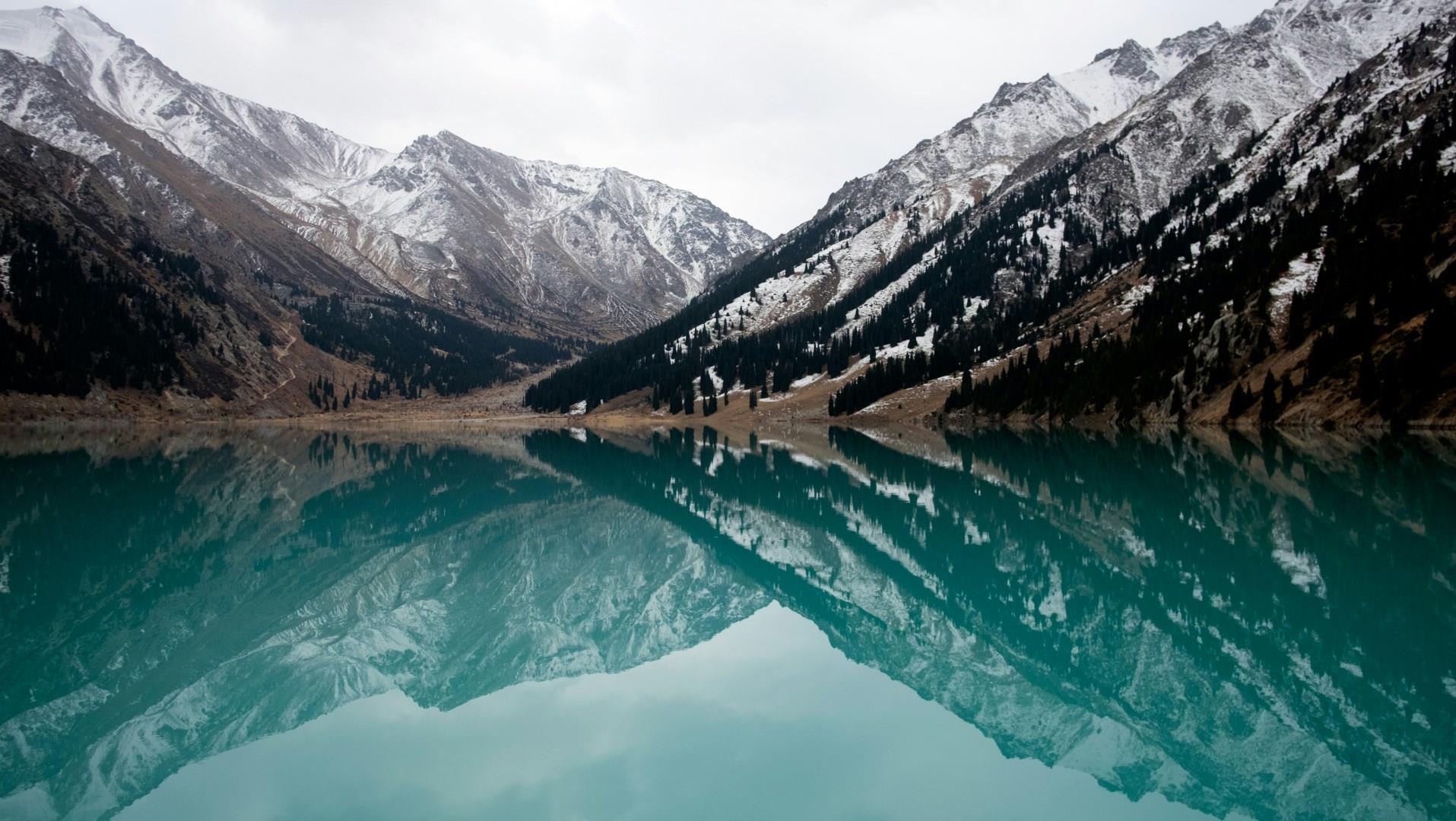
Kazakhstan
Kazakhstan, the world’s ninth-largest country, offers travelers a striking mix of sweeping steppe landscapes, modern cities, and deep-rooted nomadic traditions.
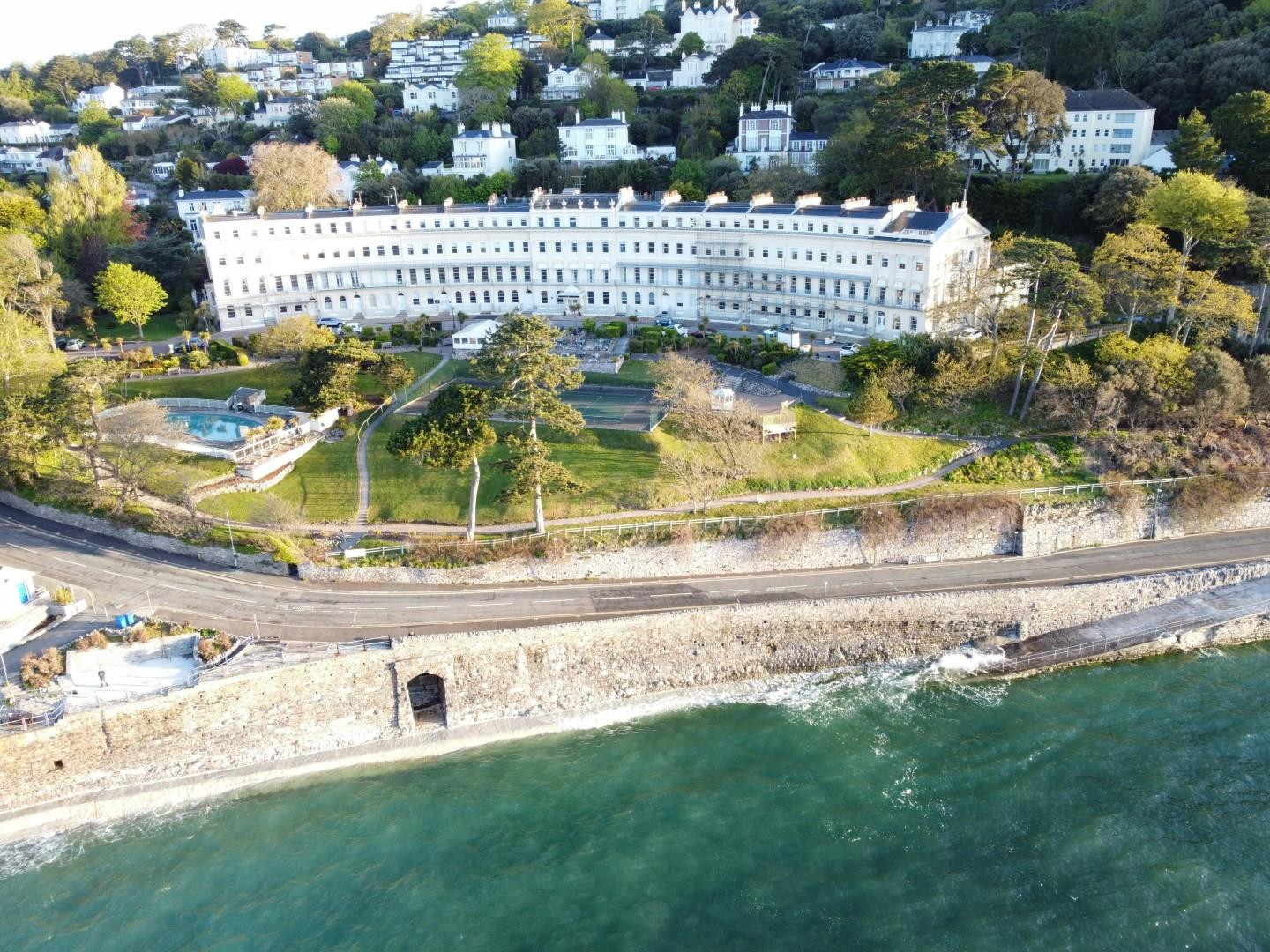
Torquay
Torquay, located on England’s southwest coast in Devon, is often referred to as the gateway to the English Riviera. With origins as a small fishing village, it expanded rapidly in the 19th century as a seaside resort, attracting visitors with its mild climate, sandy beaches, and scenic coastline.
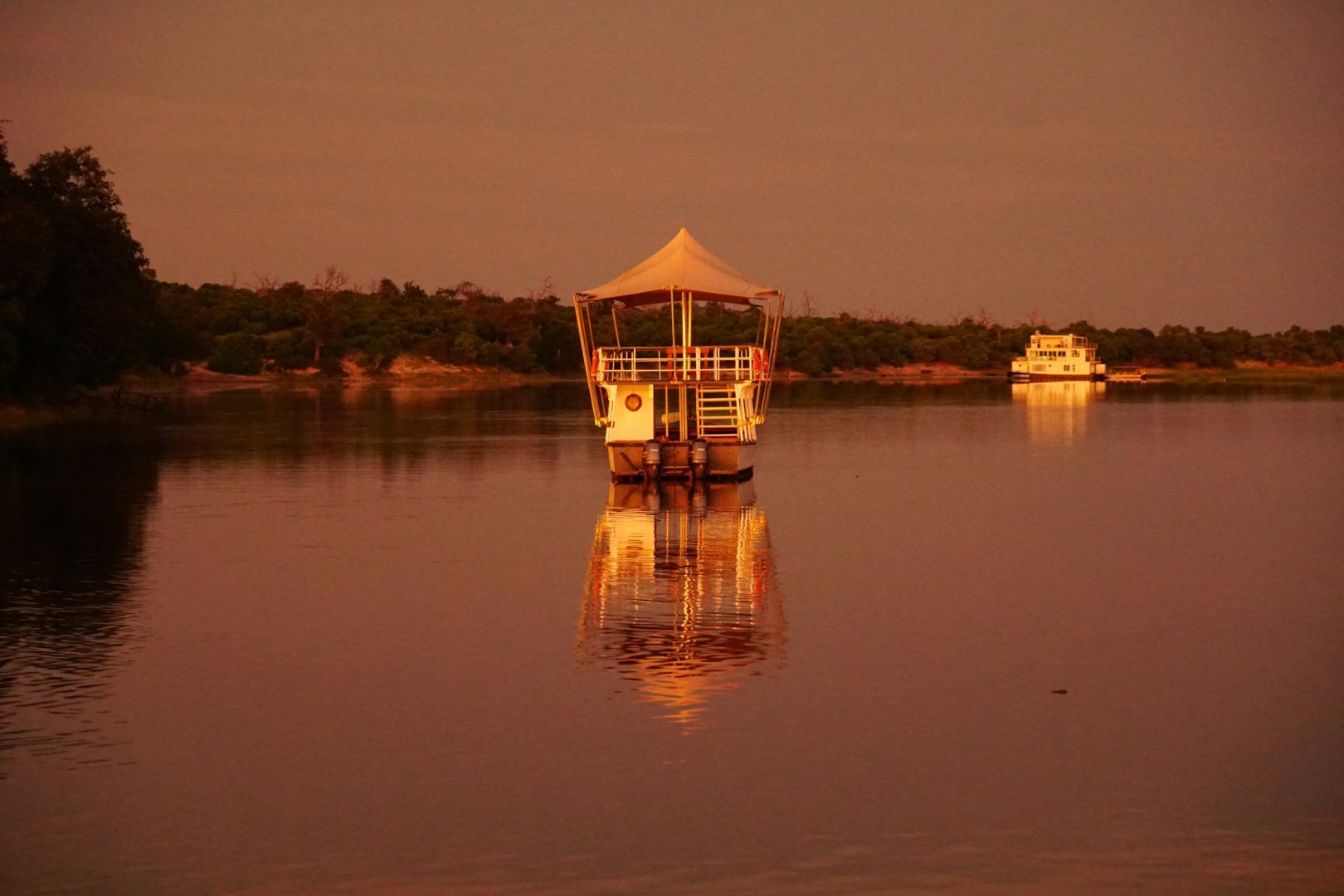
Caprivi
Caprivi, now officially known as the Zambezi Region of Namibia, is a narrow, water-rich area in the country's far northeast, extending between Angola, Zambia, Botswana, and Zimbabwe. Unlike much of Namibia's dry interior, Caprivi contains perennial rivers, floodplains, wetlands, woodland, and riverine forests.
